HouseholdRanker
Menu
Kasa EP40 vs Kasa KP115 Smart Plug Comparison

Comparison

Kasa EP40 vs Kasa KP115 Smart Plug Comparison

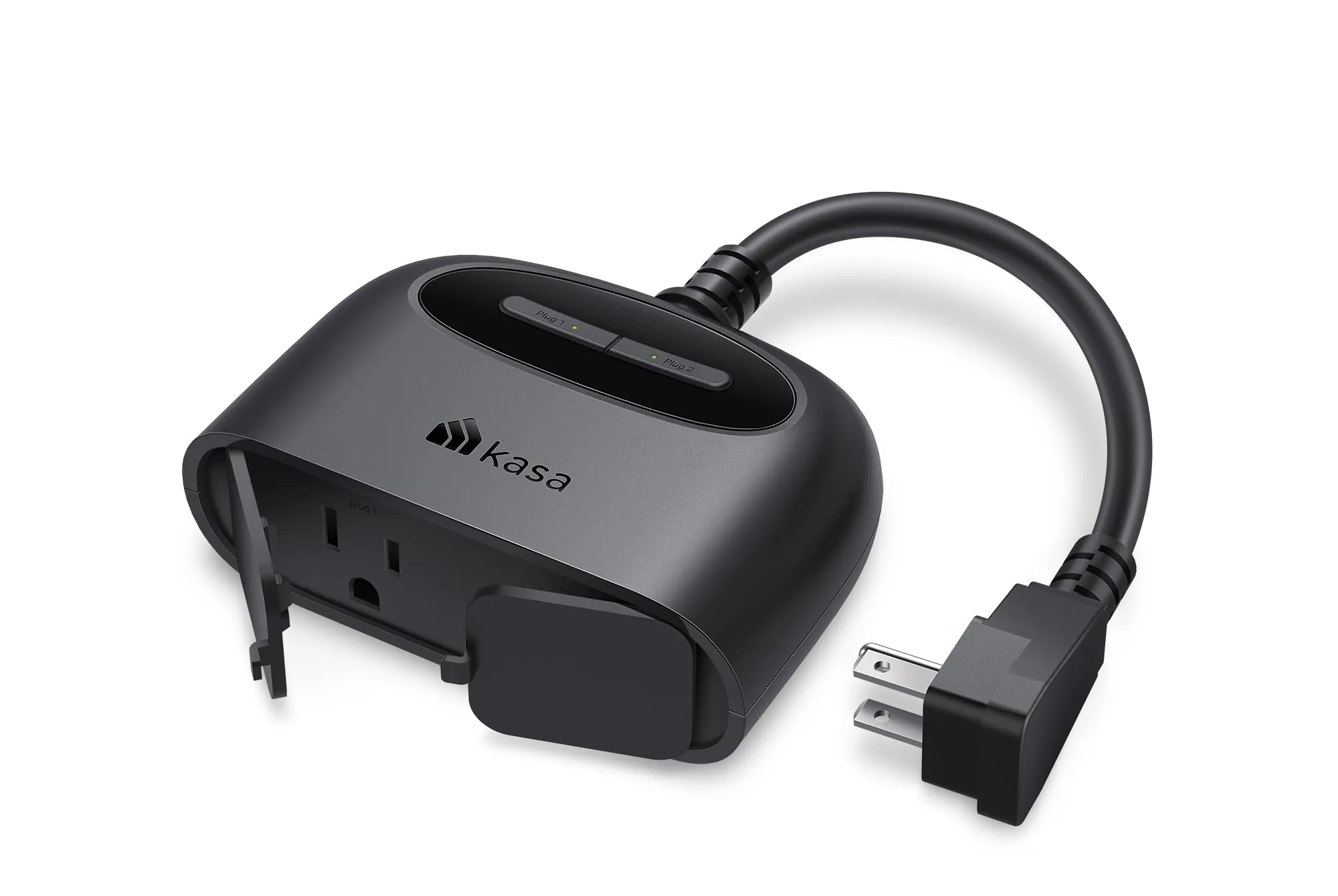
The Kasa EP40 and Kasa KP115 are both Wi‑Fi smart plugs that work with Alexa and Google Home, but they’re built for different jobs. The EP40 is an outdoor, dual-socket plug with independent control and sunrise/sunset scheduling, while the KP115 is a compact mini plug that adds energy monitoring for tracking power use. Your best choice mostly comes down to outdoor placement versus metering needs indoors.

Expert tested Data driven Unbiased reviews Updated 18 May 2026
Kasa Outdoor Smart Plug EP40

#1 Overall Winner

Kasa Outdoor Smart Plug EP40

84/100
  • Two outlets with independent control for running separate outdoor devices
View review
Kasa Smart Plug Mini with Energy Monitoring KP115

Contender

Kasa Smart Plug Mini with Energy Monitoring KP115

86/100
  • Built-in energy monitoring for tracking power and energy usage over time
View review

Quick verdict

Choose the Kasa EP40 if you need an outdoor-rated smart plug with two independently controlled outlets for lights or patio equipment. Choose the Kasa KP115 if you want a compact indoor smart plug with energy monitoring and strong everyday reliability. Both work well for basic app and voice control, but Wi‑Fi strength and placement still matter.

Overall winner

Depends on your needs

At-a-glance comparison

Feature Kasa Outdoor Smart Plug EP40 Kasa Smart Plug Mini with Energy Monitoring KP115 Winner
Primary use Outdoor smart plug (dual outlet) Indoor-style mini smart plug (single outlet) Depends
Outlet count 2 independently controlled sockets 1 socket Kasa Outdoor Smart Plug EP40
Weather resistance IP64 weather resistance; attached cover Not specified for outdoor use Kasa Outdoor Smart Plug EP40
Energy monitoring Not listed Yes (energy monitoring) Kasa Smart Plug Mini with Energy Monitoring KP115
Voice assistant support Alexa, Google Home (also mentions IFTTT) Alexa, Google Home Kasa Outdoor Smart Plug EP40
Scheduling features Schedules, countdown, sunrise/sunset offset Scheduling supported; some time-change quirks reported Kasa Outdoor Smart Plug EP40
Connectivity requirement 2.4 GHz Wi‑Fi required 2.4 GHz Wi‑Fi required Tie
App setup experience Guided setup; many report quick pairing Straightforward setup; firmware updates noted Tie
Wi‑Fi range/placement focus Stated long range up to 300 ft (open space) Users report outlet/Wi‑Fi sensitivity in some spots Kasa Outdoor Smart Plug EP40
Portability/compactness Outdoor body with short cable; bulkier Mini plug; compact Kasa Smart Plug Mini with Energy Monitoring KP115
Reliability (from feedback) Mostly positive, but some early-failure reports Generally strong; occasional defective unit reports Kasa Smart Plug Mini with Energy Monitoring KP115
Safety/compliance info ETL listed; 15A/1875W max per outlet stated 15A rating referenced in reviews Depends
Price (listed) $17.64 $12.01 Kasa Smart Plug Mini with Energy Monitoring KP115
Best fit by location Patio/yard/holiday décor/outdoor pumps Lamps/AV gear/dehumidifiers/electric blankets Depends

Detailed comparison

Home Use

For everyday home use, both plugs cover the basics: remote on/off control, scheduling, and voice assistants without needing a hub. The KP115 fits more naturally into daily indoor routines because it’s compact and adds energy monitoring for understanding what an appliance is costing to run. The EP40 is more specialized: it’s ideal when the devices you want to control are outdoors and you benefit from two separately controlled outlets on one exterior receptacle.

Kitchen Use

Neither plug is a dedicated kitchen appliance, but the KP115 is the more practical choice for indoor countertop or pantry-adjacent use because its mini design is easier to place on a standard wall outlet. If you want to monitor energy use of a kitchen device (where appropriate), KP115 is the only one here with energy monitoring. The EP40 is better kept for outdoor-rated placements rather than typical indoor kitchen outlets.

Cleaning Use

For cleaning and home-hygiene routines, the KP115 is typically the better fit because energy monitoring and easy indoor placement suit appliances like dehumidifiers (as noted by users). The EP40 can still be useful for outdoor-use cases such as switching seasonal or yard equipment, but it’s less about indoor cleaning workflows and more about weather-resistant exterior control.

Climate Comfort

Both can support comfort-related devices by automating on/off schedules. The KP115 is commonly used for indoor comfort gear like electric blankets and dehumidifiers, and energy monitoring can help you understand how often they run. The EP40 is more relevant when the comfort device is outdoors (for example, a bird-bath heater), but it’s still dependent on a strong outdoor Wi‑Fi signal for consistent smart control.

Performance

For basic switching performance, both Kasa plugs generally do what they’re meant to do: turn power on/off on command and follow schedules. The KP115 stands out for indoor performance because it adds energy monitoring and has stronger reliability sentiment in the provided data and reviews. The EP40 performs well for outdoor lighting and devices, with many reports of stable Wi‑Fi and responsive control, but there are also enough mentions of connection variability and early failure that outdoor placement and Wi‑Fi strength are important considerations.

Reliability

Reliability is a key difference. EP40 has plenty of positive reports of stable Wi‑Fi and consistent scheduling outdoors, but the aggregated feedback also includes users who experienced connection issues and some reports of the unit stopping within a short period. KP115 reliability sentiment is stronger overall, including comments from users who have run them for years, though there are still occasional reports of defective units or sensitivity to Wi‑Fi coverage. In both cases, reliable 2.4 GHz signal and sensible placement improve outcomes.

Climate Control

Neither plug directly controls temperature, but both can automate climate-adjacent devices. KP115 is well-suited to indoor devices like dehumidifiers or seasonal comfort items, and energy monitoring can help you understand runtime and consumption. EP40 is the better fit when the climate-related device is outdoors (for example, a bird-bath heater), though reliability will still depend on outdoor Wi‑Fi signal strength and exposure conditions.

Kasa Outdoor Smart Plug EP40

Pros

  • Two outlets with independent control for running separate outdoor devices
  • Designed for outdoor use with an attached weather cover and IP64 weather resistance
  • Strong stated Wi‑Fi range (up to 300 ft in open space) and many reports of stable connection
  • Simple setup in the Kasa app with clear guidance and common Alexa/Google Home compatibility
  • Useful scheduling features including sunrise/sunset offset and countdown timers
  • Manual on-device control plus status LEDs for quick checks outdoors
  • ETL listed, with included clamp/screw and short cable for practical placement

Cons

  • IP64 is splash/dust resistance rather than full immersion; placement still matters in heavy exposure
  • Some buyers report network connection issues depending on Wi‑Fi strength/location
  • Mixed reliability feedback, including reports of stopping within a couple of months
  • Designed for 2.4 GHz Wi‑Fi setups; may be less convenient on 5 GHz-only networks
  • Outdoor form factor is bulkier than a mini plug and may be harder to fit in tight enclosures
Kasa Outdoor Smart Plug EP40

Kasa Smart Plug Mini with Energy Monitoring KP115

Pros

  • Built-in energy monitoring for tracking power and energy usage over time
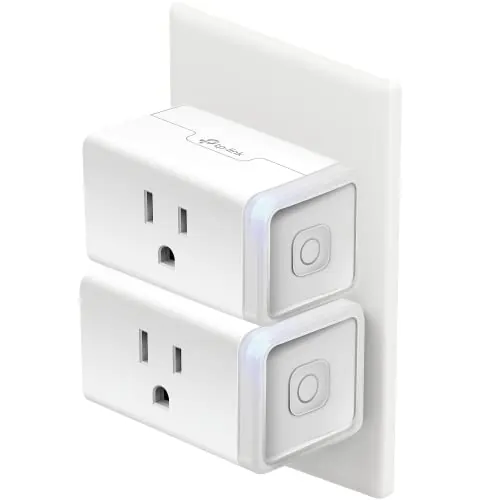
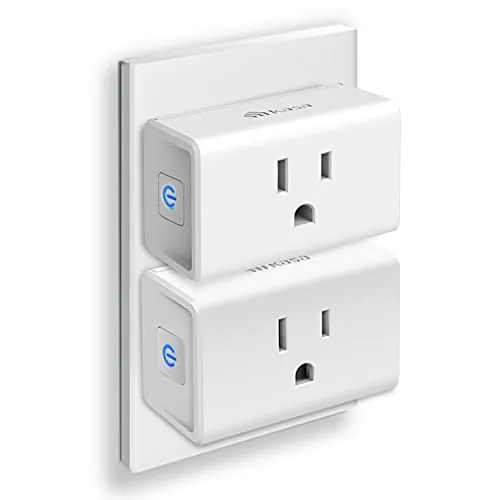
  • Compact mini-plug design that typically preserves access to the second outlet
  • Strong overall switching performance and widely reported day-to-day reliability
  • Works with Alexa and Google Home, and commonly used with Home Assistant setups
  • Can be used with local control on a LAN (useful for privacy-minded setups), per user reports
  • Easy app-based setup with firmware update support noted in reviews
  • Good value for buyers who want both switching and metering in one device

Cons

  • 2.4 GHz-only pairing is a common constraint and can be sensitive to outlet location/Wi‑Fi reception
  • Energy totals may not be reset in the Kasa app (workarounds mentioned by users)
  • Some scheduling/time-change quirks are reported by a few buyers
  • No outdoor weather rating provided; intended use is typically indoors or protected areas
  • Single-outlet control only (no dual independent sockets)
Kasa Smart Plug Mini with Energy Monitoring KP115

Final verdict

The better choice depends on where you’ll use the plug and whether you need energy data. The Kasa KP115 is the stronger all-around indoor smart plug: it’s compact, offers energy monitoring, and has stronger reliability sentiment in the provided information. Its main limitation is software friction for some users (energy-total resets and occasional scheduling/time-change quirks) plus 2.4 GHz-only setup.

The Kasa EP40 is the better outdoor specialist, with two independently controlled outlets, outdoor-focused scheduling (including sunrise/sunset offset), and an IP64-rated design. Its main downsides are bulkier placement and more mixed long-term reliability feedback. If it’s going outside, EP40 is the sensible pick; for most indoor rooms, KP115 is the better everyday solution.

Overall winner

Depends on your needs

Frequently asked questions

Which is better, Kasa EP40 or Kasa KP115?

It depends on where you’ll use it. The Kasa EP40 is purpose-built for outdoor outlets and gives you two independently controlled sockets plus sunrise/sunset scheduling. The Kasa KP115 is better for indoor use when you want a compact plug and energy monitoring to track consumption over time.

Which smart plug is better for outdoor holiday lights?

The Kasa EP40 is the more suitable choice for holiday lights outdoors because it’s designed for outdoor use (IP64 weather resistance) and offers two independently controlled outlets. It also supports scheduling features like sunrise/sunset offset, which can make seasonal lighting routines easier to automate.

Does the Kasa KP115 work with Home Assistant?

In the provided reviews, multiple buyers mention using the KP115 with Home Assistant, and one specifically highlights local/LAN control as a benefit for privacy-focused setups. Exact integration methods can vary by Home Assistant configuration, but user feedback indicates it’s commonly used in that ecosystem.

Which plug is easier to fit in tight spaces or behind furniture?

The Kasa KP115 is a mini plug and is repeatedly described as compact, with at least one reviewer noting it doesn’t block the second receptacle in a duplex outlet. The EP40 is an outdoor model with a short cable and dual outlets, which generally takes up more space and is better suited to outdoor placement.

Are these Kasa plugs Wi‑Fi only, or do they need a hub?

Both products are described as Wi‑Fi smart plugs that do not require a hub. Setup is done through the Kasa app, and both are used with Alexa and Google Home for voice control. Keep in mind that both are indicated as requiring a 2.4 GHz Wi‑Fi connection for pairing.

Which one is better for tracking electricity usage?

The Kasa KP115 is the clear pick if you want energy monitoring, since that feature is built in and discussed extensively in user feedback. Reviewers note you can view usage data, although some mention limitations such as resetting totals inside the Kasa app and using alternative tools to reset.

Do either of these have common connectivity issues?

Both have some reports of Wi‑Fi sensitivity. EP40 feedback includes users who say it’s rock-solid outdoors, but the aggregated review summary also notes some network connection issues and some early failures. KP115 reviews mention performance can depend on outlet location and Wi‑Fi reception.

Which is better for a privacy-conscious smart home setup?

Based on the provided reviews, the KP115 has stronger privacy-related feedback because at least one reviewer describes using it with local/LAN control and restricting internet access while keeping it usable. For the EP40, the provided data focuses more on outdoor use, scheduling, and voice assistants than privacy controls.

What’s the biggest practical difference between EP40 and KP115?

The EP40 is an outdoor dual-socket plug with independent control and weather resistance, meant for patios, yards, and seasonal lighting. The KP115 is a compact indoor-style smart plug that adds energy monitoring, making it better for tracking power usage of devices like dehumidifiers or electric blankets.

Related comparisons

Still not sure which one to choose?

Check our rankings and expert guides to find the best home lifestyle products for your goals.

View all rankings