#1 Overall Winner
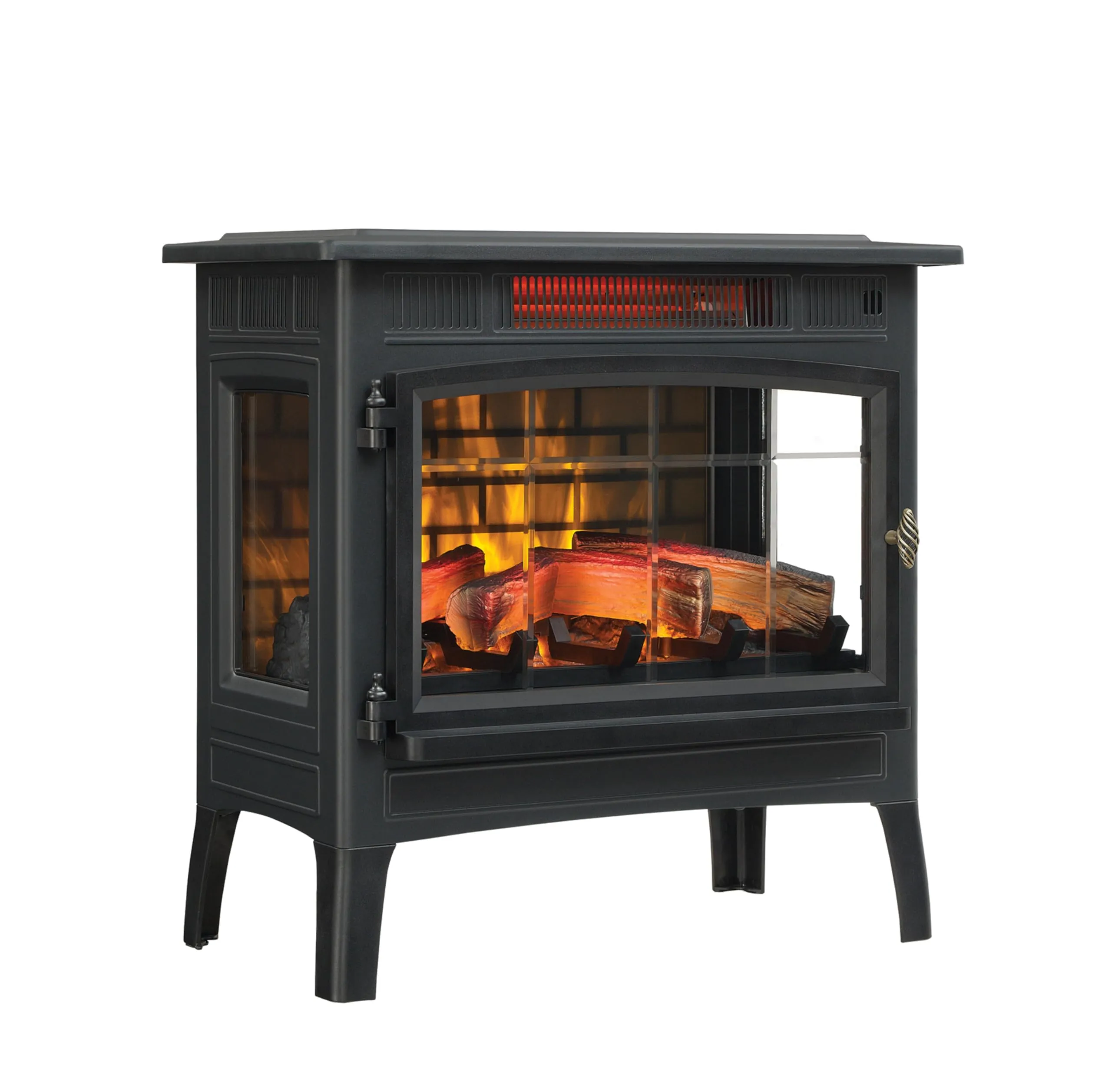
duraflame Freestanding Electric Fireplace Stove Heater with 3D Flame Effect for 1,000 Sq. Ft. Room, Black
- Realistic 3D flame effect with glowing logs, plus independent flame and heat control for year-round ambiance
Comparison
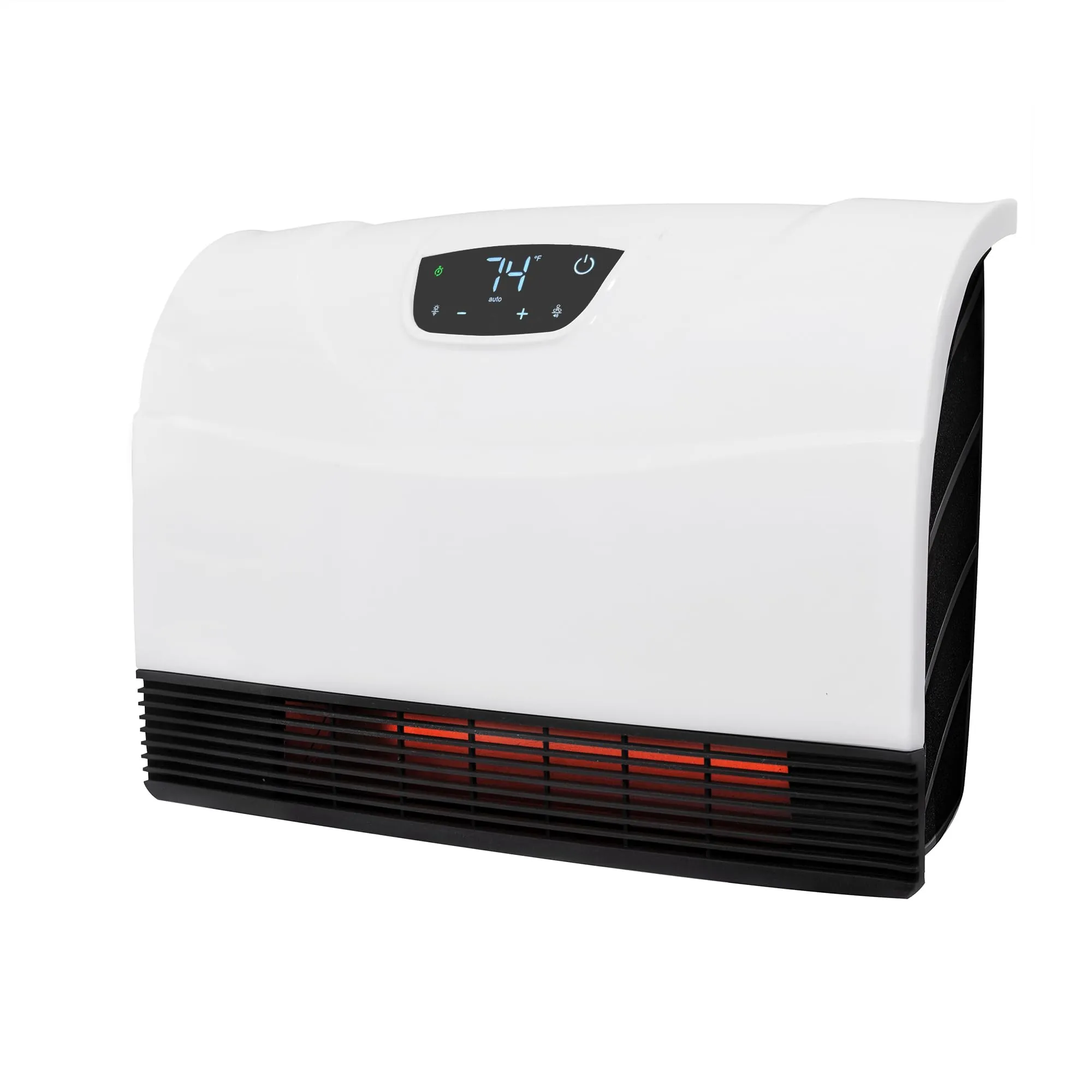
The duraflame freestanding electric fireplace stove and the Heat Storm HS-1500-PHX-WIFI are both 1500W infrared electric heaters designed for zone heating. duraflame focuses on a traditional fireplace look with a realistic 3D flame effect, while Heat Storm prioritises wall-mounted space saving and Wi-Fi/app control. Your best choice mainly depends on whether you want ambiance and portability, or smart control and minimal floor clutter.
#1 Overall Winner
Contender
Choose duraflame if you want a portable heater that also delivers a realistic fireplace look and cozy room vibe. Choose Heat Storm HS-1500-PHX-WIFI if you want a space-saving wall heater with quieter operation and the ability to control heat from your phone. Both work best as zone heaters in the rooms you actually use.
Overall winner
Depends on your needs
| Feature | duraflame Freestanding Electric Fireplace Stove Heater with 3D Flame Effect for 1,000 Sq. Ft. Room, Black | Heat Storm HS-1500-PHX-WIFI Infrared Heater, Wifi Wall Mounted | Winner |
|---|---|---|---|
| Type & placement | Freestanding electric fireplace stove | Wall-mounted infrared heater | Depends |
| Heat output class (listed) | 1500W / 5200 BTU | 1500W / 5200 BTU | Tie |
| Heating coverage (listed) | Up to 1,000 sq ft (stated) | Up to 150 sq ft primary; up to 750 sq ft supplemental (stated) | duraflame Freestanding Electric Fireplace Stove Heater with 3D Flame Effect for 1,000 Sq. Ft. Room, Black |
| Ambiance / visual effect | 3D flame effect + glowing logs | None specified | duraflame Freestanding Electric Fireplace Stove Heater with 3D Flame Effect for 1,000 Sq. Ft. Room, Black |
| Smart controls | No app/Wi-Fi; remote included | Wi-Fi + app control; remote included | Heat Storm HS-1500-PHX-WIFI Infrared Heater, Wifi Wall Mounted |
| Ease of use | Hidden, non-illuminated controls; mixed remote feedback | Touchscreen + app; generally easy setup | Heat Storm HS-1500-PHX-WIFI Infrared Heater, Wifi Wall Mounted |
| Noise (buyer feedback) | Mixed (some quiet, some loud fan) | Often described as quiet; some minor noise notes | Heat Storm HS-1500-PHX-WIFI Infrared Heater, Wifi Wall Mounted |
| Space efficiency | Takes floor space | Wall-mounted, cord can be hidden | Heat Storm HS-1500-PHX-WIFI Infrared Heater, Wifi Wall Mounted |
| Portability | Portable; can be moved room to room | Not portable once installed | duraflame Freestanding Electric Fireplace Stove Heater with 3D Flame Effect for 1,000 Sq. Ft. Room, Black |
| Maintenance approach | General dust care; no filter system specified | Washable side filters | Heat Storm HS-1500-PHX-WIFI Infrared Heater, Wifi Wall Mounted |
| Thermostat behavior (reviews) | Can be finicky; may need adjustments | Mixed accuracy; some report inaccurate readings or presets issues | Depends |
| Design style | Traditional stove look, black finish | Modern white wall heater | Depends |
| Installation | Attach legs; place and plug in | Wall mount with template; plugs into outlet | Depends |
| Overall household fit | Ambiance + heat for living areas | Practical zone heating for small rooms | Depends |
For daily living, duraflame tends to suit shared spaces where you want both heat and a cozy visual centerpiece—many people run the flame effect for hours even when they don’t need heat. Heat Storm is more utilitarian: it’s well suited to bedrooms, bathrooms, and offices where you want quiet, consistent zone heating and the convenience of adjusting settings remotely. If you expect to move a heater between rooms, duraflame is the easier match; if you want a “set it and manage it” wall solution, Heat Storm fits better.
Both products are designed to improve cold-room comfort using electric infrared heating, and buyer feedback suggests they can take the chill out of a room quickly when used within reasonable expectations. duraflame adds comfort in a different way: the flame visuals and adjustable brightness can make a room feel warmer and more relaxing, even with the heat off. Heat Storm’s comfort advantage is control—Wi-Fi/app access makes it easier to pre-warm a room or tweak temperature without getting up, which can matter in bedrooms and nurseries.
Both heaters are in the same power class (1500W) and reviews for each frequently describe effective zone heating. duraflame owners often mention quick warming and strong heat output for supplemental use, plus the option to run flames without heat. Heat Storm is also widely described as effective, especially when the room is closed off and insulated, and several users report it maintains comfortable temperatures in bedrooms, basements, and garages. Neither is immune to thermostat-related complaints, so precise temperature control may take some trial and error in real homes.
duraflame stands out for long-term reliability anecdotes, with multiple owners describing years of seasonal use where heat and flame effects still work as expected. The most repeated reliability-like negatives are not total failures, but usability irritations (fan noise variability, remote usefulness, and thermostat behavior). Heat Storm also has positive multi-year feedback, but its “reliability” complaints more often revolve around thermostat accuracy and app scheduling consistency rather than heat output. If you want the simplest path with fewer software variables, duraflame may feel more predictable.
Both heaters provide adjustable thermostat-based control, but neither has universally perfect temperature accuracy based on reviews. duraflame owners sometimes describe the thermostat as finicky, with room comfort requiring occasional adjustment. Heat Storm includes a digital thermostat and app-based settings, which can make control easier, but buyer feedback includes mixed reports about temperature readings and some scheduling behavior. For the most stable results with either heater, expectations, insulation, and room layout still matter.
Both are electric, vent-free heaters, so safe placement and proper power use matter. Reviews for duraflame note that the unit’s body may not get extremely hot, but the hot air exhaust can be strong; owners also recommend plugging directly into a wall outlet rather than using extension cords or power strips. Heat Storm includes safety-related features in its listing (such as tip-over safety shut off) and is often described as staying cool to the touch, though at least one review notes the heat outlet can feel hot depending on settings—so installing it out of reach of toddlers is sensible. For either heater, keep clearance around vents and avoid unattended misuse.
duraflame excels at “felt comfort” because it adds a fireplace-like glow alongside heat, and it can run the flame effect year-round even when heat isn’t needed. Heat Storm’s comfort strength is practical: it’s easy to mount, saves space, and its Wi-Fi controls let you tweak settings without getting up—useful for bedtime, bathrooms, and early mornings. If comfort to you means atmosphere, duraflame leads; if comfort means convenience and quiet warmth, Heat Storm may suit better.
Heat Storm is generally easier to live with day to day: the touchscreen and app can reduce fiddling, and many users describe setup and control as straightforward. duraflame is simple to start using (attach legs and plug in), but usability can be less convenient at night because controls sit behind the door and are not illuminated. Remote feedback is mixed for both products, though Heat Storm’s app control can reduce reliance on the remote.
duraflame is designed to look like a classic stove: side windows, a brick-style back panel, and flame visuals that can become part of the room’s atmosphere. It has a larger footprint and will be visually prominent. Heat Storm is designed to blend in—flat, wall-mounted, and white—while freeing up floor space. If your priority is décor impact, duraflame stands out; if you want a minimal heater that doesn’t compete with furniture placement, Heat Storm is easier to accommodate.
The two products frame coverage differently. duraflame is marketed for heating coverage up to 1,000 sq ft, and many owners describe it as strong for supplemental heating in living spaces. Heat Storm is more specific: it lists a smaller area for primary heat (in a well-insulated room) and a larger area for supplemental zone heating depending on insulation. In practice, Heat Storm is often chosen for smaller rooms, while duraflame is more often used where both coverage and ambiance matter.
Heat Storm wins for space efficiency because it mounts on the wall and is intended to reduce cord clutter by hiding the cord when installed over an outlet. This can be a big benefit in small bedrooms, bathrooms, and offices. duraflame takes up floor space and has a more furniture-like footprint, which can be worth it if you want the fireplace aesthetic, but it’s less flexible in tight layouts.
Heat Storm tends to be the better pick for noise-sensitive rooms, with multiple reviewers noting it doesn’t disturb TV or sleep and describing it as quiet overall. duraflame has more divided feedback: some find it reasonably quiet, while others report a loud fan. If the heater will be used in a bedroom, nursery, or office where background noise matters, Heat Storm has the more consistent buyer sentiment.
duraflame is quick to set up: attach the legs and place it where you want it, then plug directly into a wall outlet. Heat Storm requires wall mounting, but many buyers say it takes only minutes and appreciate the space-saving result. Heat Storm’s Wi-Fi setup adds an extra step, which is a benefit if you use the app and a potential frustration if you don’t want connectivity. If you rent or rearrange often, duraflame is easier; if you want a fixed, tidy install, Heat Storm is designed for that.
duraflame uses a metal-and-glass stove-style build, and reviews frequently describe it as well constructed, with notable long-term ownership reports where units keep working season after season. Heat Storm’s build is lighter and purpose-built for the wall, with users generally satisfied but with fewer provided comments focused specifically on materials. If you prioritise a more furniture-like presence and long-term “kept it for years” feedback, duraflame has the edge; Heat Storm still appears solid for its intended wall-heater role.
duraflame has stronger durability signals in the provided reviews, including owners reporting units still functioning well after many years of seasonal use and storage. Heat Storm has positive reports over a couple of years, but fewer durability-specific details are provided beyond “still works” and general satisfaction. Because Heat Storm is wall-mounted and lighter, durability will also depend on secure mounting and keeping filters clean. Based on the available long-term feedback, duraflame appears more proven over time.
Heat Storm is the more maintenance-structured product: it includes washable filters and reviewers mention cleaning them, with easy-access doors. That’s a clear routine, but it does mean you need to keep up with filter care. duraflame maintenance is more about general dust control and sensible seasonal storage; owners describe storing it away and removing remote batteries. If you prefer a heater without filter upkeep, duraflame is simpler; if you like having filters you can wash and maintain, Heat Storm is better equipped.
duraflame is far more portable: it’s a freestanding unit you can carry between rooms and even store seasonally. Heat Storm is designed to be mounted to the wall and is not a “move it around the house” heater. If you want one heater to cover different rooms depending on time of day, duraflame is the better match; if you want a dedicated heater for a specific room, Heat Storm makes more sense.
duraflame’s standout features are comfort-and-ambiance focused: 3D flame effect, glowing logs, adjustable flame brightness, independent flame/heat controls, and a timed shut-off. Heat Storm’s features are convenience-and-space focused: wall mounting, Wi-Fi/app control, touchscreen digital thermostat, remote control, washable filters, and the ability to hide the power cord when installed over an outlet. If you want “fireplace atmosphere,” duraflame wins; if you want connected control and a cleaner footprint, Heat Storm has the more functional feature set.
Heat Storm’s app control is a major advantage for convenience, especially if you want to pre-warm a room or manage multiple heaters. However, reviews are mixed on programmability and scheduling: some users find it reliable and easy, while others say presets can be ignored or behave unexpectedly and they end up adjusting on the unit. duraflame has no app experience to evaluate, which may appeal if you want to avoid software frustrations entirely.
Only Heat Storm meaningfully plays in the smart home space. Its Wi-Fi features and app control let you manage temperature and schedules remotely, and reviews mention voice assistant use (such as Alexa and Google). The duraflame stove includes a remote but does not include app control or integrations in the provided data. If smart routines and remote adjustments are part of your household, Heat Storm is the more compatible choice.
Heat Storm is the clear leader for smart routines because it’s designed around Wi-Fi control, enabling remote adjustments and schedules from a phone. Reviews also mention voice assistant control, which can be helpful for hands-free temperature changes. duraflame does not include smart connectivity in the provided data, so it’s better for users who prefer offline operation and simple, local controls. If you want automation-like convenience, Heat Storm is the only real option here.
Heat Storm offers more automation potential because it supports Wi-Fi control and scheduling. That can reduce wasted heating by letting you run a room only when needed, though some reviews report that programmed presets can be inconsistent. duraflame is more manual: it includes a timed shut-off and a remote, but it’s not designed for advanced routines. If automation is a priority, Heat Storm is the more capable choice.
Only Heat Storm includes connectivity features in the provided data. It connects via Wi-Fi and mentions one-touch Bluetooth connect for setup, and reviews generally describe stable connection and quick pairing, though some users expected longer-distance control than their setup allowed. duraflame is not a connected heater; it avoids Wi-Fi variables but also can’t be controlled from outside the room.
Both heaters are commonly used for zone heating—warming the room you’re in rather than heating the whole house—which can help manage energy use depending on your routine. Reviews for both mention savings when used strategically, but real costs will still depend on runtime, insulation, and thermostat settings. Heat Storm’s scheduling and remote control can help avoid heating an empty room, while duraflame’s flame-only mode can provide ambiance without running the heater.
Only Heat Storm raises privacy considerations because it uses Wi-Fi and a phone app for control. That can involve account use, network access, and app permissions depending on how you set it up. If you prefer a heater that stays fully offline, duraflame avoids this issue entirely. If you choose Heat Storm, it’s worth using a strong Wi-Fi password and keeping your phone and app up to date.
Heat Storm is the lower-priced option and adds Wi-Fi/app control plus strong space efficiency, which can be excellent value if you’ll actually use those features. duraflame costs more, but part of what you’re paying for is the fireplace presentation (3D flames, glowing logs, traditional styling) and very strong customer satisfaction with notable long-term ownership reports. Value here depends on intent: if you want a dedicated wall heater for a small room, Heat Storm is hard to ignore; if you want heat plus décor and year-round ambiance, duraflame’s added cost can be justified.
Both products have very large review counts and strong average ratings, which suggests broad market adoption. duraflame’s trust signal in the provided data is repeated long-term ownership feedback where units continue working across multiple winters. Heat Storm’s trust signal is consistency in “easy install + effective zone heating” reviews and the fact that connectivity is a real differentiator many users rely on. If you value proven longevity stories, duraflame has more of them in the provided reviews; if you value modern control features, Heat Storm’s offering is more aligned.
Both heaters have the same star rating and similarly high review volume, indicating generally high satisfaction. duraflame reviews repeatedly praise the realistic flame look, fast warming, appearance, and overall value, with mixed comments on fan noise and remote usefulness. Heat Storm reviews frequently highlight effective zone heating, quick installation, quiet operation, and the convenience of Wi-Fi control, with mixed feedback on thermostat accuracy and some complaints about scheduling reliability. In short: duraflame wins on ambiance satisfaction; Heat Storm wins on convenience and noise-related satisfaction.
Warranty terms aren’t provided in the product data here, so the most useful signals come from buyer feedback. duraflame has multiple reviews describing multi-year use without major problems, which can reduce the need for support. Heat Storm users often report smooth setup and ongoing use, but app and scheduling issues can create “support-like” friction even if the heater still works well. Before buying, check the seller’s current warranty and return policy.
Neither heater is a universal winner because they’re built for different households. The duraflame is the better choice if you want a traditional fireplace look with realistic flames and a portable heater you can place where it looks right; its biggest downsides are mixed fan-noise reports and controls that aren’t the easiest to see or fine-tune. The Heat Storm HS-1500-PHX-WIFI is the better choice for small rooms and modern routines, with wall-mounted space savings, generally quieter operation, and Wi-Fi/app control; its main limitations are mixed thermostat/app scheduling feedback and the fact it’s not portable once installed.
If you want ambiance and flexibility, pick duraflame. If you want smart, space-efficient zone heating, pick Heat Storm.
Overall winner
Depends on your needs
If you want heat plus a fireplace look, the duraflame model is the better fit because the 3D flame effect and traditional stove design are core to the experience. If you want a space-saving heater with phone control, Heat Storm is usually the more practical choice thanks to its wall mount and Wi-Fi features. Both are best used for zone heating rather than whole-home heating.
Heat Storm is typically easier for small spaces because it mounts on the wall and doesn’t take up floor area. The duraflame stove has a larger footprint and needs safe clearance like any freestanding heater, but it can work well in small rooms if you specifically want the fireplace ambiance and you have a suitable spot to place it.
Heat Storm is more consistently described as quiet in reviews, including use around TV and sleep. The duraflame fireplace stove has mixed noise feedback: some owners find it relatively quiet, while others report a loud fan. If noise sensitivity is a priority, Heat Storm has the stronger buyer feedback overall.
Heat Storm tends to be easier for daily adjustments because it has a touchscreen digital thermostat and can be controlled from a phone over Wi-Fi. The duraflame stove works well, but its controls are behind the door and are not illuminated, and the remote experience is mixed. If you expect frequent temperature changes, Heat Storm is generally more convenient.
Both can be used for zone heating, and some users do rely on them heavily in specific rooms. However, expectations matter: reviews for both note better results when the space is closed off and reasonably insulated. The Heat Storm listing specifies a smaller primary coverage area, while duraflame is commonly described as a strong supplemental heater with added ambiance.
The duraflame unit is freestanding and mainly requires attaching the legs, then placing it where you want it and plugging it in. Heat Storm requires wall mounting and is designed to sit over an outlet so the cord can be hidden inside the unit. Many users say Heat Storm installation is quick, but it’s still a more permanent setup.
duraflame has notable long-term owner feedback describing multi-year use with consistent heating and flame operation, though noise and controls can be hit-or-miss. Heat Storm reviews include long-term positive reports as well, but there is recurring mixed feedback about thermostat accuracy and some complaints about app scheduling behaving inconsistently for certain users.
Wi-Fi can be useful if you want to warm a room before you enter it, adjust settings from bed, or manage multiple heaters from one app. That’s a key advantage of the Heat Storm model. If you don’t want app setup, accounts, or connectivity variables, the duraflame stove keeps things simpler with manual controls and a basic remote.
For ambiance, the duraflame stove is clearly ahead: it’s designed to look like a fireplace, with 3D flames, glowing logs, and the option to run flames without heat. Heat Storm focuses on practical comfort and space-saving heat delivery rather than visuals. Choose based on whether “fireplace feel” is important to your room.
Check our rankings and expert guides to find the best home lifestyle products for your goals.