
#1 Overall Winner
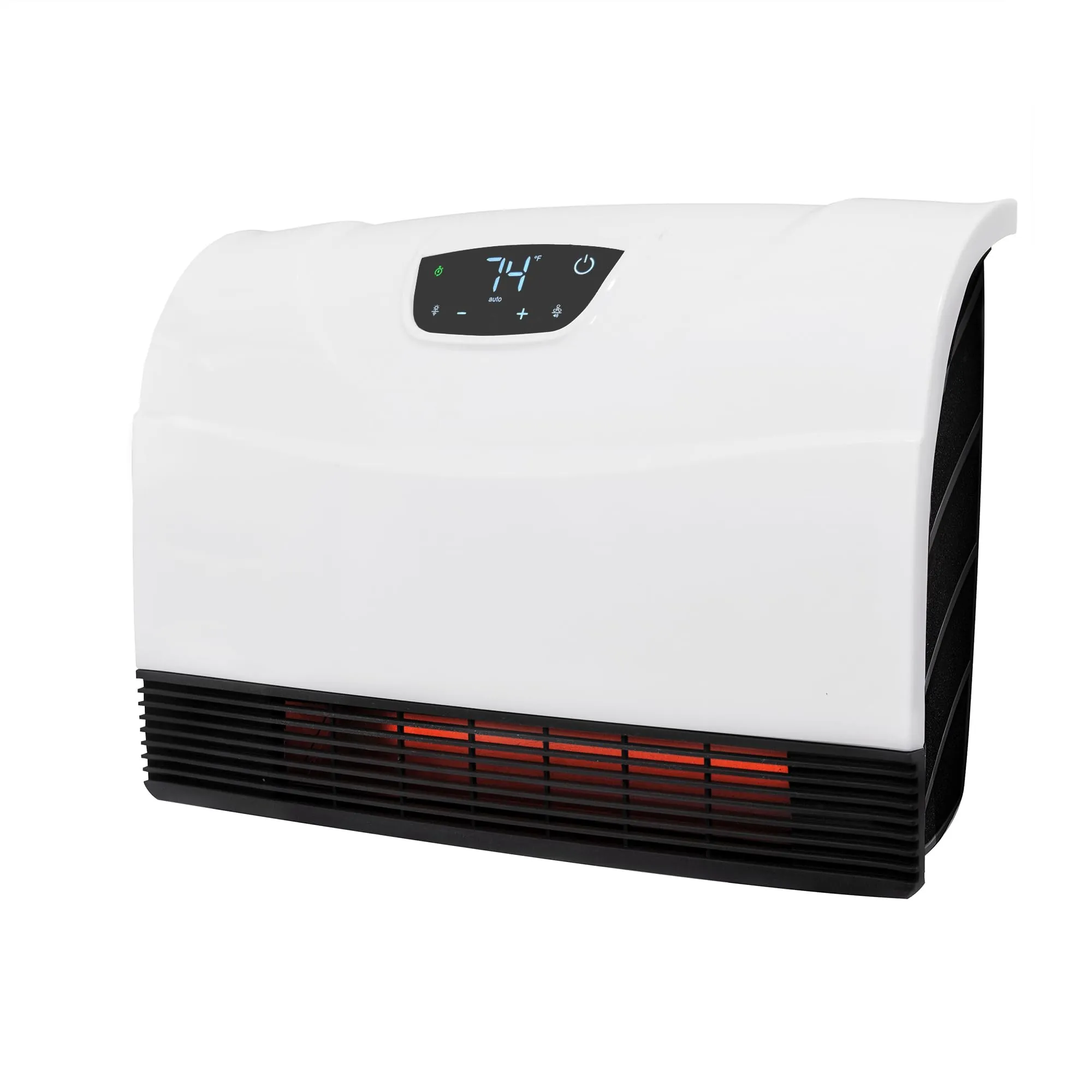
Heat Storm HS-1500-PHX-WIFI Infrared Heater (Wall Mounted)
- Wall-mounted design saves floor space and can hide the power cord when installed over an outlet.
Comparison
The Heat Storm HS-1500-PHX-WIFI and Lasko 6435 are both 1500W electric space heaters aimed at small-room zone heating. Heat Storm focuses on wall-mounted, space-saving infrared heat with Wi‑Fi control, while Lasko leans on portability, oscillation, and a simple timer/remote setup. The better pick depends on whether you want a fixed smart heater or a move-anywhere tower.
#1 Overall Winner
Contender
Pick the Heat Storm HS-1500-PHX-WIFI if you want a wall-mounted heater that frees up floor space and you’ll actually use Wi‑Fi control and scheduling. Choose the Lasko 6435 if you want an affordable, portable heater with oscillation, a timer, and a remote for quick comfort in small rooms. For households worried about tip-overs, Heat Storm has the clearer advantage.
Overall winner
Depends on your needs
| Feature | Heat Storm HS-1500-PHX-WIFI Infrared Heater (Wall Mounted) | Lasko 6435 Oscillating Designer Ceramic Tower Space Heater | Winner |
|---|---|---|---|
| Type / form factor | Wall-mounted cabinet heater | Portable tower heater | Depends |
| Heating method | Infrared (radiant) | Ceramic forced air | Depends |
| Power | 1500W | 1500W | Tie |
| Room coverage (stated) | Up to 150 sq ft primary; up to 750 sq ft supplemental (depends on insulation) | Heating coverage: 150 (listed) | Depends |
| Controls | Touchscreen thermostat + remote + Wi‑Fi app | Top-mounted electronic controls + remote | Heat Storm HS-1500-PHX-WIFI Infrared Heater (Wall Mounted) |
| Timer / scheduling | Custom schedules via app (timer behavior varies by user feedback) | 7-hour auto-off timer | Depends |
| Oscillation | Not listed | Widespread oscillation | Lasko 6435 Oscillating Designer Ceramic Tower Space Heater |
| Installation / setup | Wall mounting required; plugs into standard outlet | Ready to use, fully assembled | Lasko 6435 Oscillating Designer Ceramic Tower Space Heater |
| Portability | Low (mounted; heavier) | High (lightweight, movable) | Lasko 6435 Oscillating Designer Ceramic Tower Space Heater |
| Space efficiency | Excellent (no floor space; cord can be hidden) | Very good (small footprint) | Heat Storm HS-1500-PHX-WIFI Infrared Heater (Wall Mounted) |
| Noise (buyer sentiment + design intent) | Generally quiet; bedroom-friendly feedback | Generally quiet; fan-based heater | Tie |
| Safety feature: tip-over shutoff | Tip-over safety shutoff listed | Reported in reviews as no tip-over shutoff | Heat Storm HS-1500-PHX-WIFI Infrared Heater (Wall Mounted) |
| Maintenance | Washable filters (side) | Basic dust cleaning (no filter noted) | Depends |
| Warranty / support | Not provided in data | 3-year limited warranty listed | Lasko 6435 Oscillating Designer Ceramic Tower Space Heater |
| Price | $127.99 | $51.06 | Lasko 6435 Oscillating Designer Ceramic Tower Space Heater |
For everyday home use, the Heat Storm works best as a “set location” heater—mounted on the wall in a bedroom, bathroom, or office where you want steady zone heat without giving up floor space. The Lasko fits better as a flexible household heater you can carry from room to room, especially when you only need occasional warmth. If your routine includes pre-heating a room before you enter, Heat Storm’s phone control can be genuinely useful; if you prefer a simple, no-app heater, Lasko’s controls are more straightforward.
Both products are comfort-focused and designed to take the chill out of a room. Heat Storm’s infrared approach is often described by buyers as cozy for bedrooms and bathrooms, and it’s commonly used to reduce reliance on central heat through room-by-room heating. The Lasko’s forced-air ceramic heat can feel more like a quick warm breeze, and oscillation helps distribute heat across a small space. Your preference may come down to whether you want a fixed, wall-mounted comfort zone (Heat Storm) or a portable heater you can aim where you’re sitting (Lasko).
Both heaters are strong performers for small-room heating, with buyers frequently reporting noticeable comfort improvements and quick warm-ups. Heat Storm stands out when used as true zone heat in closed-off, reasonably insulated spaces, and many reviews mention steady temperature holding and quiet operation. Lasko also gets consistent praise for warming rooms quickly, with oscillation helping the heat reach more of the room.
Performance limits show up in the same place for both: larger, drafty, or poorly insulated areas reduce effectiveness. Heat Storm’s thermostat/app behavior is also a recurring “it works, but…” theme for some households.
Both heaters have strong long-term satisfaction signals in reviews, including people buying multiples and reporting multi-season use. Heat Storm reliability feedback is generally positive for heating and connectivity, but “reliability” concerns show up more in thermostat/schedule accuracy than outright failure. Lasko reviews commonly describe steady performance over years with no service problems.
The most notable reliability-related risk in the data is functional safety behavior: Lasko is reported not to shut off when tipped, which can turn a minor accident into a bigger concern if a heater gets knocked over and continues running.
Both units offer thermostat-based control, but their real-world “climate control” experience differs. Heat Storm provides infrared heating and includes Wi‑Fi/app controls for scheduling; however, thermostat accuracy and schedule behavior receive mixed feedback, so some households may rely more on manual adjustments. Lasko offers a simpler thermostat and a 7-hour timer, which many users find reliable for daily routines, plus oscillation to help distribute warmth. If you want remote control from outside the home, Heat Storm is the only option here.
Safety differences are significant. Heat Storm lists a tip-over safety shutoff and is designed to be wall mounted, which reduces the chance of accidental knocks in high-traffic rooms. Reviews also commonly describe it as cool enough on the exterior to feel safer around kids and pets, though it can still get hot at the heat outlet depending on settings, so placement height matters.
Lasko lists overheat protection and a cool-touch exterior, but reviews explicitly warn that it does not have a tip-over shutoff and can continue operating when tipped. If you have pets, children, or a crowded room where a heater might be bumped, that factor should carry a lot of weight.
Heat Storm tends to deliver strong “set it and forget it” comfort for a dedicated room, especially when the room is insulated and doors are kept closed. Reviews often describe the room feeling cozy without being disruptive, and the wall-mount keeps the heater out of the way.
Lasko’s comfort advantage is directional and flexible: you can move it closer to where you sit and use oscillation to spread warmth. If you like immediate warm airflow at your feet or desk, Lasko may feel more responsive in short sessions.
Lasko is easier for most people day one: it comes assembled, you plug it in, set heat level/thermostat, and optionally use the timer or remote. Heat Storm can still be easy to live with, but it adds steps—mounting on the wall and pairing Wi‑Fi/app if you want smart control. Several Heat Storm buyers like the app convenience, though a few mention scheduling can be inconsistent, which may push you back to manual control.
Heat Storm prioritizes functional design: it mounts to the wall, saves floor space, and can conceal the cord when installed over an outlet—useful in bathrooms, bedrooms, and tight offices. Controls include a touchscreen plus remote and app.
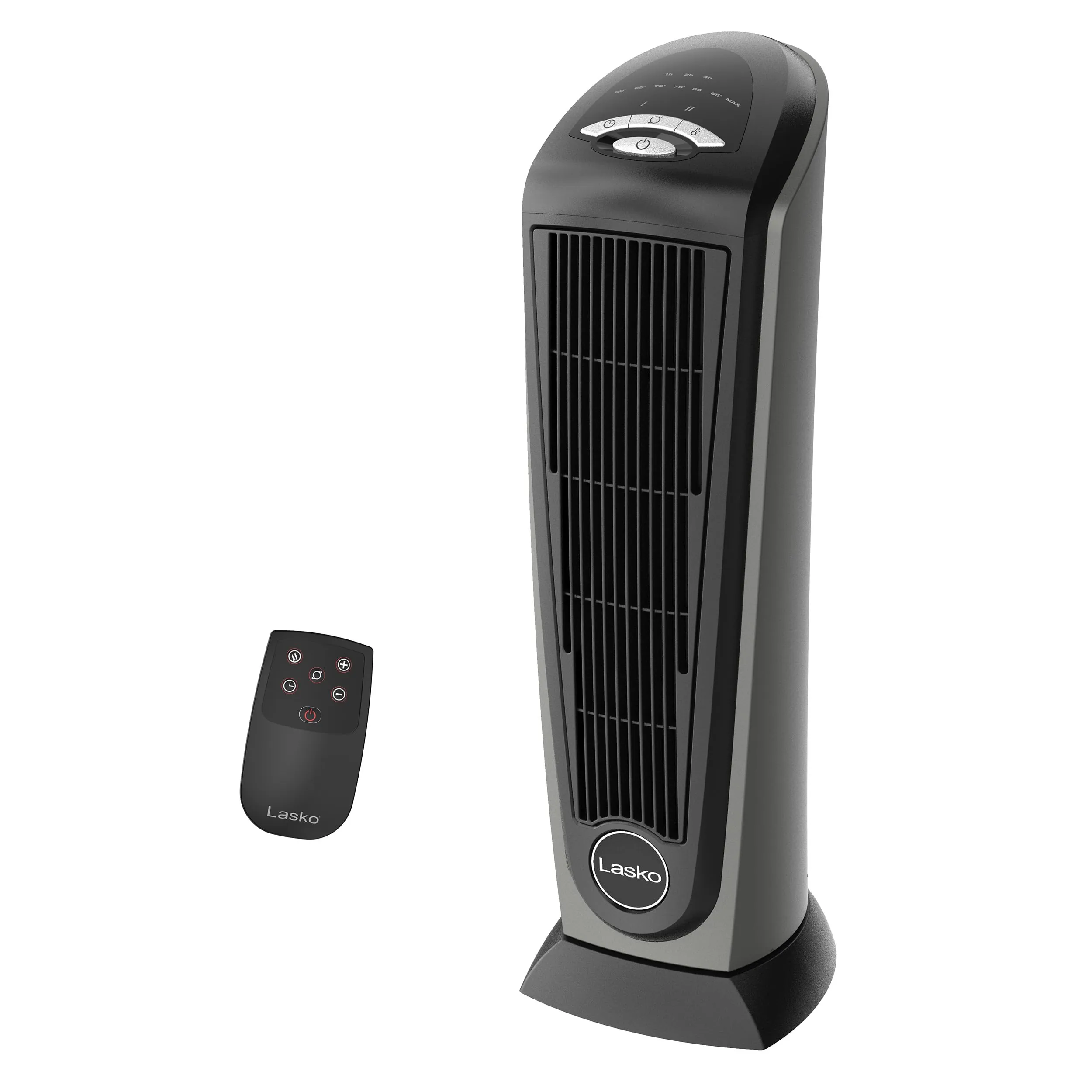
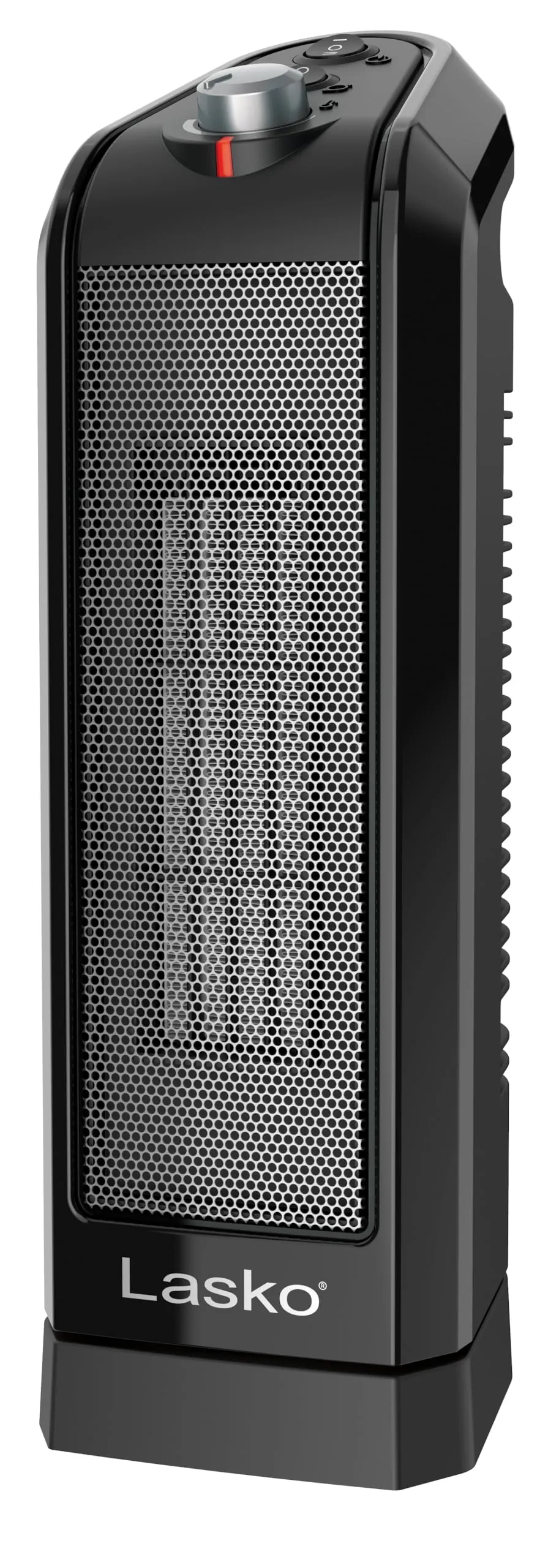
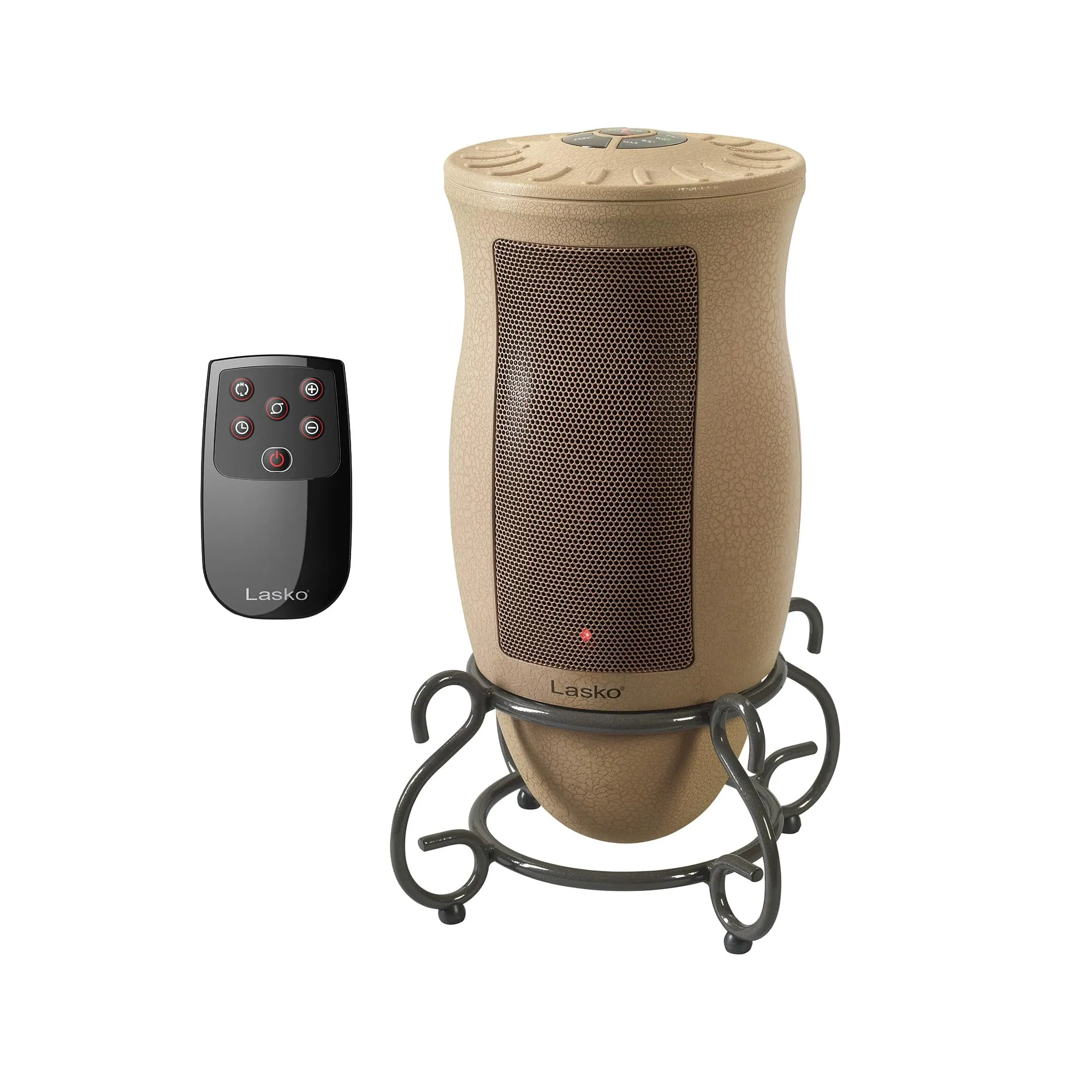
Lasko is designed to blend into décor as a small tower, with top-mounted controls and a compact footprint. Oscillation is integrated into the design for better room coverage. If you dislike seeing “appliance-like” heaters, Lasko’s decorative approach may be the easier living-room fit.
Both heaters are aimed at small-room coverage, but their positioning differs. Heat Storm is described as up to 150 sq ft as a primary heat source in a well-insulated room, and up to 750 sq ft as supplemental heat depending on insulation. Lasko lists heating coverage of 150, aligning with typical small-bedroom or office use.
In practice, either can work well in closed rooms, but Heat Storm’s guidance (and reviews) repeatedly emphasize insulation and draft control for best results.
Heat Storm is the more space-efficient choice in tight rooms because it mounts on the wall and can conceal the cord when installed over an outlet. That’s helpful in bathrooms, small bedrooms, and offices where a floor heater might be in the way.
Lasko is still compact and has a small footprint, but it does require floor placement with clearance around it. In very small rooms or narrow walkways, wall mounting can be the cleaner solution.
Noise is a strength for both. Heat Storm is repeatedly described as quiet enough for sleep and TV, which matters in bedrooms and nurseries. Lasko is also commonly called quiet, though it’s a forced-air design, so you may notice fan sound more than you would with a purely radiant feel. If you’re highly noise-sensitive, placement and heat setting will matter for either model.
Heat Storm requires wall installation, but buyers often describe it as quick and easy with the included template. Because it’s designed to plug into a regular household outlet, you’re not dealing with hardwiring, but you do need the right wall space and an outlet location that makes sense for cord management.
Lasko requires essentially no installation: it arrives assembled and is ready to use after you plug it in. For renters or anyone who doesn’t want to drill or mount hardware, Lasko is the simpler option.
Heat Storm’s wall-mounted cabinet format and higher weight suggest a more “installed appliance” feel, and buyers often describe it as reliable over seasons of use. It also includes filter doors and side filters that need to fit securely for ongoing maintenance.
Lasko’s tower is lightweight and designed for portability. Reviews generally like the design and stability, though the safety discussion around tipping means build and base stability are worth paying attention to in real homes (especially with pets or children).
Heat Storm reviews include examples of multi-year use with continued satisfaction, and the wall-mounted format can reduce knocks, bumps, and tip-related accidents that shorten heater life. Still, it includes moving parts (fan) and filter doors that should hold up to repeated maintenance.
Lasko also has reports of units still working after years, and its light weight makes it easy to store between seasons. However, because it’s portable, it may be more exposed to being bumped, moved, or tipped, which can impact long-term durability in busy households.
Heat Storm has a clearer maintenance routine because it includes washable filters on the sides; users mention cleaning and letting filters air dry. That’s a small ongoing task but can help keep airflow consistent.
Lasko maintenance is more basic—mostly keeping dust from building up and ensuring safe placement. If you prefer the simplest upkeep with fewer parts to wash, Lasko is easier. If you’re comfortable doing periodic filter cleaning, Heat Storm’s approach is still straightforward.
Lasko is the clear winner for portability. It’s lightweight and designed to move from a bedroom to an office or living room as needed, which helps if you only want to heat the room you’re currently using.
Heat Storm is not intended to be moved frequently; it’s wall-mounted and heavier. In return, it keeps floor space clear and avoids the day-to-day hassle of repositioning a heater or finding a safe spot each time.
Heat Storm’s headline features are wall mounting, Wi‑Fi control, touchscreen thermostat, remote control, and washable filters. It’s built for a more permanent install and includes app-based scheduling for hands-off routines.
Lasko’s feature set centers on practicality: two heat settings, oscillation, adjustable thermostat, a 7-hour auto-off timer, and a remote. It does not include Wi‑Fi/app control, but for many households, the simple timer + oscillation combo is exactly what they want in a budget heater.
Heat Storm includes app control for temperature and scheduling, and some users find it convenient and reliable for turning heat on before entering a room. That said, buyer feedback is mixed on how well the heater follows programmed schedules, and a few people describe the heater as occasionally ignoring presets. The Lasko 6435 does not include an app, so there’s no software learning curve—control is handled through the heater’s top panel, the remote, and the timer.
The Heat Storm HS-1500-PHX-WIFI is the clear smart-home option here, with Wi‑Fi control and app-based scheduling, plus remote control and a touchscreen thermostat. The Lasko 6435 doesn’t list any app connectivity; it focuses on traditional controls like a timer, thermostat, oscillation, and remote. If you want phone control or to manage multiple heaters through an app, Heat Storm is the more relevant choice.
Heat Storm is the more advanced option for smart routines because it supports Wi‑Fi control, app scheduling, and phone-based temperature changes. Several reviews describe controlling multiple units through the app and using voice assistants, though there are also complaints that scheduled presets don’t always behave consistently. Lasko has no smart platform in the provided information; its “automation” is limited to thermostat cycling and the built-in timer, which is often enough for straightforward bedtime or work-session heating.
Heat Storm can be more hands-off if scheduling works well in your home, since you can set routines and control it remotely. Lasko’s automation is simpler: set a temperature and let the thermostat cycle, plus use the 7-hour timer to avoid leaving it on too long. If you want basic, predictable automation without app dependence, Lasko’s approach may feel more straightforward; if you want remote routines, Heat Storm is the only choice here.
Connectivity is only relevant for Heat Storm, since it is Wi‑Fi enabled and described as offering one-touch Bluetooth connection for setup. Many users report solid day-to-day connectivity, but there are also reports of app behavior and scheduling not always matching expectations. Lasko does not list Wi‑Fi or Bluetooth connectivity, which can be a benefit if you prefer a heater that doesn’t rely on network setup at all.
Efficiency outcomes depend heavily on how you use each heater (set temperature, runtime, and how well the room is sealed). Heat Storm reviews often discuss using it for zone heating to reduce whole-home heating, with some buyers feeling it helps manage bills when used realistically. Lasko reviews also describe using it to keep one room comfortable while lowering the main thermostat.
Neither product includes detailed energy monitoring in the provided specs, so the most efficient choice is usually the one that best matches room size and avoids overheating a space.
Privacy is mainly relevant for Heat Storm because it is Wi‑Fi enabled and app controlled. Using app control typically means your heater settings and device access depend on an account/app environment, so it’s worth being comfortable with that trade-off in a bedroom or nursery. The Lasko 6435 does not list app connectivity, so there’s no account, pairing, or network-related privacy consideration in the provided information.
The value call depends on whether you’ll use the extra features. The Lasko 6435 is dramatically cheaper while still providing thermostat control, oscillation, a timer, and a remote—features many people want for simple bedroom or office heating. It also includes a 3-year limited warranty, which adds peace of mind for the price.
Heat Storm costs more, but can justify it if wall mounting solves a real space problem or if Wi‑Fi control and scheduling meaningfully fit your routine (like preheating a bathroom). If you won’t use the app or you need portability, the extra spend is harder to justify.
Both products have strong review volume and high buyer ratings, which suggests broad real-world adoption. Lasko provides clear warranty information in the listing, which can increase confidence for cautious buyers. Heat Storm is well-reviewed for performance and convenience, but the information provided here is less specific on warranty/support terms. If warranty clarity is a top priority, Lasko has the advantage based on the provided data.
Both heaters have very high review counts and strong star ratings, indicating lots of satisfied buyers using them for everyday comfort. Heat Storm owners often praise heating effectiveness, quiet operation, easy wall installation, and the convenience of Wi‑Fi control, while the most repeated complaint area is thermostat/app schedule accuracy.
Lasko buyers frequently highlight quick heating, compact size, quiet performance, and the usefulness of the timer/remote. The standout negative theme is safety-related: at least one detailed review warns the unit does not shut off when tipped. If that concern applies to your home, satisfaction may depend heavily on placement.
Lasko clearly states a 3-year limited warranty, which is helpful if you plan to run the heater daily through winter. For the Heat Storm HS-1500-PHX-WIFI, warranty/support terms are not included in the provided data, so it’s worth checking the current warranty details before buying—especially if you’re relying on the Wi‑Fi/app features and want long-term coverage.
Neither heater is a universal winner because they’re built for different households. The Heat Storm HS-1500-PHX-WIFI stands out for space-saving wall installation, strong small-room comfort, and Wi‑Fi control that can make daily routines easier. Its main limitation is inconsistent buyer feedback around thermostat/app scheduling accuracy.
The Lasko 6435 shines as a budget-friendly, portable heater with oscillation, a timer, and a remote, and it’s widely praised for quick, quiet warmth in small rooms. Its biggest drawback is safety-related: reviews report the lack of a tip-over shutoff. If you need the safest placement in a busy home, Heat Storm is the safer bet; if you want simple warmth for less, Lasko is the practical choice.
Overall winner
Depends on your needs
They’re good for different setups. The Heat Storm HS-1500-PHX-WIFI suits small rooms where you want to save floor space and control heat via Wi‑Fi schedules. The Lasko 6435 is a simpler, portable option with oscillation and a timer, and it’s easy to move between rooms. Safety considerations differ too, especially around tip-over shutoff.
The Heat Storm HS-1500-PHX-WIFI is usually the better fit when floor space is limited because it mounts on the wall and can hide the cord when installed over an outlet. The Lasko 6435 has a small footprint as well, but it still takes floor space and needs a safe placement area around it.
For air circulation and more even distribution, the Lasko 6435’s oscillation can help spread warm air around a small room. The Heat Storm is often praised for comfortable zone heating, but results can depend more on insulation and closing off drafts since it’s frequently used as a targeted, room-by-room heater.
The Lasko 6435 is fully assembled and typically works as soon as you plug it in, making it the simplest for quick use. The Heat Storm requires wall mounting and then Wi‑Fi/app pairing if you want smart controls. Buyers still call the Heat Storm installation straightforward, but it’s a more involved setup than a portable tower.
Both models are often described as quiet. The Heat Storm HS-1500-PHX-WIFI is frequently mentioned as not disturbing sleep or TV, which is useful for bedrooms and nurseries. The Lasko 6435 is also widely considered quiet, though it’s a forced-air ceramic heater, so you may notice fan sound depending on sensitivity and placement.
Only the Heat Storm HS-1500-PHX-WIFI is described as Wi‑Fi enabled, with phone control and scheduling, and it also mentions one-touch Bluetooth connection for setup. The Lasko 6435 focuses on on-device controls plus a remote and timer, with no app control listed in the provided data.
For the Heat Storm, buyers generally like performance but give mixed feedback on thermostat accuracy and whether the app scheduling always behaves as expected. For the Lasko 6435, reviews are largely positive for day-to-day heating, but a notable concern is the reported lack of tip-over shutoff, which some households may consider a usability and safety drawback.
Both are described with cool-touch exteriors and overheat-type protections in the provided info, but the bigger separation is tip-over behavior. The Heat Storm listing includes a tip-over safety shutoff and it mounts on the wall, keeping it out of traffic areas. Reviews for the Lasko 6435 note it does not shut off if tipped, which can be a concern with pets or children.
The Lasko 6435 costs much less while still offering a thermostat, timer, oscillation, and remote, so it can be the stronger value if you don’t need smart control or wall mounting. The Heat Storm costs more, but adds Wi‑Fi control and a space-saving wall install, which can be worth paying for in smaller rooms or more permanent setups.
Check our rankings and expert guides to find the best home lifestyle products for your goals.