
#1 Overall Winner
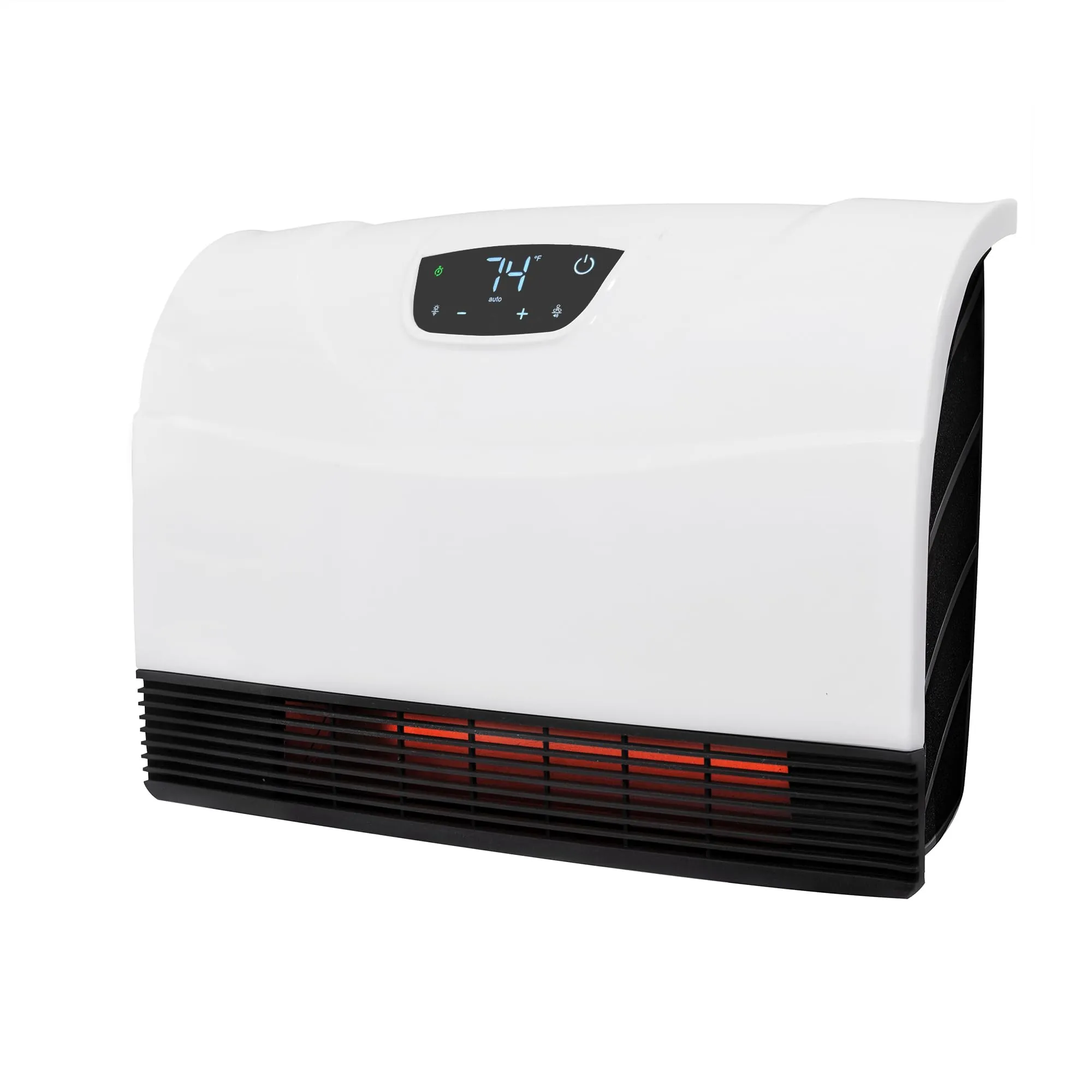
Heat Storm HS-1500-PHX-WIFI Infrared Heater, Wifi Wall Mounted
- Wall-mount design frees up floor space and can hide the power cord when installed over an outlet.
Comparison
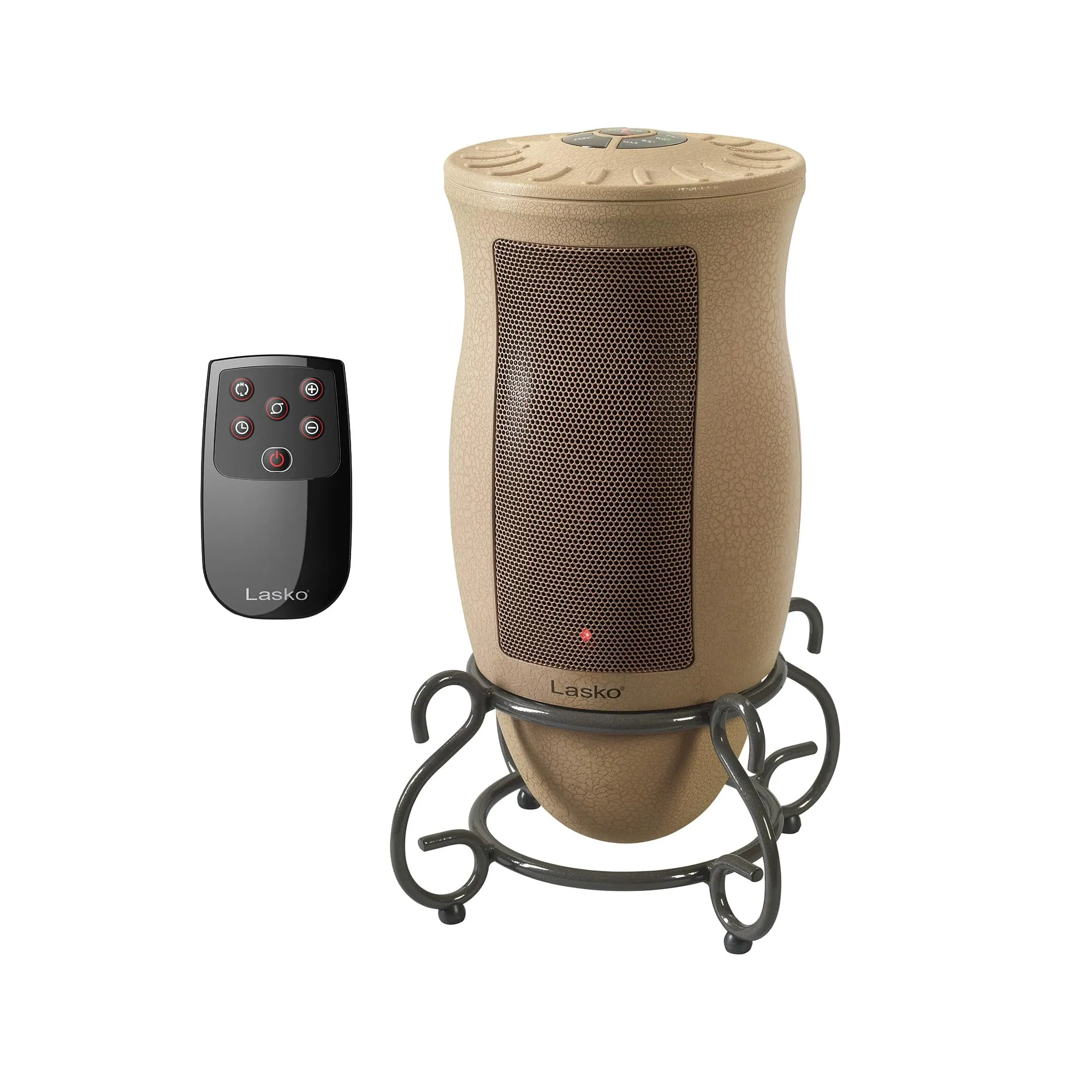
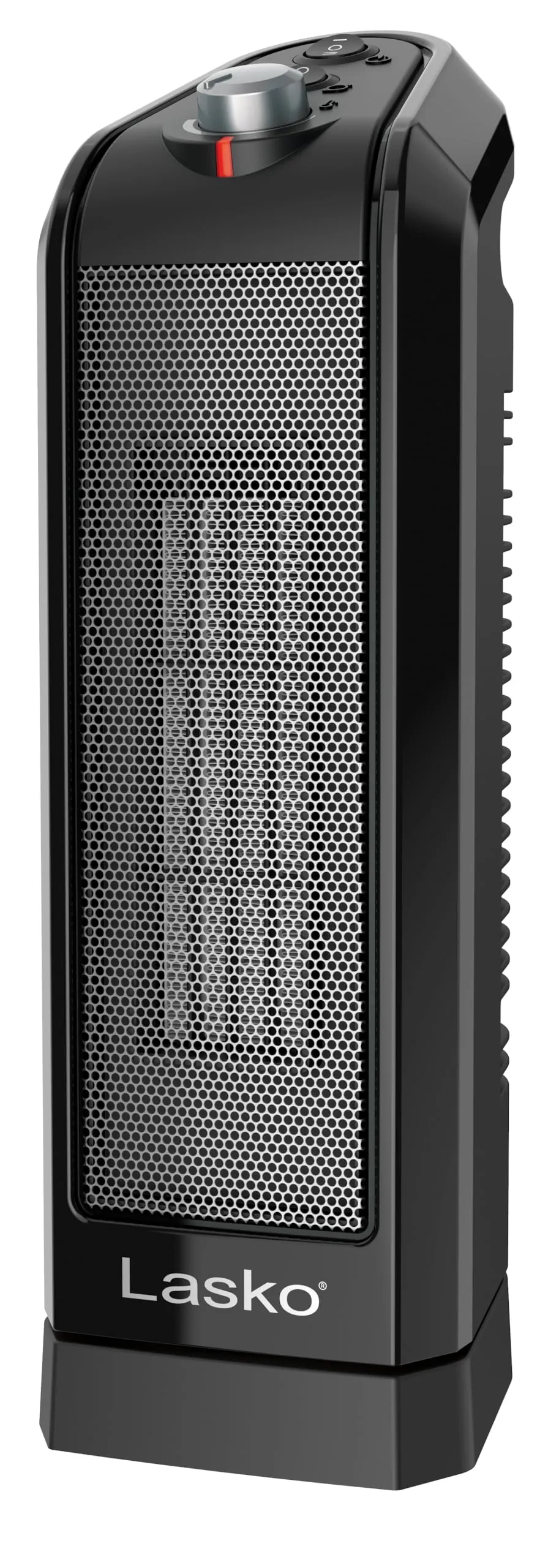
The Heat Storm HS-1500-PHX-WIFI and Lasko CT16450 are both 1500W electric space heaters aimed at small-room zone heating. Heat Storm focuses on wall-mounted space savings and Wi‑Fi control, while the Lasko is a compact, portable ceramic tower with oscillation and simple manual controls. The right pick mainly depends on whether you want a fixed smart heater or a low-fuss heater you can move around.
#1 Overall Winner
Contender
Choose the Heat Storm HS-1500-PHX-WIFI if you want a wall-mounted heater that saves floor space and you’ll use Wi‑Fi control, scheduling, and the remote. Choose the Lasko CT16450 if you want a lightweight, plug-and-play heater you can move room to room with simple manual controls—just be mindful of the mixed durability feedback and tip-over safety concerns mentioned in reviews.
Overall winner
Depends on your needs
| Feature | Heat Storm HS-1500-PHX-WIFI Infrared Heater, Wifi Wall Mounted | Lasko Oscillating Ceramic Tower Space Heater CT16450 (1500W) | Winner |
|---|---|---|---|
| Type / heating method | Infrared (radiant), wall-mounted cabinet | Ceramic forced-air tower, portable | Depends |
| Power | 1500W (110V, 12.5A) | 1500W high / 900W low (120V, 12.5A) | Lasko Oscillating Ceramic Tower Space Heater CT16450 (1500W) |
| Heating coverage (claimed) | Up to 150 sq ft primary; up to 750 sq ft supplemental (insulation-dependent) | Up to 150 sq ft | Depends |
| Controls | Touchscreen thermostat + remote + Wi‑Fi/app | Manual thermostat dial + 2 speeds | Heat Storm HS-1500-PHX-WIFI Infrared Heater, Wifi Wall Mounted |
| Smart features | Wi‑Fi enabled; one-touch Bluetooth connect; scheduling via app | None listed | Heat Storm HS-1500-PHX-WIFI Infrared Heater, Wifi Wall Mounted |
| Oscillation | Not listed | Widespread oscillation (optional) | Lasko Oscillating Ceramic Tower Space Heater CT16450 (1500W) |
| Installation / setup | Wall mounting required; plugs into outlet | Fully assembled; plug-in use | Depends |
| Portability | Wall-mounted; not designed to move often | Lightweight with carry handle | Lasko Oscillating Ceramic Tower Space Heater CT16450 (1500W) |
| Space efficiency | Wall-mounted; saves floor space; cord-hiding option | Small footprint but uses floor/table space | Heat Storm HS-1500-PHX-WIFI Infrared Heater, Wifi Wall Mounted |
| Noise (buyer sentiment + scoring) | Often described as quiet | Often described as quiet for a fan heater | Tie |
| Reliability / durability (buyer feedback) | Mostly positive long-term reports, but thermostat/app complaints exist | Mixed; reports of sudden failure within months | Heat Storm HS-1500-PHX-WIFI Infrared Heater, Wifi Wall Mounted |
| Safety notes from provided data | Tip-over safety shut off listed; safe-to-touch grill; wall stays cool (claimed) | Overheat protection + cool-touch housing listed; reviews note missing tip-over shutoff | Heat Storm HS-1500-PHX-WIFI Infrared Heater, Wifi Wall Mounted |
| Maintenance | Washable filters | No filter maintenance listed | Depends |
| Value context (price + features) | Higher-priced smart wall heater with remote/app | Lower-priced basic portable heater | Depends |
For everyday home use, the biggest difference is how you plan to live with the heater. Heat Storm is designed to become part of the room: mounted on the wall, out of walkways, and controllable from your phone or remote. That suits bedrooms, bathrooms, and offices where you want predictable, routine heat without moving a unit around.
The Lasko is better for flexible households—warming a desk area in the morning, then moving to a bedroom at night. Its portability makes it convenient, but it also means you’ll need to think more about safe placement and where it sits when in use.
Both heaters are geared toward improving room comfort through targeted warmth. Heat Storm’s infrared approach and wall-mounted placement tend to suit steady “background” warmth in a closed-off room, and many owners describe it as comfortable and not disruptive. The Lasko’s fan-forced ceramic heat can feel more immediate and is helped by oscillation, which can reduce cold spots in smaller rooms.
In both cases, insulation and drafts strongly affect results. Reviews for Heat Storm repeatedly stress realistic expectations and better outcomes in well-insulated, isolated spaces, which is also a practical rule for compact portable heaters like the Lasko.
Both models are positioned for small-room heating at 1500W, and buyer feedback suggests each can make a noticeable difference when used for zone heating. Heat Storm owners often report steady, comfortable warmth in bedrooms, bathrooms, basements, and insulated garages, with the advantage of keeping floor space clear. The Lasko performs well for quick heat and can distribute warmth with oscillation, which is helpful for reducing cold spots.
Performance caveats show up in different areas: Heat Storm’s heating is often praised, but some owners question thermostat accuracy and schedule adherence. For the Lasko, heating is commonly described as fast, but longevity concerns can affect performance over time if the unit fails early.
Heat Storm reliability feedback is generally positive, with multiple owners describing long-term use across seasons and consistent performance. The most repeated reliability-like issues are less about the heater failing and more about control accuracy—mixed feedback on thermostat readings and complaints that app schedules sometimes don’t behave as expected.
Lasko’s reliability picture is more mixed. Many buyers say it heats well and lasts, but the aggregated feedback also includes reports of units suddenly stopping working or breaking within about six months. If you plan heavy daily use, that variability is a meaningful risk to factor in.
Heat Storm provides more precise control options thanks to its digital thermostat, remote, and app scheduling, and many users report stable temperature holding. However, thermostat accuracy is a known mixed point, and some owners feel schedules don’t always behave consistently, which can undermine confidence in automated climate control.
Lasko offers basic climate control through a manual thermostat and two heat settings. Reviews suggest it can keep a small room comfortable, but it doesn’t offer the same level of programmability or remote adjustments. If you want “set a routine and forget it,” Heat Storm is better on paper; if you want “turn a dial and feel heat,” Lasko is simpler.
Heat Storm lists a tip-over safety shutoff and is intended to be wall mounted, which naturally reduces the chance of being knocked over. It’s also described as cool/safe to the touch in the listing, though at least one review notes the outlet/grille area can still feel hot depending on settings—so placement out of reach of toddlers is sensible.
Lasko includes overheat protection and cool-touch housing, but a significant safety flag appears in user reviews: multiple people report that tip-over shutoff is missing or doesn’t work as expected. In homes with kids, pets, or high-traffic areas, that makes stable placement and supervision more important.
Comfort is strong for both when used as intended. Heat Storm owners often describe steady, cozy warmth and like being able to hold a set temperature without disturbing the room. The wall-mounted design also keeps the heater out of walk paths, which can make a small room feel less cramped.
Lasko tends to deliver more immediate “warm air” comfort, especially close to the unit, and oscillation can help the room feel more evenly heated. Some users note heat direction is lower to the ground, so comfort may depend on where you sit and whether you want warmth at desk height or across the whole space.
The Lasko CT16450 is easier out of the box: it comes assembled, has straightforward controls, and is simple to move and store. Heat Storm is still described as easy to install, but it requires wall mounting and app pairing if you want Wi‑Fi control. For daily operation, Heat Storm’s remote/app options can be more convenient, while Lasko’s manual controls avoid any learning curve related to software.
Heat Storm is designed to disappear into the room: a slim wall-mounted unit that saves floor space, with a layout that can hide the cord when placed over an outlet. That’s useful in bedrooms, bathrooms, and offices where floor clutter is a problem.
The Lasko CT16450 is designed around portability and a tiny footprint. It fits on a desk or small floor area, includes a handle, and oscillates to spread heat. The trade-off is that it remains a visible object in the room and needs a safe, stable spot—especially given reviews mentioning missing or unreliable tip-over shutoff.
Both heaters are primarily aimed at small rooms. Heat Storm’s coverage guidance includes small-room primary heating and larger “supplemental” coverage depending on insulation, while Lasko’s stated coverage is up to 150 sq ft. In practice, either heater will do best when the space is closed off and reasonably insulated, and both may struggle to make a large, drafty, open area feel uniformly warm without extended runtime.
Both models are space-friendly, but in different ways. Heat Storm is exceptionally space-efficient because it mounts on the wall and can keep the cord hidden when installed over an outlet—useful in tight bedrooms, bathrooms, and offices. The Lasko CT16450 has a small footprint and can sit on a desk or in a corner, but it still occupies usable surface or floor space and needs careful placement to avoid being bumped.
Heat Storm is frequently described as quiet enough for sleep and TV rooms, which makes it a strong option for bedrooms and nurseries. The Lasko CT16450 is also commonly called quiet for a fan heater, but it still relies on forced air, so there will be some fan noise during operation. If you’re highly sensitive to fan sound at night, Heat Storm may be the easier fit, while Lasko’s noise level will depend on where it’s placed and how close you are to it.
The Lasko CT16450 is the easiest to “install”: it arrives fully assembled and simply plugs into a standard outlet. Heat Storm is also plug-in, but it’s intended to be mounted on the wall, which adds a few steps (positioning, mounting, and optionally aligning it over an outlet to hide the cord). Reviews frequently describe Heat Storm installation as quick and straightforward, but it’s still more involved than placing a portable tower heater on the floor or desk.
Heat Storm’s wall-mounted design and higher weight suggest a more “installed” appliance feel, and reviews often describe reliable operation over extended periods. That said, there are some complaints focused on thermostat/scheduling behavior, which can feel like a quality issue even if the heater itself is physically solid.
Lasko gets praise for being lightweight and practical, but buyer feedback is more mixed on long-term durability, including reports of early failure. If you expect heavy seasonal use, that inconsistency is an important build-quality consideration.
Heat Storm has encouraging anecdotes of multi-year ownership and continued operation, suggesting decent longevity for a wall-mounted zone heater. The main durability unknown here is not mechanical wear but long-term satisfaction with the thermostat/app behavior, which some users already question.
Lasko durability feedback is inconsistent: some reviews mention years of use, while others report early breakdowns. Because it’s a lightweight portable unit, it may also be more exposed to knocks or falls, and tip-over-related concerns show up in reviews.
Heat Storm includes washable filters, so maintenance is more structured: you’ll want to clean and dry the filters periodically to keep airflow and heating consistent. Several users mention filter access and washing as part of normal ownership.
The Lasko CT16450 doesn’t list filter upkeep, so maintenance is mostly keeping the intake and grille free of dust and storing it cleanly between seasons. For either heater, maintaining clear airflow and avoiding blocked vents is important for consistent operation and safety.
Lasko is the clear winner for portability. It’s lightweight, has a carry handle, and is designed to move between rooms or store away easily. Heat Storm is a wall-mounted heater and weighs more; once installed, it’s best treated as a semi-permanent solution for that room rather than something you relocate daily.
Heat Storm offers a much richer feature set: Wi‑Fi/app control, custom schedules, a touchscreen thermostat, and a remote. It also lists washable filters and a design intended to hide the cord when installed over an outlet. Those features suit households that want heat to follow a routine.
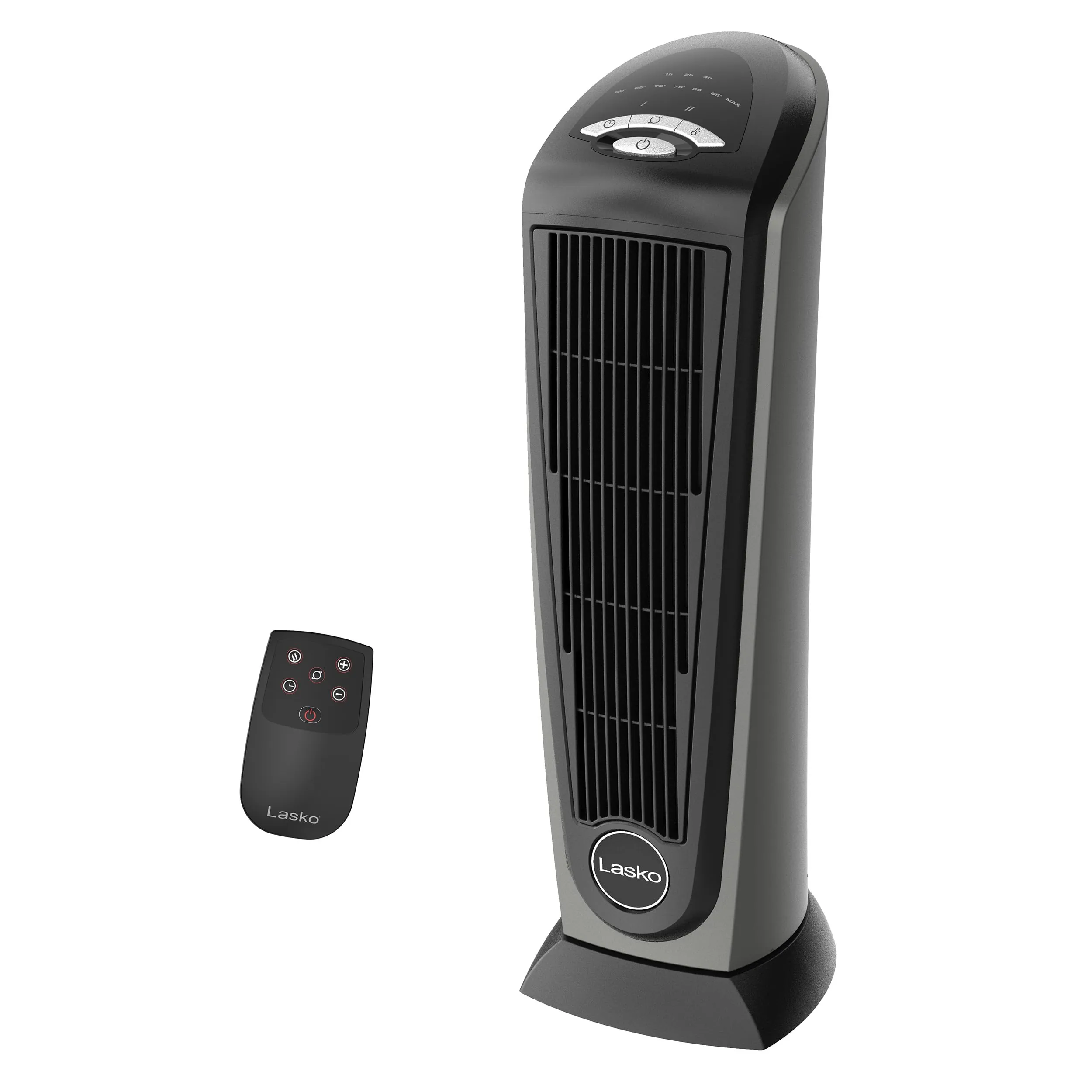
The Lasko keeps features basic: two heat settings, a manual thermostat, widespread oscillation, and a carry handle. It’s a “set it and forget it” style heater for people who don’t want apps, though it also means no remote control and no scheduling beyond turning the unit on and off manually.
Heat Storm’s app is a key part of the product experience: it enables phone control and scheduling, and many buyers call it convenient and easy to use. At the same time, there are meaningful complaints about programmability—some users feel the heater ignores presets or that certain timing behaviors are awkward compared with what they expected.
The Lasko has no app, so there are no software frustrations—but you also give up remote control, scheduling, and multi-room coordination through a single interface.
Heat Storm is the clear smart-home option: it’s Wi‑Fi enabled, supports app control, and is described by reviewers as easy to connect and convenient for turning heat on before you enter a room. The trade-off is that app scheduling and thermostat behavior aren’t universally praised, so some households may end up relying on manual control or voice/remote operation for consistency.
The Lasko CT16450 has no smart features listed. That’s a limitation for automation, but it can also be a benefit if you want a heater that works the same way every time without accounts, pairing, or app updates.
Heat Storm is built for smart routines: app control, custom schedules, and at-home convenience like turning the heater on before you walk into a cold room. Reviewers generally like the connectivity, but there are repeated mentions of scheduling/preset inconsistency, so some users may prefer to rely on manual control, the remote, or voice commands where available.
Lasko CT16450 has no smart layer, which means no integrations or automations—but also no app troubleshooting. For households that prioritize reliability of basic operation over automation, the lack of smart features can be a plus.
Heat Storm supports automation through schedules in the app and routine-based use (for example, warming a bathroom before you enter). That’s valuable for households with predictable daily patterns. The practical downside is that several reviews mention scheduling behavior that feels inconsistent, which may reduce how “hands-off” it truly is.
Lasko CT16450 is manual-only. Your automation is essentially your own habit: turn it on, choose a setting, and turn it off when done.
Connectivity only applies to the Heat Storm HS-1500-PHX-WIFI. It’s described as easy to connect (including one-touch Bluetooth connect) and many owners report stable Wi‑Fi control. A few reviews suggest expectations about long-distance control weren’t met, which may relate to home network limitations rather than the heater itself.
The Lasko CT16450 operates fully offline with no connectivity features, so there’s nothing to pair and no risk of losing control due to Wi‑Fi issues.
These are both high-wattage electric heaters on their top settings, so the biggest “efficiency” lever is how you use them: zone heating a single room, lowering whole-house heat, and avoiding drafts. Heat Storm owners often discuss using it strategically in specific rooms and appreciate the ability to schedule and control it remotely, which can reduce wasted runtime.
For the Lasko, buyer feedback includes mentions of higher running costs with frequent use, and its lower setting is still substantial. If electricity prices are high, how many hours per day you run either heater will matter more than small differences in design.
Privacy considerations mainly apply to Heat Storm because it uses Wi‑Fi/app control. The provided data doesn’t detail what data is collected or how it’s stored, so the practical advice is to treat it like any connected home device: use a strong password on your Wi‑Fi and app account, and only enable permissions you’re comfortable with.
The Lasko CT16450 is not connected, so it has no app-related privacy footprint.
Value depends on what you’re buying the heater to do. The Heat Storm costs more, but it bundles wall-mount space savings, a remote, Wi‑Fi control, and scheduling—features that can meaningfully improve daily convenience if you rely on zone heating in one or two rooms. Users also frequently call it a good value, though some mention thermostat/app frustrations.
The Lasko is far cheaper and offers fast heat with oscillation and very simple operation. The trade-off is mixed durability feedback and potential running-cost concerns with frequent use. If you need a low-cost portable heater for occasional warmth, it can be good value; for heavy daily use, longevity risk matters.
Lasko positions itself as a long-established home comfort brand and includes a stated 3-year limited warranty for this model, which can add reassurance for basic appliances. Heat Storm has very strong buyer volume and generally positive sentiment in the provided reviews, but warranty/support specifics aren’t included here, so it’s harder to compare after-sale coverage directly.
If brand trust for you means “clear warranty terms,” Lasko has the advantage based on the listing. If it means “many owners reporting effective, quiet heat with modern control options,” Heat Storm has the advantage in the review feedback provided.
Both heaters have high average ratings and large review counts, suggesting broad satisfaction when used in the right setting. Heat Storm feedback is particularly strong around quiet performance, easy installation, and convenience of Wi‑Fi control, with recurring complaints focused on thermostat accuracy and scheduling behavior.
Lasko reviews often praise fast heating, compact size, and quiet operation, but sentiment is more mixed around durability and value—some buyers report early failures and others mention higher operating costs with frequent use. Overall satisfaction is solid for both, but the complaint patterns differ in ways that can matter depending on your priorities.
The Lasko CT16450 listing states it comes with a 3-year limited warranty, which is useful if you’re concerned about longevity. For the Heat Storm HS-1500-PHX-WIFI, warranty/support details aren’t provided in the data here, so it’s worth checking the seller/manufacturer warranty terms before purchase—especially if you plan to run it daily through the winter.
The Heat Storm HS-1500-PHX-WIFI is the better overall choice for a dedicated room where you want quiet heat, strong space efficiency, and the convenience of Wi‑Fi control plus a remote. Its biggest limitation is that thermostat accuracy and app scheduling aren’t consistently praised, so the “smart” experience may require some trial and adjustment.
The Lasko CT16450 is a good pick for basic, portable warmth with oscillation and very easy operation. Its main downsides are mixed reliability/durability feedback and multiple reviews raising concerns about tip-over shutoff. If you need a dependable, set-and-forget installed heater, Heat Storm is the safer bet; if you want cheap, flexible spot heating, Lasko can fit.
Overall winner
Depends on your needs
If you want a fixed, space-saving heater with Wi‑Fi control and scheduling, the Heat Storm HS-1500-PHX-WIFI is the stronger fit based on its feature set and user feedback on quiet, steady zone heat. If you prefer a simple, lightweight heater you can move between rooms, the Lasko CT16450 is easier to live with day to day—but reviews show more mixed long-term reliability.
The Heat Storm HS-1500-PHX-WIFI is designed to mount on the wall, which helps keep floors clear in bedrooms, bathrooms, and offices. The Lasko CT16450 also has a small footprint, but it still takes up some surface or floor space and needs safe placement where it won’t be knocked over.
The Lasko CT16450 is the simplest: it arrives assembled and uses basic manual controls with two heat settings and optional oscillation. The Heat Storm adds convenience through Wi‑Fi, a touchscreen thermostat, and a remote, but it also introduces app setup and some reports of scheduling/preset behavior not always matching expectations.
Both products are often described as quiet. Heat Storm buyers frequently mention it doesn’t disturb TV or sleep, while Lasko reviews also call it quiet for a fan heater. Because Lasko uses fan-forced heat, noise sensitivity will depend on your tolerance for a constant fan sound, while Heat Storm is often discussed as unobtrusive once running.
Heat Storm’s listing includes a tip-over safety shutoff, and it’s intended as a wall-mounted unit that’s less likely to be knocked over when installed correctly. For the Lasko CT16450, multiple reviews specifically mention missing or unreliable tip-over shutoff, so placement and supervision matter more—especially in homes with kids or pets.
Heat Storm reviews include positive experiences in garages and basements, especially when the space is insulated and can be closed off for true zone heating. The Lasko CT16450 can work for smaller areas or nearby spot heat, but it’s generally positioned as a portable personal heater rather than a fixed solution for larger, colder spaces.
Feedback is mixed. Many owners like the convenience of controlling temperature and schedules from a phone, and some report stable connections. Others say scheduling can be inconsistent, with presets sometimes seeming to be ignored. If scheduling is critical, it’s worth testing the app behavior early so you can decide whether manual control better matches your routine.
Both are 1500W heaters on high, so running cost is largely driven by how long they’re on and how well your room holds heat. Some Lasko owners mention noticeable bill increases with frequent use. Heat Storm users often describe using it for targeted zone heating and lowering whole-house heat, but real savings depend on your insulation, set temperature, and runtime.
Heat Storm includes washable filters, so you’ll want to periodically remove and clean them to keep airflow consistent. The Lasko CT16450 doesn’t list routine filter washing, so maintenance is mostly keeping it dust-free and storing it properly. For either heater, keeping vents clear and avoiding blocked airflow is a practical part of ongoing upkeep.
Check our rankings and expert guides to find the best home lifestyle products for your goals.