
#1 Overall Winner
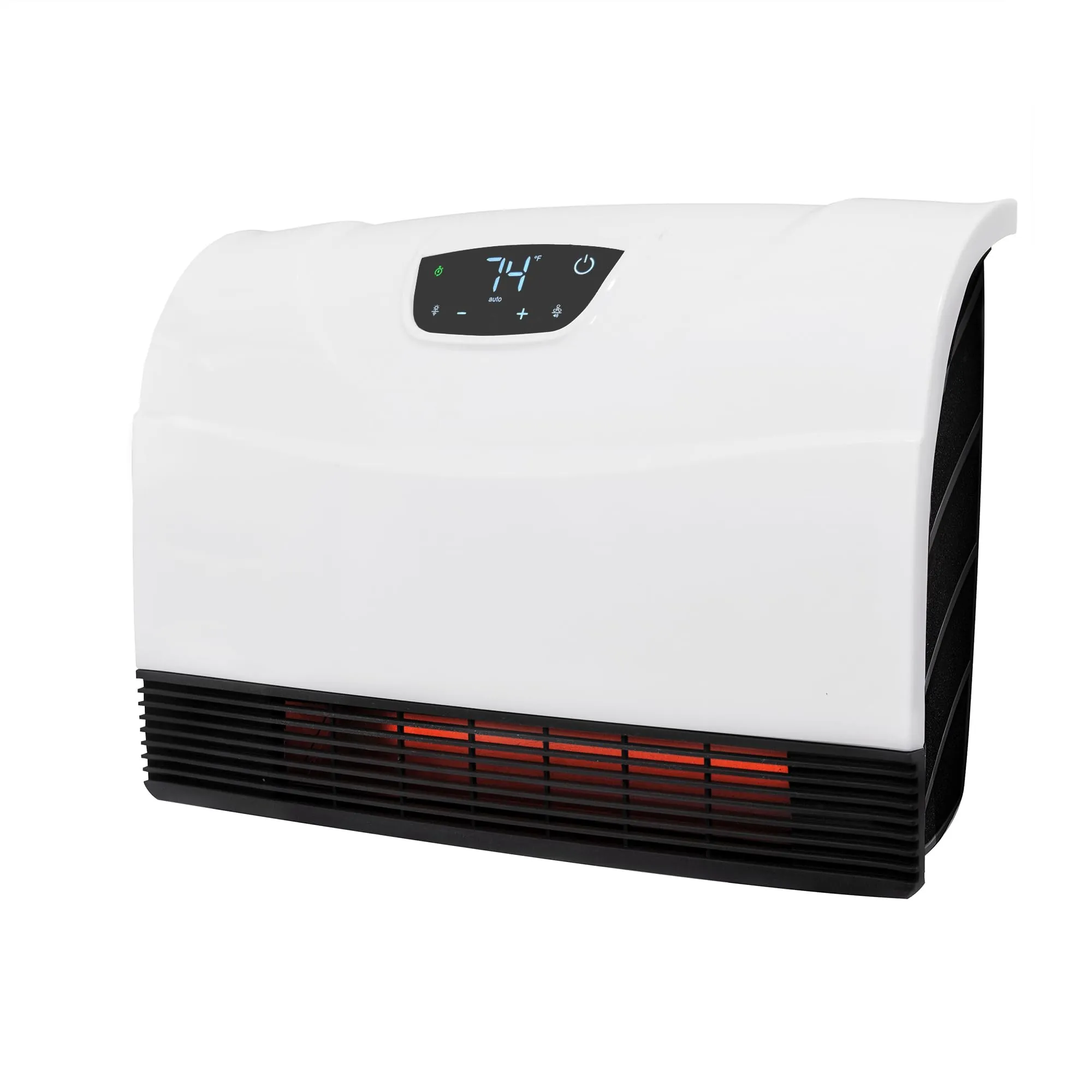
Heat Storm HS-1500-PHX-WIFI Infrared Heater (Wall Mounted)
- Wall-mounted design saves floor space and suits small rooms like bedrooms, bathrooms, and offices.
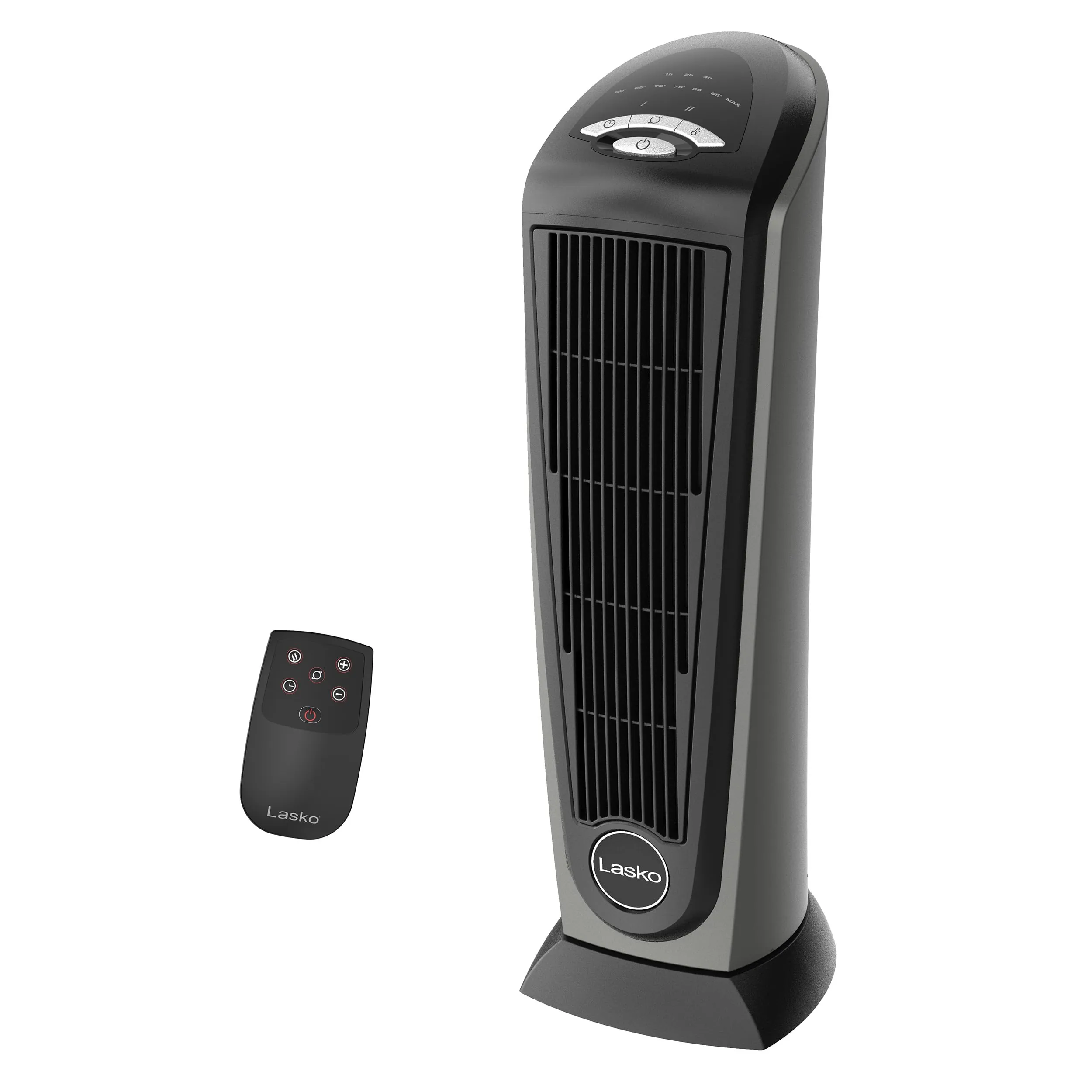
Comparison
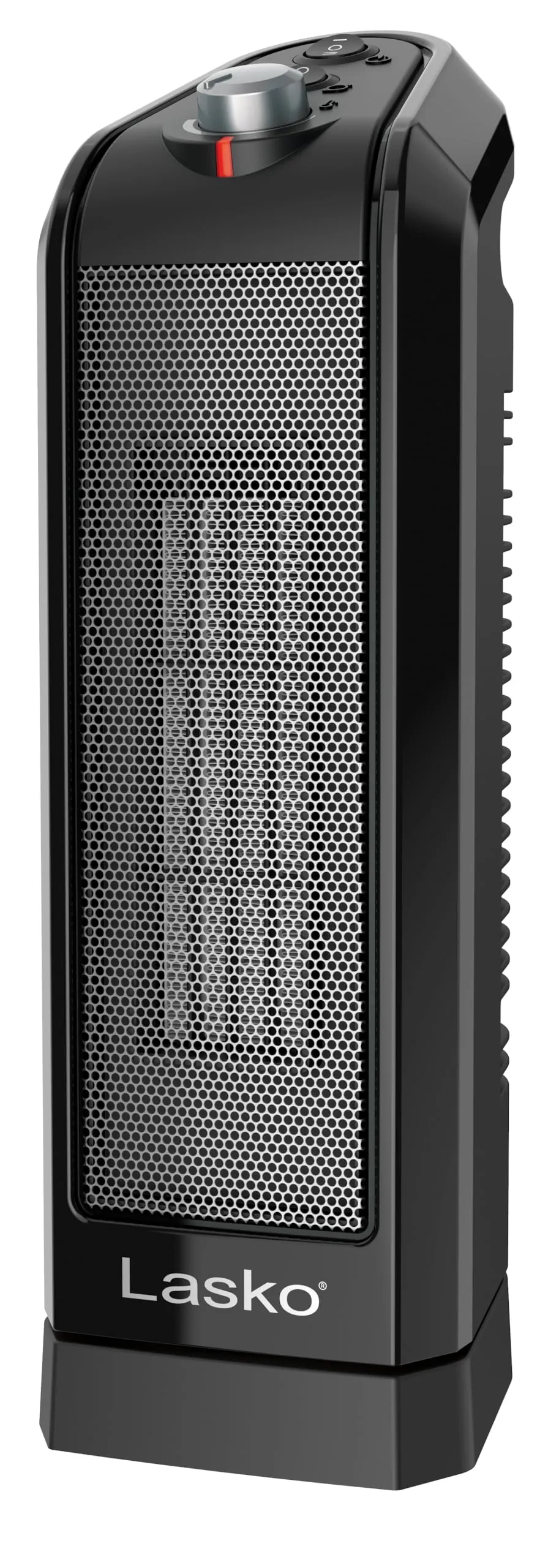
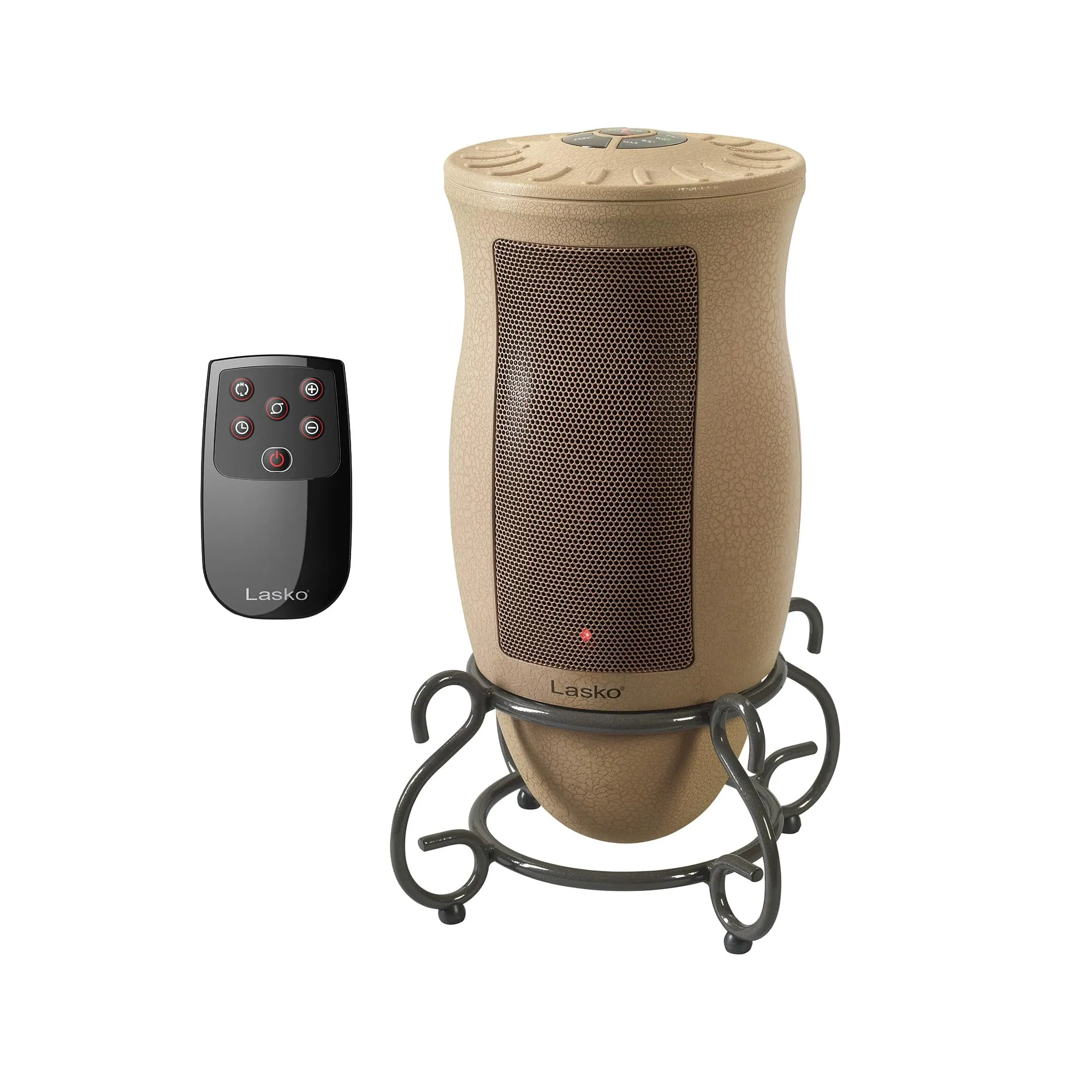
The Heat Storm HS-1500-PHX-WIFI and Lasko 751320 are both 1500W indoor space heaters designed for supplemental room heating. Heat Storm focuses on wall-mounted, space-saving infrared heat with Wi‑Fi control, while Lasko is a portable ceramic tower with oscillation, a timer, and simple remote operation. The clearest trade-off is smart wall-mounted convenience versus lower price and easy portability.
#1 Overall Winner
Contender
Pick the Heat Storm HS-1500-PHX-WIFI if you want a wall-mounted heater that saves floor space and you’ll actually use Wi‑Fi/app control. Pick the Lasko 751320 if you want inexpensive, portable warmth with oscillation and a timer, and you’re comfortable relying on traditional controls rather than an app.
Overall winner
Depends on your needs
| Feature | Heat Storm HS-1500-PHX-WIFI Infrared Heater (Wall Mounted) | Lasko 751320 1500W Ceramic Tower Space Heater | Winner |
|---|---|---|---|
| Type / heating method | Infrared (radiant) wall heater | Ceramic forced-air tower heater | Depends |
| Power | 1500W (110V) | 1500W (110V) | Tie |
| Placement | Wall mounted | Floor standing | Depends |
| Portability | Low (installed on wall) | High (carry handle, light tower) | Lasko 751320 1500W Ceramic Tower Space Heater |
| Smart control | Wi‑Fi/app control (Bluetooth setup mentioned) | No smart features listed | Heat Storm HS-1500-PHX-WIFI Infrared Heater (Wall Mounted) |
| Remote control | Included remote | Included multi-function remote | Tie |
| Air distribution | Fixed wall output | Widespread oscillation | Lasko 751320 1500W Ceramic Tower Space Heater |
| Noise (typical feedback) | Often described as quiet | Often quiet, but some report it’s noisy | Heat Storm HS-1500-PHX-WIFI Infrared Heater (Wall Mounted) |
| Thermostat behavior (feedback) | Mixed accuracy reports | Mixed accuracy reports | Tie |
| Reliability (feedback trends) | Generally reliable, some app quirks noted | Some reports of early failure or random shutoff | Heat Storm HS-1500-PHX-WIFI Infrared Heater (Wall Mounted) |
| Installation/setup | Wall mounting required; plug-in | No installation; plug-in | Lasko 751320 1500W Ceramic Tower Space Heater |
| Space efficiency | Excellent (no floor footprint) | Very good (slim tower footprint) | Heat Storm HS-1500-PHX-WIFI Infrared Heater (Wall Mounted) |
| Maintenance | Washable filters (side) | No filter maintenance noted | Depends |
| Price (listed) | $127.99 | $60.07 | Lasko 751320 1500W Ceramic Tower Space Heater |
For everyday home use, these heaters suit different habits. The Heat Storm is best treated as a dedicated room heater: mount it once, keep the area clear, and use it for predictable zone heating (for example, a basement bathroom, bedroom, or office). The Lasko fits more “move it where you need it” households—warm the living room in the evening, then carry it to a bedroom, with oscillation helping spread warm air in the space you’re currently using.
Both products are aimed at improving cold-weather comfort with supplemental indoor heat. Heat Storm’s infrared approach and wall placement are often used to keep a specific room comfortable without a bulky heater on the floor, and reviews frequently mention quiet operation for sleeping. Lasko’s forced-air ceramic heat plus oscillation can make a room feel warmer faster and more evenly across the space, but fan noise tolerance and reliability consistency are worth considering for all-night use.
Both heaters are generally reported to produce strong warmth for their class, but they deliver it differently. The Heat Storm HS-1500-PHX-WIFI is often used successfully for zone heating in bedrooms, basements, bathrooms, and even insulated garages, with owners emphasizing that insulation and realistic room-size expectations matter. The Lasko 751320 is frequently praised for quick warm-up and room comfort, with oscillation helping spread heat. Performance-related drawbacks are mostly about control behavior: mixed thermostat accuracy for both, and some Lasko reports of random shutoffs that can interrupt heating.
Reliability is where these two separate most clearly in the provided feedback. Heat Storm reviews tend to describe steady performance over months or years, with the most common complaints focused on thermostat readings or app scheduling behaving unpredictably rather than the heater failing to run. For the Lasko 751320, the aggregated review summary flags multiple reports of units stopping after one use or randomly turning off, even though many owners also report excellent day-to-day heating. If you need consistent unattended heating, these reliability trends matter.
For temperature control, both provide thermostat-based operation, but user experiences are mixed. Heat Storm receives mixed feedback on temperature reading accuracy and some app scheduling inconsistencies, yet many owners still report stable room comfort once set. Lasko offers a straightforward thermostat mode and timer, but reviews also mention the thermostat “isn’t great” for some users, and reliability reports (random shutoffs) can undermine consistent climate control. If you want remote adjustments and schedules, Heat Storm offers more options; if you want simple local control, Lasko is simpler.
Both heaters include safety-oriented features, but the practical safety considerations differ. Heat Storm lists a tip-over safety shutoff and describes a cool-to-touch exterior and wall area, yet at least one review notes the heat outlet can feel hot at higher settings—so mounting height and child access matter. Lasko lists overheat protection, cool-touch housing, a self-regulating ceramic element, and tip-over shutoff, and it is described as ETL listed in the product details. With either heater, safe placement, keeping fabrics clear, and avoiding unsafe extension-cord use (as one reviewer cautioned) remain important.
Comfort is strong on both, but the feel differs. Heat Storm’s wall-mounted infrared approach is often used to make a room feel comfortably warm without taking up space, and reviewers mention using it overnight at lower setpoints. Lasko’s oscillation can improve comfort by avoiding a constant hot-air blast in one direction and spreading warmth across a seating area. Comfort complaints are mostly indirect: thermostat quirks for both, and Lasko’s shutoff/failure reports that can disrupt comfort when you need steady heat.
Lasko is typically easier to start using day one: place it on the floor, plug it in, and use the clear controls and remote. Heat Storm is still described as easy to set up, but it requires wall mounting and (if you want smart features) Wi‑Fi/app pairing. In return, Heat Storm can be more convenient day to day if you like adjusting heat from another room, though some users report the app’s scheduling can be frustrating.
The Heat Storm’s wall-mounted cabinet design is purpose-built for keeping floor space open, and it can hide the power cord when installed over an outlet for a cleaner look. The Lasko’s slim tower design is also easy to place, but it still occupies floor area and needs safe clearance. If you want the least visual and physical clutter in a small room, Heat Storm has the edge; if you want a heater you can tuck in a corner and move easily, Lasko is more flexible.
Both heaters are positioned for room-level heating rather than whole-home heating. Heat Storm provides explicit zone-heating guidance (smaller areas as primary heat, larger as supplemental depending on insulation), which aligns with reviews emphasizing realistic expectations. Lasko lists coverage for a typical room and is commonly used in bedrooms and living rooms, with many users reporting it warms spaces quickly. For larger or draftier areas, both will be more effective when doors are closed and the room is reasonably insulated.
Both are space-conscious, but Heat Storm is the better solution for maximizing usable floor area because it mounts on the wall. It can be especially helpful in small bedrooms, bathrooms, or offices where a floor heater would be in the way. Lasko’s slim tower takes relatively little space and can tuck into a corner, but you still need clear floor space and safe clearance around it.
Both are commonly described as quiet enough for bedrooms, but Heat Storm gets especially consistent “quiet” feedback, including not disturbing TV or sleep. Lasko is often praised as whisper-quiet, though some reviews describe it as noisy, which may reflect fan sound variability or personal sensitivity. If noise is a top priority, Heat Storm looks like the safer bet based on the provided summaries.
Heat Storm requires wall mounting, which adds a real installation step (using the provided template/hardware) but is repeatedly described as quick and easy once you choose a location near an outlet. Lasko needs essentially no installation: place it where you want, plug it in, and start heating. If you rent, move often, or don’t want to drill/mount anything, Lasko is the simpler choice.
Heat Storm is a heavier wall unit and is designed to stay installed, with doors for accessing its washable filters. Lasko’s tower format is lightweight and meant to be carried, which is convenient but can feel less substantial. In buyer feedback, the bigger watch-out for build-related confidence is reliability consistency: Lasko has more reports of units failing early or shutting off unexpectedly, while Heat Storm complaints are more often about thermostat/app behavior than physical failure.
Heat Storm has multiple owner reports of continued use over multiple seasons, which supports a better long-term outlook in the provided data, though it’s still an electric appliance with filters and electronics to maintain. The Lasko 751320 has an enormous user base and many long-time positive experiences, but the provided summary includes a notable pattern of early failure reports. If you’re buying for long-term daily winter use, Heat Storm appears less risky based on the reliability trend described.
Heat Storm includes washable filters, which can be a benefit for keeping airflow consistent, but it also means you’ll want to remember periodic cleaning and drying. Lasko’s maintenance is simpler from the information provided—there are no filters mentioned—so day-to-day ownership is mostly about keeping vents clear and using it safely. If you prefer “one less thing to clean,” Lasko is easier; if you don’t mind light upkeep, Heat Storm’s washable filters are straightforward.
Portability strongly favors the Lasko 751320. Its slim tower body, carry handle, and light weight make it easy to move between rooms and store when not in use. Heat Storm is designed to be wall-mounted and weighs more, so it’s not intended for frequent repositioning. If you want heat in different places throughout the day, Lasko is better suited.
Heat Storm stands out for Wi‑Fi/app control, plus a touchscreen thermostat and included remote. It also includes washable side filters and is designed to hide the cord when installed over an outlet. Lasko focuses on practical comfort features without smart connectivity: widespread oscillation, multiple heat settings, a programmable thermostat mode, and a shutoff timer, all controllable via a multi-function remote. If you want connected control, Heat Storm wins; if you want oscillation and a simple timer, Lasko’s feature set is stronger.
Only Heat Storm has an app experience to evaluate. Several reviewers describe the app as convenient and reliable for controlling multiple heaters, but there is also recurring feedback that schedules/presets can be inconsistent or that some timer-style functions are easier to do on the unit/remote than in the app. Lasko has no app, so its “software experience” is limited to physical controls and the remote.
The Heat Storm HS-1500-PHX-WIFI is the only option here with connected features, offering phone control and scheduling via an app (with Bluetooth used for easier connection). This can be useful for turning on heat before you enter a room or managing multiple heaters, but some buyers report the programming can be inconsistent. The Lasko 751320 is a traditional heater with local controls and a remote, which can be simpler if you don’t want Wi‑Fi setup.
Heat Storm is the only model here that meaningfully supports smart-home style use through Wi‑Fi/app control, including the ability to manage settings without being in the room. This can be useful for pre-heating a bathroom or turning on a heater before you arrive home, although some users report schedule/preset behavior can be inconsistent. Lasko has no listed smart ecosystem support; it’s better suited to people who prefer a remote control and on-unit buttons rather than apps and connectivity.
Heat Storm offers the most potential for automation through app scheduling, which can support a more hands-off routine if it works well in your setup. However, multiple reviews mention programmability quirks, so you may need to test schedules and keep manual control as a fallback. Lasko’s automation is simpler but dependable in concept: a built-in timer and thermostat mode without connectivity, which suits straightforward bedtime or “heat for a few hours” routines.
Heat Storm includes Wi‑Fi connectivity and mentions one-touch Bluetooth connection for setup. Reviews include both positive experiences (stable connection and easy setup) and complaints that control range didn’t meet expectations, which may depend on home network conditions. The Lasko 751320 does not include Wi‑Fi or Bluetooth connectivity, so there’s no pairing process and no risk of connection dropouts—at the cost of having no remote-away-from-home control.
Neither product includes detailed energy consumption beyond being 1500W class heaters, so efficiency is best judged by how you use them. Heat Storm is frequently described as a good fit for zone heating and can reduce reliance on central heat when you only warm occupied rooms; some users still note their electric bills can rise with heavy use. Lasko can warm rooms quickly and then cycle via thermostat, but the provided feedback includes more reliability concerns, which can affect practical efficiency if the unit shuts off unexpectedly.
Privacy considerations apply mainly to the Heat Storm HS-1500-PHX-WIFI because it connects to Wi‑Fi and uses an app for remote control and scheduling. That typically implies account/app use and home network connectivity, so buyers who prefer minimal connected-device exposure may favor a non-connected heater. The Lasko 751320 has no app or Wi‑Fi features listed, so there’s no associated connectivity/privacy trade-off from the heater itself.
Value depends on whether you’ll use Heat Storm’s wall-mount and Wi‑Fi features. The Lasko 751320 costs much less upfront and delivers the core heater basics—fast warmth, oscillation, timer, and remote—so it’s attractive for budget-focused shoppers or anyone needing multiple heaters. Heat Storm costs more, but can pay off in value if you specifically need to save floor space and you’ll use remote/app control to run true zone heating. One caution: if Lasko reliability issues affect you, the low price can be offset by replacement hassle.
Both brands are well established in the space-heater category based on the scale of review presence provided here, and both have large numbers of buyers reporting good heating results. Heat Storm’s trust signals in the provided data come mainly from owners reporting multi-season use and consistent room comfort. Lasko benefits from a very large review base and many repeat buyers, but the provided review summary also highlights a recurring reliability concern that can affect confidence.
Customer satisfaction is strong for both, with high average star ratings and very large review counts. Heat Storm buyers frequently praise effective zone heating, quiet operation, easy wall installation, and Wi‑Fi convenience, while commonly noting mixed thermostat accuracy and app scheduling issues. Lasko buyers commonly praise quick heat, oscillation, and remote/timer convenience, but mixed thermostat feedback shows up here too. The biggest negative pattern for Lasko in the provided summary is reliability complaints (random shutoffs or early failure), which can heavily impact satisfaction for affected users.
The better choice depends on whether you want a mounted “set location” heater or a portable one, but overall the Heat Storm HS-1500-PHX-WIFI has the edge for a dedicated room setup thanks to its wall-mounted space savings, quiet operation, and Wi‑Fi convenience. Its main limitation is mixed feedback on thermostat/app scheduling behavior.
The Lasko 751320 is a strong budget-friendly tower with oscillation, a timer, and simple controls, making it easy to use around the home. Its biggest drawback in the provided data is reliability consistency, with reports of random shutoffs or early failures. If you need portability and low cost, Lasko is appealing; if you want a cleaner, smarter wall setup, Heat Storm is the safer bet.
Overall winner
Depends on your needs
If you want a wall-mounted heater with Wi‑Fi control and minimal floor clutter, the Heat Storm HS-1500-PHX-WIFI is the stronger fit. If you want a simple, portable tower that you can move between rooms and use with oscillation and a timer, the Lasko 751320 makes more sense. Buyer feedback suggests app/thermostat quirks for Heat Storm and more reliability concerns for Lasko.
The Heat Storm HS-1500-PHX-WIFI is purpose-built for saving floor space because it mounts on the wall, which can be ideal in tight bedrooms, bathrooms, or offices. The Lasko 751320 is also space-efficient thanks to its slim tower shape, but it still takes up floor space and needs safe clearance around it.
The Lasko 751320 is the clear choice for portability. It’s a freestanding tower with a carry handle and a lightweight build, so it can be repositioned quickly. The Heat Storm HS-1500-PHX-WIFI is designed to be mounted on a wall, so it’s better treated as a “set it once” heater for a specific room.
Only the Heat Storm HS-1500-PHX-WIFI includes Wi‑Fi/app control. Reviews mention it can be convenient for turning heat on before you enter a room and managing multiple heaters, but some buyers also report inconsistent scheduling behavior. The Lasko 751320 does not list app or Wi‑Fi features; it uses on-unit controls and a remote.
Both are commonly described as quiet by many owners, but the Heat Storm HS-1500-PHX-WIFI gets particularly strong feedback for not disturbing sleep or TV. The Lasko 751320 is also often called quiet, though some reviews describe it as noisy, which can happen with forced-air fan heaters depending on tolerance and placement.
Based on the provided review summaries, Heat Storm owners more often emphasize steady day-to-day performance over time, while still noting occasional thermostat/app frustrations. For the Lasko 751320, multiple customers report reliability issues such as random shutoffs or early failures, even though many others have good experiences. Individual outcomes can vary.
Both list safety-focused design elements. Heat Storm includes a tip-over safety shutoff and is described as cool to the touch in key areas, but some users still note the heat outlet can feel hot at higher settings—so placement height matters around children. Lasko lists overheat protection, a cool-touch housing, and tip-over shutoff; safe clearance is still important.
The Lasko 751320 provides a straightforward built-in timer (up to seven hours), which is convenient for bedtime warm-up and automatic shutoff. Heat Storm offers app scheduling and remote control, which can be more flexible in theory, but some owners report that schedules or presets don’t always behave as expected—so it may take some setup and testing.
Check our rankings and expert guides to find the best home lifestyle products for your goals.