HouseholdRanker
Menu
DREO Space Heater vs Heat Storm HS-1500-PHX-WIFI

Comparison

DREO Space Heater vs Heat Storm HS-1500-PHX-WIFI

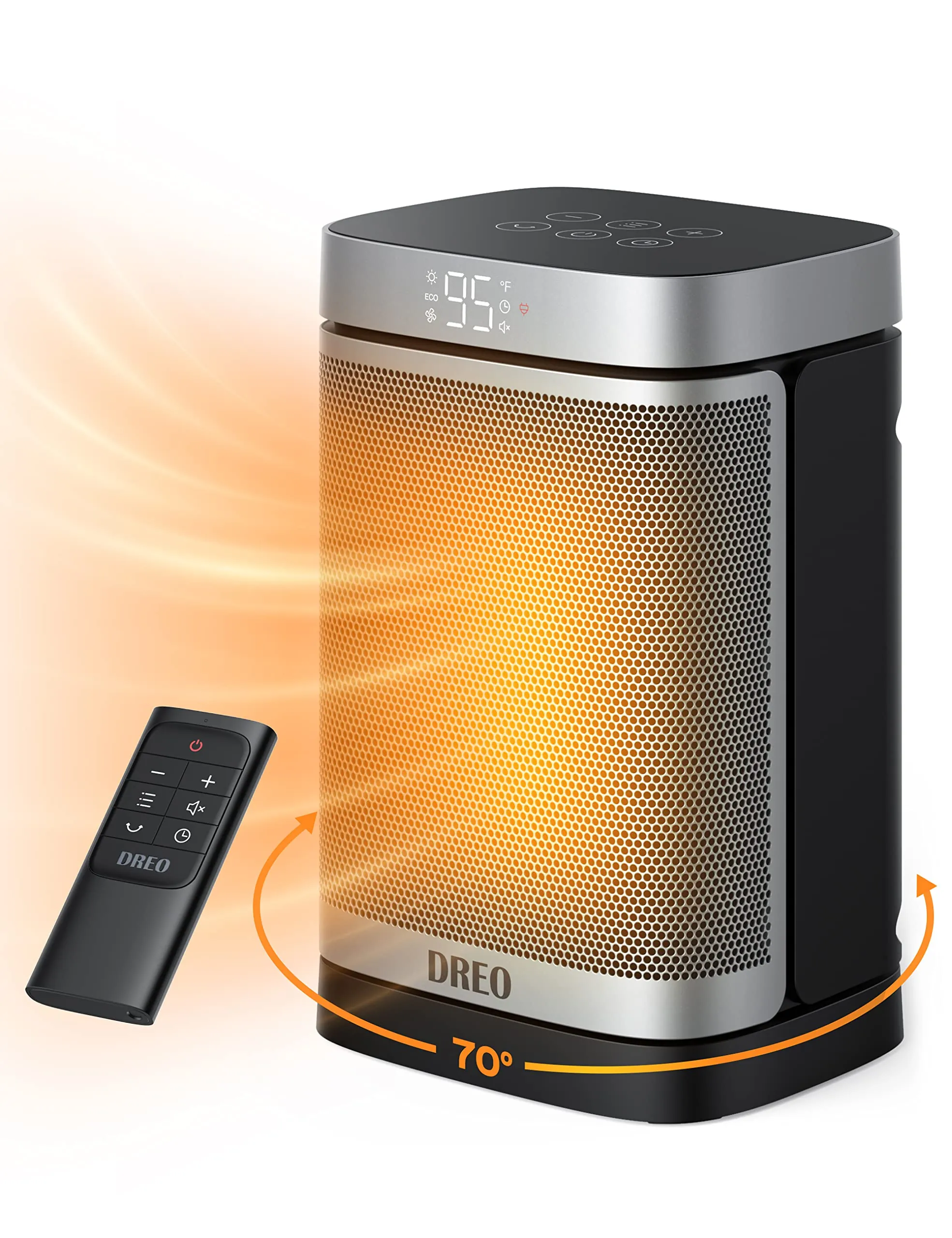
The DREO Space Heater and Heat Storm HS-1500-PHX-WIFI are both 1500W electric heaters designed for small-room zone heating. DREO focuses on portable, very quiet forced-air heat with a remote, thermostat, oscillation, and timer. Heat Storm is a wall-mounted infrared heater that saves floor space and adds Wi‑Fi/app control, but has mixed feedback around thermostat and scheduling accuracy.

Expert tested Data driven Unbiased reviews Updated 10 June 2026
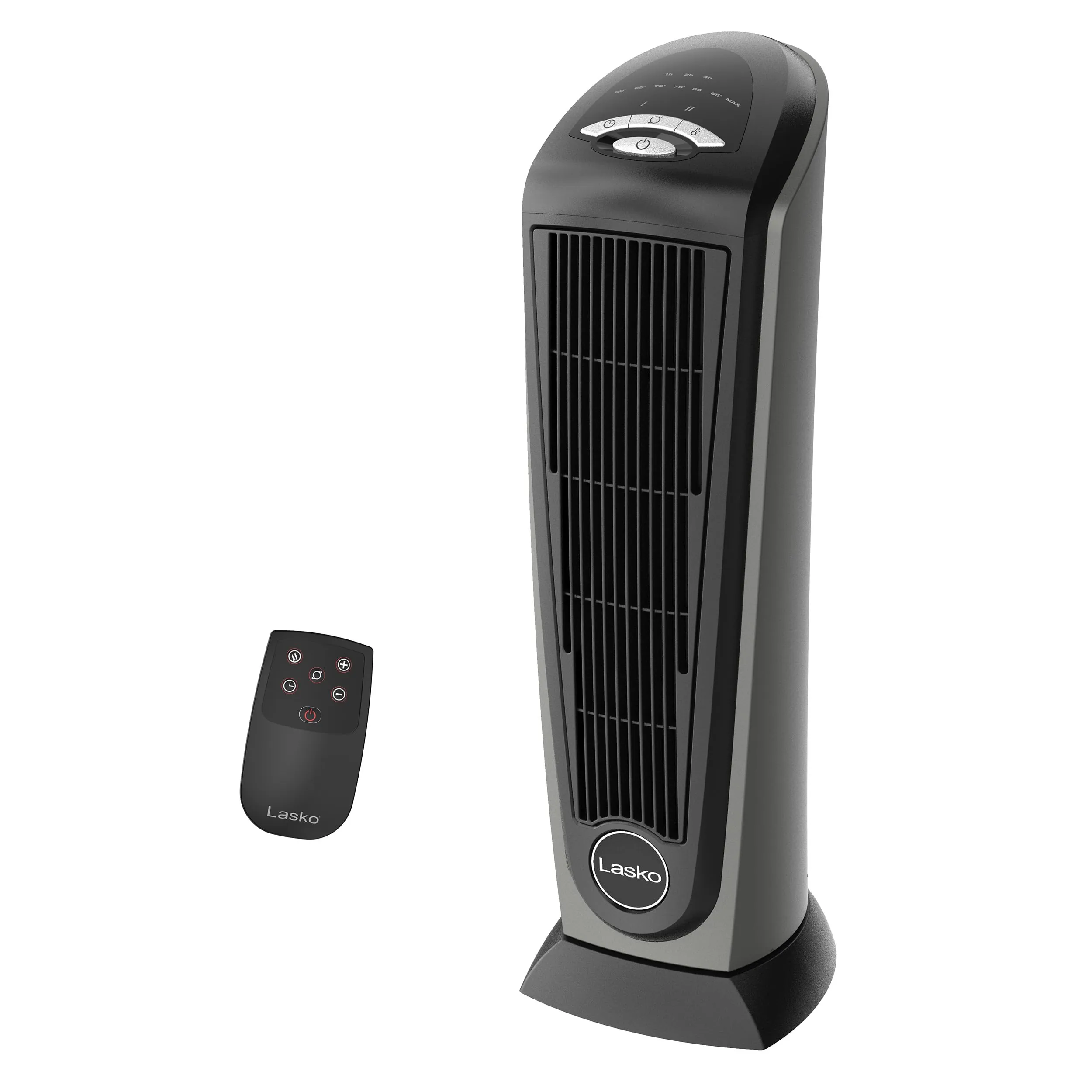
DREO Space Heater 1500W (Atom One, DR-HSH004-G)

#1 Overall Winner

DREO Space Heater 1500W (Atom One, DR-HSH004-G)

89/100
  • Very fast warm-up for a small room, with strong buyer feedback on quick heating
View review
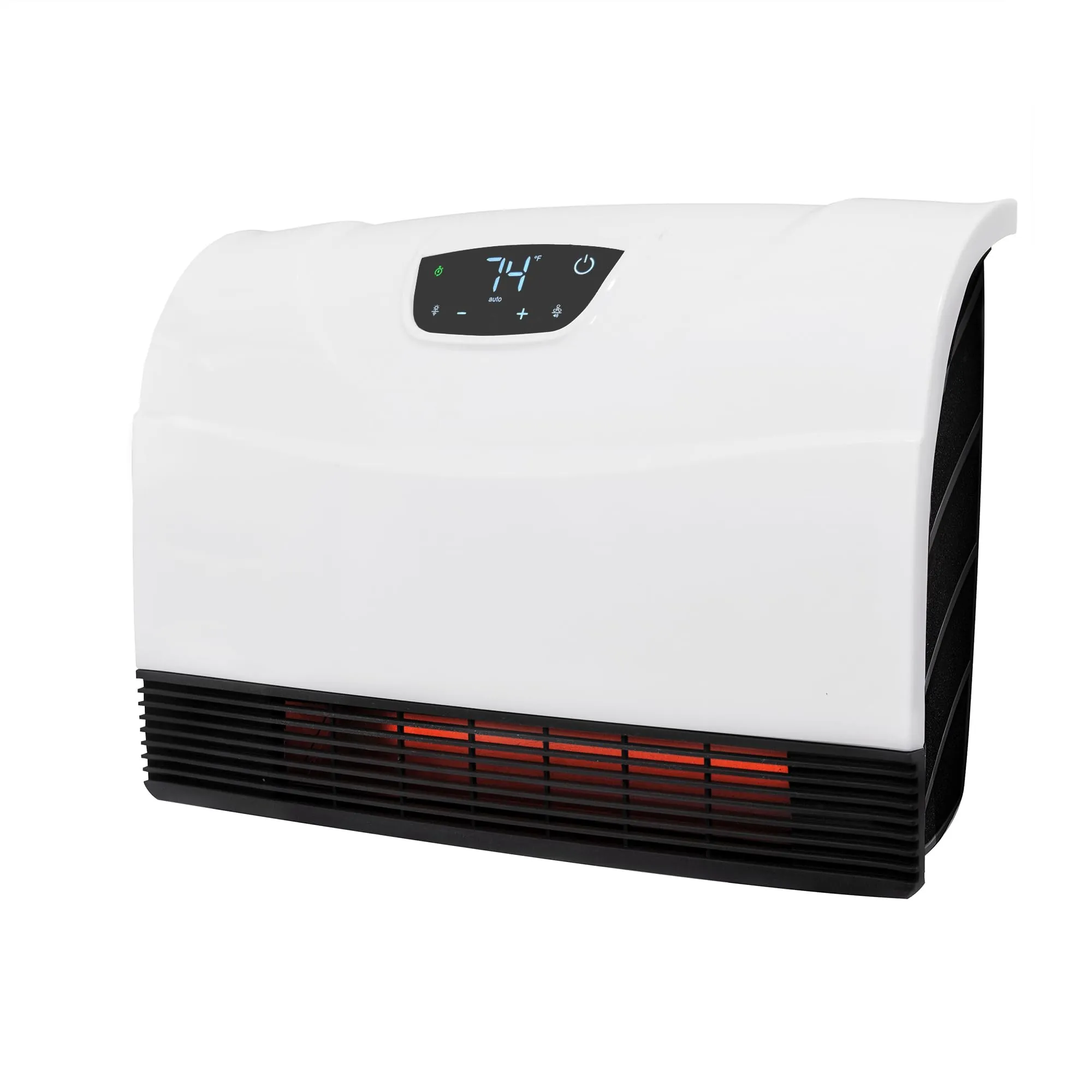
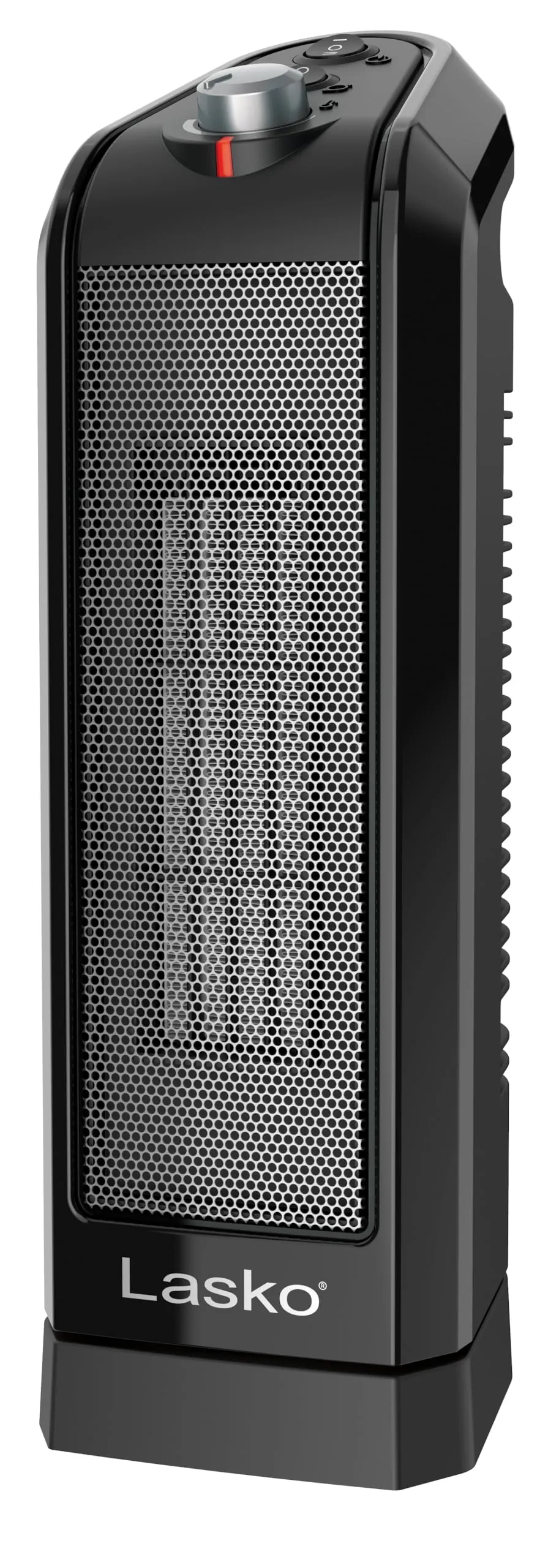
Heat Storm HS-1500-PHX-WIFI Infrared Heater (Wall Mounted)

Contender

Heat Storm HS-1500-PHX-WIFI Infrared Heater (Wall Mounted)

84/100
  • Wall-mounted design saves floor space and can hide the cord when installed over an outlet
View review

Quick verdict

Choose the DREO Space Heater if you want a portable, very quiet heater with straightforward controls for a bedroom or office. Choose the Heat Storm HS-1500-PHX-WIFI if you want a wall-mounted setup to save floor space and you’ll actually use Wi‑Fi/app control—just be prepared for mixed feedback around thermostat and scheduling accuracy.

Overall winner

Depends on your needs

At-a-glance comparison

Feature DREO Space Heater 1500W (Atom One, DR-HSH004-G) Heat Storm HS-1500-PHX-WIFI Infrared Heater (Wall Mounted) Winner
Type / mounting Portable tower; floor/desk placement Wall-mounted cabinet heater Depends
Heating method Forced-air PTC ceramic Infrared radiant Depends
Max power 1500W 1500W Tie
Stated heating coverage (primary) 200 sq ft Up to 150 sq ft (primary) DREO Space Heater 1500W (Atom One, DR-HSH004-G)
Temperature range / max setting 41–95°F thermostat Up to 99°F (max setting) Heat Storm HS-1500-PHX-WIFI Infrared Heater (Wall Mounted)
Noise suitability Frequently praised as very quiet; low-distraction use Generally quiet; some mention fan/cool-down annoyance DREO Space Heater 1500W (Atom One, DR-HSH004-G)
Controls included Remote + on-unit LED controls; timer; oscillation Remote + touchscreen; Wi‑Fi/app control Depends
Smart home / remote-from-phone No Wi‑Fi/app Wi‑Fi enabled (app control) Heat Storm HS-1500-PHX-WIFI Infrared Heater (Wall Mounted)
Portability Easy to move room-to-room (compact, lightweight) Not designed to move once installed DREO Space Heater 1500W (Atom One, DR-HSH004-G)
Space efficiency Small footprint but uses floor/surface area Wall-mounted; preserves floor space Heat Storm HS-1500-PHX-WIFI Infrared Heater (Wall Mounted)
Safety features (provided) Tip-over + overheat protection; safety plug; flame-retardant materials; ETL-listed Tip-over shutoff; safe-to-touch grill (claims); wall mount keeps unit out of traffic areas Depends
Maintenance Detachable filter (cleaning required) Washable filters Tie
Known recurring complaints Some reports of failure after ~1 year Mixed thermostat accuracy; app scheduling quirks for some Depends
Price (listed) $16.85 $127.99 DREO Space Heater 1500W (Atom One, DR-HSH004-G)

Detailed comparison

Home Use

For everyday home use, DREO is the more flexible “grab-and-go” heater: it’s small enough to move between a bedroom at night and an office during the day, and users consistently describe it as quiet and easy to live with. Heat Storm is more of a built-in solution: once it’s on the wall, it becomes part of a room’s setup, which can be ideal for bathrooms, bedrooms, or garages where you want heat without losing floor space. If you tend to heat one dedicated space, Heat Storm makes sense; if you heat wherever you are, DREO is usually the better match.

Kitchen Use

Neither heater is a kitchen appliance, but both can be used to take the chill out of nearby living areas. Heat Storm’s wall-mount format can be practical in kitchens where floor space is tight, and reviews mention using fan mode for air circulation after cooking. DREO can also work in or near a kitchen as a portable option, but it needs clear floor/surface space and should be kept well away from water sources and cooking clutter.

Climate Comfort

Both products target winter comfort through zone heating. DREO tends to feel more “immediate” in close-range use (near a desk or bedside) and stands out for quiet, sleep-friendly operation plus oscillation to spread warmth. Heat Storm is often used to make a room consistently comfortable without taking up floor space, and Wi‑Fi control can improve comfort by letting you pre-heat a bathroom or bedroom before you walk in. Comfort outcomes for either heater depend heavily on insulation, drafts, and whether you can close off the room.

Performance

Both are 1500W heaters that receive strong feedback for warming small rooms, but their “feel” and best-use scenarios differ. DREO’s forced-air PTC ceramic approach is repeatedly described as fast to heat up, with good airflow and strong near-field warmth—useful at a desk or bedside. Heat Storm’s infrared design is widely described as effective for taking the chill out of a room, especially when used as true zone heating with doors closed and decent insulation. If you expect precise temperature control, note that Heat Storm has more mixed comments on thermostat accuracy, while DREO’s bigger concern is longer-term unit reliability rather than day-to-day heating strength.

Reliability

Reliability is where the trade-offs are most visible. DREO has strong day-to-day feedback, but the customer review summary flags a recurring long-term issue: some units stop working after about a year. Heat Storm has several positive reports of continued use over multiple seasons, but it has more frequent complaints about thermostat accuracy and inconsistent scheduling behavior, which can make operation feel unreliable even if the heater still runs. If you prioritize “working years later,” Heat Storm looks somewhat safer; if you prioritize consistent simple operation today, DREO tends to feel more dependable until longevity becomes a factor.

Climate Control

DREO offers fine-grained thermostat control within its stated range and pairs it with ECO mode, which helps maintain a target temperature with less manual adjustment. Heat Storm also provides thermostat control and adds Wi‑Fi-based scheduling, but its climate control experience is more mixed due to recurring comments about inaccurate temperature readings and schedules not behaving as expected. If you care most about consistent set-temperature behavior, DREO appears more straightforward, while Heat Storm may take more testing in your specific room.

DREO Space Heater 1500W (Atom One, DR-HSH004-G)

Pros

  • Very fast warm-up for a small room, with strong buyer feedback on quick heating
  • Quiet operation is a standout, with many users comfortable sleeping or working nearby
  • Strong everyday usability: remote control, clear LED display, thermostat control, and timer
  • Oscillation helps spread heat beyond a single direction
  • Compact and easy to move between rooms (bedroom, office, desk use)
  • Good safety package for a portable heater, including tip-over and overheat protection
  • ECO mode and temperature targeting are frequently mentioned as helpful for managing comfort

Cons

  • Some owners report reliability issues, including units stopping working after about a year
  • Made for smaller areas (listed coverage is limited), so larger or drafty spaces may take longer
  • As a floor/desk heater, it uses floor or surface space and needs clearance around it
  • No Wi‑Fi/app control for remote changes or scheduling
  • Like any high-watt heater, it should be plugged directly into a wall outlet (not a surge protector), per user feedback
DREO Space Heater 1500W (Atom One, DR-HSH004-G)

Heat Storm HS-1500-PHX-WIFI Infrared Heater (Wall Mounted)

Pros

  • Wall-mounted design saves floor space and can hide the cord when installed over an outlet
  • Wi‑Fi control supports remote temperature changes and schedules (useful for pre-heating rooms)
  • Infrared heating is widely described as effective for taking the chill out of rooms
  • Generally quiet in use, with multiple reviews noting it doesn’t disturb sleep or TV
  • Easy installation for most users, often described as a quick DIY mount
  • Washable filters are convenient for routine upkeep

Cons

  • Mixed feedback on thermostat accuracy, with several users reporting inaccurate temperature readings
  • App scheduling/programmability is a pain point for some households
  • Not portable: once mounted, it’s intended to stay in one room
  • Works best when the room is reasonably insulated and doors/openings can be closed off
  • Higher upfront cost than basic portable heaters
  • Some users mention the fan/cool-down behavior can be annoying (e.g., blowing cool air after shutoff)
Heat Storm HS-1500-PHX-WIFI Infrared Heater (Wall Mounted)

Final verdict

The DREO Space Heater is the stronger all-around choice for most households wanting affordable, quiet, portable zone heating. Its main strength is fast, low-distraction warmth with easy controls (remote, thermostat, timer, oscillation), while its main drawback is that some owners report units failing after about a year.

The Heat Storm HS-1500-PHX-WIFI is the better specialist pick for space-constrained rooms and smart control. Its biggest advantage is a wall-mounted design with Wi‑Fi/app access for remote adjustments and scheduling, while its biggest limitation is mixed feedback on thermostat accuracy and programmability. If you need a movable heater for everyday use, pick DREO; if you want a wall-mounted, app-controlled setup, Heat Storm is worth considering.

Overall winner

Depends on your needs

Frequently asked questions

Which is better overall, the DREO Space Heater or the Heat Storm HS-1500-PHX-WIFI?

The DREO is the better fit if you want a very quiet, compact heater you can move between rooms and control with a simple remote and on-unit panel. The Heat Storm is better if you want a wall-mounted heater that saves floor space and adds Wi‑Fi control. The biggest trade-off is portability (DREO) versus fixed install and smart control (Heat Storm).

Which heater is better for a bedroom?

Both are commonly used in bedrooms, but they suit different setups. The DREO is frequently praised for being very quiet and easy to place near a bed or desk, which can be helpful in smaller bedrooms. The Heat Storm works well if you prefer a wall-mounted solution to keep the floor clear and want to adjust temperature from your phone.

Which one is quieter in real-world use?

Buyer feedback and the provided scoring indicate the DREO is the quieter option overall, with many owners describing it as barely noticeable or similar to white noise even when running. The Heat Storm is also often described as quiet, but some users mention fan behavior and minor noise, making it slightly less consistently “sleep-friendly” than the DREO.

Is Wi‑Fi control worth it on the Heat Storm heater?

If you regularly want to pre-heat a room (like a bathroom) or adjust heat without walking over to the unit, the Heat Storm’s Wi‑Fi control can add real convenience. That said, feedback is mixed on thermostat accuracy and app scheduling, so it’s worth going in with realistic expectations and confirming the temperature with another thermometer if precision matters.

Which heater is better for small spaces or rooms with limited floor space?

The Heat Storm is typically the better choice when floor space is tight because it mounts to the wall and can hide the power cord when installed over an outlet. The DREO is compact and has a small footprint, but it still needs clear space on the floor or a stable surface. For studios, narrow bedrooms, or cluttered offices, wall-mounting can be the cleaner solution.

Which one is easier to set up and start using?

The DREO is generally simpler: place it where you need heat, plug it in, and use the remote or top controls. The Heat Storm is often described as easy to install, but it still requires wall mounting and (if you want smart features) Wi‑Fi/app setup. If you want the lowest-fuss start, the DREO usually wins.

Do either of these heaters have known reliability concerns?

Yes. For the DREO, the customer summary notes some units stop working after around a year, even though many people report great performance during normal use. For the Heat Storm, reliability feedback is generally positive in the reviews provided (including multi-year use), but the bigger recurring concern is thermostat reading accuracy and app/scheduling behavior rather than outright failure.

Which heater is safer around kids or pets?

Both include safety-oriented design elements, but they manage risk differently. The DREO is portable and includes tip-over and overheat protection, which is useful if it could get bumped. The Heat Storm’s wall-mounted placement can keep it out of the way, and it’s described as having a safe-to-touch grill, though at least one reviewer notes the heat output area can still feel hot depending on settings.

Which is better value for money?

The DREO costs much less upfront and still offers thermostat control, timer options, oscillation, and strong quiet-heating feedback, which makes it compelling for basic room heating. The Heat Storm costs more, but you’re paying for a wall-mounted format and Wi‑Fi control that can be genuinely useful for routine scheduling and room-by-room heating. Value depends on whether you’ll use the smart and wall-mount benefits.

Related comparisons

Still not sure which one to choose?

Check our rankings and expert guides to find the best home lifestyle products for your goals.

View all rankings