HouseholdRanker
Menu
DREO Space Heater vs Heat Storm HS-1500-PHX-WIFI

Comparison

DREO Space Heater vs Heat Storm HS-1500-PHX-WIFI

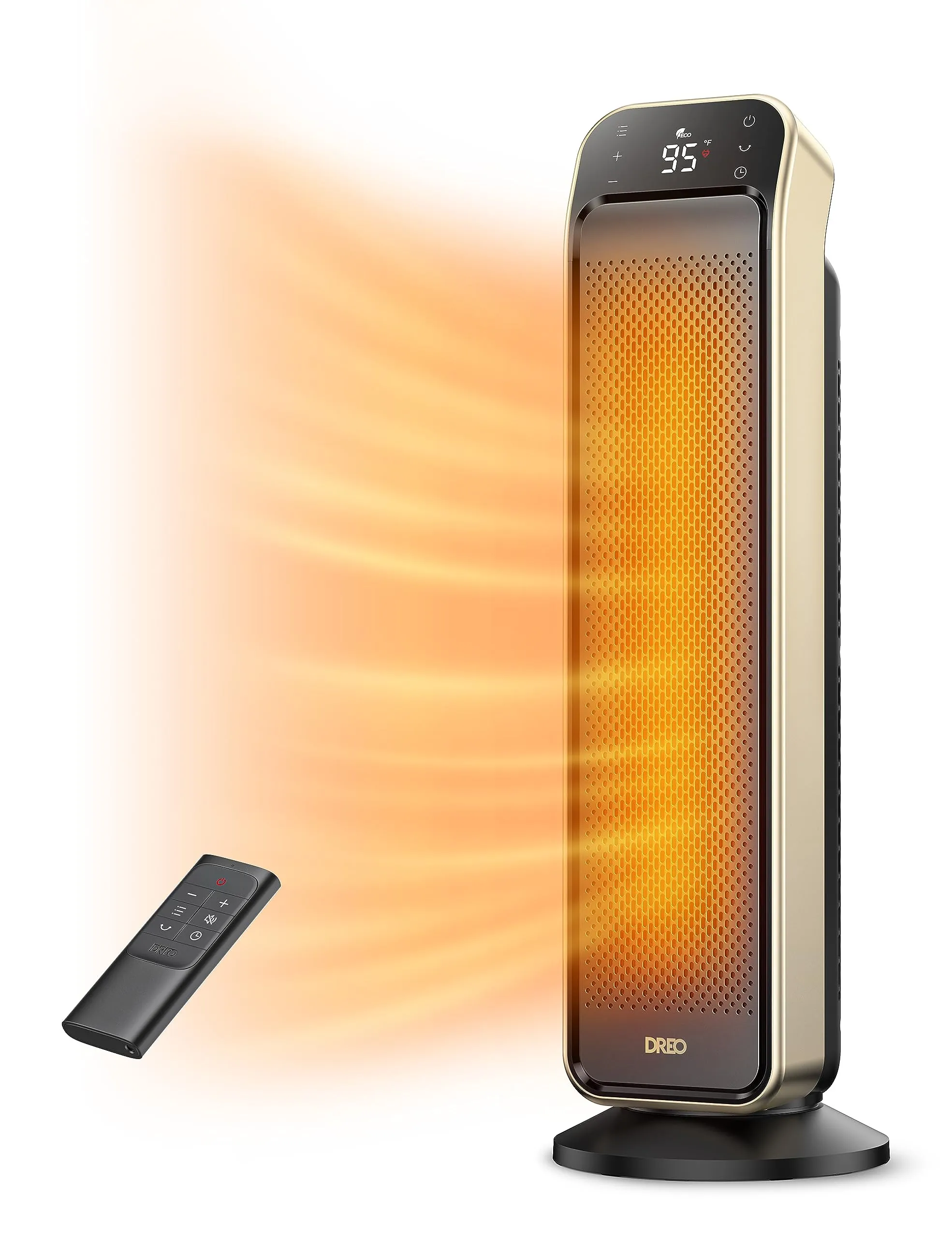
The DREO Space Heater Indoor is a portable tower heater aimed at quiet, fast warm-air heating with oscillation and a precise thermostat. The Heat Storm HS-1500-PHX-WIFI is a wall-mounted infrared heater designed for space saving and Wi‑Fi control with scheduling. If you want move-anywhere convenience, DREO fits better; if you want a fixed zone heater with app control, Heat Storm is the clearer match.

Expert tested Data driven Unbiased reviews Updated 10 June 2026
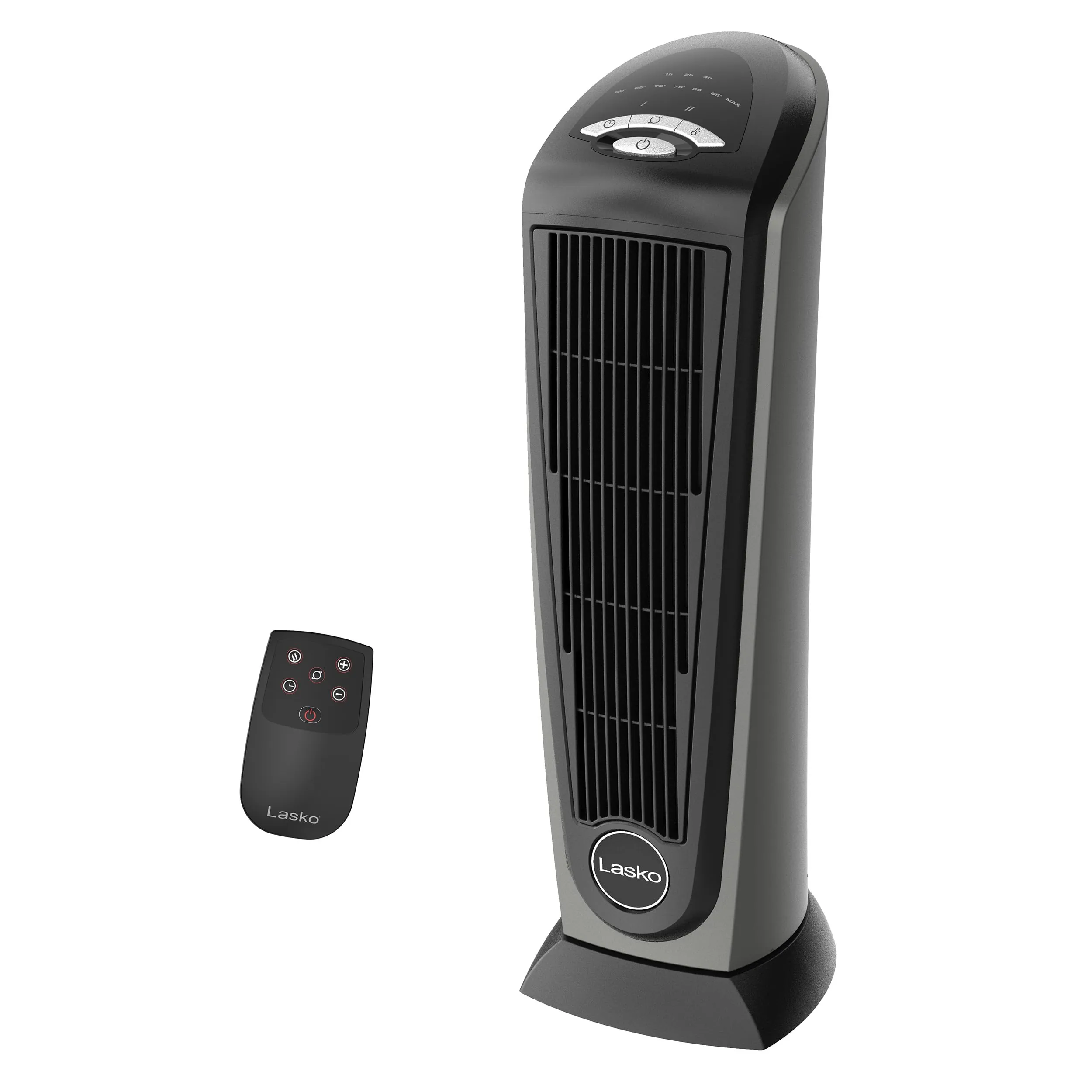
DREO Space Heater Indoor (DR-HSH013)

#1 Overall Winner

DREO Space Heater Indoor (DR-HSH013)

78/100
  • Fast warm-air output with wide oscillation to spread heat around a room
View review
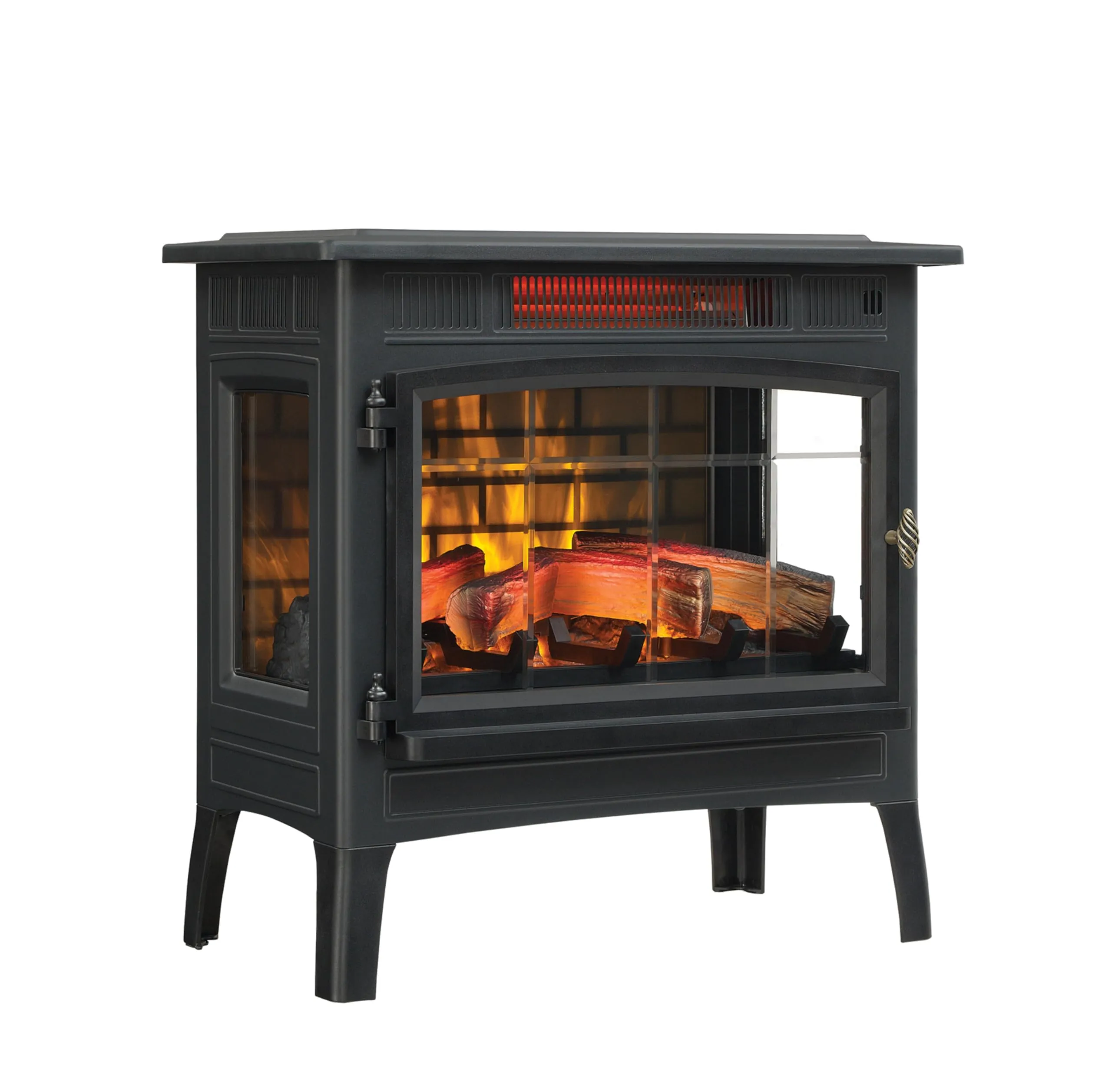
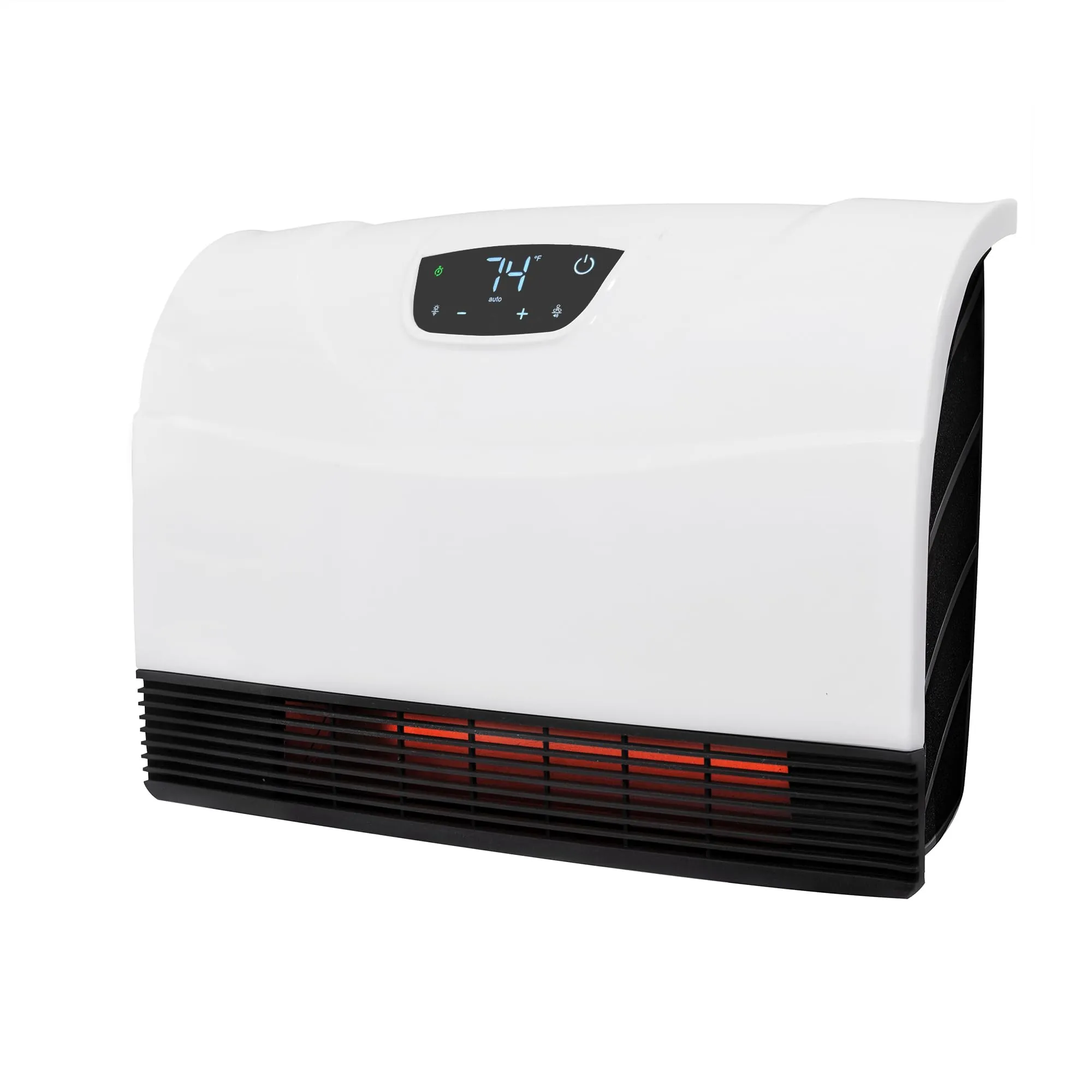
Heat Storm HS-1500-PHX-WIFI Infrared Heater (Wall Mounted)

Contender

Heat Storm HS-1500-PHX-WIFI Infrared Heater (Wall Mounted)

84/100
  • Strong heating performance for zone heating, especially in insulated rooms
View review

Quick verdict

Choose the DREO if you want a quiet, portable tower heater with oscillation for bedrooms and offices. Choose the Heat Storm if you want a wall-mounted heater that saves floor space and adds Wi‑Fi/app control for schedules and remote adjustments. Neither is ideal for poorly insulated, open areas unless you manage expectations and focus on true zone heating.

Overall winner

Depends on your needs

At-a-glance comparison

Feature DREO Space Heater Indoor (DR-HSH013) Heat Storm HS-1500-PHX-WIFI Infrared Heater (Wall Mounted) Winner
Type / heating method PTC ceramic; forced air & convection Infrared radiant wall heater Depends
Power 1500W 1500W Tie
Placement style Floor-standing tower Wall-mounted cabinet Heat Storm HS-1500-PHX-WIFI Infrared Heater (Wall Mounted)
Portability Easy to move room-to-room Low portability once installed DREO Space Heater Indoor (DR-HSH013)
Controls included On-unit controls + remote On-unit controls + remote + app Heat Storm HS-1500-PHX-WIFI Infrared Heater (Wall Mounted)
Temperature setting range 41–95°F (1°F steps) Up to 99°F (max listed) Heat Storm HS-1500-PHX-WIFI Infrared Heater (Wall Mounted)
Coverage guidance 100–270 sq ft (stated) 150 sq ft primary / up to 750 sq ft supplemental (stated) Depends
Noise focus Marketed very quiet; strong quiet feedback Generally quiet; some mixed notes DREO Space Heater Indoor (DR-HSH013)
Smart features No Wi‑Fi/app; smart memory Wi‑Fi with scheduling; Bluetooth connect mentioned Heat Storm HS-1500-PHX-WIFI Infrared Heater (Wall Mounted)
Safety features mentioned Tip-over + overheat + child lock; ETL certified Tip-over safety; “safe to touch” grill mentioned Tie
Filters / air intake maintenance Not listed Washable filters Heat Storm HS-1500-PHX-WIFI Infrared Heater (Wall Mounted)
Price (as provided) $67.58 $127.99 DREO Space Heater Indoor (DR-HSH013)
Customer rating & volume 4.4/5 (11,429 reviews) 4.4/5 (13,918 reviews) Tie
Known review concerns Some say not warm enough; reports of shutoffs; value mixed Thermostat accuracy mixed; scheduling/app behavior mixed Depends

Detailed comparison

Home Use

For everyday home use, the DREO works well as a “move it where you need it” heater—bedroom at night, office in the morning—without any mounting. The Heat Storm is more of a set-it-and-leave-it solution: once installed, it can be a dependable zone heater for a frequently used room, with the convenience of phone control. If your routine revolves around one cold room (bathroom, basement TV room, nursery), Heat Storm fits that pattern; if your cold spots change, DREO is more flexible.

Kitchen Use

Neither is a cooking appliance, but both can support kitchen comfort in winter. The Heat Storm’s wall mount can be useful in kitchens where floor space is tight and you don’t want a heater in a walkway. The DREO can be carried into the kitchen temporarily and its oscillation may help reduce cold corners, but it still takes up floor space and needs careful placement away from traffic.

Climate Comfort

Both products aim to improve room comfort through supplemental heating. The DREO emphasizes quiet forced-air warmth and oscillation to reduce “chill zones,” which can be helpful in bedrooms or drafty corners. The Heat Storm is commonly used for zone heating and is often described as effective for keeping a consistent, comfortable feel in insulated rooms, with the bonus of remote/app control so you can warm a room before you enter it. Comfort for either heater will depend on insulation, drafts, and whether you keep doors closed.

Performance

On raw heating performance, the Heat Storm HS-1500-PHX-WIFI has the edge in the provided scoring and buyer feedback, especially when used as true zone heat in insulated rooms with doors closed. The DREO also performs well and is often praised for fast warm-air delivery and reaching cold corners with its airflow and oscillation, though some buyers report it isn’t as warm as expected in certain setups. If you need fast “blown” heat distribution, DREO is compelling; if you want steady zone warmth in a fixed room, Heat Storm is typically stronger.

Reliability

Reliability is one of the clearest separators. DREO’s aggregated feedback includes reports of units turning off unexpectedly, and its reliability scoring is notably weaker even though many users love the heat and quietness. Heat Storm has more positive “kept working for years” style feedback in the provided reviews, though it still gets recurring complaints—mainly about thermostat reading accuracy or app/scheduling behavior rather than power failures. If you’re buying for daily, season-long use in a main room, Heat Storm looks like the safer reliability bet based on the provided data.

Climate Control

Heat Storm has stronger climate-control performance overall, with many reviews describing stable room temperatures and effective zone heating when used with realistic expectations. However, thermostat accuracy is a known mixed point in aggregated feedback. DREO offers fine 1°F setpoint adjustments (41–95°F) and an ECO mode that automatically adjusts output, but user feedback on “how warm it feels” is more divided in some rooms. If tight app-based scheduling matters, Heat Storm can do more; if you prefer simple thermostat control without software variables, DREO is straightforward.

DREO Space Heater Indoor (DR-HSH013)

Pros

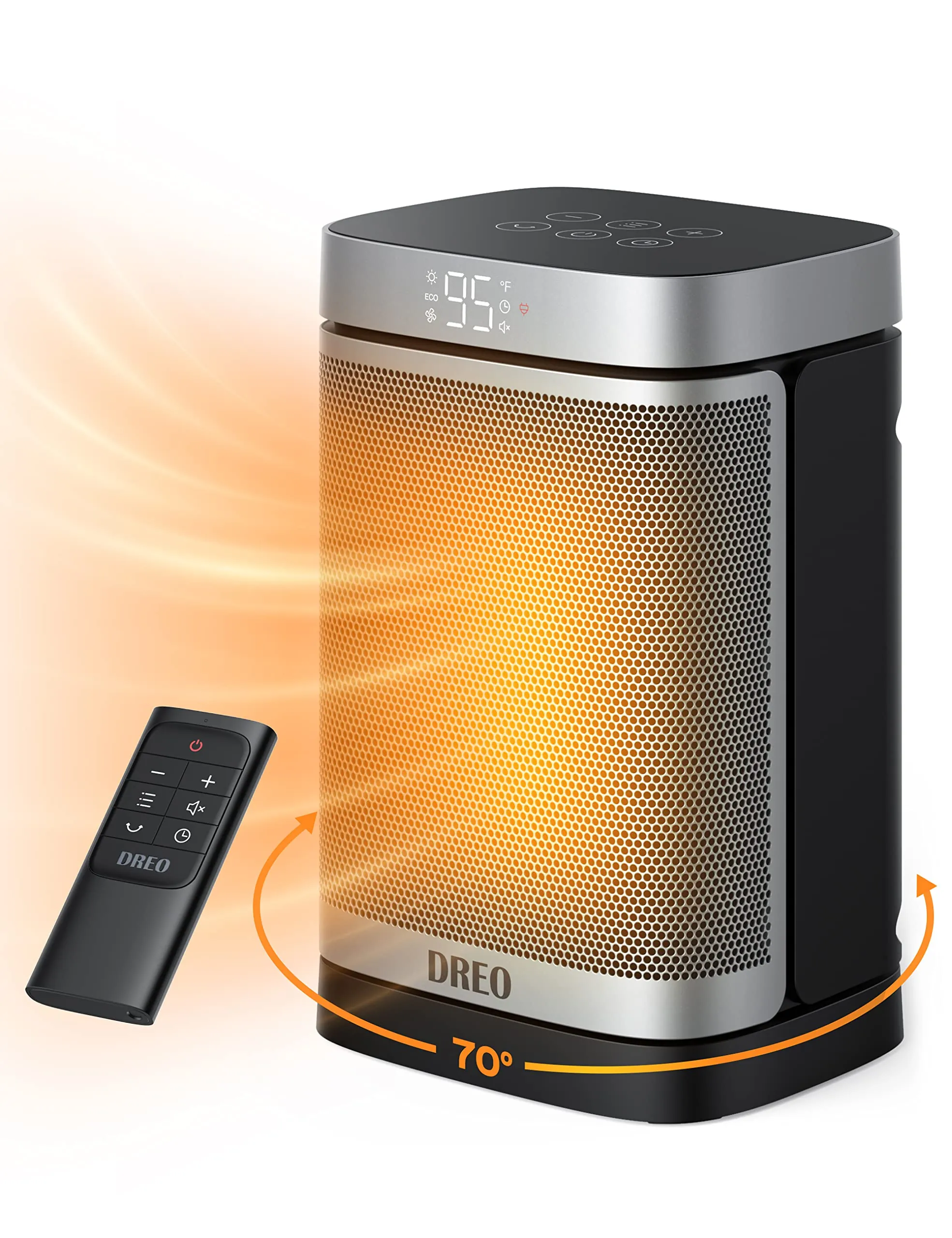
  • Fast warm-air output with wide oscillation to spread heat around a room
  • Very quiet operation is frequently praised for bedrooms and offices
  • Precise thermostat control with ECO mode and 1°F setpoint steps (41–95°F)
  • Good day-to-day convenience with remote control and “smart memory”
  • Strong safety feature set for a portable heater (tip-over, overheat protection, child lock; ETL certified)
  • Easy to move and place thanks to tower form factor and manageable weight

Cons

  • Mixed reliability feedback, including reports of units turning off unexpectedly
  • Some buyers find it “not super warm” depending on room size/insulation and expectations
  • Doesn’t display the actual room temperature reading on the unit (set temperature only)
  • Base/handle design can feel less stable or less secure to carry for some households
  • Value perceptions are split versus cheaper heaters with similar wattage
DREO Space Heater Indoor (DR-HSH013)

Heat Storm HS-1500-PHX-WIFI Infrared Heater (Wall Mounted)

Pros

  • Strong heating performance for zone heating, especially in insulated rooms
  • Excellent space efficiency with wall-mount design that frees up floor space
  • Wi‑Fi control plus scheduling options for hands-off heating routines
  • Generally quiet in use, suitable for bedrooms and TV rooms
  • Practical install features like mounting template and cord-hiding when installed over an outlet
  • Washable side filters for basic dust maintenance

Cons

  • Not portable: once mounted, it’s meant to stay in place
  • Mixed feedback on thermostat accuracy and temperature readings
  • Some complaints about app programmability/schedules not always behaving as expected
  • Coverage and results depend heavily on insulation and isolating the room (typical of zone heating)
  • Fan cooldown/airflow behavior can be annoying to some users when the unit shuts off
Heat Storm HS-1500-PHX-WIFI Infrared Heater (Wall Mounted)

Final verdict

The Heat Storm HS-1500-PHX-WIFI is the more complete choice overall for zone heating: it delivers strong room comfort, excellent space efficiency via wall mounting, and the practical convenience of Wi‑Fi control. Its main limitation is that smart features don’t always feel perfectly consistent for every user, and thermostat accuracy feedback is mixed.

The DREO Space Heater Indoor is a very appealing portable alternative, especially if you want very quiet operation, fast warm-air heating, and oscillation to reduce cold corners. Its biggest drawback is more mixed reliability feedback (including unexpected shutoffs) and divided opinions on value. If you want one heater for one room, Heat Storm is the better bet; for flexible room-to-room heating, DREO fits better.

Overall winner

Depends on your needs

Frequently asked questions

Which is better overall: DREO Space Heater Indoor or Heat Storm HS-1500-PHX-WIFI?

The Heat Storm HS-1500-PHX-WIFI is the stronger all-rounder for many homes thanks to its wall-mounted design, solid heating performance, and Wi‑Fi control for scheduling. The DREO is often the better fit if you need portability, wide oscillation for spreading warm air, and very quiet bedside use without relying on an app. The best choice mainly depends on whether you want a fixed wall heater or a move-anywhere tower heater.

Which heater is better for small spaces or limited floor space?

The Heat Storm is typically the better pick for limited floor space because it mounts on the wall and can hide the cord when installed over an outlet. The DREO tower heater has a small footprint for a floor unit, but it still occupies floor area and needs a safe placement away from walkways. If you’re heating a small room and want to keep floors clear, the wall mount is a practical advantage.

Which one is quieter for bedroom use?

Both are commonly described as quiet, but the DREO is especially positioned as a low-noise bedroom heater and is frequently praised for near-silent operation. The Heat Storm is also generally quiet and reported to not disturb TV or sleep, although some users mention fan behavior (including cooldown airflow). If you’re very noise-sensitive, the DREO’s quiet focus may be the safer bet.

Which heater is easier to install and start using?

The DREO is usually faster to start using because it’s a portable floor heater: place it where you want and plug it in. The Heat Storm is described as easy to mount (often “minutes” with the included template), but it still requires wall placement decisions and mounting work. If you’re renting or don’t want to mount anything, the DREO is the simpler path.

Does the Heat Storm Wi‑Fi control work well in real homes?

Many reviews describe the Heat Storm Wi‑Fi as convenient and reliable for turning the heater on before entering a room and for controlling multiple units. That said, feedback is mixed on programmability and thermostat readings, with some users feeling schedules don’t always behave as expected. If Wi‑Fi control is your main reason to buy, it’s worth checking recent app feedback and your home Wi‑Fi coverage.

Which heater is better for a garage or basement zone heating setup?

The Heat Storm is often used as a zone heater in garages and basements, with reviews noting it can take the chill out and maintain comfortable temperatures in insulated spaces. Several users stress that results depend on insulation and keeping the area as draft-free as possible. The DREO can also work for smaller enclosed spaces, but it’s more oriented to portable bedroom/office use and moving between rooms.

Are there any common reliability concerns with either heater?

For the DREO, buyer feedback is mixed on reliability, including reports of units turning off unexpectedly. For the Heat Storm, longer-term reviews include positive reports (including multi-year use), but there are recurring complaints about thermostat accuracy and app scheduling behavior rather than outright failure. With either heater, using a proper wall outlet and following safety guidance is important for dependable operation.

Which is easier to maintain over time?

The Heat Storm includes washable filters, which is helpful but adds a recurring task (removing, washing, and drying the filters). The DREO doesn’t list filters, so maintenance is more about keeping vents clear and using safe placement. If you prefer fewer “parts to manage,” the DREO may feel simpler, but if you like having filters you can clean, Heat Storm’s approach is straightforward.

Which one offers better value for money?

Value can depend on your setup. The DREO costs less and includes strong comfort features like oscillation, quiet operation, and a precise thermostat, but some buyers feel it’s not worth it compared with cheaper heaters. The Heat Storm costs more, yet many owners feel the wall-mount design and Wi‑Fi control justify the price—especially for zone heating and saving floor space. Choose based on how much you’ll use those extras.

Related comparisons

Still not sure which one to choose?

Check our rankings and expert guides to find the best home lifestyle products for your goals.

View all rankings