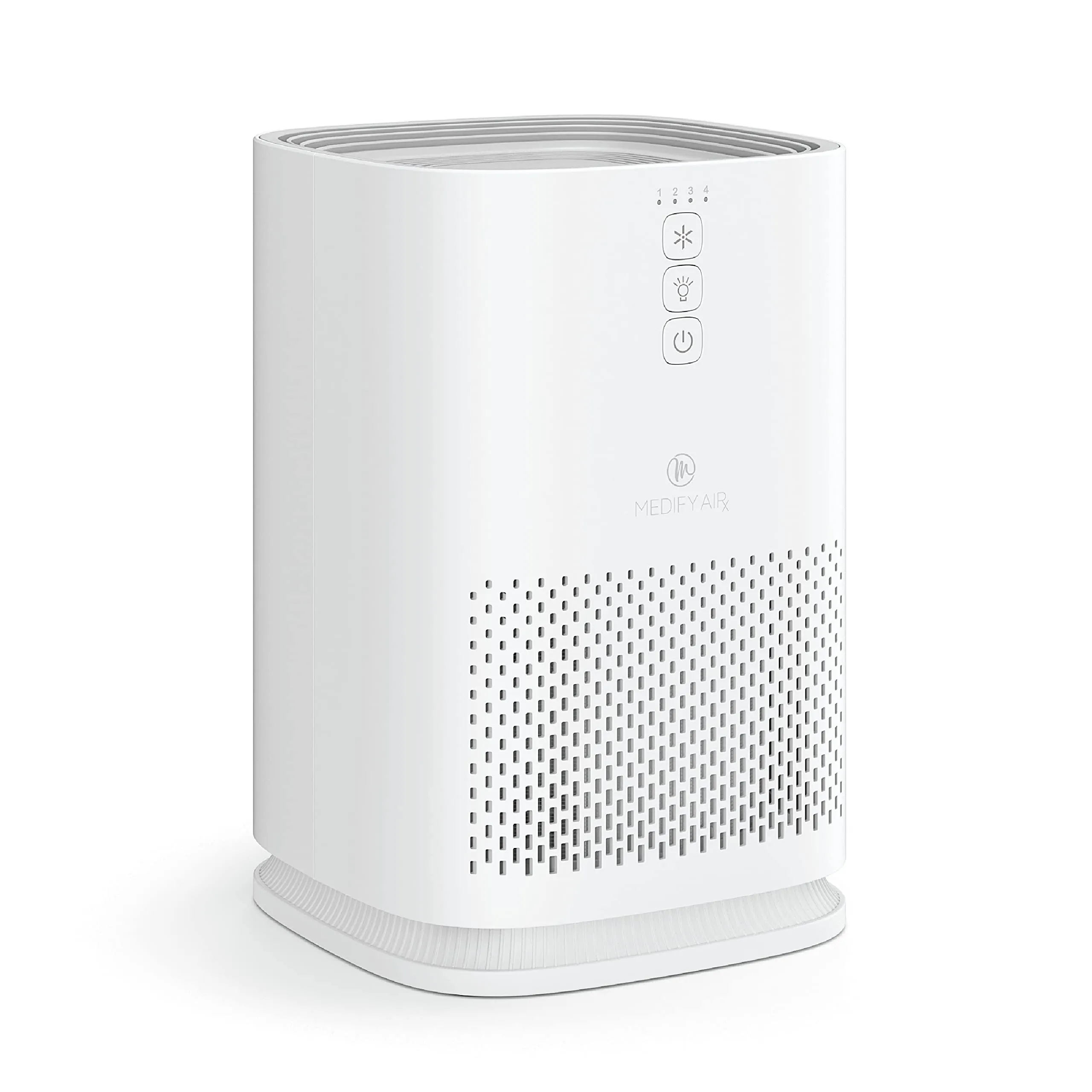
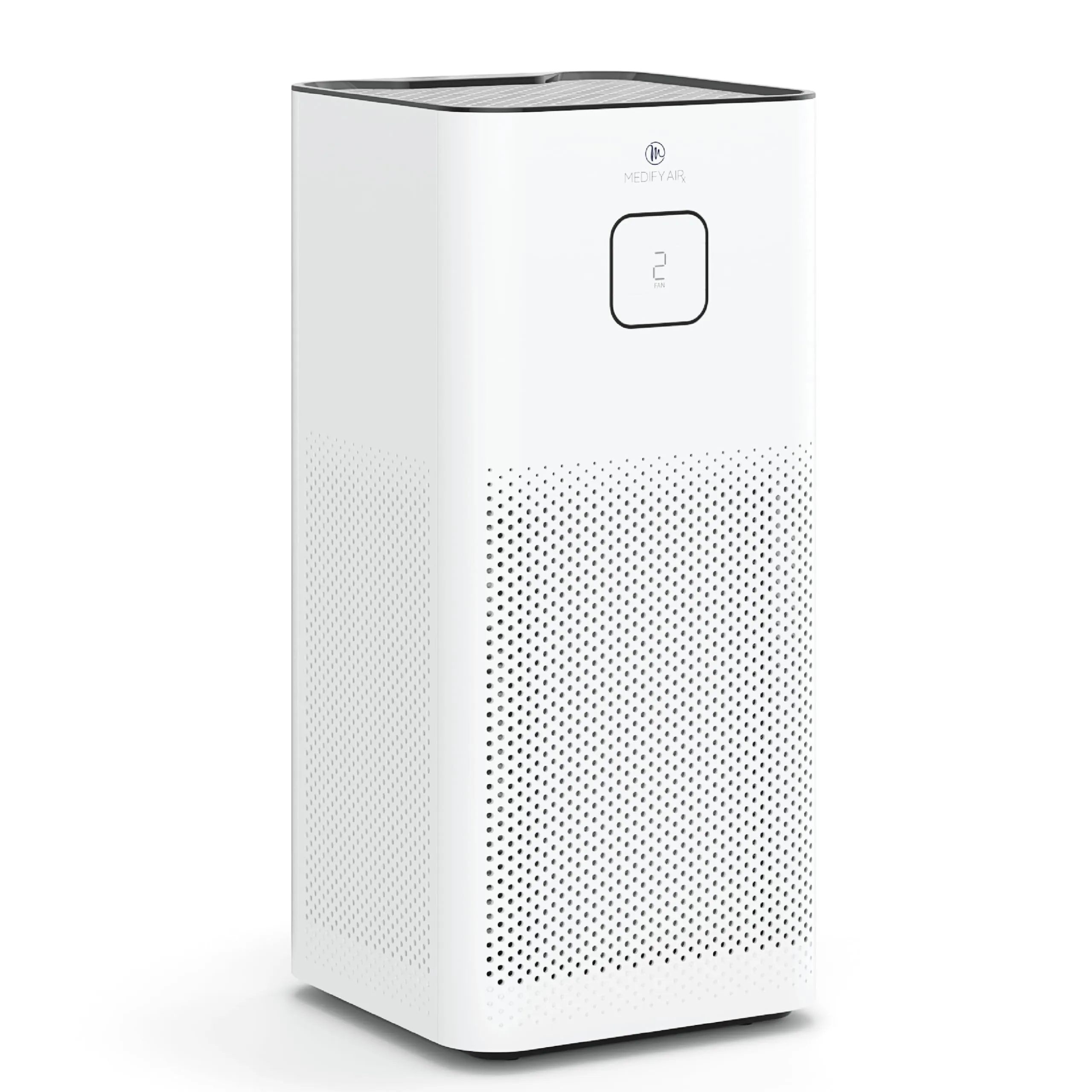
Is the Medify MA-14 good for bedrooms?
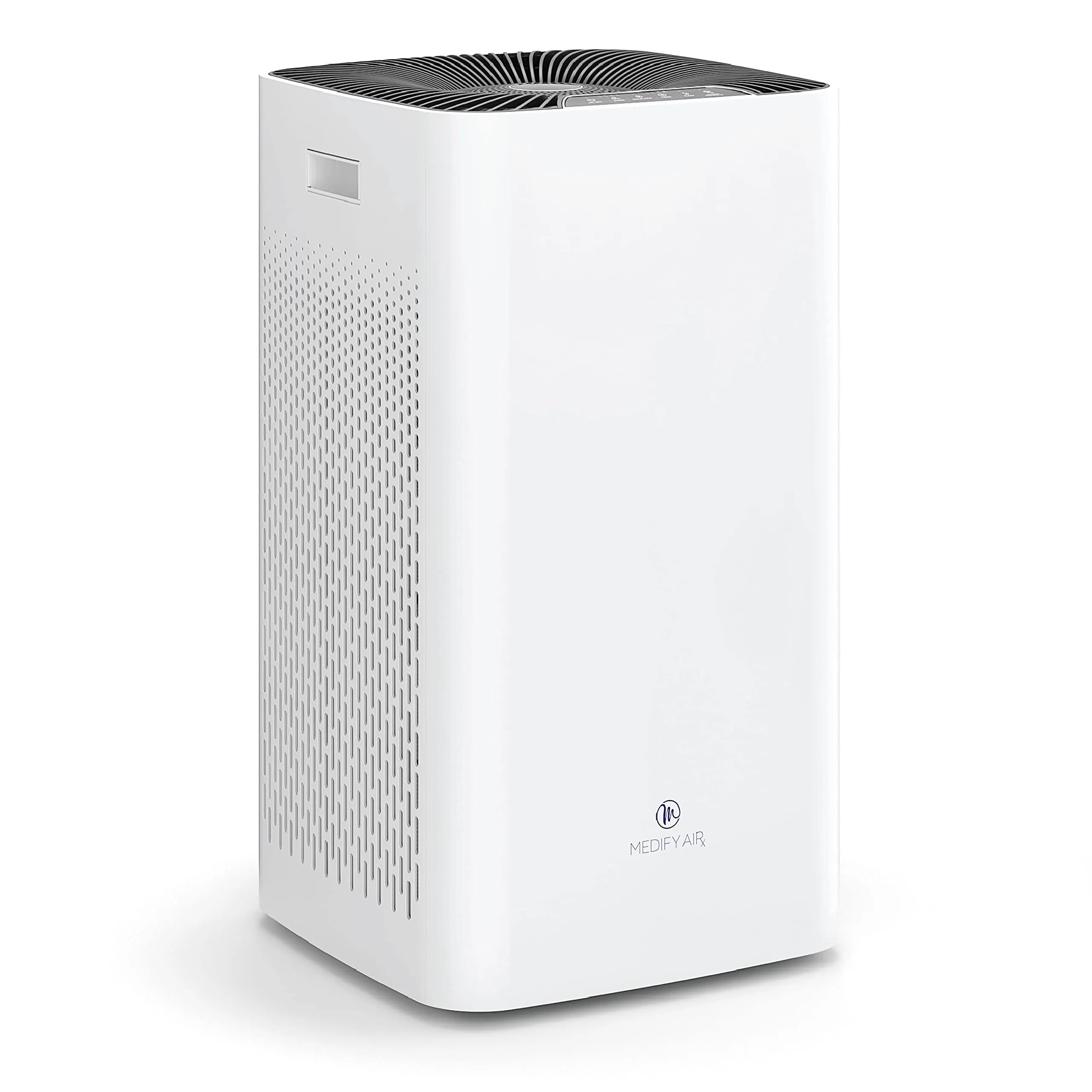
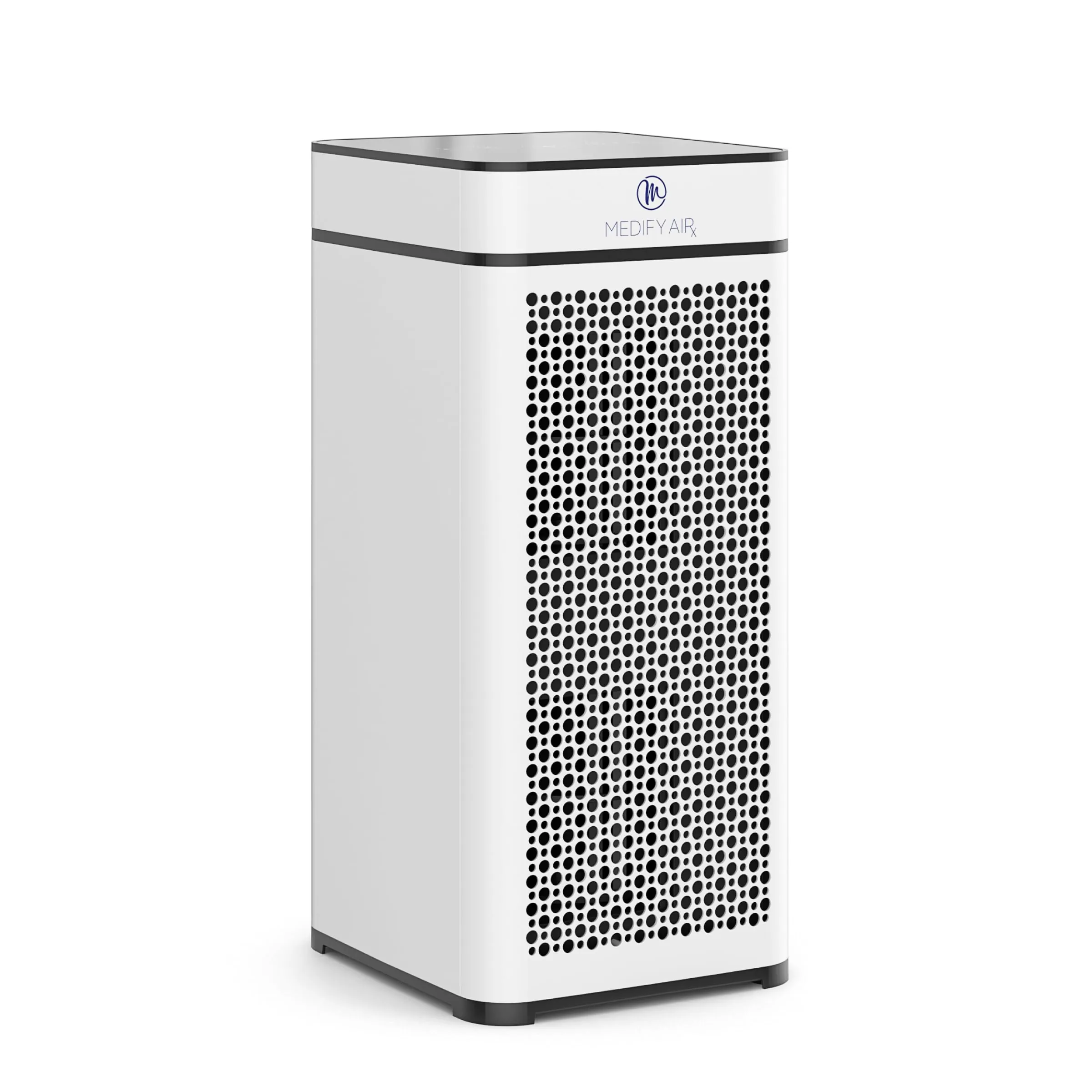
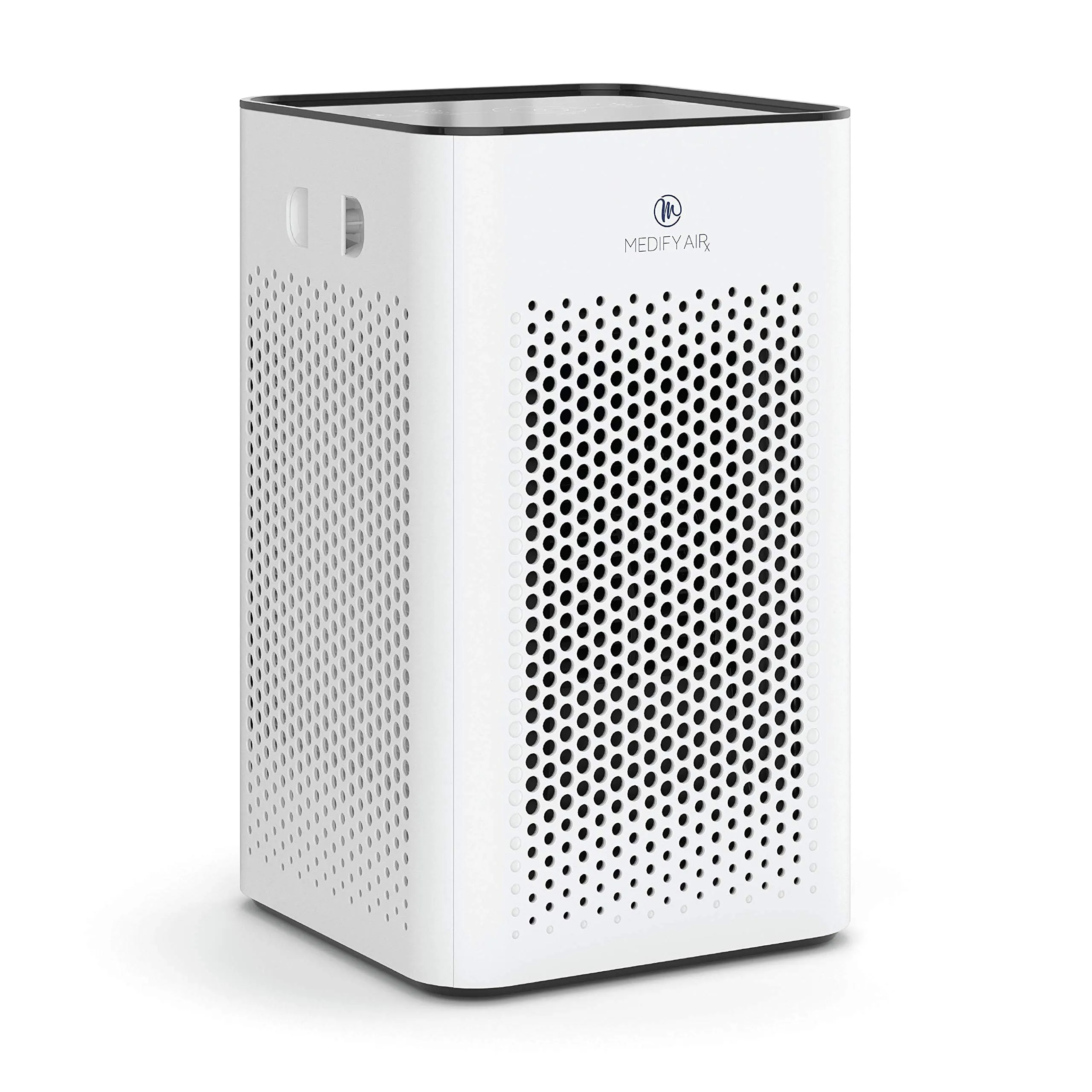
Yes, it appears well suited to bedroom use thanks to its compact size, sleep mode, dimmable panel, and generally positive feedback on low-speed noise. That said, user opinions on noise are mixed at higher settings, so it is likely a better fit for bedrooms when run on lower speeds overnight.
How well does the Medify MA-14 handle odors and pet air issues?
Buyer feedback suggests it does a useful job with everyday odors, including pet-related smells and cooking odors in smaller spaces. Reviews also mention reduced dust and fresher-feeling rooms. Results will still depend on room size, layout, and how strong the odor source is.
Is the Medify MA-14 easy to use?
Yes. It uses straightforward touch or button-style controls for power, fan speed, night light, sleep mode, and filter replacement alerts. There is no complex setup or app pairing, which keeps daily use simple for people who want a plug-in purifier without extra software.
How noisy is the Medify MA-14?
Noise is one of the main mixed areas. Low and sleep settings are often described as quiet, but several users say the higher fan levels are more noticeable and less suitable for sleeping. It is best viewed as flexible for noise, rather than consistently quiet at every speed.
Does the Medify MA-14 have smart home features?
No. The listed specifications say it is not smart home compatible. There is no app control or broader connected-home integration mentioned, so it is better suited to buyers who prefer manual controls over remote access or automation.
What are the main downsides of the Medify MA-14?
The main drawbacks are mixed noise feedback, ongoing replacement filter cost, and some isolated quality-control concerns in reviews. It also offers a fairly basic feature set, with no smart functions or air quality display mentioned for users who want more operating feedback.
Is the Medify MA-14 suitable for small spaces?
Yes. Its compact body, low weight, and tabletop-friendly format make it a practical option for bedrooms, offices, nurseries, and smaller living areas. It should be especially appealing where floor space is limited and buyers want something easy to reposition between rooms.
How often does the filter need replacing?
Based on the provided details, the replacement filter is rated for 2,500 hours, or about 3 to 4 months. Actual timing will depend on use intensity and indoor air conditions. Heavier smoke, dust, or pet exposure may lead some households to replace filters more often.