HouseholdRanker
Menu
Honeywell Home RTH6580WF vs TempPro TP50

Comparison

Honeywell Home RTH6580WF vs TempPro TP50

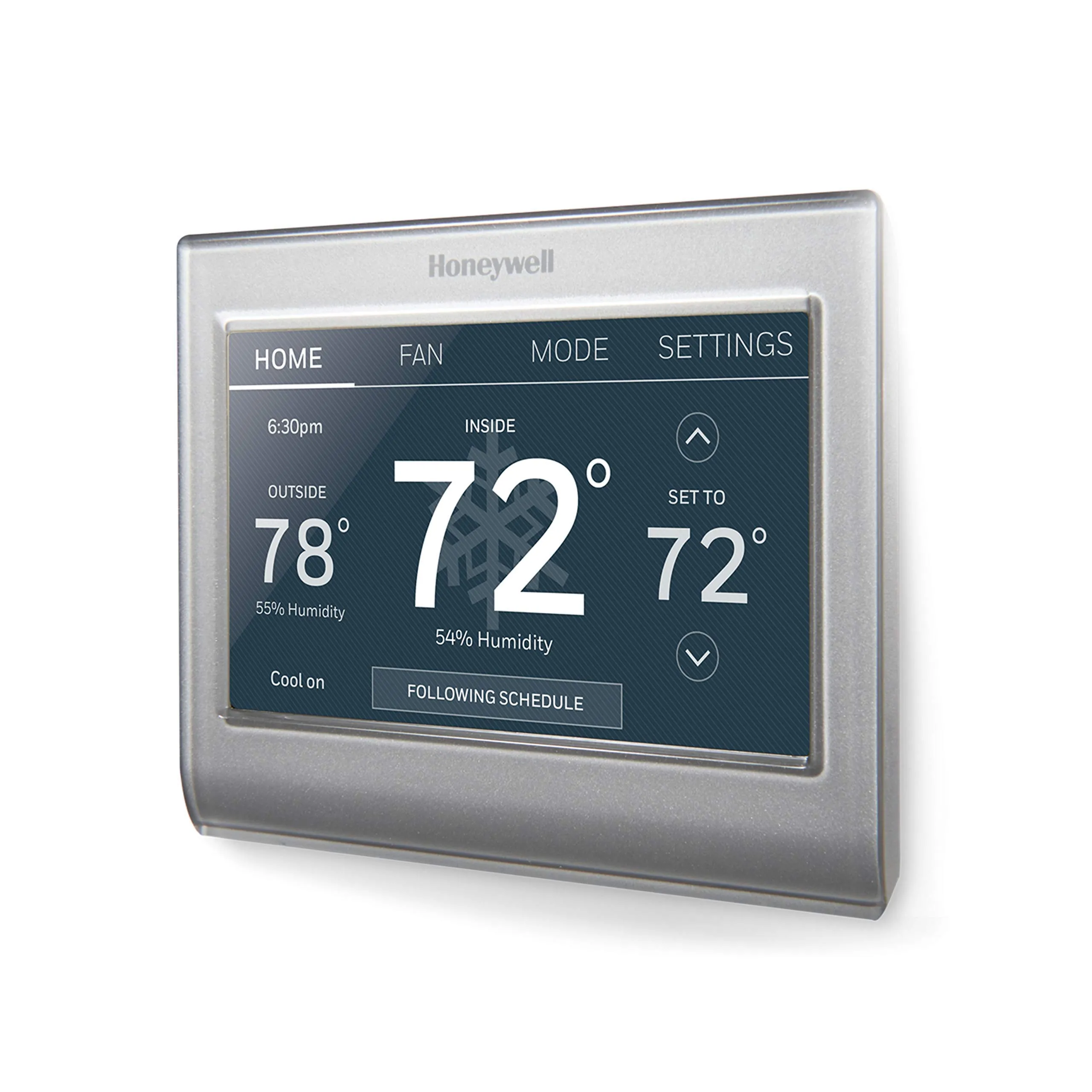
Honeywell Home RTH6580WF and TempPro TP50 both help manage home comfort, but they do it in very different ways. The Honeywell is a Wi‑Fi 7‑day programmable thermostat designed to control your HVAC system remotely, while the TempPro is a small, battery-powered temperature and humidity monitor you can place almost anywhere. Choosing between them mainly comes down to whether you need control (thermostat) or measurement (hygrometer).

Expert tested Data driven Unbiased reviews Updated 18 May 2026
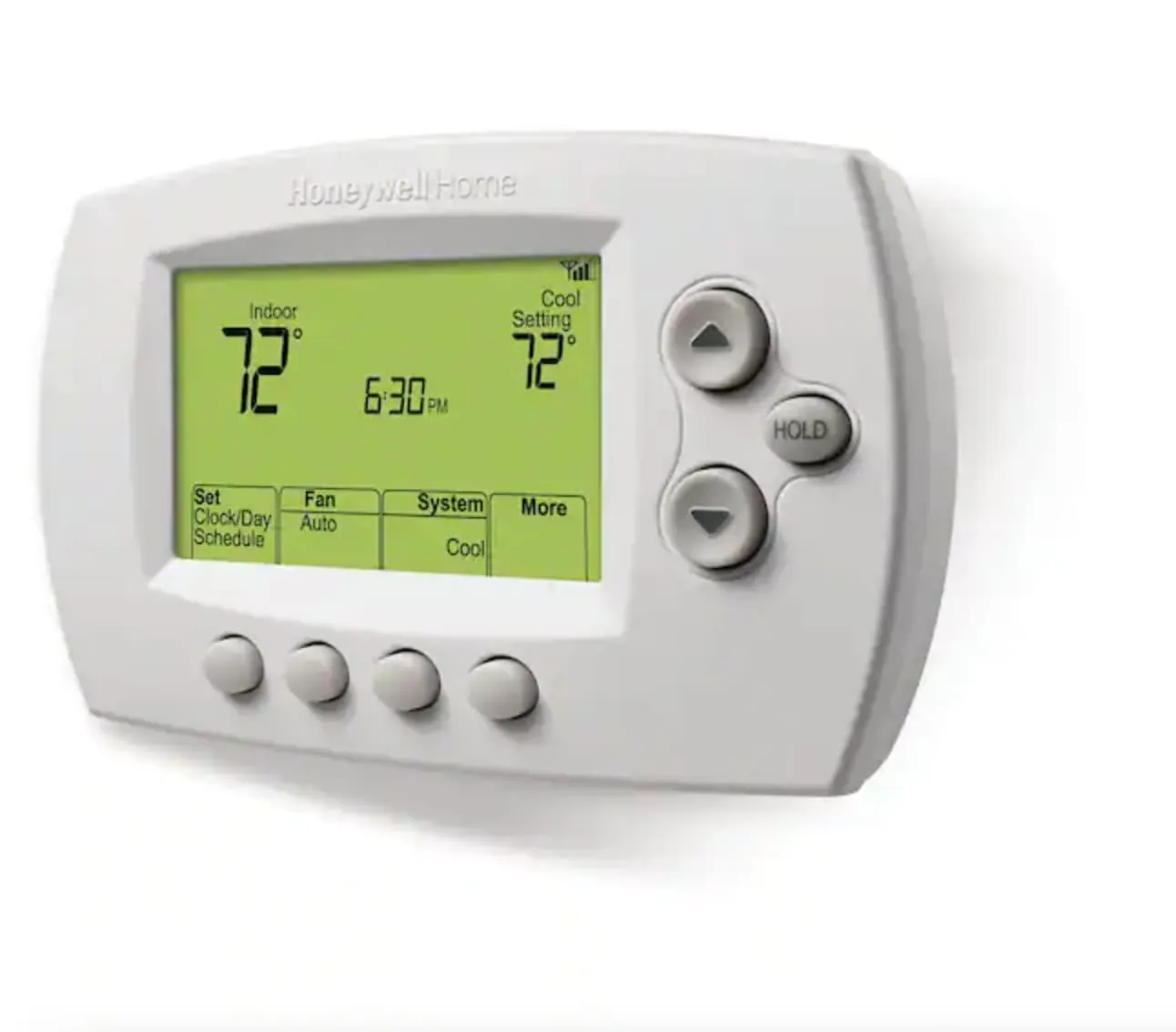
Honeywell Home RTH6580WF Wi-Fi 7-Day Programmable Thermostat

#1 Overall Winner

Honeywell Home RTH6580WF Wi-Fi 7-Day Programmable Thermostat

73/100
  • Wi‑Fi remote control and scheduling via Honeywell apps/web access
View review
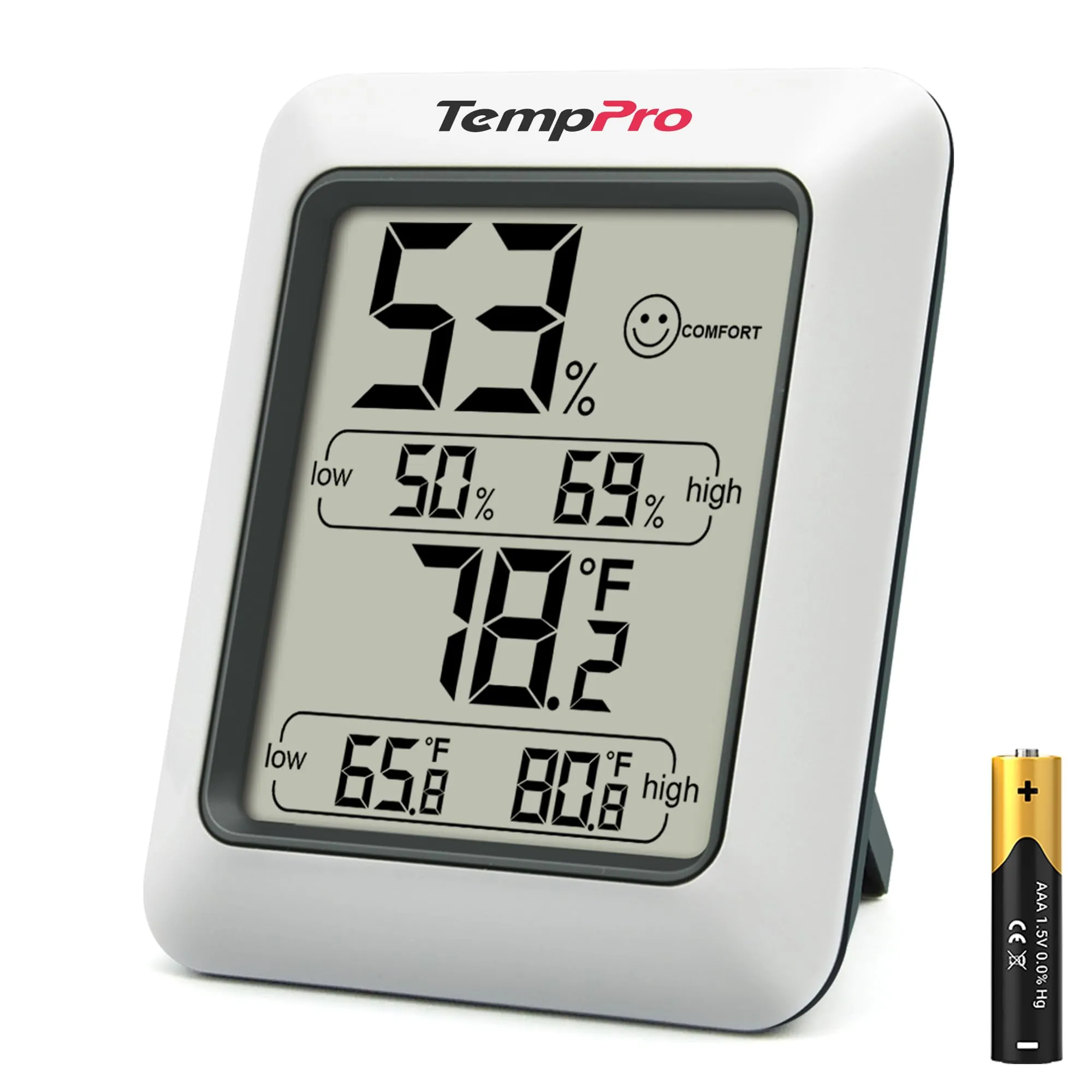
TempPro TP50 Digital Hygrometer Indoor Thermometer & Humidity Gauge

Contender

TempPro TP50 Digital Hygrometer Indoor Thermometer & Humidity Gauge

86/100
  • Fast, simple setup and immediate readings (works out of the box for many buyers)
View review

Quick verdict

Choose Honeywell Home RTH6580WF if you want a budget-friendly smart thermostat to control heating and cooling remotely and run a weekly schedule (and your system has a C‑wire). Choose TempPro TP50 if you want a simple, portable temperature/humidity monitor for spotting dry or damp rooms without apps, accounts, or Wi‑Fi setup.

Overall winner

Depends on your needs

At-a-glance comparison

Feature Honeywell Home RTH6580WF Wi-Fi 7-Day Programmable Thermostat TempPro TP50 Digital Hygrometer Indoor Thermometer & Humidity Gauge Winner
Product type Wi‑Fi 7‑day programmable thermostat Digital hygrometer/indoor thermometer Depends
Primary purpose Control heating/cooling schedules and setpoints Display temperature and humidity readings Depends
Remote control Yes (app/web over Wi‑Fi) No Honeywell Home RTH6580WF Wi-Fi 7-Day Programmable Thermostat
Smart home / voice assistants Alexa/Google Assistant/Microsoft Cortana support stated Not smart home compatible Honeywell Home RTH6580WF Wi-Fi 7-Day Programmable Thermostat
Humidity measurement Not stated Yes (10%–99% operating humidity; comfort indicator) TempPro TP50 Digital Hygrometer Indoor Thermometer & Humidity Gauge
Installation complexity DIY HVAC wiring; C‑wire required; wall mount Insert AAA battery; tabletop or magnetic placement TempPro TP50 Digital Hygrometer Indoor Thermometer & Humidity Gauge
Compatibility constraints Not for electric baseboard (120–240V); HVAC system types listed Independent monitor; no HVAC compatibility needed TempPro TP50 Digital Hygrometer Indoor Thermometer & Humidity Gauge
Display usability Large backlit digital display Easy-to-read display; no backlight mentioned Honeywell Home RTH6580WF Wi-Fi 7-Day Programmable Thermostat
Data/history Scheduling and app/web control; advanced settings on device High/low records for temperature & humidity Depends
Connectivity stability Wi‑Fi setup/connectivity mixed in reviews No connectivity required TempPro TP50 Digital Hygrometer Indoor Thermometer & Humidity Gauge
Portability Wall-mounted thermostat; not intended to move often Very portable; small and lightweight TempPro TP50 Digital Hygrometer Indoor Thermometer & Humidity Gauge
Value proposition Low-cost smart thermostat with remote control features Very low-cost monitor with strong satisfaction Depends

Detailed comparison

Home Use

In everyday home use, the Honeywell RTH6580WF acts as a central control point for your HVAC—useful if you travel, keep irregular hours, or want schedules that automatically adjust temperatures. The TempPro TP50 is more of a “spot checker” you can move around the house to learn which rooms run damp, dry, warm, or cool, and then decide what to do (run a humidifier/dehumidifier, adjust vents, or change thermostat settings).

Climate Comfort

Both products support comfort, but at different levels. The Honeywell RTH6580WF can actively change heating/cooling operation through schedules and remote adjustments, which can make day-to-day comfort more consistent. The TempPro TP50 can’t change your climate by itself, but it’s very useful for identifying humidity swings (for example, a damp basement or a dry bedroom in winter) and validating whether your humidifier or dehumidifier is making a difference.

Performance

For their main jobs, both products perform well when used as intended. Honeywell RTH6580WF generally delivers strong thermostat functionality—remote access, scheduling, and a readable interface—while reviews suggest performance is solid once installed and connected. The main performance risk is that Wi‑Fi setup can be finicky for some homes and a subset of buyers report failures after a few months.

TempPro TP50 performs strongly as a monitor: buyers frequently describe the readings as accurate and responsive, with helpful high/low tracking. Its main performance downside shows up over time if a unit stops working.

Reliability

Reliability is mixed for both, but in different ways. For Honeywell RTH6580WF, many users describe stable day-to-day operation after installation, yet there are repeated mentions of Wi‑Fi setup issues and some reports that units fail after a few months. That suggests it can be dependable in the right setup but not universally problem-free.

TempPro TP50 often earns “works right out of the box” feedback and consistent readings, but multiple customers also report the device stopping after around six months. If long-term dependability is critical, it’s worth considering buying more than one monitor or planning for replacement.

Climate Control

For active climate control, Honeywell RTH6580WF is the relevant device because it directly manages heating and cooling modes and setpoints for compatible HVAC systems. Its Smart Response and auto changeover features can help maintain target temperatures more smoothly. TempPro TP50 does not control climate equipment, but it adds visibility into both temperature and humidity—especially useful in places your thermostat doesn’t represent well, like basements, nurseries, or greenhouses.

Honeywell Home RTH6580WF Wi-Fi 7-Day Programmable Thermostat

Pros

  • Wi‑Fi remote control and scheduling via Honeywell apps/web access
  • Works with voice assistants (Amazon Alexa, Google Assistant, Microsoft Cortana) for basic control
  • Large backlit display with straightforward on-device controls
  • Useful scheduling features including auto changeover and Smart Response learning
  • Energy Star certified and positioned as energy-efficient
  • Strong ease-of-use feedback overall (easy install, simple programming)
  • Good fit for common HVAC types including forced air, hot water/steam, and heat pumps with electric backup

Cons

  • Requires a C‑wire for power; not compatible with electric baseboard heat (120–240V)
  • Wi‑Fi setup/connectivity is mixed in reviews, with some users reporting pairing difficulties
  • Reliability feedback is mixed, including reports of failures after a few months
  • Some advanced configuration options are only accessible on the device, not remotely
  • App availability may vary by region (some reviews mention it not working in certain countries)
  • Plastic construction may feel less premium than higher-end thermostats
Honeywell Home RTH6580WF Wi-Fi 7-Day Programmable Thermostat

TempPro TP50 Digital Hygrometer Indoor Thermometer & Humidity Gauge

Pros

  • Fast, simple setup and immediate readings (works out of the box for many buyers)
  • Tracks temperature and humidity with quick refresh updates (every 10 seconds)
  • High/low records for both temperature and humidity help spot trends and extremes
  • Very easy to read at a glance, with compact, space-friendly design
  • Flexible placement with tabletop stand and magnetic back
  • No app/account needed (no connectivity), keeping operation simple
  • Strong buyer satisfaction and value perception for the price

Cons

  • No smart features: no Wi‑Fi, app, voice assistant support, or remote monitoring
  • Durability is a recurring concern, with some reports of the device stopping after ~6 months
  • No backlight mentioned; some buyers report it’s hard to read at night
  • Accuracy is generally praised, but some comparisons show small variances versus other instruments
  • Limited automation beyond displaying readings and recording highs/lows
TempPro TP50 Digital Hygrometer Indoor Thermometer & Humidity Gauge

Final verdict

There isn’t a single “best” here because Honeywell Home RTH6580WF and TempPro TP50 serve different roles. If you need a device that actively controls your HVAC, the Honeywell is the clear choice, with remote access, 7‑day scheduling, and a readable backlit display; its main drawbacks are C‑wire/compatibility requirements and mixed long-term reliability and Wi‑Fi setup feedback.

If you want a simple way to track temperature and humidity across rooms, the TempPro TP50 is the stronger pick thanks to its easy setup, compact design, and high buyer satisfaction; its main limitation is the lack of smart/remote features and recurring reports of some units failing after months.

Overall winner

Depends on your needs

Frequently asked questions

Which is better, Honeywell Home RTH6580WF or TempPro TP50?

They solve different problems. Honeywell Home RTH6580WF is a Wi‑Fi thermostat that can control your heating and cooling and follow a 7‑day schedule. TempPro TP50 is a standalone temperature and humidity monitor for checking conditions in a room. If you need HVAC control, choose Honeywell; if you only need readings, choose TempPro.

Can the TempPro TP50 control my heating or air conditioner?

No. The TempPro TP50 displays temperature and humidity (plus high/low records), but it does not connect to your HVAC system and does not provide control features like scheduling, remote access, or mode switching. It’s best used as a monitoring tool to help you decide when to run a heater, AC, humidifier, or dehumidifier.

Do I need a C-wire for the Honeywell Home RTH6580WF?

Yes. The RTH6580WF requires a C‑wire for power and is designed for typical 24VAC HVAC thermostat wiring. Before buying, it’s important to check your current thermostat wiring and system compatibility. It is also stated as not working with electric baseboard heat (120–240V).

Which one is easier to set up?

The TempPro TP50 is generally easier: insert the included AAA battery and place it on a tabletop or attach it magnetically. The Honeywell RTH6580WF is a DIY wall install that involves wiring and a Wi‑Fi/app setup; many users find it straightforward, but reviews show some people run into Wi‑Fi connection or setup steps that require extra patience.

Which is better for tracking humidity problems in a basement?

TempPro TP50 is the more direct fit because it measures humidity and shows a quick “dry/comfort/wet” indicator plus high/low records. Honeywell RTH6580WF is focused on controlling heating and cooling, not measuring humidity. A TP50 can help you decide when a dehumidifier needs to run and whether conditions are improving.

Does the Honeywell Home RTH6580WF work with Alexa or Google Assistant?

Yes. The product details state compatibility with voice assistants such as Amazon Alexa, Google Assistant, and Microsoft Cortana for voice control. Keep in mind that voice control and app access depend on a stable Wi‑Fi connection and successful setup, and buyer feedback on connectivity setup is mixed.

Are there reliability concerns with either product?

Both have some caveats in reviews. For the Honeywell RTH6580WF, reliability feedback is mixed, including reports of units failing after a few months for some buyers. For the TempPro TP50, many users report dependable readings, but there are repeated mentions that some units stop working after around six months. Individual experiences vary.

Which is better value for money?

Value depends on what you need. The TempPro TP50 is a low-cost way to get temperature and humidity readings with high/low memory and easy placement. The Honeywell RTH6580WF costs more but adds HVAC control, scheduling, and remote access, which can be worth it if you’ll actually use those features and your home is compatible (including having a C‑wire).

Related comparisons

Still not sure which one to choose?

Check our rankings and expert guides to find the best home lifestyle products for your goals.

View all rankings