#1 Overall Winner
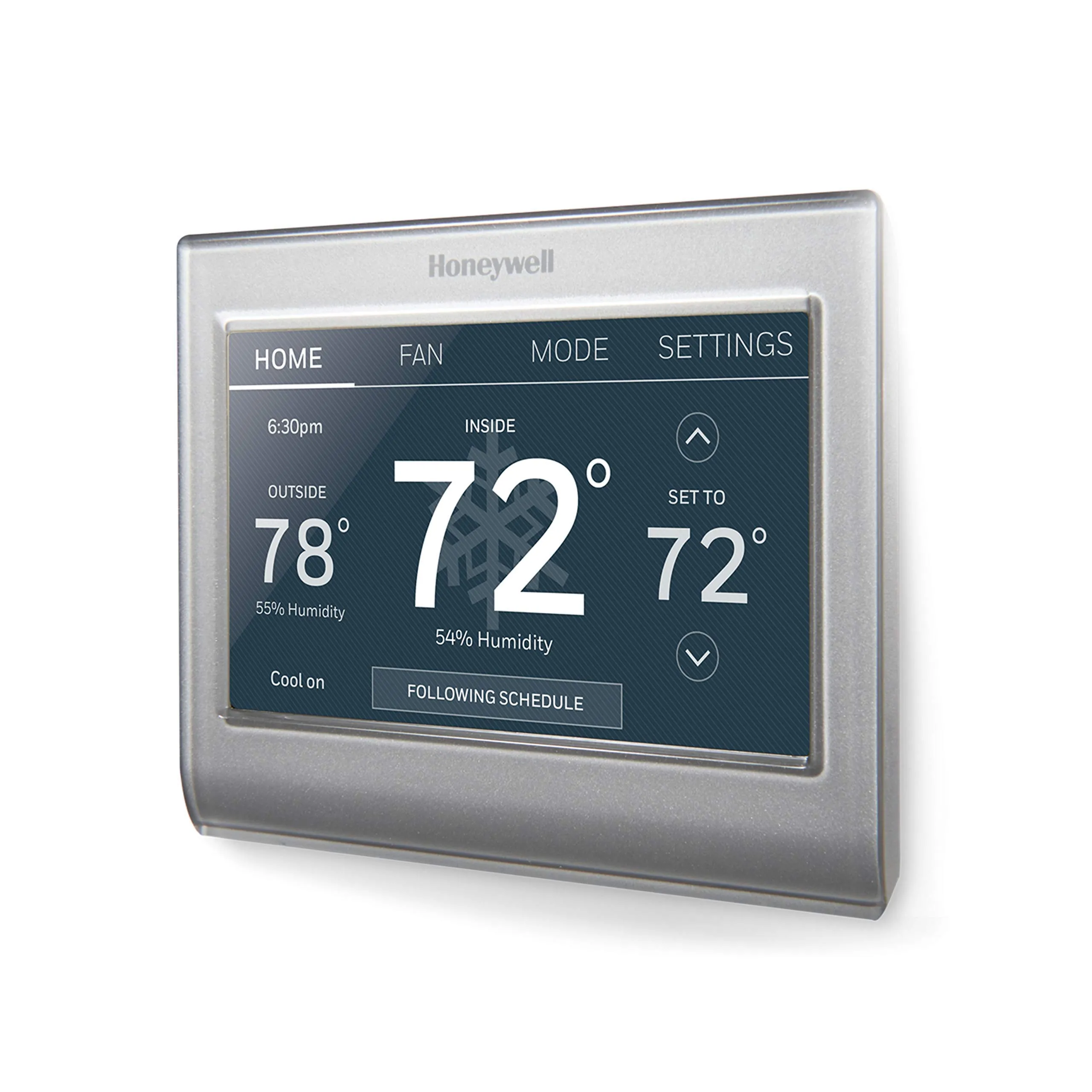
Honeywell Home RTH9585WF1004 Wi-Fi Smart Color Thermostat
- Customizable color touchscreen with clear on-device controls
Comparison
The Honeywell Home RTH9585WF1004 and Sensi ST55 are Energy Star smart thermostats built for app control and voice assistants like Alexa and Google Assistant. Honeywell focuses on a color touchscreen, on-device information, and detailed comfort alerts, while Sensi prioritizes easy DIY installation, a familiar button layout, and a strong privacy stance. Your best pick largely comes down to whether you want touchscreen features or a simpler install and lower price.
#1 Overall Winner
Contender
Choose the Sensi ST55 if you want an easier DIY install, a simple app experience, and strong stated privacy positioning at a lower upfront cost. Choose the Honeywell RTH9585WF1004 if a color touchscreen, on-device details (like weather), and detailed alerts matter more—and you’re confident your system has the required C-wire and compatibility.
Overall winner
Depends on your needs
| Feature | Honeywell Home RTH9585WF1004 Wi-Fi Smart Color Thermostat | Sensi Smart Thermostat ST55 | Winner |
|---|---|---|---|
| Price (listed) | $134.99 | $90.55 | Sensi Smart Thermostat ST55 |
| Average rating | 4.3/5 | 4.4/5 | Sensi Smart Thermostat ST55 |
| Review count | 19,884 | 22,670 | Sensi Smart Thermostat ST55 |
| Primary controls | Touchscreen (color, customizable) | Physical buttons | Depends |
| C-wire requirement (as listed) | C-wire required | Not required in most applications (per listing) | Sensi Smart Thermostat ST55 |
| Smart assistants | Alexa, Google Home | Alexa, Google Assistant; also lists SmartThings & Vera | Sensi Smart Thermostat ST55 |
| On-device extras | Weather display; customizable screen color | Traditional thermostat feel; backlight | Depends |
| Maintenance reminders/alerts | Filter + humidifier pad reminders; extreme temp/humidity alerts | Maintenance reminders + equipment alerts; usage reports | Tie |
| DIY installation experience (feedback) | Mixed; delicate terminals and tighter wiring space noted | Generally easy; app steps and built-in level praised | Sensi Smart Thermostat ST55 |
| Connectivity feedback | Generally good, with some regional/app limitations reported | Mixed; some reports of Wi‑Fi drop-offs | Depends |
| Privacy emphasis (as stated) | No explicit “no sale of data” claim in listing | States it won’t sell personal information to third parties | Sensi Smart Thermostat ST55 |
| Best fit for minimalist wall footprint | Compact body; touchscreen face | Fits same space as traditional thermostat (no patch/paint) | Sensi Smart Thermostat ST55 |
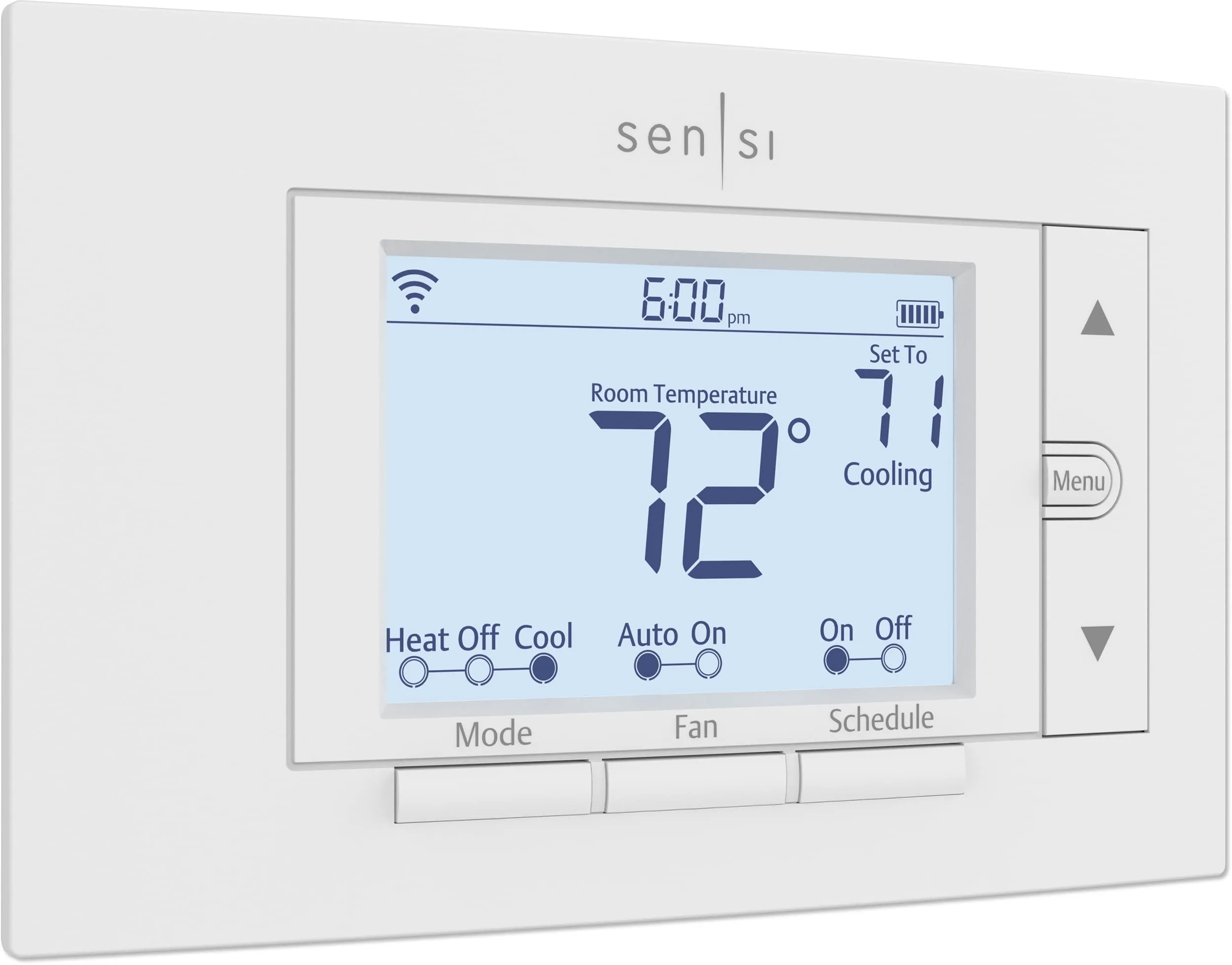
For everyday home use, both thermostats cover the basics well: schedules for workdays and weekends, quick manual adjustments, and remote changes when you’re away. Honeywell RTH9585WF1004 feels more like a “smart display” on your wall, with a touchscreen and extra on-device information. Sensi ST55 is closer to a classic thermostat experience with buttons, which can be easier for guests or family members who don’t want to learn a touchscreen.
Both products are designed to improve household comfort through better temperature control and scheduling. Honeywell RTH9585WF1004 emphasizes comfort features like auto changeover and alerts for extreme temperatures and humidity, plus reminders tied to filters and humidifier pads. Sensi ST55 leans into practical comfort management via remote access, flexible schedules, and usage reports, with many users reporting that setup and adjustments are straightforward once installed.
Both thermostats are designed to manage heating and cooling reliably with programmable schedules and remote control. Honeywell RTH9585WF1004 is often praised for accurate temperature control and convenient auto changeover, but some users report operational issues and there’s mixed reliability sentiment overall. Sensi ST55 shows stronger all-around performance in the provided comparison data and user feedback, with many reporting smooth daily operation after setup, though a minority mention Wi‑Fi connectivity interruptions that can affect remote control until reconnected.
Reliability is where the two separate most clearly. Honeywell RTH9585WF1004 has mixed reliability feedback: many owners say it works great, but there are also reports of units not functioning properly and some frustrations tied to setup and regional app limitations. Sensi ST55 trends more consistent overall, but it isn’t flawless—Wi‑Fi connectivity dropouts are a repeated theme, which can temporarily limit app/voice control even if local controls still work. If reliability is your priority, also weigh ease of returns and support.
For climate control, both support common HVAC use cases including heating and cooling (and heat pumps per their listings). Honeywell RTH9585WF1004 explicitly notes compatibility constraints (for example, it does not work with electric baseboard heat at 120–240V), so system matching matters. Sensi ST55 is described as compatible with most residential HVAC systems, but some users still needed system-specific configuration changes (such as heat pump settings) to get the best results.
These products are low-risk compared with heating appliances because they control HVAC equipment rather than generating heat themselves, but correct installation still matters. Honeywell RTH9585WF1004 requires a C-wire and has reviews noting fragile terminal connectors, so careful wiring is important to avoid loose connections that could cause system issues. Sensi ST55 includes app guidance and is often described as easy to install, which can reduce wiring mistakes for DIYers, though some HVAC setups need additional configuration steps. For either model, turning off power at the breaker and following system-compatibility checks are key safety steps.
Both thermostats can improve comfort by making it easier to keep steady temperatures and adjust settings before you arrive home. Honeywell RTH9585WF1004 adds comfort-oriented touches like auto heat/cool changeover and alerts for extreme indoor conditions, which can be helpful in homes with bigger temperature swings. Sensi ST55 supports comfort through simple scheduling, easy overrides, and (per user feedback) quick day-to-day adjustments in the app and at the wall.
Sensi ST55 is the easier choice for most users, thanks to app-guided installation, a built-in level, and physical buttons that mimic a traditional thermostat. Honeywell RTH9585WF1004 is also widely described as intuitive once installed, but setup can be more finicky due to C-wire requirements and wire-terminal handling. If multiple people will adjust settings at the wall, Sensi’s familiar controls can reduce the learning curve.
Honeywell RTH9585WF1004 is designed to stand out visually, with a bright touchscreen and customizable display color for blending into décor. Sensi ST55 prioritizes blending in: it’s meant to replace a traditional thermostat without forcing wall repairs, and its button-based layout feels familiar. If you want a more “dashboard-like” wall control, Honeywell fits that role; if you want a simple, understated thermostat face, Sensi is the cleaner match.
Both are space-efficient wall devices, but Sensi ST55 is specifically designed to fit the same space as a traditional thermostat so you’re less likely to need wall patching or paint touch-ups. Honeywell RTH9585WF1004 is also compact, but its touchscreen-first face makes it feel more like a small wall display. In tight hallways or bedrooms where you want the thermostat to visually fade into the background, Sensi’s “traditional thermostat” styling is often the easier match.
Sensi ST55 is generally the easier DIY install thanks to its app walkthrough, included wire stickers, and built-in level. It’s also marketed to work without a C-wire in most applications, which can simplify retrofits. Honeywell RTH9585WF1004 requires a C-wire and reviews mention that inserting wires into the terminals can be delicate, with limited wall-plate space. With either thermostat, identifying your HVAC type (especially heat pump vs conventional) before starting can prevent configuration mistakes.
Both thermostats use plastic housings and are designed for wall mounting. Honeywell RTH9585WF1004’s build feedback is mixed: many owners call it excellent quality, while installation reviews note delicate terminal connectors that can be easy to damage if wires are inserted forcefully. Sensi ST55 earns steadier build impressions overall, with fewer installation-related hardware complaints in the provided reviews, though long-term durability still depends on wiring quality and how often the unit is handled.
Neither listing provides detailed long-term durability specifications, so buyer feedback matters. Honeywell RTH9585WF1004’s delicate wire-terminal comments suggest extra care is needed during install to avoid damaging connectors, which can affect longevity. Sensi ST55 has fewer hardware-install complaints in the provided reviews and uses replaceable AA batteries (included), which can keep the thermostat running even in some low-power wiring setups. Long-term durability will still depend on stable wiring, careful mounting, and avoiding frequent faceplate removal.
Both are relatively low-maintenance compared with many smart-home devices. Honeywell RTH9585WF1004 emphasizes reminders for air filters and humidifier pads, plus alerts for extreme indoor conditions. Sensi ST55 also provides maintenance reminders and equipment/usage reports to help spot issues early. The practical difference is power: Honeywell is wired (C-wire required), while Sensi can use AA batteries (included), so you may need occasional battery replacement depending on your setup.
Neither thermostat is designed to be portable; both are intended for permanent wall mounting. If you move homes or plan to reuse a thermostat later, the main portability factors are how easy it is to remove and reinstall and whether your next home’s wiring is compatible. Sensi ST55 may be simpler to transfer between homes with different wiring scenarios due to its battery power option and traditional footprint, while Honeywell’s C-wire requirement can be a limiting factor.
Honeywell RTH9585WF1004 focuses on a feature-rich wall experience: a customizable color touchscreen, on-screen weather, multiple hold options (including vacation hold), auto heat/cool changeover, and alerts for filters, humidifier pads, and extreme indoor conditions. Sensi ST55 keeps features more practical and app-led, emphasizing flexible schedules, usage reports, maintenance reminders, and privacy positioning. Both support voice assistants, but Honeywell’s biggest “extra” is the information-forward touchscreen interface.
Sensi ST55’s app experience is a major strength in the provided feedback, especially for guided installation and simple schedule setup. Honeywell RTH9585WF1004’s app is generally well-liked and supports remote management, but some owners wish more features were accessible without walking to the thermostat (for example, certain “vacation” adjustments). If you prefer a phone-first experience, Sensi has the clearer advantage; if you prefer on-device control, Honeywell’s touchscreen closes the gap.
Both thermostats fit well in a smart-home routine thanks to Wi‑Fi control and voice assistants. Honeywell RTH9585WF1004 is positioned for connected-home control via app, web, and Alexa/Google Home, with a more feature-rich on-device interface. Sensi ST55 supports Alexa and Google Assistant and also lists SmartThings and Vera in its controller specs, which may suit households standardizing on common smart-home platforms.
If you want thermostat control as part of routines, both products fit: Wi‑Fi control plus voice assistants allow quick temperature changes and mode switching without walking to the wall. Honeywell RTH9585WF1004 adds a more interactive wall interface, which can matter if you often adjust settings locally. Sensi ST55 puts more emphasis on simple configuration through the app while keeping the wall controls traditional, which can be better for mixed tech-comfort households.
Both support schedule-based automation, which is the most important “hands-off” feature for saving energy without sacrificing comfort. Honeywell RTH9585WF1004 adds Smart Response-style behavior (starting adjustments ahead of scheduled times) and offers multiple hold options. Sensi ST55 focuses on practical automation via schedules plus usage reports and reminders. If you like more on-device automation controls, Honeywell has more depth; if you want simple, app-led routines, Sensi is easier.
Both thermostats use Wi‑Fi for remote control. Honeywell RTH9585WF1004 gets generally positive Wi‑Fi feedback, but several reviews highlight regional limitations where app registration or app control may not work well outside the US. Sensi ST55 has more mixed Wi‑Fi sentiment overall: many users report quick pairing and stable reconnection, but others mention the thermostat stopping connecting to the network. If remote control is mission-critical, stable home Wi‑Fi and router compatibility matter for either model.
Both are Energy Star certified and emphasize energy-management features like scheduling and usage reporting. Honeywell RTH9585WF1004 offers monthly energy reports and tips, and it also mentions utility demand response program eligibility depending on provider. Sensi ST55 highlights energy savings features and usage reports as part of its core experience. In practice, efficiency gains will depend more on your schedule setup and HVAC system than on small differences between these two models.
Privacy is a clearer differentiator here. Sensi ST55 explicitly states that it won’t sell your personal information to third parties, which may matter if you’re cautious about connected-home accounts. Honeywell RTH9585WF1004 doesn’t make the same explicit privacy statement in the provided listing, though it does require account/app connectivity for remote features. If privacy expectations are high, review account requirements and what data is shared for app access and weather features.
Sensi ST55 offers stronger value for many households because it’s lower priced while still covering core smart thermostat needs: scheduling, remote control, Energy Star certification, and voice assistant support. Its design that fits traditional thermostat spaces can also reduce “hidden costs” like wall patching. Honeywell RTH9585WF1004 can justify its higher price if you specifically want a color touchscreen experience, on-device weather, and richer alerting features. However, its C-wire requirement and more mixed reliability/value feedback can reduce its value proposition for some installs.
Both brands lean on long-standing HVAC credibility in their positioning. Honeywell Home is a widely recognized name in home controls, and many buyers cite quality and familiarity when upgrading. Emerson’s Sensi emphasizes “100 years of expertise” and backs it with strong ease-of-use feedback and a prominent privacy message. With either brand, real-world trust comes down to clear compatibility guidance, stable app support, and how smoothly issues are handled if you need help after installation.
Both thermostats have high review volumes and similar star ratings, suggesting broad satisfaction overall. Honeywell RTH9585WF1004 buyers frequently praise ease of use, app/voice compatibility, and Wi‑Fi performance, but they also report mixed reliability and value sentiment, plus some setup friction (notably wire terminals) and regional limitations for app use in certain countries. Sensi ST55 buyers commonly highlight easy installation, simple programming, and good value, with the most repeated complaint being occasional Wi‑Fi connectivity problems for some units.
Both products include documentation that references warranty materials, but the provided data doesn’t include clear warranty length or detailed support terms for either thermostat. If warranty coverage is important, check the included warranty booklet details (Sensi lists one in the box contents) and confirm the support process before buying—especially if your install is complex or you rely heavily on app connectivity.
The Sensi ST55 is the clearer overall winner for most households: it’s cheaper in the provided listings, widely praised for easy DIY installation and simple day-to-day use, and it makes a strong, explicit privacy statement. Its biggest drawback is mixed Wi‑Fi connectivity feedback, so remote control reliability can depend on your network and unit consistency.
The Honeywell Home RTH9585WF1004 is best seen as the more “feature display” option, with a customizable touchscreen, on-device weather, and detailed alerts that can make comfort management feel more informed. Its main limitations are the required C-wire, more installation sensitivity, and more mixed reliability/value sentiment. If your wiring and region are compatible and you value the touchscreen experience, it can still be a good fit.

Overall winner
Depends on your needs
The Sensi ST55 is the better all-around pick if you want an easier DIY install, a straightforward app, and a lower upfront price. The Honeywell RTH9585WF1004 stands out for its color touchscreen, on-device information (like weather), and detailed comfort features such as auto changeover and alerts. The better choice depends on whether you value touchscreen features or simpler installation and privacy emphasis.
Sensi ST55 is generally the easier DIY install based on its built-in level and app-guided setup, and it’s positioned as not requiring a C-wire in most installations. Honeywell RTH9585WF1004 requires a C-wire and reviews mention delicate wire terminals and tight wall-plate working space. Either way, checking HVAC compatibility before buying can prevent surprises.
Honeywell RTH9585WF1004 lists a C-wire as required. Sensi ST55 is marketed as not needing a C-wire in most applications, and some reviewers report running it on battery power in simpler wiring setups. However, there’s also review feedback about confusing guidance for certain systems, so it’s worth verifying your specific HVAC wiring and configuration needs.
Both support Alexa and Google Assistant control. Honeywell RTH9585WF1004 leans into a connected-home experience with a customizable touchscreen, on-device and app weather views, and a range of alerts and holds. Sensi ST55 focuses more on practical smart features like schedules, remote access, and usage reports, while keeping a traditional button-based interface.
Sensi ST55 gets strong feedback for an intuitive app that guides installation and makes schedules simple to manage. Honeywell RTH9585WF1004’s app is generally described as user-friendly, but some reviews note limitations (for example, wanting more functions like vacation settings handled fully in-app). If app-first control matters most, Sensi tends to be the safer bet from the provided feedback.
Based on the provided review summaries and scoring interpretation, Sensi ST55 appears more consistent overall, though it still has mixed reports about Wi‑Fi staying connected. Honeywell RTH9585WF1004 has more mixed reliability sentiment, with some owners reporting great performance and others saying the unit didn’t function properly. If reliability is your top priority, also consider return policies and warranty details before installing.
Both are compact wall-mounted thermostats and don’t take up meaningful floor or counter space. Sensi ST55 may be easier for renters or apartment owners who want a thermostat that fits the same space as a traditional unit (reducing the chance of wall patching), while Honeywell RTH9585WF1004 can be appealing if you want a more visual touchscreen interface.
For Honeywell RTH9585WF1004, some reviews mention app/registration limitations outside the US, and the product notes specific HVAC compatibility limits (such as not working with electric baseboard heat at 120–240V). Sensi ST55 is broadly described as compatible with most residential systems, but some buyers note that certain HVAC setups may require extra configuration steps not fully covered in the box.
Check our rankings and expert guides to find the best home lifestyle products for your goals.