#1 Overall Winner
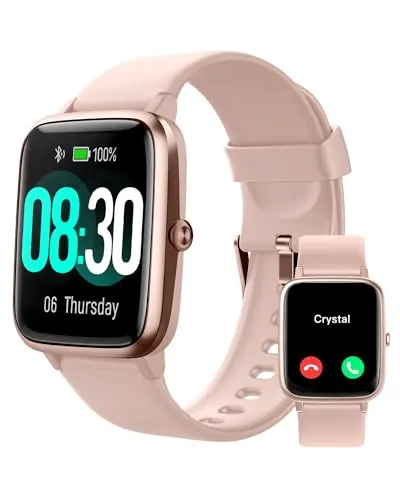
GRV Smart Watch for iOS and Android Phones (Answer/Make Calls) (FC1)
- Low purchase price for a smartwatch with calling and notification support
Comparison
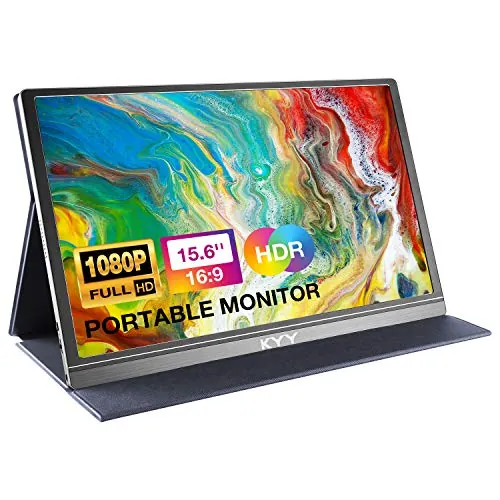
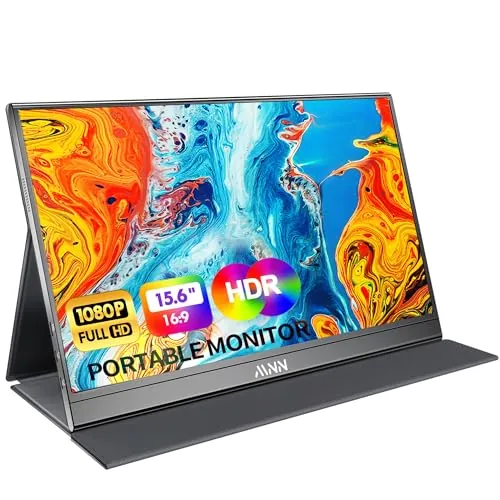
The GRV Smart Watch FC1 and the MNN 15.6-inch portable monitor solve different everyday problems: the GRV focuses on on-wrist calls, notifications, and fitness/health tracking, while the MNN adds a plug-and-play second screen for work and travel. Based on buyer feedback, the GRV stands out for price and features but has more mixed reports around reliability and durability, while the MNN is praised for easy setup and display quality with cable and speaker compromises.
#1 Overall Winner
Contender
Choose the GRV Smart Watch FC1 if you want an inexpensive smartwatch for steps, heart rate/sleep tracking, and seeing calls/notifications on your wrist. Choose the MNN 15.6-inch portable monitor if you want a simple, travel-friendly second screen for a laptop or compatible phone—especially for remote work and multitasking. The GRV offers more features per dollar, while the MNN is more consistently praised for day-to-day performance.
Overall winner
Depends on your needs
| Feature | GRV Smart Watch for iOS and Android Phones (Answer/Make Calls) (FC1) | MNN Portable Monitor 15.6-inch FHD 1080P (M156F01) | Winner |
|---|---|---|---|
| Product type | Smartwatch / fitness tracker | Portable external monitor | Depends |
| Typical use case | Calls, notifications, steps, heart rate, sleep | Second screen for laptop/phone/console | Depends |
| Price (listed) | $32.89 | $49.98 | GRV Smart Watch for iOS and Android Phones (Answer/Make Calls) (FC1) |
| Customer rating snapshot | 4/5 (13,703 reviews) | 4.3/5 (11,415 reviews) | MNN Portable Monitor 15.6-inch FHD 1080P (M156F01) |
| Connectivity method | Bluetooth to smartphone | USB-C and mini HDMI | Depends |
| Core performance (intended job) | Fitness tracking + wrist notifications/calls (mixed consistency in reviews) | 1080p IPS display as a second screen (strong feedback) | MNN Portable Monitor 15.6-inch FHD 1080P (M156F01) |
| Ease of setup | Pairing + app setup required | Plug-and-play for many users | MNN Portable Monitor 15.6-inch FHD 1080P (M156F01) |
| Portability | Wearable, very light | Slim, travel-friendly but bag-carried | Tie |
| Customization | 200+ faces + DIY photo faces (per listing) | Display modes + HDR toggle (per listing) | Depends |
| Reliability concerns noted | Random stoppages, charging/connection issues reported by some | Faulty included USB-C cable reported; monitor otherwise stable in reviews | MNN Portable Monitor 15.6-inch FHD 1080P (M156F01) |
| Durability feedback | Mixed; band breakage mentioned; some long-term positive reports | Generally feels sturdy; limited long-term evidence | Depends |
| Ongoing maintenance | Charging + strap care + app syncing | Protect screen/cover; manage cables | MNN Portable Monitor 15.6-inch FHD 1080P (M156F01) |
| Privacy/data sensitivity | Health data + app syncing | Direct display accessory (no app mentioned) | MNN Portable Monitor 15.6-inch FHD 1080P (M156F01) |
| Best fit for small spaces | Minimal physical space; worn on wrist | Adds screen space without a full-size monitor footprint | Tie |
In everyday home use, these products play very different roles. The GRV FC1 is about personal routines—tracking movement, sleep, and health metrics while keeping basic communication visible from your wrist. The MNN monitor is about your space and workflow—adding screen real estate at a desk, kitchen table, or wherever you set up a laptop.
If your day involves meetings, spreadsheets, or multitasking at home, the portable monitor can make a bigger practical difference. If your priority is staying on top of movement goals, reminders, and quick phone visibility during chores or errands, the smartwatch fits more naturally.
For their main jobs, the MNN portable monitor shows stronger consistency: reviews repeatedly describe a clear 1080p picture, quick connection, and smooth use as an extended display for laptops and other compatible devices. The GRV FC1 can deliver a lot for the price—activity tracking, heart rate/sleep features, and on-wrist notifications—but buyer experiences are more uneven, with mentions of random stoppages, occasional tracking quirks, and connectivity/charging frustrations for some users.
If you want predictable performance with minimal troubleshooting, the monitor is the safer bet. If you’re comfortable with a budget wearable that may vary by unit and setup, the GRV can still meet basic needs well.
Reliability signals are more mixed for the GRV FC1. The aggregated feedback and reviews include reports of random stoppages, inconsistent sleep capture for some users, occasional screen glitches, and charging failures in some cases—though there are also strong positive reports, including multi-year use from at least one reviewer. The MNN monitor’s reliability looks stronger overall in the provided feedback, with most users reporting it works immediately and consistently; the standout reliability risk is accessory quality, particularly the included USB-C cable in one report.
For the GRV FC1, the main safety considerations are typical wearable ones: skin irritation from a tight or wet strap is mentioned, so swapping straps and keeping the area dry can help. It’s also an app-connected device that collects health metrics, so be mindful about what you share and how you secure accounts on your phone.
For the MNN monitor, safety is mostly about using good cables and power practices. One review reports a faulty USB-C cable that triggered a phone port warning; using a reputable, display-capable cable and checking connections helps reduce risk. Neither product includes verified safety certifications in the provided data.
Comfort means different things here. The GRV FC1 can improve daily comfort by reducing phone-checking and supporting routines through reminders, health tracking, and a lightweight fit—though some users mention strap/skin irritation and the need to swap bands. The MNN monitor improves “work comfort” by reducing window juggling and eye strain from cramped laptop-only setups, especially for remote work or travel. Choose based on whether you want physical-wear comfort (GRV) or workspace comfort (MNN).
The MNN monitor tends to be easier day to day: many users describe it as plug-and-play with straightforward mode switching in their computer settings, and the cover/stand simplifies positioning. The GRV smartwatch requires pairing and app setup, plus ongoing syncing for faces and metrics; reviews suggest it can be simple, but also highlight occasional glitches (like watch-face resets) and mixed connectivity experiences that can add extra steps.
The GRV FC1 is designed to look like a modern square smartwatch with a bright, customizable on-wrist display and a silicone strap, making it easy to wear all day. The MNN is designed for minimal desk footprint: a thin 15.6-inch matte display with a folding cover/stand that stores flat and travels well.
Design preference depends on use: wrist comfort and style customization (GRV) versus a clean, portable workstation extension (MNN).
“Capacity” is most relevant for the MNN monitor because screen size is the key capacity-like spec. At 15.6 inches with 1080p resolution, it provides meaningful extra workspace for side-by-side documents and extended desktop use. The GRV smartwatch is not a capacity-driven product in the same way; its screen is built for glanceable information rather than expanded viewing. If you want more visual workspace, the MNN clearly fits that need better.
Both products are space-efficient. The GRV FC1 takes virtually no home space beyond a small charger and can reduce the need to keep your phone in hand. The MNN monitor adds a second screen without the bulk of a full-size desktop monitor, and the folding cover/stand helps it store flat. For tiny living spaces, GRV is the smallest footprint; for small desks, MNN is a practical way to gain screen area without permanent clutter.
Neither product is “noisy” in typical operation. The GRV smartwatch is silent aside from vibration alerts. The MNN monitor does include speakers, and one review specifically notes weak sound quality; if audio matters, many users will prefer headphones or the laptop’s speakers. For quiet environments like shared rooms, both are generally suitable.
The MNN monitor has a light “installation” load: unfold the cover/stand, connect USB-C (or HDMI plus power if needed), and set your display mode. Reviews frequently describe it as working in seconds. The GRV watch “installs” via pairing and app setup, plus permissions for notifications and health syncing. That setup is still manageable, but it’s more steps than a monitor and can be impacted by phone compatibility and Bluetooth behavior.
The MNN monitor is often described as sturdy for a slim travel display, and the PU-style smart cover adds protection when it’s in a bag. The GRV FC1 is lightweight and comfortable, but build-related feedback is more mixed: some buyers report strap wear or breakage and other durability concerns, while others report multi-year use. If you prioritize a more consistently “solid” feel based on the provided feedback, the MNN has the edge.
The GRV FC1 durability picture is uneven: some buyers report band breakage or the device quitting after months, while others report using it for years (often with band replacement). The MNN monitor is designed for travel with a protective cover, and users often describe it as solidly built, but long-term durability evidence is limited in the provided reviews. If you want fewer wear-and-tear points, the monitor’s lack of a wearable strap can be an advantage.
The GRV FC1 requires routine charging and occasional upkeep around the strap and skin comfort (some users swap straps to avoid irritation). Because it tracks health and sleep, you may also spend time in the app reviewing data or re-applying settings if glitches occur. The MNN monitor is simpler to maintain: keep the screen clean, store it in its cover, and manage cables. The biggest “maintenance” factor is using a reliable, display-capable USB-C cable if the included one causes issues.
The GRV FC1 is inherently portable because it’s worn on your wrist and weighs very little, making it easy to use during commutes, workouts, and errands. The MNN monitor is also highly portable for its category: thin enough for a backpack or laptop bag and quick to deploy on a small desk or table. If you want “always with you,” GRV wins; if you want a travel workstation upgrade, MNN is the more meaningful portable tool.
The GRV FC1 is feature-dense: calling support, message/app notifications, extensive sport modes, heart rate/blood oxygen monitoring, sleep staging, menstrual cycle tracking, reminders, and a large library of watch faces with DIY options. The MNN monitor’s feature set is more focused: dual USB-C plus mini HDMI inputs, multiple display modes (extend/duplicate/portrait), HDR mode, and an included cover/stand for flexible placement.
Pick GRV for “many tools on your wrist.” Pick MNN for “one job done well”: adding a second screen almost anywhere.
App experience is mainly relevant to the GRV FC1. It uses a companion app to manage watch faces, settings, and health history, and at least one review suggests the app/firmware experience could be improved (for example, watch faces resetting and needing re-sync). The MNN monitor does not rely on an app in the provided information; most setup happens through your device’s display settings, which can simplify ownership if you prefer fewer accounts and software layers.
The GRV FC1 offers more day-to-day automation through reminders and ongoing health tracking (for example, scheduled measurements and sedentary prompts as described in reviews/listing). The MNN monitor is more manual: it extends or mirrors your screen when connected, but there’s no evidence of automation beyond standard device behavior (turning on/off with the host, as some reviewers mention). If you want automated nudges and passive tracking, GRV fits better.
The GRV FC1 relies on Bluetooth to maintain calls, notifications, and syncing; feedback is mixed, with some users finding pairing easy and others reporting connection issues. The MNN monitor’s connectivity is primarily physical: USB-C (with host-device requirements for video output) and mini HDMI. Reviews frequently report smooth connections, though cable quality can be a weak point—one user reported a faulty included USB-C cable and recommended using a known good, display-capable cable.
The GRV FC1 is designed for multi-day use between charges, with the listing and reviews suggesting several days of battery life depending on settings. The MNN monitor can be efficient in a different way: many users run it via a single USB-C connection that carries both power and signal, reducing cable clutter and setup time. If your priority is fewer charging cycles on a wearable, GRV is the relevant win; if your priority is efficient desk setup and quick productivity gains, MNN stands out.
Privacy is more relevant for the GRV FC1 because it syncs personal health and activity data to an app and can display messages/notifications on your wrist. If you use it in public or at work, consider notification visibility and phone/app account security. The MNN monitor functions primarily as a display accessory with no app requirement mentioned, so it generally involves less personal data handling in normal use. If privacy is a priority, the monitor is the simpler, lower-exposure choice based on provided information.
The GRV FC1 delivers a large bundle of smartwatch features at a very low price, and many buyers describe it as strong value—especially for steps, notifications, and basic health metrics. The trade-off is a higher chance of “budget device” downsides like inconsistent reliability, band wear, and mixed support experiences.
The MNN monitor costs more upfront but is still positioned as a value portable display. Reviews strongly emphasize the immediate productivity payoff (dual-screen work anywhere) and easy setup. Value is strongest if you’ll use it regularly for work or travel; occasional users may prefer saving money.
Based on the provided information, MNN shows stronger trust signals: reviews mention good packaging, clear instructions, and at least one user praising customer service. GRV has a very large review volume and many happy buyers, but there are also notes about inconsistent device behavior and at least one report of unresponsive customer service. If brand support experience matters, MNN appears more reassuring from the available feedback.
Both products have high review counts and generally positive satisfaction. GRV buyers often praise the look, watch faces, and value, with many liking the battery life; however, there’s a noticeable split on functionality consistency, with repeated themes around random issues, connectivity/charging troubles, and strap durability. MNN buyers are more consistently positive about the core experience—clear image, quick setup, and travel usefulness—while the most repeated negatives are weaker speakers and occasional cable quality concerns.
Warranty/support information is limited in the provided data. One MNN review references warranty text and positive customer service, but specific terms aren’t provided here. For the GRV watch, at least one review reports difficulty getting customer service responses. Before buying either, it’s worth checking the seller’s return window and warranty terms on the listing you plan to purchase from.
There isn’t a single “winner” because these products serve different needs, but the MNN portable monitor is the more consistently satisfying purchase in the provided feedback: it’s widely praised for quick setup, clear 1080p picture quality, and genuine productivity gains. Its main limitations are accessory and speaker quality.
The GRV FC1 smartwatch stands out for offering a long list of smartwatch and fitness features at a very low price, plus strong customization and useful daily reminders. The main downside is variability—reviews mention occasional glitches, mixed connectivity/charging experiences, and strap durability issues. Choose GRV for budget wearable features; choose MNN for dependable second-screen productivity.
Overall winner
Depends on your needs
They’re built for different needs. The GRV FC1 is a budget smartwatch aimed at activity tracking, health metrics, and phone notifications/calls via Bluetooth. The MNN portable monitor is a second screen for laptops/phones/consoles using USB-C or HDMI. If you need on-wrist tracking, choose GRV; if you need more screen space for work or travel, choose MNN.
The MNN portable monitor is the clearer productivity choice because it adds a full 15.6-inch 1080p display and supports extended/duplicate display modes. Reviews frequently mention quick setup and a meaningful workflow boost. The GRV smartwatch can help with notifications and reminders, but it won’t replace the productivity gain of a second screen.
The MNN monitor is typically straightforward: plug in via USB-C (or HDMI plus power when needed) and select your display mode. The GRV watch requires Bluetooth pairing, app setup, and ongoing syncing; buyer feedback suggests setup can be easy, but connectivity and occasional software quirks can add friction for some users over time.
No. The GRV FC1 listing indicates no GPS functionality. That means it can track steps and activities on the watch, but for route maps or GPS-accurate pace/distance, you’ll typically rely on the connected phone (if supported by the app) rather than the watch itself.
It can be, but your device needs to support video output over USB-C (DP Alt Mode/Thunderbolt as noted). Many reviews describe a quick, successful connection using a single USB-C cable for power and signal. If your device doesn’t support USB-C video, you’ll need to use HDMI and possibly external power.
Both are travel-friendly in different ways. The GRV is wearable and extremely compact, so it’s always with you once on your wrist. The MNN is still very portable for a monitor—thin and designed to fit in a laptop bag—but it’s another item to pack along with cables and (sometimes) a power source.
The GRV watch has more mixed reliability signals in the provided summary, including reports of random stoppages, charging issues, and band durability problems for some users. The MNN monitor feedback is mostly positive for day-to-day function, with the most notable recurring concern being cable quality (including a reported faulty USB-C cable).
Value depends on what you’re trying to achieve. The GRV watch packs many smartwatch and fitness features into a very low price, but the trade-off is more mixed feedback on durability and consistency. The MNN monitor costs more than the watch, but reviews strongly emphasize the practical productivity payoff and easy setup for the money.
The MNN monitor is generally low-maintenance—keep the screen protected, store the cover/stand, and use good cables. The GRV watch needs more ongoing upkeep: regular charging, strap and skin comfort management, occasional app syncing, and potential troubleshooting if you encounter connectivity or watch-face issues mentioned by some buyers.
Check our rankings and expert guides to find the best home lifestyle products for your goals.