#1 Overall Winner
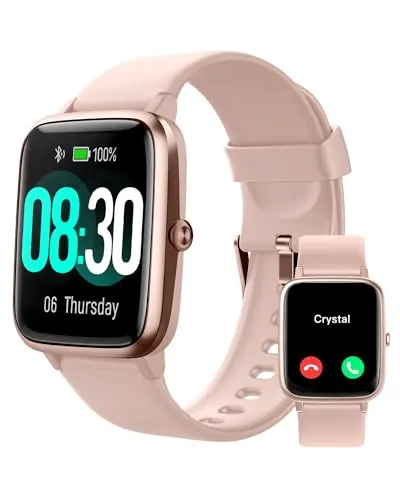
GRV Smart Watch for iOS and Android Phones (Answer/Make Calls) (FC1)
- Very affordable entry-level smartwatch pricing for core smart/fitness features
Comparison
The GRV FC1 is a budget smartwatch focused on calls, notifications, and fitness/health tracking, while the Nixplay 10.1 is a Wi‑Fi digital picture frame built for sharing and displaying photos and videos at home. If you want an on-wrist companion for steps, workouts, and basic wellness metrics, GRV fits the job. If your goal is easy family photo sharing and a larger display you can see across the room, Nixplay is the more direct solution.
#1 Overall Winner
Contender
Choose the GRV FC1 if you want an inexpensive smartwatch for steps, workouts, heart rate/sleep trends, and on-wrist notifications. Choose the Nixplay 10.1 if your priority is an easy-to-use digital frame with Wi‑Fi sharing and a larger screen for family memories. For most households comparing these two, the better “at-home” experience is Nixplay, while GRV wins on price and portability.
Overall winner
Depends on your needs
| Feature | GRV Smart Watch for iOS and Android Phones (Answer/Make Calls) (FC1) | Nixplay Digital Picture Frame 10.1" HD Touch Screen (W10P) | Winner |
|---|---|---|---|
| Product type / main purpose | Wearable smartwatch + fitness tracker | Wi‑Fi digital photo frame | Depends |
| Typical use location | On-wrist, on the go | On a shelf/table at home | Depends |
| Upfront price (listed) | Lower-cost | Higher-cost | GRV Smart Watch for iOS and Android Phones (Answer/Make Calls) (FC1) |
| Display size | ~1.83–1.85" watch screen | 10.1" screen | Nixplay Digital Picture Frame 10.1" HD Touch Screen (W10P) |
| Connectivity type | Bluetooth (listing mentions Bluetooth 5.4) | Wi‑Fi | Depends |
| Core features | Calls/notifications, steps, sport modes, HR/SpO2, sleep | Photo/video display, app/web/email sharing, auto-rotation | Depends |
| Ease of setup (based on feedback) | Mixed (pairing/connectivity varies) | Generally easy, guided setup | Nixplay Digital Picture Frame 10.1" HD Touch Screen (W10P) |
| Reliability signals in reviews | Mixed; random stops/charging/band issues reported | Mostly positive; some reports of non-working units or upload friction | Nixplay Digital Picture Frame 10.1" HD Touch Screen (W10P) |
| Maintenance needs | Charging every few days; band care/replacement possible | Stays plugged in; app/account management for uploads | Depends |
| Portability | Very portable (wearable) | Portable but designed to stay put and plugged in | GRV Smart Watch for iOS and Android Phones (Answer/Make Calls) (FC1) |
| Space efficiency | No surface space required | Needs surface space near power | GRV Smart Watch for iOS and Android Phones (Answer/Make Calls) (FC1) |
| Privacy / data security clarity | Limited details provided | End-to-end encryption + CCPA/GDPR claims | Nixplay Digital Picture Frame 10.1" HD Touch Screen (W10P) |
| Gift suitability | Budget wearable gift; fit/strap preferences matter | Highly giftable; preload/share photos; multi-user sharing | Nixplay Digital Picture Frame 10.1" HD Touch Screen (W10P) |
| Best for fitness/wellness tracking | Yes (steps, sport modes, HR/SpO2, sleep) | No fitness tracking | GRV Smart Watch for iOS and Android Phones (Answer/Make Calls) (FC1) |
In everyday home life, the GRV FC1 plays a personal role: it lives on your wrist and helps with reminders, notifications, and activity tracking throughout the day. The Nixplay frame is a shared device that’s meant to be seen by everyone in a room, cycling through photos and videos and making it easy for family members to contribute content remotely. If you want something that supports your routine while you’re moving around, GRV fits better; if you want a “family hub” display that stays on a shelf and updates automatically, Nixplay fits better.
Neither product is a kitchen appliance, but the Nixplay frame can work well in a kitchen as a visible, glanceable display for family photos (and potentially time display, based on reviewer comments). The GRV FC1 is more personal—useful for timers/alarms and notifications while cooking—though those features depend on how you configure the watch and phone alerts.
For core performance, the GRV FC1 does well when you want basic smartwatch functions—tracking steps/workouts and showing notifications—with many reviewers satisfied given the low price. That said, performance is less consistent across buyers, with reports of tracking quirks, watch-face bugs, and occasional device failures or charging issues.
Nixplay’s performance is more straightforward: display photos/videos clearly and receive uploads quickly. Reviews are largely positive on image quality and sharing speed, though a minority report upload friction or units that don’t work. For reliably doing its single main job, Nixplay comes out ahead.
Reliability is the biggest practical separator. GRV buyer feedback includes recurring issues such as random stoppages, charging failures after a few months for some users, and intermittent tracking or software quirks. Many people are happy with it, but the negative patterns are consistent enough that it’s a calculated trade-off for the low price.
Nixplay reviews are largely positive about “it just works,” though some buyers report units that don’t work or problems tied to uploads/app compatibility. Overall, Nixplay appears more consistent day to day, especially for a gift scenario where troubleshooting is unwelcome.
GRV safety considerations are mostly wearable-related: skin irritation can happen with silicone bands (noted by reviewers), and water resistance should be treated as “everyday splashes” rather than a guarantee for repeated submersion, since real-world water exposure experiences vary. Charging reliability is also mentioned in negative reviews, so using the correct cable and monitoring for charging issues is sensible.
Nixplay is a corded, stationary device, so safety is mainly about stable placement, cable management, and using it in a dry indoor location. It’s generally low-risk compared with heating or motorized appliances.
Comfort favors GRV when you want something that stays with you—lightweight wear and wrist-based notifications can reduce how often you pull out your phone. However, a few reviews mention skin irritation with the band and the need to swap straps.
Nixplay improves “home comfort” differently: it adds a calm, ambient display of family memories and can help relatives feel connected through shared photo updates. Comfort here depends on whether you value wearable convenience or a shared atmosphere in a room.
Nixplay is generally easier day to day, with many reviews describing guided setup and simple uploading, especially for gifting to less tech-confident relatives. GRV can be easy once paired, but buyer feedback is more mixed on connectivity and consistent operation. If you want the least learning curve for a shared household device, Nixplay is typically the smoother experience.
GRV’s square smartwatch design is aimed at all-day wear, with a touch display and heavy emphasis on custom watch faces to change the look. It’s easy to keep with you, but the small screen inherently limits readability compared with a home display.
Nixplay’s 10.1" frame is designed to be seen from across a room, with a touchscreen and auto-rotation for portrait/landscape photos. If your priority is visibility and shared viewing, Nixplay’s design is more practical; if your priority is minimal footprint and personal access, GRV wins.
“Capacity” applies more clearly to the Nixplay frame because it’s built around storing and displaying photo/video libraries, including cloud-based management and plan options. The GRV FC1’s capacity is more about daily metrics and watch-face options than content libraries. If you’re thinking in terms of how much content you can present at home, Nixplay is the more relevant choice.
GRV is extremely space-efficient since it lives on your wrist and doesn’t add clutter to counters, shelves, or nightstands. Nixplay is relatively compact for a 10.1" display, but it still requires a stable surface and access to power. For small flats, dorms, or minimalist setups, GRV is easier to accommodate; for a dedicated “display spot” in a shared room, Nixplay is still reasonable.
Noise isn’t a major factor for either product, but the Nixplay frame is effectively silent in normal use because it’s a display device. The GRV FC1 is also quiet, though it may vibrate for notifications and reminders depending on your settings. If you need a no-disruption bedside or living-room device, Nixplay is the simpler fit.
Nixplay installation is typically simple: place it, plug it in, connect to Wi‑Fi, and follow on-screen steps. GRV installation is more about pairing and app setup on your phone, plus configuring notifications and tracking preferences. If you want the quickest “unbox and it’s running” experience for a home device, Nixplay is usually easier; if you’re comfortable pairing Bluetooth devices, GRV is manageable.
The GRV FC1 is lightweight with a silicone band, but durability feedback is mixed, including reports of bands breaking and devices/chargers failing. That doesn’t mean every unit has issues, but it’s a recurring theme in negative reviews.
Nixplay’s frame uses a plastic body and is generally described as modern and robust in reviews, though there are occasional reports of faulty units. Overall construction sentiment is stronger for Nixplay than for the budget smartwatch.
GRV durability looks mixed: while some reviewers report multi-year use, others report short lifespans, band failures, and charger/device issues. As with many budget wearables, real-world durability can vary by unit and how it’s worn (sweat, water exposure, strap tension).
Nixplay frames are generally used in a stationary, indoor setting, and reviews often describe them as robust, with some positive customer-service outcomes when a unit is faulty. For long-term “leave it on a shelf” use, Nixplay is likely the safer durability bet.
GRV maintenance mainly means charging every few days and keeping the watch/band clean and dry enough to avoid irritation (some users swap bands). If you use many features (frequent measurements, lots of notifications), you may charge more often.
Nixplay maintenance is mostly digital: keeping Wi‑Fi connected, managing albums, and occasionally helping family members with upload methods or account access. There’s no battery routine since it’s corded, but you may need to decide whether a subscription plan is worth it for your usage.
The GRV FC1 is the clear portability winner because it’s a lightweight wearable meant to go with you all day. The Nixplay frame can be moved room to room, but it’s designed to remain plugged in and visible, so it’s not portable in the same practical way. If you travel or want tracking outside the home, GRV fits; if you want a stationary memory display, Nixplay fits.
The GRV FC1 packs in wearable features: Bluetooth calling, app notifications, many sport modes, heart rate/blood oxygen monitoring, sleep tracking, reminders, and extensive watch-face customisation. It also lists practical extras like alarms/timer/stopwatch, music control, and “find phone.”
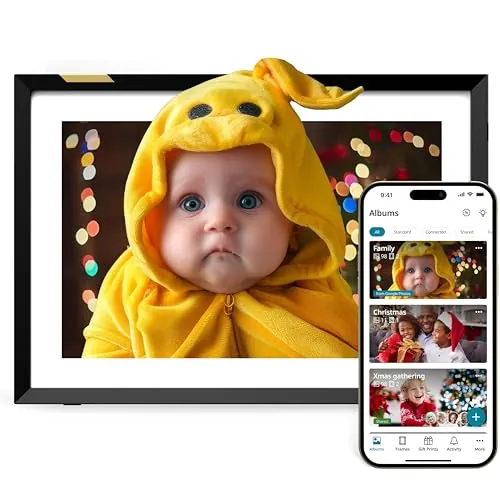
Nixplay’s feature set is centered on photo sharing and display: touchscreen interaction, Wi‑Fi uploads via app/web/email, auto-rotation, and an activity sensor. It also mentions AI face-centering and privacy-focused cloud storage. Feature depth is strong on both sides, but in completely different directions.
GRV’s app experience appears functional for syncing health metrics and managing watch faces, but reviews mention quirks (such as watch-face resets) and mixed connectivity outcomes that can affect the overall software experience.
Nixplay’s app is central to the product and is often praised for easy uploading and multi-frame management, though some users find the workflow multi-step or run into compatibility issues. If app polish matters most, Nixplay is typically reviewed more positively, but it isn’t friction-free for everyone.
Both products depend on a phone app, but their “smart home” roles are different. The GRV FC1 is primarily a phone companion that brings alerts and tracking to your wrist over Bluetooth. The Nixplay is a Wi‑Fi home display that multiple people can update remotely, and it includes home-friendly behaviors like auto-rotation and an activity sensor for power on/off. If you think of smart home as shared devices in shared spaces, Nixplay aligns more closely.
Nixplay behaves more like a smart-home display: it connects over Wi‑Fi, supports multiple contributors, and can manage day-to-day behavior with scheduling and an activity sensor. GRV’s “smart” features are mainly personal productivity and wellness tools tied to your phone connection. If you want a connected device that multiple household members can interact with indirectly (by sending photos), Nixplay is the clearer smart-home fit.
GRV’s automation is mostly personal: reminders, scheduled/automatic health measurements, and phone-notification mirroring. Nixplay’s automation is home-centric: auto-rotation and sensor/scheduling behavior so the frame can turn on/off around household activity. If you want “set it once and let it run” automation in a shared space, Nixplay is the better match; for personal nudges, GRV fits better.
GRV relies on Bluetooth for syncing and on-wrist call/notification features, and reviews show that pairing and connection stability can be inconsistent for some users. Because it’s phone-tethered, distance from your phone and phone settings can affect the experience.
Nixplay uses Wi‑Fi, enabling remote sharing from anywhere, and most buyers report quick uploads and stable use. Some reviews mention app/compatibility friction in certain scenarios, but overall connectivity sentiment is stronger for Nixplay.
The GRV FC1 is designed to run for multiple days on a charge, and many reviews highlight that you don’t need to charge nightly—though some users report charging issues. Nixplay is corded, so “efficiency” is less about battery and more about being able to stay on display with scheduling and an activity sensor to reduce unnecessary on-time. If you want fewer charging chores, Nixplay has the edge; if you need battery-powered use away from outlets, GRV is the only option here.
Nixplay is the clearer choice for privacy transparency: it explicitly states secure U.S.-based cloud storage with end-to-end encryption and CCPA/GDPR compliance. That matters if you’re sharing family photos, especially across multiple contributors.
The GRV FC1 syncs health and activity data and can integrate with Apple Health and Google Fit, but the listing does not provide comparable detail about encryption, data retention, or compliance. If you want the most clearly defined privacy posture from the listing alone, Nixplay has the advantage.
GRV delivers strong value if you want a lot of smartwatch basics at a very low price: calls/notifications, broad sport modes, and core health tracking. The trade-off is higher variability in reliability, durability, and support experiences in reviews.
Nixplay costs substantially more, but it also fills a different role and tends to earn higher satisfaction for what it’s designed to do: easy family sharing and a clear home display. Value is more mixed because some buyers dislike the subscription upsell or feel it’s expensive. If you’ll actually use sharing and scheduling long term, Nixplay can justify its cost; otherwise GRV is the cheaper “try it” option.
Nixplay shows stronger trust signals in the provided data: higher overall buyer sentiment, multiple repeat purchases mentioned, and several reviews praising customer service and refunds when issues happen. The listing also provides specific privacy assurances.
GRV has a large volume of reviews and many happy buyers, but trust is pulled down by more frequent reports of device/charging issues and limited support responsiveness in at least one detailed review. If brand support consistency matters, Nixplay appears stronger.
GRV satisfaction is solid for a budget smartwatch, with many buyers praising the look, watch faces, and battery life. At the same time, dissatisfaction themes repeat: random stoppages, charging problems, connectivity issues, and bands breaking—so expectations should match the low price.
Nixplay satisfaction is higher overall, with frequent praise for easy setup, clear display, and the ability for multiple family members to add photos instantly. The main negative sentiment clusters around subscription concerns, perceived price, and occasional technical/compatibility issues. On balance, Nixplay has more consistently positive feedback.
Nixplay reviews include multiple mentions of helpful customer service, including troubleshooting and refunds for faulty units. GRV support sentiment is more mixed, with at least one reviewer noting no response from customer service and others reporting out-of-box accessory problems (like a broken charger). If after-sales support is a key concern, Nixplay has stronger evidence in the provided reviews.
There isn’t a single “winner” because these products serve different lifestyles, but the Nixplay 10.1" frame is the stronger choice for a shared home device: it’s easier to set up, has a larger and clearer display, and gets more consistently positive feedback for doing its core job (sharing and displaying memories). Its main limitation is cost, plus subscription upsell concerns and occasional upload/app friction.
The GRV FC1 smartwatch is compelling if you want an inexpensive wearable with calls/notifications and broad fitness tracking. Its main strength is value, while its main limitation is variability—reviews cite charging, connectivity, and durability issues for some users. Choose based on whether you want a wrist companion (GRV) or a home photo hub (Nixplay).
Overall winner
Depends on your needs
They’re built for different needs. The GRV FC1 is a low-cost smartwatch focused on calls, notifications, and fitness/health tracking. The Nixplay is a Wi‑Fi digital photo frame designed for sharing photos and videos with family and displaying them at home on a larger screen. If your priority is wearable tracking, pick GRV; for home photo sharing, pick Nixplay.
The Nixplay frame is generally easier for non-technical users based on buyer feedback describing guided, self-explanatory setup. The GRV smartwatch setup is straightforward for many, but reviews and the product overview suggest pairing/connectivity can be inconsistent for some users. For gifting to someone who struggles with tech, the Nixplay tends to be the safer bet.
The GRV FC1 is priced far lower and is often described as strong value if you want basic smartwatch features and fitness tracking. The Nixplay offers a more premium, home-focused experience with sharing and display features, but some buyers feel it can be overpriced and mention subscription upsells. Value depends on whether you want a wearable or a living-room display.
The GRV FC1 smartwatch listing does not indicate a subscription requirement for core features. Nixplay reviews frequently mention a subscription option; some users stay on a free/basic plan, while others pay for upgrades (for example, to enable longer video playback or more storage). Before buying Nixplay, confirm what features you want and whether they are included without a plan.
Nixplay provides explicit privacy claims in the listing, including end-to-end encryption and CCPA/GDPR compliance for its cloud storage. The GRV smartwatch shares health and activity data through its app and can sync with Apple Health/Google Fit, but the listing doesn’t provide comparable detail on encryption or compliance. If privacy transparency is a deciding factor, Nixplay is clearer.
Both have some mixed reviews, but the GRV FC1 shows more recurring reports of random stoppages, charging problems, connectivity issues, and band durability concerns. Nixplay is widely reported to work well, though a minority of users report units that don’t work or frustrations with uploads/app compatibility. If you want fewer wearable-style failure points, Nixplay is typically steadier.
For minimal space impact, the GRV FC1 wins because it’s worn on your wrist and doesn’t take countertop or shelf space. The Nixplay frame has a relatively compact footprint for a 10.1" display, but it still needs a dedicated surface and power outlet. If you want “zero clutter,” the smartwatch is the more space-efficient option.
Some reviewers report that step counting and sleep tracking are fairly accurate, while others mention missed sleep sessions or occasional stage inaccuracies (for example, sleep stages not always matching their experience). It may work well for general trends and reminders, but you should expect variability at this price level and treat the data as approximate rather than medical-grade.
The GRV FC1 relies on Bluetooth to connect to your phone for calls, notifications, and syncing. Nixplay relies on Wi‑Fi so photos and videos can be sent from anywhere through the app, web app, or email. In practice, Bluetooth devices are affected by phone range and pairing stability, while Wi‑Fi frames depend more on home network reliability and account/app setup.
Check our rankings and expert guides to find the best home lifestyle products for your goals.