#1 Overall Winner
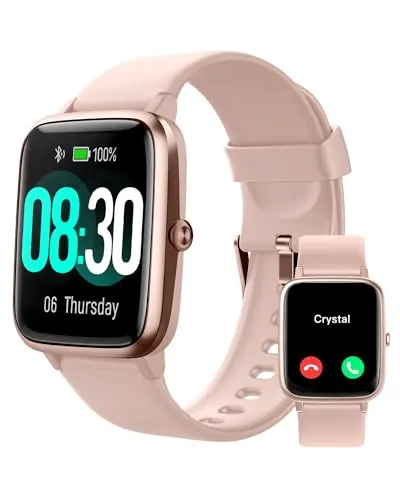
GRV Smart Watch for iOS and Android Phones (Answer/Make Calls) (FC1)
- Low price for a smartwatch that includes Bluetooth calling and notifications.
Comparison
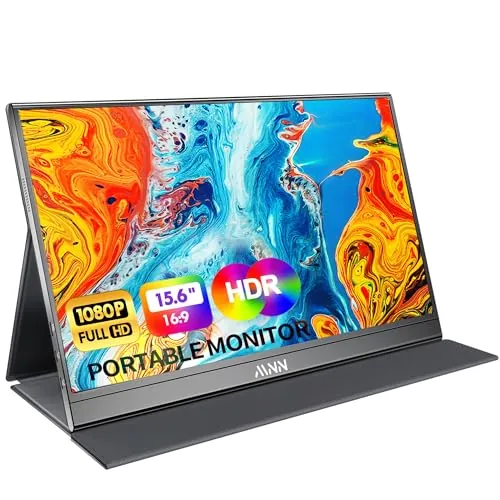
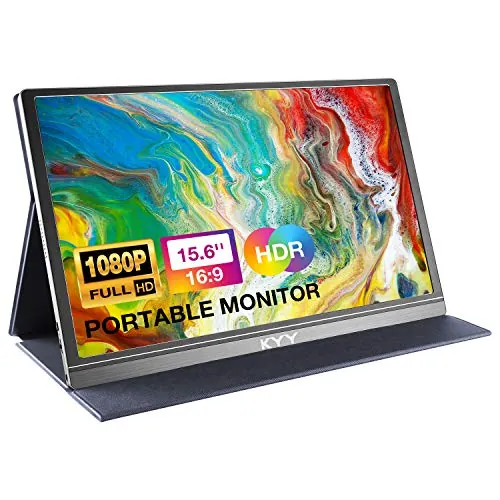
The GRV FC1 is a budget smartwatch focused on Bluetooth calling, notifications, and fitness/health tracking, while the KYY K3 is a portable 15.6-inch 1080p monitor designed to add a second screen for work or gaming. Both aim for strong value, but they fit very different home and travel routines. If you want more screen space for a laptop or console, the KYY is the clearer match; if you want wrist-based tracking and alerts, the GRV is the better fit.
#1 Overall Winner
Contender
Pick the KYY K3 if you want a portable second screen that’s easy to connect and carry, with strong picture quality and a helpful included cover/stand. Pick the GRV FC1 if you want an inexpensive smartwatch for calls, notifications, and fitness/health tracking—and you can tolerate the possibility of mixed reliability, charging, or band issues reported by some owners.
Overall winner
Depends on your needs
| Feature | GRV Smart Watch for iOS and Android Phones (Answer/Make Calls) (FC1) | KYY Portable Monitor 15.6inch 1080P FHD USB-C, HDMI (K3) | Winner |
|---|---|---|---|
| Product type | Smartwatch / fitness tracker | Portable external monitor | Depends |
| Primary use | Calls/notifications + health and activity tracking | Second screen for work, gaming, and media | Depends |
| Display | 1.83-inch LCD, 240×240 | 15.6-inch IPS, 1920×1080 | KYY Portable Monitor 15.6inch 1080P FHD USB-C, HDMI (K3) |
| Connectivity | Bluetooth to smartphone | USB-C (full function) and mini-HDMI | KYY Portable Monitor 15.6inch 1080P FHD USB-C, HDMI (K3) |
| Audio | Phone call capability (via Bluetooth) | Built-in speakers + 3.5mm audio | Depends |
| Portability | Wearable, very light (34 g) | Slim monitor, 1.7 lb with cover | GRV Smart Watch for iOS and Android Phones (Answer/Make Calls) (FC1) |
| Space efficiency | No desk/counter footprint | Requires desk space when used; stores flat | GRV Smart Watch for iOS and Android Phones (Answer/Make Calls) (FC1) |
| Setup effort | Bluetooth pairing + app configuration | Typically plug-and-play via USB-C/HDMI | KYY Portable Monitor 15.6inch 1080P FHD USB-C, HDMI (K3) |
| Battery / power | Rechargeable; multi-day use claimed | Powered via USB-C or external power | Depends |
| Reliability signal in reviews | Mixed: random stops, charging issues, band issues reported | Mixed: some compatibility issues and some reports of failure | KYY Portable Monitor 15.6inch 1080P FHD USB-C, HDMI (K3) |
| Maintenance needs | Regular charging; strap care/replacement possible | Wipe screen; manage cables/cover | KYY Portable Monitor 15.6inch 1080P FHD USB-C, HDMI (K3) |
| Comfort/ergonomics | All-day wear comfort varies by band/skin sensitivity | Improves workflow; limited stand angles | Depends |
| Value orientation | Low-cost smartwatch with many features | Affordable portable 1080p second screen | KYY Portable Monitor 15.6inch 1080P FHD USB-C, HDMI (K3) |
| Best fit for home office | Reminders/notifications while working | More screen space for multitasking | KYY Portable Monitor 15.6inch 1080P FHD USB-C, HDMI (K3) |
For everyday home use, these products play very different roles. The GRV FC1 is worn throughout the day to surface notifications, calls, reminders, and basic wellness tracking without constantly reaching for your phone. The KYY K3 supports home routines where screen space matters—work-from-home multitasking, study sessions, or casual console gaming in different rooms. If you want a “set it up and get more done” upgrade, the monitor is typically more noticeable; if you want lightweight day-to-day prompts and tracking, the smartwatch fits better.
Performance depends on the intended job. As a smartwatch, the GRV FC1 covers a wide range of tracking and notification functions, and many owners report solid day-to-day use with multi-day battery life and reasonably accurate steps and heart metrics. However, recurring feedback also points to occasional tracking quirks, watch-face reset behaviour, and some units that stop working or develop charging issues.
As a portable display, the KYY K3 generally delivers strong core performance: a sharp 1080p IPS image, wide viewing angles, and a straightforward connection experience for many users. The main performance risks are device-specific compatibility (especially USB-C capabilities) and a minority of reports of failures or needing to reconnect.
Reliability is a key separator. GRV FC1 feedback includes owners who report long-term use, but also repeated themes of random stopping, charging failures, occasional screen glitches, and inconsistent sleep tracking. Those issues can be especially frustrating because they interrupt core daily functions like timekeeping and tracking. KYY K3 feedback is also mixed, but the common risks are different: some users report device compatibility problems and a smaller set of reports of monitors that stop working. If you want fewer moving parts in daily use, the monitor’s simpler role may feel more dependable—assuming your devices are compatible.
Safety considerations are modest for both, but different. The GRV FC1 is worn against the skin and charged frequently; reviews mention skin sensitivity to the band for at least one user, and any charging problems reported by owners are worth taking seriously (avoid damaged cables and stop using a device that won’t charge normally). The KYY K3 is a low-power display device; practical safety mainly involves avoiding cable strain, keeping ports dry, and preventing drops during travel. Neither listing provides special safety certifications, so basic electronics care and sensible charging practices apply.
Comfort means different things here. The GRV FC1 can improve day-to-day convenience by putting calls, reminders, and wellness stats on your wrist, but comfort depends on strap fit and skin sensitivity; at least one review notes skin reaction to the band and the need to swap it. The KYY K3 improves “work comfort” by adding screen space, which can reduce window-switching, but its stand offers limited angle choices. For physical comfort, GRV is about wearability; for workflow comfort, KYY is the bigger upgrade.
The KYY K3 is easier for many households because it’s commonly plug-and-play with included cables, and you can choose USB-C or HDMI depending on your setup. The GRV FC1 involves Bluetooth pairing and app configuration for notifications, watch faces, and tracking preferences, and reviews mention occasional quirks that can require extra patience (for example, re-selecting a watch face after it resets). If you prefer minimal ongoing fiddling, the portable monitor has the simpler daily workflow.
Design priorities differ. The GRV FC1 is built for wrist wear, with a square face, touch controls, a lightweight body, and heavy emphasis on custom watch faces and a fashion-friendly colour. The KYY K3 is designed to disappear into a backpack: a thin 15.6-inch panel with a matte finish and a cover that becomes a stand. If aesthetics and personalisation matter, GRV stands out; if minimal footprint and pack-away convenience matter, KYY is more practical.
The GRV FC1 is the clear winner for space efficiency because it uses no counter or desk space and doesn’t add clutter beyond its charging cable. The KYY K3 is still space-friendly compared with a fixed monitor because it can be stored flat and only takes up desk space when in use, but it does require a stable surface and cable routing. For small bedrooms, small desks, or minimal setups, the watch is easiest to live with, while the monitor is best when you need screen real estate temporarily.
Neither product is typically “noisy” in the way appliances are, but the KYY K3 is essentially silent in operation aside from its built-in speakers when used. The GRV FC1 can generate vibration alerts for notifications and reminders, which some users enjoy for prompts and others may find distracting during quiet hours. If you need a quiet desk accessory, the monitor has the least potential to disrupt.
Neither product needs permanent installation, but initial setup differs. The GRV FC1 setup involves pairing to a phone, granting notification permissions, choosing which apps can alert you, and configuring tracking features through the app. The KYY K3 setup is typically just connecting the right cable (USB-C if supported, otherwise HDMI plus power) and selecting the correct input. If you want the fastest “out of the box” start, the monitor tends to be quicker, while the watch benefits from a few minutes of settings work.
The KYY K3 is repeatedly described as slim but sturdy, with a metal appearance and a protective cover that helps during transport; some reviews call the cover “good, not great,” but still useful. The GRV FC1’s physical build is more mixed in feedback: while many find it comfortable and attractive, there are reports of band breakage and other durability issues over time. If you want a product that mostly stays intact through travel in a bag, the monitor looks more consistent based on buyer comments.
The GRV FC1 shows a wider durability spread in reviews: some owners report years of use, while others mention bands breaking after short periods or the unit failing after a few months. Because it’s worn, it also experiences more day-to-day exposure (sweat, knocks, frequent charging). The KYY K3 is transported and handled, but the included cover helps protect it; durability concerns are more about unit failure reports than wearable wear-and-tear. Overall, KYY looks more consistent, while GRV is more variable by user experience.
The GRV FC1 requires ongoing maintenance typical of wearables: regular charging, keeping the strap clean and comfortable, and occasionally troubleshooting pairing or face syncing. If the band irritates skin or breaks, replacement becomes part of ownership. The KYY K3’s maintenance is simpler—keep the screen clean, store it in the cover, and manage cables. There’s no filter, no consumables, and no app upkeep for basic use. For low-effort ownership, the portable monitor is generally easier to maintain.
Both products are designed to move with you. The GRV FC1 is the most portable by definition: it’s worn on your wrist and is light enough for all-day use. The KYY K3 is highly portable for a display, with a slim profile and included cover that makes it easier to slide into a backpack or laptop bag. If you want something you can take anywhere with zero packing, choose the watch; if you need a screen that travels, the KYY is one of the more convenient forms.
The GRV FC1 is feature-dense for a wearable: Bluetooth calling, notifications, 100+ sport modes, heart rate and blood oxygen monitoring, sleep staging, reminders, menstrual cycle tracking, guided breathing, watch-face customisation, and utility tools (timer, stopwatch, alarms, music control, find phone). The KYY K3 focuses on practical monitor features: USB-C and mini-HDMI inputs, portrait/landscape use, built-in speakers, a 3.5mm port, and a protective cover that doubles as a stand. If you want “more functions,” GRV leads; if you want “better screen flexibility,” KYY leads.
App experience is a meaningful factor for the GRV FC1 because changing watch faces, managing notifications, and viewing health history depend on the phone app. Reviews include complaints about annoyances like watch-face resets that force you back into the app, and some users also report weak support responsiveness. The KYY K3 doesn’t rely on an app for normal operation, which removes a common source of friction. If you want to avoid software/account overhead, the monitor is the simpler choice.
The GRV FC1 offers more “automation-like” behaviour through reminders and background tracking, such as sedentary prompts and periodic health measurements (as configured). The KYY K3 has little automation; it’s a display you connect when needed. If you want a device that proactively nudges you or logs metrics in the background, GRV is the one that behaves more automatically, while KYY is manual but straightforward.
The GRV FC1 uses Bluetooth to connect to a phone for calling, notifications, and syncing, and while the listing highlights newer Bluetooth, reviews still show mixed experiences with pairing and connection stability. The KYY K3 relies on wired connections (USB-C or HDMI), which can be more predictable, but compatibility depends on whether your device supports the required USB-C video output or prefers HDMI plus power. If you want the most stable connection, a wired monitor connection usually has fewer variables than an app-paired wearable.
Efficiency for the GRV FC1 mainly shows up as battery practicality: many users report several days between charges, though some experience charging issues that undermine that advantage. The KYY K3 is designed for efficient on-the-go use by drawing power over USB-C in many setups (and it can also be powered while using HDMI). If you want fewer charging cycles overall, the monitor may feel simpler, while the watch’s efficiency depends heavily on whether you get a trouble-free unit.
Privacy is more relevant for the GRV FC1 because it tracks health-related metrics and syncs data to a phone, with optional integration to Apple Health and Google Fit. The product information and reviews provide limited detail about data handling, so it’s wise to review app permissions and only enable notifications and integrations you actually want. The KYY K3 is primarily a wired display and generally does not require an account or app for basic use, so it typically involves less personal data exposure.
Both products are widely viewed as strong value, but value plays out differently. The GRV FC1 offers an unusually large set of smartwatch features for a very low price, making it appealing for first-time smartwatch buyers; however, mixed feedback on charging, connectivity, and band durability can reduce long-term value if you end up replacing it early. The KYY K3 is priced as an affordable second screen and is praised for image clarity, included accessories, and easy setup, with the main caveat being device compatibility. If your laptop supports the right USB-C output (or you’re happy using HDMI plus power), KYY often delivers more predictable value.
Based on the information provided, KYY appears to inspire more confidence around basic support and consistent use, with reviews frequently describing straightforward setup and at least one mention of good customer service. GRV has a large volume of buyers and many positive experiences, but the feedback includes complaints about lack of customer service responsiveness and inconsistent unit longevity. If brand support and predictability matter, KYY has the stronger signal in the provided review summaries.
Both products have substantial review volume and generally positive sentiment, but the pattern differs. GRV FC1 buyers often praise the look, watch faces, and value, yet the overall review summary notes disagreement on functionality, mixed battery/connectivity experiences, and durability complaints such as bands breaking. KYY K3 buyers frequently highlight clear picture quality, convenience for travel, and the included cables/cover, with mixed notes around compatibility with certain laptops and some “stopped working” reports. Overall, satisfaction seems steadier for the monitor, while the smartwatch has higher variability in day-to-day experience.
Support and warranty experience appears stronger for the KYY K3 based on the provided score context and at least one review calling customer service “great.” For the GRV FC1, some reviewers specifically mention not receiving responses from customer service, which can matter if you encounter charging or reliability issues. If after-sales support is important to you, factor that into where you buy and how strong the retailer return window is.
The better choice depends on whether you need a wearable or a workspace upgrade, but the KYY K3 is the more consistently “safe” recommendation for most households because it delivers a clear, portable 1080p second screen with easy setup and strong travel practicality. Its main drawbacks are device compatibility edge cases and occasional reliability complaints.
The GRV FC1 is appealing if you want smartwatch functions on a tight budget: Bluetooth calling, notifications, lots of sport modes, and health tracking with multi-day battery for many users. Its main limitations are more frequent reports of day-to-day quirks—charging problems, band durability issues, and occasional software annoyances—plus weaker support feedback. Pick GRV for wrist convenience; pick KYY for productivity and screen space.
Overall winner
Depends on your needs
They solve different problems. The GRV FC1 is for wrist-based notifications, Bluetooth calling, and fitness/health tracking. The KYY K3 is for adding a second screen to a laptop, console, or compatible phone. If your priority is productivity and screen space, the KYY is the more direct fit; for activity tracking and phone convenience, the GRV makes more sense.
Both travel well, but in different ways. The GRV FC1 is wearable and useful for quick call alerts, notifications, and step tracking during commutes. The KYY K3 is a packable second monitor that fits in a bag and is popular for travel work setups. Choose GRV for on-wrist convenience; choose KYY if you need a dual-screen workflow away from home.
The GRV FC1 relies on phone pairing and an app experience for features like watch faces, syncing health data, and notifications. The KYY K3 is typically used as a plug-and-play display over USB-C or HDMI and does not require an app for basic use. For the monitor, device compatibility (especially USB-C capability) is the key check.
The KYY K3 is generally straightforward: connect by USB-C (when supported) or use HDMI plus power, and many users report it works quickly with included cables. The GRV FC1 requires Bluetooth pairing and managing settings through a phone app for notifications, faces, and tracking preferences. If you want minimal ongoing setup, the portable monitor tends to be simpler.
Both have mixed reliability feedback. GRV FC1 reviews mention issues like random stopping, charging problems, and band durability for some users, alongside many positive experiences. KYY K3 reviews are mostly positive but include reports of compatibility issues with certain laptops and occasional “stopped working” cases. If reliability is critical, consider return policy and support expectations.
Value depends on what you need. The GRV FC1 packs many smartwatch features at a low price, but some owners report durability and charging issues that can reduce long-term value. The KYY K3 is priced as an affordable second screen and is praised for picture quality and accessories included, though compatibility should be confirmed. The better value is the one you’ll use daily without friction.
The KYY K3 is particularly well-suited to small spaces because it can act as a second screen when needed and then store away easily. The GRV FC1 doesn’t take up desk space at all and can help with reminders and notifications, but it won’t improve workspace ergonomics like a second monitor. For desk productivity in tight spaces, the KYY is typically the more impactful upgrade.
The GRV FC1 is more privacy-sensitive because it connects to a phone and handles health metrics and notifications; the listing provides limited detail on data handling, so it’s worth reviewing app permissions before use. The KYY K3 functions primarily as an external display and generally involves less personal data. If you prefer minimal data sharing, the monitor is the lower-risk choice.
Check our rankings and expert guides to find the best home lifestyle products for your goals.