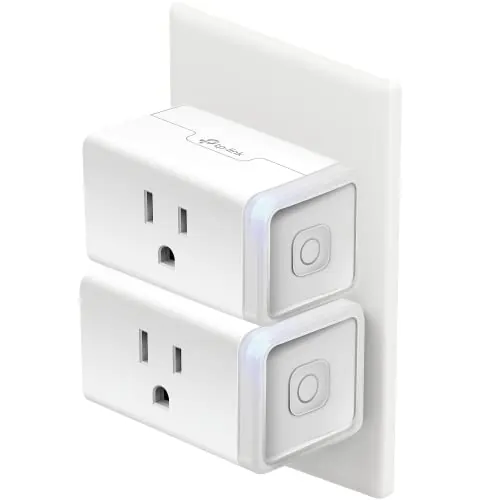
#1 Overall Winner
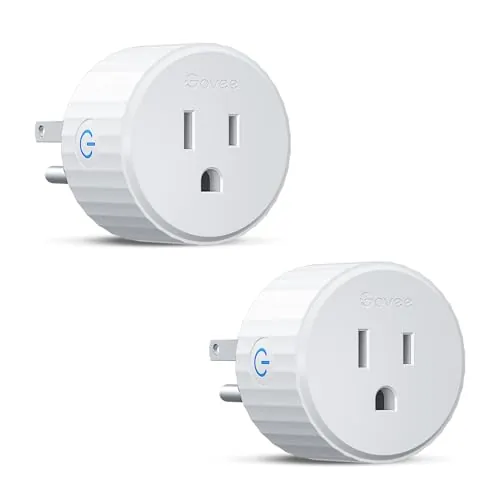
Govee Smart Plug (H5083) 2-Pack
- Very easy setup for most households, with clear in-app guidance reported by reviewers.
Comparison
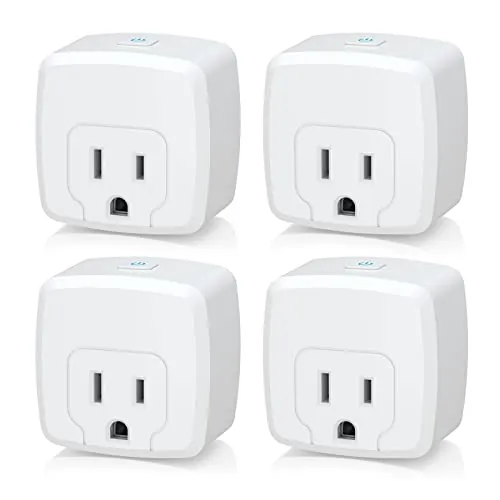
The Govee Smart Plug (H5083) and HBN Smart Plug Mini 15A (152T) are no-hub smart outlets for voice control and scheduling with Alexa and Google Assistant. Govee stands out for a more consistently smooth setup experience and a compact design, while HBN offers a higher listed load rating and more plugs per pack. The better choice depends on whether you prioritize easy onboarding and outlet fit, or higher rated capacity and bulk coverage.
#1 Overall Winner
Contender
Choose Govee (H5083) if you want a compact smart plug that most buyers find easy to set up and reliable for schedules, grouping, and voice control. Choose HBN (152T) if you need a 4-pack and prefer the higher listed load rating, but expect more variability in setup experience and instructions.
Overall winner
Depends on your needs
| Feature | Govee Smart Plug (H5083) 2-Pack | HBN Smart Plug Mini 15A (152T) 4-Pack | Winner |
|---|---|---|---|
| Type | Plug-in smart plug (single outlet) | Plug-in smart plug (mini) | Tie |
| Pack size | 2-pack | 4-pack | HBN Smart Plug Mini 15A (152T) 4-Pack |
| Voice assistants | Alexa, Google Assistant | Alexa, Google Assistant | Tie |
| Wi‑Fi band support | 2.4 GHz only (no 5 GHz) | 2.4 GHz only (no 5 GHz) | Tie |
| Connectivity method | Wi‑Fi or Bluetooth | Wi‑Fi | Govee Smart Plug (H5083) 2-Pack |
| Rated load (listing) | 10A / 1200W (120V) | 15A / 1875W (125V) | HBN Smart Plug Mini 15A (152T) 4-Pack |
| Scheduling & timers | Schedules, timers, group control | Timer, countdown, schedules, scenes/group control | Tie |
| Ease of setup (buyer feedback) | Generally quick and straightforward | Mixed; some easy, some difficult | Govee Smart Plug (H5083) 2-Pack |
| App experience (buyer feedback) | Functional but can feel unintuitive for advanced workflows | Mixed; some like it, others cite unclear guidance/instructions | Depends |
| Outlet fit / space use | Often described as compact, less likely to block adjacent outlets | Some reports it takes up outlet space | Govee Smart Plug (H5083) 2-Pack |
| Reliability pattern (buyer feedback) | Many reports of stable day-to-day use; occasional Wi‑Fi issues | More reports of connection/setup inconsistency; one report of unexpected shutoffs | Govee Smart Plug (H5083) 2-Pack |
| Safety certification (listing) | ETL and FCC mentioned | ETL mentioned | Depends |
| Price (as provided) | 15.01 | 22.99 | Depends |
| Customer rating & review volume | 4.5/5 from 13,528 reviews | 4.2/5 from 17,384 reviews | Govee Smart Plug (H5083) 2-Pack |
For everyday home use, both plugs handle the basics well: turning devices on/off remotely, setting schedules, and grouping outlets for routines like “bedtime” or “away.” The practical difference is consistency. Govee is more often described as a quick, low-friction upgrade that “just works” for common items like lamps and fans. HBN can deliver the same results, but reviews show more variance in setup success and instruction clarity, which can matter when you’re installing several around the house.
In kitchen routines, both plugs can automate simple on/off devices like a coffee maker on a morning timer (where safe and appropriate for the appliance). Govee has specific review examples of kitchen use with scheduling and quick control. HBN can also schedule and group devices, but if you’re placing plugs on busy countertops or tight outlets, Govee’s more compact fit feedback may be easier to live with.
For comfort-related devices like fans or humidifiers that benefit from schedules, both plugs are suitable. Govee reviews repeatedly mention using schedules for fans and managing devices while away. HBN is also used for fans and even garage heating control in reviews, but its setup variability can be frustrating if you need a dependable “set-and-forget” schedule. Neither product provides true climate control by itself; they simply switch power on and off.
As on/off smart outlets, both plugs appear to perform well once connected: quick remote toggling, dependable schedules, and voice control for common devices. Govee’s day-to-day responsiveness and stability are a frequent theme in reviews, with many users expanding to multiple plugs over time. HBN also earns praise for stable operation in some households, but there are more reports of connection problems and inconsistent setup experiences, which can affect practical performance if a plug drops offline or fails to pair smoothly.
Govee has stronger reliability signals across the provided data: many buyers report rare disconnects, fast response, and stable operation over months, with only occasional Wi‑Fi complaints. HBN reliability is more uneven. Some users report stable operation and even long-term use, but there are more reports of connection failures and onboarding difficulty, plus at least one account of unexpected shutoffs in a particular two-lamp setup. If reliability is the top priority, Govee has the clearer advantage.
Neither device controls temperature directly; they act as on/off switches for whatever you plug into them. Both are commonly used for fans, humidifiers, and similar comfort devices where scheduled power is enough. If you need predictable schedules (for example, running a fan overnight or cycling a humidifier), Govee’s feedback trends more stable. If you need to switch a higher-draw device within the plug’s rating, HBN’s higher listed capacity may be the deciding factor.
Both products mention ETL certification in the listing, which is a useful baseline for electrical devices. Govee also mentions FCC certification. Practically, safety comes down to using the plugs within their stated electrical ratings and avoiding devices that shouldn’t lose power unexpectedly. If you’re switching higher-draw loads, HBN’s higher listed rating may provide more headroom; however, any reports of unexpected shutoffs should be taken seriously for critical devices. For bedrooms, also note Govee’s audible relay click if a switching sound could disturb sleep.
Comfort improvements mostly come from automation convenience—lights turning on at dusk, fans shutting off at night, or devices running while you’re away. Both plugs support these routines, but Govee’s more consistent setup and connectivity feedback makes it easier to achieve dependable “hands-off” comfort day after day. HBN can offer the same lifestyle benefit once configured, but mixed pairing experiences may reduce that convenience for some households.
Govee is generally easier to live with day to day: many reviewers describe quick setup, reliable routines, and a compact plug that’s easy to place. The main usability complaint is that the app can feel unintuitive for more advanced automation flows. HBN’s ease of use is less consistent—some find it simple, while others mention confusing syncing steps and unclear instructions, which can slow down a multi-plug installation.
Design is mostly about fit and convenience. Govee’s compact form factor is a repeated positive, with multiple users noting it doesn’t block adjacent outlets and includes a physical button for manual control. HBN provides dimensions and is described as a mini plug, but some feedback indicates it can still take up outlet space, especially on crowded wall plates. If you’re using power strips or tight duplex outlets, Govee’s fit advantages are clearer in the reviews.
Capacity here is mainly electrical rating rather than physical “size.” HBN lists a higher current rating and wattage, which can be important for devices with higher power draw that are still appropriate for on/off switching. Govee’s listed rating is lower, which is often fine for lamps, fans, and small electronics. In both cases, the safest approach is to match the plug’s rating to the appliance requirements and avoid loads that exceed the stated limits.
Govee is the better space-saver based on user feedback: multiple reviews mention it doesn’t block adjacent outlets and fits neatly on wall plates and power strips. HBN provides dimensions and is marketed as mini, but real-world feedback includes complaints about it taking up space and limiting neighboring sockets. If you’re short on outlets or use power strips behind furniture, Govee is easier to place.
In normal use, both are unlikely to be disruptive, but Govee has specific feedback noting an audible mechanical “click” when switching on/off. That’s typical relay behavior but worth noting for bedrooms. HBN doesn’t have the same repeated click complaints in the provided reviews, so if you’re especially sensitive to switching sounds at night, HBN may be the quieter-feeling option—though it depends on placement and the unit.
Both are plug-in devices with no hub required, so “installation” is mostly app onboarding and Wi‑Fi pairing. Govee setup is repeatedly described as quick and guided in-app. HBN can also be quick for some users, but the experience is less consistent and the instructions are frequently criticized, which can increase setup time—especially if you’re installing several at once or trying to get the device into pairing mode reliably.
Both plugs are described by buyers as sturdy enough for typical household use, and both mention ETL certification in their listings. Govee reviewers often comment that the plug feels solid and well made for the price. HBN also gets “sturdy” feedback, but there’s more mixed reliability commentary overall, including at least one report of unexpected shutoffs in a specific setup, which can influence perceived quality even if the casing feels robust.
Neither product includes detailed long-term durability specs, so expectations come mainly from buyer feedback. Govee reviews include repeat purchases and multi-month use without disconnect problems, suggesting acceptable longevity for typical smart-plug duties. HBN has at least one one-year update reporting continued success, but overall sentiment is more mixed due to setup/connectivity complaints. If you’re installing many plugs and want consistent long-term behavior, Govee looks more predictable.
Maintenance for both is minimal: keep them accessible, avoid overloading, and occasionally re-pair if you change Wi‑Fi settings. Govee’s process tends to be smoother for adding additional plugs once the first is set up, and users commonly manage devices through the Govee app plus Alexa/Google. HBN users more often mention troubleshooting syncing steps and dealing with unclear instructions, which can add “maintenance” effort if you change routers or need to reset devices.
Both smart plugs are easy to move between rooms because they’re plug-in accessories rather than wired devices. Govee’s compact build and frequent use on vacations/secondary homes in reviews suggests it’s especially easy to redeploy. HBN is also portable, but if outlet fit is tight (or you need to reconfigure after network changes), it may feel less “grab and go” for some users.
Feature-wise, both cover the essentials: app control from anywhere, timers, schedules, and grouping, plus Alexa/Google voice commands. Govee’s listing adds Bluetooth alongside Wi‑Fi, which can make pairing and local control feel smoother. HBN highlights countdown timers and scenes/group control, and its higher listed load rating may matter depending on what you plan to switch. Neither product mentions energy monitoring in the provided information.
Govee’s app is generally described as effective for basic control, schedules, and grouping, but some users find the workflows unintuitive for more complex automations. HBN’s app experience is more mixed: some praise it, while others lean heavily on the app while criticizing paper instructions, and one review notes needing different apps depending on device batch/router changes. If you want a predictable app experience for simple routines, Govee appears more consistent.
Both products are designed for smart home routines: app control, grouping, and integration with Alexa/Google Assistant. Govee tends to suit users who want straightforward routines and broad compatibility inside the Govee ecosystem, with many buyers reporting stable control after setup. HBN supports similar smart features, but user feedback suggests more troubleshooting may be required, especially when changing routers or dealing with syncing steps.
For smart home use, both integrate with Alexa and Google Assistant and support grouping and scheduling. Govee stands out for day-to-day routine reliability in reviews and for offering Bluetooth alongside Wi‑Fi, which can reduce friction during setup. HBN offers similar smart functionality, but user feedback highlights more variability—especially during onboarding and when changing routers/apps—so it may suit users who are comfortable re-pairing devices and rebuilding schedules if needed.
Both plugs support the automation most households use: fixed schedules, timers, and grouping for “all off” or “evening lights” routines. Govee is frequently used successfully with Alexa routines and grouping, making it easy to scale across rooms. HBN also supports scenes/schedules and can create convincing “lived-in” lighting patterns, but the setup inconsistency means automation may take more time to get right in some homes.
Both products are limited to 2.4 GHz Wi‑Fi, which is common but can be a constraint in homes that primarily use 5 GHz or have combined SSIDs that complicate setup. Govee adds Bluetooth as an alternative connection method, which can help with initial pairing and local stability. HBN is listed as Wi‑Fi only, and reviews include more reports of connection and syncing difficulties, suggesting Govee is the more forgiving option on typical home networks.
Neither product provides energy monitoring in the supplied data, so efficiency comes down to how well scheduling helps you avoid wasted runtime. Both support timers and schedules that can reduce “left on” situations for lights, fans, and small devices. HBN’s higher listed rating doesn’t inherently mean it uses less power, and Govee’s Bluetooth option is more about connectivity than energy savings. Real savings will depend on your routines and what you control.
Both products rely on app-based control and Wi‑Fi connectivity, but the provided data does not describe data handling, cloud storage, or specific privacy controls. One Govee reviewer suggests placing smart plugs on a guest network, which is a common precaution for connected home devices. If privacy is a major concern, review the app permissions and account requirements for each platform and consider isolating IoT devices on a separate network.
Value depends on what you’re buying for. Govee costs less in the provided pricing and earns strong buyer satisfaction for ease of use, compact fit, and reliable routines—making it a strong “set it and forget it” option for a couple of key devices. HBN costs more but includes twice as many plugs and lists a higher load rating, which can be worthwhile if you’re outfitting multiple rooms at once or need the higher rating. However, mixed setup feedback can reduce value if you spend time troubleshooting or re-pairing.
Based on the provided information, Govee shows stronger consistency signals: many reviews mention expanding within the brand ecosystem and repeat purchases, and overall sentiment is very positive. HBN also has a large user base and many positive experiences, but there’s more disagreement around setup, instructions, and value, which can impact perceived trust. For buyers who prioritize predictable onboarding and day-to-day experience, Govee appears more confidence-inspiring here.
Both products have large review counts, but sentiment differs. Govee shows higher average star rating and the review overview emphasizes reliability, easy setup, and solid Alexa/Google integration; the most common negatives relate to Wi‑Fi limitations and app UX for advanced automations. HBN buyers often like the concept and voice control, but satisfaction is pulled down by reports of connection failures, difficult setup for some users, and unclear instructions, plus mixed opinions on value.
Warranty/support details are not clearly provided for Govee in the supplied data. HBN’s listing mentions “warranty,” but no length or process details are included here. Because support outcomes can affect long-term satisfaction, it’s worth checking the seller/manufacturer warranty terms and return window before buying—especially if you anticipate needing help with pairing or replacements.
Between these two, Govee Smart Plug (H5083) is the clearer overall choice for most households because buyer feedback points to easier setup, a more space-friendly design, and steadier day-to-day control with Alexa and Google Assistant. Its main drawbacks are 2.4 GHz-only Wi‑Fi and an app experience that can feel clunky for complex automation.
HBN Smart Plug Mini 15A (152T) is appealing if you want more plugs at once and prefer the higher listed load rating, but it’s held back by mixed setup/connectivity experiences and complaints about unclear instructions (plus some outlet-spacing frustrations). If you value consistency and minimal hassle, choose Govee; if you need higher-rated switching and bulk coverage, HBN can be worth it with realistic expectations.

Overall winner
Depends on your needs
If you want the smoother setup experience and a compact plug that’s widely reported as reliable day to day, the Govee Smart Plug (H5083) is the safer pick based on buyer feedback. If you need more plugs in one purchase and prefer the higher listed load rating, the HBN Smart Plug Mini 15A (152T) can make sense—just be prepared for more mixed setup and instruction quality.
Govee is more consistently described as quick to pair and straightforward in the Govee Home app, with many users adding multiple plugs without issues. HBN gets mixed setup feedback: some buyers say it’s very easy, while others report confusing syncing steps and unclear instructions. If you want the least friction, Govee is the more predictable experience from the reviews provided.
Yes. Both products state compatibility with Amazon Alexa and Google Assistant for voice control, and reviews confirm successful use with routines and basic on/off commands. In practice, your experience can still depend on Wi‑Fi quality and initial pairing, so it’s worth setting them up near the router first and then moving them to their final outlets.
No. Both products are specified as 2.4 GHz Wi‑Fi only. That’s common for smart plugs because 2.4 GHz generally has better range through walls, but it can be a limitation if your home network is configured without a 2.4 GHz band or if your phone/router setup makes 2.4 GHz onboarding difficult.
Based on the listed ratings, HBN’s 15A/1875W specification is higher than Govee’s 10A/1200W. That makes HBN the more suitable option on paper for compatible loads within its rating. Always check the appliance’s power draw and plug rating, and avoid using smart plugs for devices that shouldn’t be switched off unexpectedly.
Both can work well for vacation-style scheduling. Govee reviews specifically mention timers for travel and controlling devices remotely, and the grouping feature helps manage multiple outlets at once. HBN reviews also mention using groups and schedules (including seasonal lights). The key difference is that Govee feedback is more consistently positive about connectivity and setup.
Govee is more often described as compact and less likely to block adjacent outlets, which matters on crowded wall plates and power strips. HBN has feedback noting the plug can take up more space, which may be inconvenient when outlets are close together. If placement flexibility is a priority, Govee has the edge from the information provided.
Energy monitoring is not listed for either product in the provided specs and details. One Govee review explicitly notes the plugs focus on on/off and timers rather than tracking electricity use. If usage tracking is important, you’d want to confirm that feature before buying a different model that explicitly supports energy monitoring.
Check our rankings and expert guides to find the best home lifestyle products for your goals.