#1 Overall Winner
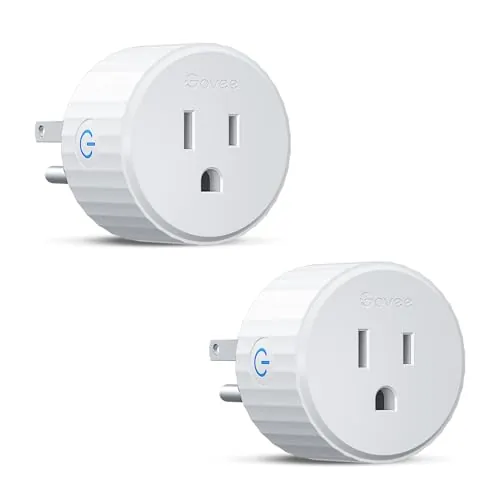
Govee Smart Plug (H5083) 2-Pack
- Very easy setup and day-to-day control through the Govee Home app
Comparison
The Govee Smart Plug (H5083) and Kasa Smart Plug HS103P2 are no-hub Wi‑Fi smart outlets built for voice control and scheduling in everyday home routines. Both work with Alexa and Google Assistant, but Kasa adds IFTTT support and a higher listed load rating. Govee stands out for offering Bluetooth alongside Wi‑Fi, which some buyers find helps with pairing and stability.
#1 Overall Winner
Contender
Choose the Kasa HS103P2 if you want the most complete smart-plug package for routines and integrations, plus a higher listed load rating. Pick the Govee H5083 if you prefer the Govee app/ecosystem and like having Bluetooth as a backup path for pairing and control. Either one works well for basic on/off schedules for lamps, fans, and seasonal lighting.
Overall winner
Depends on your needs
| Feature | Govee Smart Plug (H5083) 2-Pack | Kasa Smart Plug HS103P2 2-Pack | Winner |
|---|---|---|---|
| Typical use | On/off control for plug-in devices | On/off control for plug-in devices | Tie |
| Pack size (listed) | 2-pack | 2-pack | Tie |
| Voice assistants | Alexa, Google Assistant | Alexa, Google Assistant | Tie |
| Extra integrations | Not stated beyond Alexa/Google | IFTTT (listed) | Kasa Smart Plug HS103P2 2-Pack |
| Connection requirements | 2.4 GHz Wi‑Fi only; Bluetooth or Wi‑Fi option | 2.4 GHz Wi‑Fi only | Govee Smart Plug (H5083) 2-Pack |
| Max load (listed) | 10A / 1200W (listed) | 15A (listed) | Kasa Smart Plug HS103P2 2-Pack |
| Scheduling & timers | Schedules, timers, grouping | Schedules, timers, countdown | Tie |
| Grouping / multi-plug control | Group controller (listed) | Routines/groups via app/voice ecosystems (reviewed) | Tie |
| App experience (buyer feedback) | Works well but can be unintuitive for complex automations | Generally user-friendly; some UI readability/workflow complaints | Kasa Smart Plug HS103P2 2-Pack |
| Noise/visual distractions | Relay click noted by some users | Relay click + bright LED noted by reviewers | Depends |
| Certifications (listed) | ETL & FCC (listed) | UL (listed) | Tie |
| Value for money (context) | Good value (common feedback) | Strong value with broad features (common feedback) | Kasa Smart Plug HS103P2 2-Pack |
For everyday home use, both plugs do the core job well: turning devices on/off remotely, setting schedules, and building simple routines like “goodnight” or “vacation” modes. Kasa tends to fit households that want lots of automations and integrations across platforms, while Govee fits well if you already use the Govee Home app or want the option of Bluetooth alongside Wi‑Fi for setup and control. In either case, they’re most useful with predictable loads like lamps, fans, chargers, and decorative lighting.
In kitchens, smart plugs are most practical for simple on/off automation of small appliances that are safe to run unattended per the appliance maker’s guidance (for example, a coffee maker used on a morning schedule, as mentioned by reviewers). Both plugs can handle timers and remote toggling, but Kasa’s higher listed load rating may be the safer fit for higher-draw countertop devices—always verifying the appliance’s requirements and staying within the plug’s rating.
For comfort routines, both plugs can automate fans, humidifiers, or air purifiers with schedules and voice commands. Reviewers for both brands mention using plugs for fans and air circulation while away, which can help keep a room feeling less stuffy without needing manual switches. If you’re building more advanced routines (for example, tying device control into broader automations), Kasa’s integration options can be a plus; for straightforward schedules, both are well suited.
For core performance—turning outlets on/off quickly and reliably—both products generally meet expectations in buyer feedback. Govee reviewers commonly describe fast response and stable day-to-day operation, with a minority reporting Wi‑Fi issues. Kasa also earns a lot of praise for dependable switching and quick response through Alexa and the app, but there’s more visibly mixed feedback about connectivity and a few reports of units stopping after a short period. If consistent uptime is your top priority, your home Wi‑Fi setup may be the deciding factor as much as the plug itself.
Reliability is good overall for both, but with different risk patterns in buyer feedback. Govee reviews skew strongly positive for staying connected and working consistently, with some users still reporting Wi‑Fi issues. Kasa receives lots of praise for stable connectivity and “set it and forget it” schedules, but the aggregated overview and reviews also include cases where devices struggle to connect or stop working after a short time. If you’re deploying many plugs, consider starting with a small pack to validate behavior on your home network.
Neither plug directly controls temperature like a thermostat, but both can automate comfort devices such as fans or humidifiers by schedule or voice. Kasa owners frequently discuss using schedules tied to time of day (including sunrise/sunset) for consistent routines. Govee users also report effective scheduling for fans and circulation while away. For climate-related devices, the key practical check is electrical compatibility and ensuring the device is appropriate for smart-plug control (on/off only).
Both products list safety/compliance certifications (Govee: ETL/FCC; Kasa: UL), which can provide extra reassurance compared with unbranded plugs. Practical safety still comes down to correct use: stay within the stated load rating, avoid daisy-chaining high-draw devices, and don’t use indoor plugs outdoors unless properly protected and appropriate for that environment. Kasa’s higher listed amperage rating can reduce the risk of running close to limits for certain devices, while Govee’s lower rating makes it better suited to lighter loads like lamps and small electronics.
Comfort improvements mainly come from convenience: having lights turn on before you arrive, cycling a fan while you’re away, or grouping devices to shut down the house at night. Kasa’s stronger integration story (including IFTTT) can make it easier to build routines that fit changing schedules, like sunrise/sunset timing for plant lights. Govee delivers similar everyday comfort benefits with simple schedules and grouping, and many users like the quick responsiveness for hands-full moments.
Ease of use is a strength for both. Govee owners frequently mention quick pairing in the Govee Home app and smooth handoff to Alexa/Google for routines, with simple manual control via the side button. Kasa’s guided setup is also widely praised, and many buyers find the app intuitive—though some point out UI/readability quirks and timer workflow limitations. If you want the simplest “set it and forget it” schedules, either works; Kasa is slightly more beginner-friendly overall in the provided feedback.
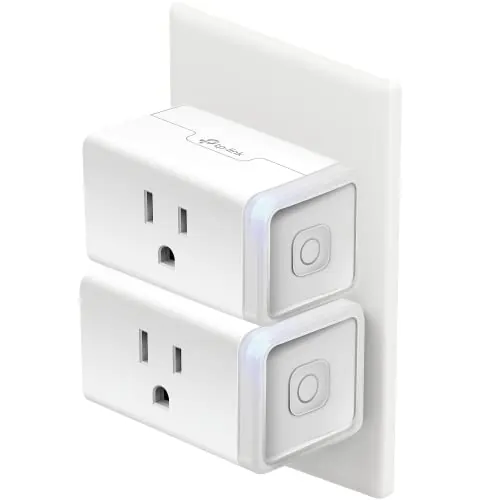
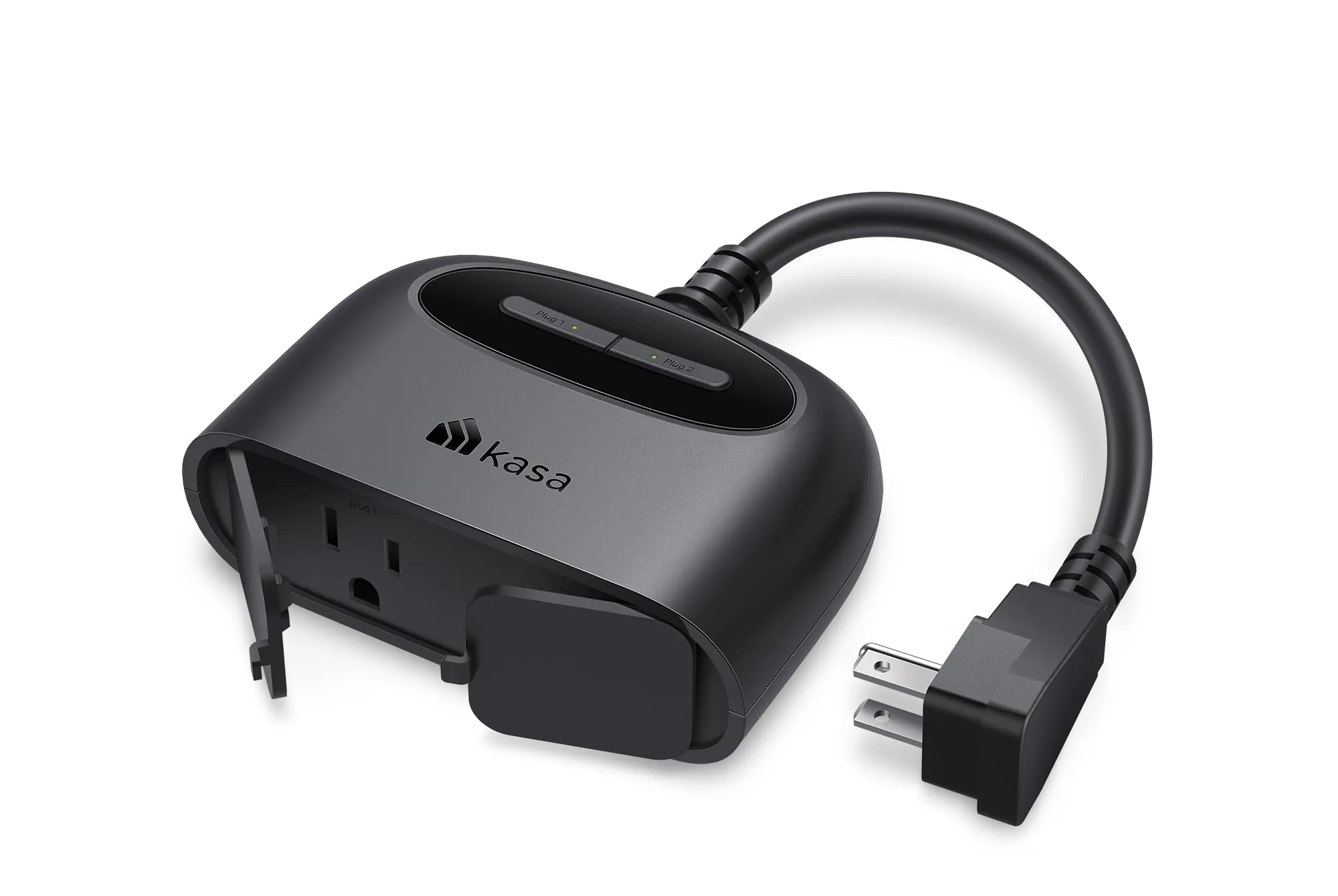
Design-wise, both are compact Type B plug-in smart outlets with a side button for manual toggling. Govee’s rounded shape is specifically praised by some reviewers for fitting two on the same wall plate and not blocking nearby outlets. Kasa provides stated dimensions and is also described as compact, but some owners wish it were even smaller for power bars. If placement is tight, checking outlet spacing and whether you need two plugs side-by-side is worthwhile.
Space efficiency is strong on both, with compact bodies designed for typical wall outlets. Govee gets specific praise for not blocking adjacent outlets and fitting well on wall plates and power strips. Kasa is also compact (with listed dimensions), though some users still wish it were smaller for crowded power bars. If you need two plugs side-by-side in a single duplex outlet, Govee’s shape may be a slight advantage based on reviewer comments.
Noise can matter if the plug is near a bed or quiet workspace. Both products can make an audible mechanical “click” when switching, as noted by reviewers. Kasa’s click and bright LED are mentioned repeatedly enough to be a known consideration, particularly for bedrooms. If you’re sensitive to switching sounds at night, place the plug farther away, schedule changes for daytime, or choose a location where the sound won’t be noticeable.
Installation is straightforward: plug in, connect to a 2.4 GHz Wi‑Fi network in the brand app, then link to Alexa/Google for voice control. Both are consistently praised for quick setup. Govee’s Bluetooth option can make initial pairing feel smoother in some homes. Kasa’s step-by-step guidance is frequently highlighted as beginner-friendly. No hub is required for either, so there’s no extra hardware to mount or wire.
Both plugs are generally described as solid and well-made for their size, with compact housings designed not to block adjacent outlets in many setups. Govee users often mention a sturdy feel and a smaller profile that fits well on power strips. Kasa’s build is less frequently criticized, but user feedback does include practical niggles like a bright indicator LED and a noticeable relay click. Neither product’s provided data indicates premium materials beyond standard plastics and internal components.
Long-term durability signals are limited in the provided data. Govee has reviewers reporting several months of use without problems and repeat purchases across multiple packs, suggesting acceptable longevity for typical home use. Kasa also has many long-term users with large numbers of plugs, but there are also reports of units failing after a short period. For either brand, durability will depend on electrical load, heat, and usage patterns; avoid pushing the plug near its maximum rating.
Maintenance is minimal for both: keep them dry, avoid overload, and occasionally check that the plug is seated firmly and the outlet isn’t loose. Software maintenance is mainly app-based (setup, renaming, schedules) and may include firmware updates, though update behavior is not detailed here. Kasa’s app guidance can reduce ongoing “admin” time for households with many routines. Govee’s maintenance burden is also low, but app workflows may take more effort if you want complex automation behavior.
Both smart plugs are easy to move between rooms, making them practical for renters, dorms, and seasonal setups like holiday lights. Reviewers commonly use them in multiple locations (living room lamps, plant lights, outdoor fountain setups with protective covering, and vacation homes). Because they’re compact and simply plug in, portability is mostly limited by Wi‑Fi availability and whether you want to reconfigure them for a new network.
Both plugs cover the essentials: remote control, voice control, schedules, timers, and a physical on-device button. Govee emphasizes grouping and the ability to connect via Bluetooth or Wi‑Fi, which can make onboarding smoother for some users. Kasa emphasizes a broader smart-home feature set through app control and includes IFTTT in its listing, making it easier to tie plug actions into third-party automations. Neither listing/review set here confirms energy monitoring, so treat both as on/off automation tools rather than consumption trackers.
The Kasa app is frequently described as user-friendly and guided, helping first-time smart-plug users get started quickly. That said, some reviews call out UI issues such as faint text and timer workflow limitations. The Govee Home app is commonly considered straightforward for core controls and schedules, but reviewers note it can feel less intuitive for complex automations and may require workarounds for advanced setups. If app polish matters most, Kasa has the edge based on the provided feedback.
Both plugs support Alexa and Google Assistant, so they fit common smart-home setups for voice control and routines. Kasa goes further on paper with IFTTT support and frequent mentions of working smoothly with platforms like SmartThings in reviews, which can open up more automation options. Govee’s strength is convenience within the Govee ecosystem and the added Bluetooth option, but reviewers also note the app can feel limiting when trying to build more complex workflows.
For smart-home setups, both integrate cleanly with Alexa and Google Assistant for device discovery and routines. Kasa’s listing adds IFTTT and reviews also mention easy SmartThings integration, which can help if you want triggers beyond simple time schedules (for example, tying a plug to other smart sensors or scenes). Govee’s advantage is the Bluetooth + Wi‑Fi connection option and strong compatibility within Govee’s own ecosystem, though advanced automation inside the app may feel less flexible to some users.
Both products support the most useful automation features for smart plugs: schedules, timers, grouping, and voice-assistant routines. Kasa’s IFTTT support can be valuable if you want to trigger plugs from third-party services or broader smart-home logic. Govee’s grouping and quick scheduling cover most common household needs, but some users find the app less flexible when building advanced automations beyond simple time-based rules.
Both plugs require 2.4 GHz Wi‑Fi, which is a common constraint. Govee adds Bluetooth connectivity, which can help with initial pairing and may reduce frustration in some network setups. Kasa relies on Wi‑Fi and is often praised for staying connected, but aggregated feedback includes users who struggle to connect or experience dropouts. If your router separates 2.4/5 GHz bands or uses strict security settings, plan to spend a few minutes on network configuration during setup.
Neither product is an efficiency device on its own; savings come from using schedules to avoid leaving devices on longer than needed (for example, shutting off chargers or lights automatically). Kasa’s listing includes a higher load rating, which can support a wider range of plug-in devices without pushing limits, while Govee’s lower listed rating encourages sticking to lighter loads. Because energy monitoring is not confirmed here, you won’t get direct consumption data—only control and timing.
Privacy considerations apply to both because they rely on app-based control and cloud-connected voice assistants. The provided data doesn’t detail encryption, local-only control, or data retention policies for either brand. If you’re cautious, consider using a guest network for IoT devices (as one reviewer suggests), use strong account passwords, and limit integrations to only what you need for routines and remote control.
Both plugs are priced aggressively for 2-packs and are frequently described as good value because they add meaningful convenience to existing appliances. Kasa tends to offer stronger overall value if you want broader smart-home compatibility (including IFTTT) and a higher load rating, which can reduce the need to buy a different plug for certain devices. Govee can be better value if you already use Govee products and want consistent control inside one app, with the added benefit of Bluetooth for onboarding in tricky Wi‑Fi environments.
Kasa (TP-Link) benefits from broad brand recognition in home networking and smart home products, and reviews often mention trust based on prior TP-Link ownership. Govee also has strong consumer visibility in smart lighting and home gadgets, and several buyers describe repeat purchases and consistent performance across multiple plugs. Based on the provided data, Kasa has the edge in perceived brand trust and ecosystem breadth, while Govee scores well on consistent user satisfaction within its app ecosystem.
Both products have high star ratings and large review counts, indicating generally strong satisfaction. Govee buyers repeatedly praise easy setup, compact size, and reliable routines, with occasional Wi‑Fi complaints and some frustration with the app for advanced automation. Kasa has an extremely large review base with frequent praise for ease of use and app friendliness; however, its aggregated feedback highlights more mixed experiences on connectivity and some reports of the plug stopping after a short time. If you want the safest bet by volume, Kasa is compelling, but neither is free from outlier issues.
The Kasa Smart Plug HS103P2 is the clearer overall winner for most households because it combines strong scheduling and app control with broad smart-home compatibility (including IFTTT) and a higher listed load rating. Its main drawbacks are mixed reports on Wi‑Fi reliability in some homes, occasional early failures, and small usability annoyances like a bright LED and switching click.
The Govee Smart Plug H5083 is a close runner-up that excels at straightforward automation, compact placement, and easy setup—plus it adds Bluetooth alongside Wi‑Fi. Its main limitation is a less refined app experience for complex automation and the lower listed load rating. If you want simple, reliable routines—especially within Govee’s ecosystem—Govee remains a sensible choice.
Overall winner
Depends on your needs
Kasa HS103P2 is the stronger all-round pick for most households based on broader feature support (including IFTTT), a generally more polished app experience, and a higher listed load rating. Govee H5083 remains a solid option if you prefer the Govee app/ecosystem and like having Bluetooth as an extra connection path during setup and day-to-day use.
Yes. Both the Govee Smart Plug (H5083) and the Kasa HS103P2 list compatibility with Amazon Alexa and Google Assistant for voice control. In practice, buyers commonly use the brand apps (Govee Home or Kasa) for setup first, then add the plugs to Alexa/Google for routines and hands-free control.
No hub is required for either product based on the provided listings. Both connect through your home Wi‑Fi (2.4 GHz). That makes them a straightforward way to add smart control to lamps, fans, holiday lights, and other plug-in devices without buying an additional bridge or controller.
Both products specify 2.4 GHz Wi‑Fi only. If your router is set to 5 GHz-only, setup may fail until you enable a 2.4 GHz network or a combined SSID that allows 2.4 GHz connections. Several reviews for both brands mention Wi‑Fi setup being smooth once connected to the correct band.
Kasa HS103P2 lists a higher maximum load (15A) than Govee H5083 (10A/1200W listed). That can matter for devices that draw more current. Always check the appliance label and use the plug within its stated rating; if you are unsure, stick to common low-to-moderate loads like lamps, fans, and chargers.
Both apps are generally described as easy for basic tasks like pairing, toggling power, and setting simple schedules. Kasa’s app is frequently called user-friendly, though some users mention readability and timer workflow quirks. Govee’s app is often described as straightforward, but some reviewers find it less intuitive for more complex automations.
Real-world reliability is mixed for both, but in different ways. Govee reviews often praise stable day-to-day operation, with some reports of Wi‑Fi issues. Kasa has many reports of strong connectivity, but its aggregated feedback also includes users who struggled with Wi‑Fi or experienced a plug stopping after a short period.
Energy monitoring isn’t stated for either model in the provided data. Reviews for Govee explicitly mention that these plugs focus on core on/off and timer functions rather than electricity usage tracking. If energy monitoring is important, you would need to compare against a different smart plug model that clearly lists power/energy reporting.
They can be, but there are a couple of practical considerations. Kasa reviews mention a bright LED that may be distracting in dark rooms, plus an audible click when switching. Govee reviews also mention a mechanical click when turning on. If using either by a bedside, consider placement and whether the indicator light/noise will bother you.
Check our rankings and expert guides to find the best home lifestyle products for your goals.