#1 Overall Winner
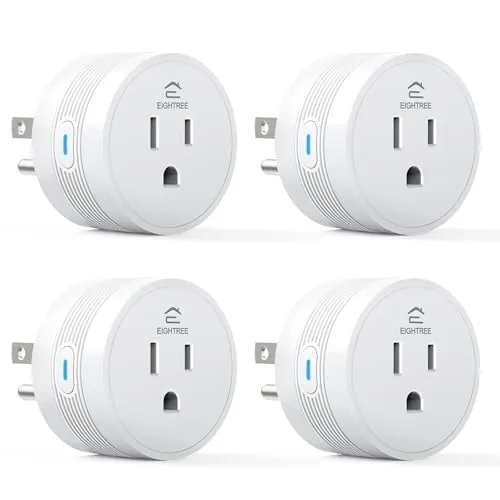
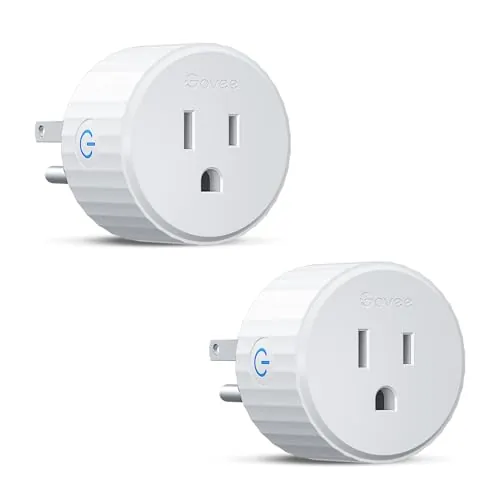
EIGHTREE 15A Smart Plug
- Fast, low-friction setup aided by Bluetooth + 2.4GHz Wi‑Fi pairing.
Comparison
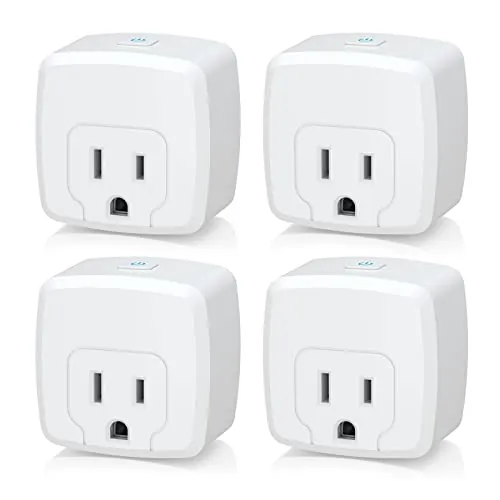
EIGHTREE 15A Smart Plug and HBN Smart Plug Mini 15A are both 2.4GHz Wi‑Fi smart outlets designed for remote on/off control, schedules, and Alexa/Google voice commands. The biggest practical difference is setup: EIGHTREE adds Bluetooth-assisted pairing, while HBN relies on Wi‑Fi app onboarding and gets more mixed setup feedback. If you’re automating lamps, fans, or small appliances, either can work, but the “easier start” tends to favor EIGHTREE.
#1 Overall Winner
Contender
Choose EIGHTREE if you want easier setup (Bluetooth-assisted pairing), strong everyday responsiveness, and clearly stated safety features. Choose HBN if group control/family sharing is a priority and you’re comfortable following app steps carefully if pairing takes a few tries. Both work best on a stable 2.4GHz Wi‑Fi network and are suited to scheduled lighting, fans, and small appliance control.
Overall winner
Depends on your needs
| Feature | EIGHTREE 15A Smart Plug | HBN Smart Plug Mini 15A (4-Pack) | Winner |
|---|---|---|---|
| Category/use case | 15A smart plug for appliances & automation | 15A smart plug for automation (4-pack) | Tie |
| Voice assistants | Alexa, Google Assistant | Alexa, Google Home/Assistant | Tie |
| Connectivity | Wi‑Fi (2.4GHz) + Bluetooth for setup | Wi‑Fi (2.4GHz) | EIGHTREE 15A Smart Plug |
| No hub required | Yes | Yes | Tie |
| Timers/schedules | Timer + schedules/routines (listing) | Timer, countdown, schedules | Tie |
| Grouping/family sharing | Not specified in provided data | Group control & family share (listed) | HBN Smart Plug Mini 15A (4-Pack) |
| Stated wattage in specs | 1100W (listed) | 1875W (listed) | HBN Smart Plug Mini 15A (4-Pack) |
| Safety details provided | ETL + FCC; overload protection; child shutters; flame-retardant housing | ETL certified (details not expanded) | EIGHTREE 15A Smart Plug |
| Ingress protection (IP) | IP44 (listed) | IP00 (listed) | EIGHTREE 15A Smart Plug |
| Physical size | 1.9 x 1.9 x 1.2 in | 2.13 x 2.1 x 2.13 in | EIGHTREE 15A Smart Plug |
| Setup experience (from scores/reviews) | Often described as quick and simple | Mixed; some easy, others confusing | EIGHTREE 15A Smart Plug |
| Customer satisfaction (sentiment) | Generally very positive; strong value comments | Positive overall but more mixed on setup/value | EIGHTREE 15A Smart Plug |
| Value for money (overall) | Frequently described as a great deal | Mixed opinions on value | EIGHTREE 15A Smart Plug |
| App experience (from reviews) | Smart Life app noted; generally intuitive | HBN Smart app; some mention app/instructions confusion | EIGHTREE 15A Smart Plug |
For everyday home automation, both plugs cover the essentials: app-based remote switching, schedules, and voice control for common devices like lamps, fans, and seasonal lights. EIGHTREE tends to fit households that want a smoother onboarding process and quick, reliable control in daily use. HBN can be a good “multiple rooms at once” option thanks to its group and sharing features, but it may take more patience during setup—especially if you change routers or have a finicky 2.4GHz network.
Both plugs can be used in kitchen routines for simple on/off automation of compatible small appliances (for example, switching a coffee maker or countertop device on a schedule). EIGHTREE is explicitly positioned for higher-power household appliances and lists overload protection and child shutters, which may feel more reassuring for busier kitchen environments. With either plug, avoid using it for anything that must not be left unattended, and always stay within the product’s stated limits.
For comfort routines—like scheduling a fan, humidifier, or heater—either plug can help automate on/off times and enable voice control. EIGHTREE is more directly marketed for higher-power home appliances and includes listed overload protection, which may matter when controlling comfort devices that run for long periods. HBN can also work well for comfort scheduling, but its mixed setup/connectivity feedback means it’s worth testing stability before relying on it for daily routines.
In core performance—turning devices on and off on command and sticking to schedules—both products appear capable, and many reviewers describe quick responses once configured. EIGHTREE’s feedback more consistently emphasizes fast control and fewer day-to-day issues, while HBN shows a wider range of experiences, including some connection and syncing frustrations. For either plug, real performance will heavily depend on your 2.4GHz Wi‑Fi stability and how cleanly the device pairs in the app.
Both products have generally positive reliability feedback, but neither is perfect. EIGHTREE reviews include many reports of stable operation and quick response, yet there are mixed comments on Wi‑Fi/Alexa compatibility and at least one report of a unit failing unexpectedly. HBN reliability is often described as good once configured, but reviews highlight more frequent setup/connectivity issues and occasional odd behavior (such as unexpected shutoffs in one user’s case). For mission-critical uses, test for a week before relying on it.
Neither plug controls temperature directly, but both can automate on/off for compatible comfort devices like fans, humidifiers, or some heaters. EIGHTREE’s high-load positioning and listed overload protection may be a better fit when you want extra reassurance for devices that draw more power or run unattended on a schedule. HBN can also manage these routines, but given the more mixed setup/connectivity feedback, it’s worth verifying stability before relying on it every day.
Both plugs list ETL certification, which is a helpful baseline for indoor electrical products. EIGHTREE provides more specific safety features in the listing, including overload protection, flame-retardant housing, and child safety shutters—useful details if the plug will be used in busy areas or around children. HBN’s listing is less detailed beyond ETL certification, so shoppers who want clearly described protections may prefer EIGHTREE. With either, avoid daisy-chaining power strips, keep away from moisture, and stay within the product’s stated electrical limits.
Comfort benefits come from convenience: reliable schedules, quick voice control, and fewer manual trips to hard-to-reach outlets. EIGHTREE’s smoother setup and generally strong app feedback can make it easier to build routines that “just work,” which matters for daily comfort habits like bedside lamps or office devices. HBN can deliver similar comfort gains once configured, especially if you use its grouping and sharing features for multi-room lighting routines.
EIGHTREE is easier for most users based on the provided data, with repeated reviews describing quick pairing, a straightforward app, and responsive control. HBN’s ease-of-use is more variable: some users report a very simple setup, while others mention confusing syncing steps and unclear instructions. If you’re buying for a less tech-comfortable user or want the fastest multi-plug rollout, EIGHTREE is the safer choice.
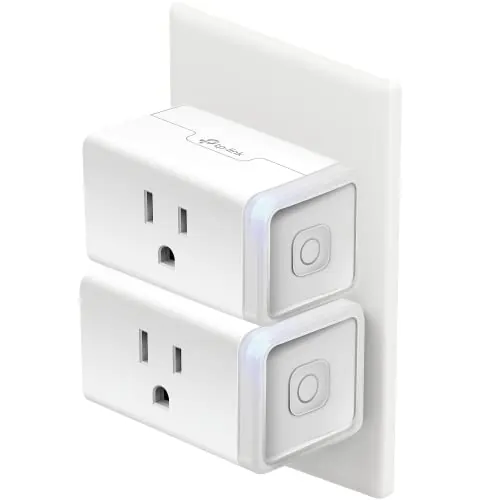
Design is mostly about fit and outlet crowding. EIGHTREE is physically smaller on the provided dimensions and is often described as compact enough to fit without blocking adjacent outlets, although some still wish it were smaller. HBN is larger and more frequently criticized for taking up space and limiting access to neighboring sockets. If you’re using power strips, tight duplex outlets, or wall plates behind furniture, size favors EIGHTREE.
Both are 15A smart plugs intended for typical household loads, but the listings present capacity differently. HBN lists a higher wattage number in its specs, while EIGHTREE positions itself as a high-load plug for appliances and emphasizes protective features like overload protection. In practice, “capacity” should be treated as staying within the manufacturer’s stated limits and using the plug for appropriate indoor loads on the correct voltage.
Space efficiency is a key difference. EIGHTREE’s smaller dimensions and rounded design are more likely to leave adjacent outlets usable, though some users still wish it were slimmer. HBN is larger and more often called out for blocking neighboring sockets, which matters in kitchens, behind TVs, or in bedrooms with limited outlets. If you’re short on outlet real estate, EIGHTREE is the better fit.
Noise is effectively a non-issue for both plugs in normal use. Smart plugs don’t have motors or fans, and both products rate as excellent for quiet operation in the provided scoring. That makes either suitable for bedrooms or offices where you don’t want added sound—your main considerations will be indicator light visibility and connection reliability, not operating noise.
Neither requires hardware installation beyond plugging into an outlet, but “installation” here means initial onboarding. EIGHTREE is typically faster to get running because Bluetooth can help the app find the plug quickly. HBN installation can be quick, but reviews show some users struggle with syncing indicators and unclear instructions. If you’re setting up many plugs at once, EIGHTREE is more likely to be a smooth batch setup.
Both plugs are generally described as solid and functional, but EIGHTREE gets slightly stronger quality impressions in reviews (e.g., “professional-quality”) and lists a flame-retardant housing. HBN also receives “sturdy” comments, though its spec sheet includes a plastic contact material listing that may raise questions for some shoppers. Neither listing provides deep detail on internal components, so long-term robustness is best inferred from buyer experiences.
Long-term durability is hard to verify from listings alone, but patterns in reviews help. EIGHTREE has a very large review base with mostly positive day-to-day reports, though at least one buyer reported a plug “suddenly died.” HBN includes at least one long-term positive update (working after about a year) alongside other complaints tied to setup and occasional device behavior. If you want the safer durability bet from the provided data, EIGHTREE is slightly stronger.
Maintenance is mostly digital rather than physical: keeping the plugs assigned in the app, re-pairing after router changes, and ensuring your phone and plug are on 2.4GHz during setup. EIGHTREE’s Bluetooth-assisted pairing and higher maintenance scoring suggest fewer headaches when adding or replacing devices. HBN can require more time if setup steps are confusing or if you need to migrate devices between apps or networks.
Both plugs are easy to move from room to room since they’re compact plug-in devices with no tools required. EIGHTREE is smaller and lighter in the provided specs, which makes it slightly easier to reposition and fit behind furniture. HBN remains portable, but its bulk can make it less convenient in tight spaces or crowded power strips where you might frequently move devices around.
Both smart plugs cover the standard feature set: app control from anywhere, timers, schedules, and Alexa/Google voice commands. EIGHTREE’s standout feature is Bluetooth-assisted setup to make onboarding quicker and less dependent on Wi‑Fi during pairing. HBN’s differentiator is household-oriented management features—group control, scenes, and family sharing—called out directly in the listing and echoed in some reviews discussing scenes and routines.
EIGHTREE reviewers frequently mention the Smart Life app experience as intuitive, fast, and easy to manage, with quick response when toggling devices. HBN’s app experience is more mixed: some love the app once installed, while others point to unclear instructions and confusion during setup. Some reviews also suggest app fragmentation depending on the product batch, which can complicate managing many devices in one place.
Both plugs are designed to slot into common smart home setups with Alexa and Google integration, letting you build routines like “Good Night” or “Away.” EIGHTREE’s Bluetooth-assisted setup and generally positive app feedback make it easier to add multiple plugs quickly. HBN stands out for explicitly listed group control and family sharing, which can be useful for households where multiple people need access to the same devices.
Both plugs support Alexa and Google ecosystems, enabling common routines like “Away” lighting schedules and voice control across rooms. EIGHTREE’s advantage is onboarding and day-to-day simplicity, helped by Bluetooth-assisted setup and generally positive app usability feedback. HBN’s strength is household management: the listing highlights group control and family share, which can be useful for families coordinating lights and devices without handing one person full control.
Automation is strong on both: schedules, timers, and integration with Alexa/Google routines cover most household needs. HBN explicitly promotes scenes, grouping, and family sharing, which can be helpful for “one command controls many plugs” households. EIGHTREE focuses more on making automation easy to set up and keep stable, which matters if you prefer simple daily routines over more complex scene management.
Both plugs are limited to 2.4GHz Wi‑Fi, which is typical for smart home devices and often offers better range than 5GHz. EIGHTREE adds Bluetooth to simplify initial pairing, which can reduce frustration on crowded networks. HBN’s connectivity is more dependent on getting the Wi‑Fi onboarding steps right, and reviews show that some users struggle with syncing or device connection. If your Wi‑Fi environment is tricky, EIGHTREE is less likely to be a hassle.
Neither product includes detailed energy-monitoring features in the provided data, so “efficiency” here is mostly about using schedules to avoid leaving devices on longer than needed. Both support timers and routines that can reduce wasted runtime (for example, turning off lights automatically). Because there’s limited technical data on standby draw or energy tracking, the more practical efficiency difference is ease of setting and maintaining schedules—an area where EIGHTREE’s usability advantage helps.
Both plugs rely on app control and cloud-connected features for remote access and voice assistant integration, which typically implies account-based use. However, the provided data does not specify what data is collected, whether local-only control is possible, or what security measures are used. If privacy is a priority, review the app permissions and account requirements before installation, and consider isolating smart devices on a dedicated 2.4GHz network where possible.
Pricing is very close, but value depends on how smoothly the plugs fit into your home. EIGHTREE is more consistently described as a strong value, largely because setup is easier and daily control is responsive, reducing “time cost” and frustration. HBN can be a good deal if you specifically want group control/family sharing and your setup goes smoothly, but reviews show more disagreement on whether it feels worth it. If you want the safer value pick with fewer reported headaches, EIGHTREE comes out ahead.
Both brands have substantial review histories for these products, but the provided data doesn’t include detailed warranty terms or long-term support records. EIGHTREE has a slightly stronger trust signal from more consistent ease-of-use and value feedback, plus at least one review noting the company reached out and replaced a failed unit. HBN also has many satisfied buyers, but more complaints about unclear instructions and setup friction can affect confidence for less technical households.
Both products have large review counts and generally positive average ratings, suggesting many buyers are happy with the core idea: simple automation and voice control. EIGHTREE’s sentiment is more consistently positive around setup speed, app usability, and responsiveness, though there are mixed comments about Alexa/Wi‑Fi compatibility. HBN satisfaction is good once installed, but it has more polarized feedback on setup difficulty, instructions quality, and perceived value. If you want fewer “your mileage may vary” experiences, EIGHTREE is the safer pick.
Warranty details are not clearly provided for either product in the supplied data, so it’s difficult to compare formal coverage. HBN’s listing mentions “warranty” generally, but without length or process specifics. EIGHTREE has at least one review describing responsive outreach and a replacement after a failure, which is a positive sign, but it’s still not a substitute for clear written warranty terms.
EIGHTREE is the clearer overall winner in the provided data, mainly because it’s easier to set up (Bluetooth-assisted pairing), delivers a more consistently praised app experience, and lists more specific safety protections for everyday indoor use. Its main drawbacks are mixed reports about Wi‑Fi/Alexa linking in some homes and a form factor that can still be a bit bulky in tight outlet layouts.
HBN is a solid alternative that covers the essentials—remote control, schedules, and voice assistants—and adds useful household features like grouping and family sharing. Its main limitation is a more inconsistent setup experience, with repeated complaints about confusing instructions and occasional connection problems. If you want the least hassle, choose EIGHTREE; if you value shared control and don’t mind troubleshooting, HBN can still be a good fit.

Overall winner
Depends on your needs
Based on the provided scores and buyer feedback, EIGHTREE tends to be the safer pick if you want easier setup (helped by Bluetooth) and strong day-to-day usability. HBN offers similar core features like schedules, grouping, and voice control, but reviews more often mention confusing setup steps or connection issues. If you’re comfortable troubleshooting, HBN can still work well once configured.
Yes. Both listings state compatibility with Alexa and Google Home/Google Assistant for voice on/off control and routines. However, reviews for both products include some mixed experiences—especially around initial pairing and voice-assistant linking—so it’s worth checking your 2.4GHz Wi‑Fi stability and following the app setup steps closely.
EIGHTREE is generally the easier setup option in the provided data because it supports Bluetooth-assisted onboarding in addition to 2.4GHz Wi‑Fi. HBN setup feedback is mixed: many users get running quickly, but others report confusing instructions and difficulty getting the device into syncing mode. If you want fewer pairing steps, EIGHTREE is the safer bet.
Both are rated at 15A, which is the key figure for plug load. EIGHTREE is positioned specifically as a high-load plug for appliances, and it also lists overload protection and a flame-retardant housing. HBN lists a higher wattage in its specs, but real-world suitability still depends on your appliance draw and using the plug within its stated limits.
Smart plugs don’t typically generate noticeable operating noise, and both products rate as excellent in the provided noise scoring. In practical terms, they’re suitable for bedroom lamps, sound machines, or seasonal lights. The main bedroom-related concern is usually indicator lights or connectivity reliability, rather than sound.
Neither is described as ultra-compact, and buyers for both mention that the plugs can crowd adjacent outlets. That said, EIGHTREE’s smaller, rounded shape is praised by some reviewers for fitting outlets without blocking as much. If outlet spacing is tight (stacked duplexes or power strips), check dimensions before buying.
No. Both products are described as no-hub smart plugs that connect to a 2.4GHz Wi‑Fi network and are controlled via an app, with optional voice control through Alexa or Google Home. If your router combines 2.4GHz and 5GHz under one name, you may need to ensure your phone and plug are pairing on 2.4GHz.
Maintenance is minimal for both: keep them dry, avoid overloading, and occasionally check that the plug remains firmly seated in the outlet. The main “maintenance” is software-related—reconnecting after router changes, updating the app, and re-adding devices if you change networks. Reviews suggest EIGHTREE tends to be less fussy, while HBN can take more setup effort.
Check our rankings and expert guides to find the best home lifestyle products for your goals.