#1 Overall Winner
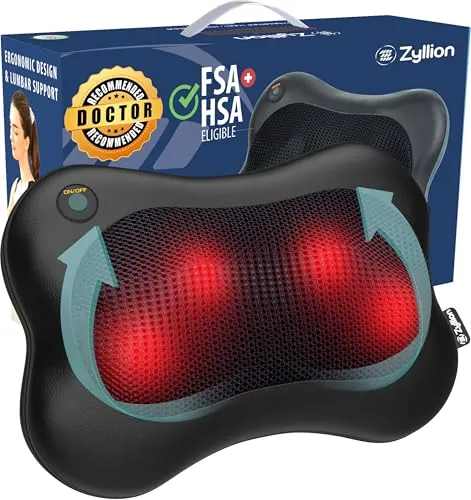
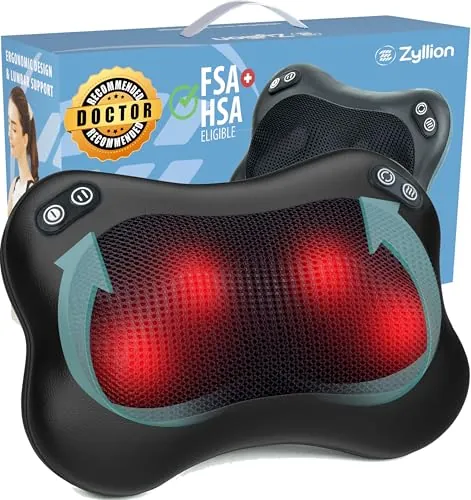
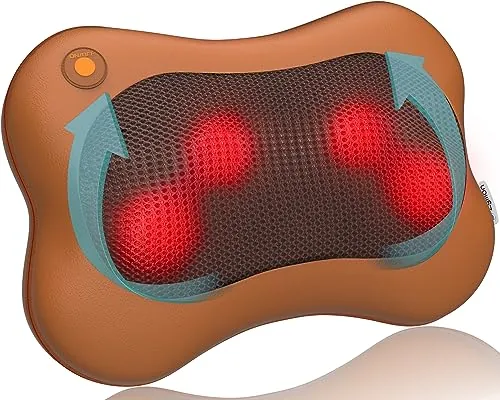
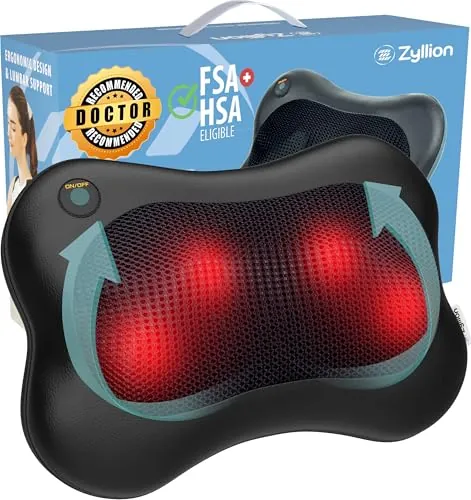
Zyllion Shiatsu Back and Neck Massager with Heat - 3D Electric Kneading Deep Tissue Massage Pillow for Muscle Pain Relief, Brown, ZMA-13
- Strong shiatsu-style kneading that reviewers say gets deep into tight back and neck muscles
Comparison
The Zyllion ZMA-13 Brown and Zyllion ZMA-13 Black are corded shiatsu massage pillows with heat designed for back, neck, shoulders, legs, and feet. In practice, they share the same core features—kneading nodes, direction changes, straps, and a car adapter—so the decision is mostly about color and price. Buyer feedback is broadly positive for pain relief, with recurring notes about corded use and mixed long-term durability.
#1 Overall Winner
Contender
Choose the Zyllion ZMA-13 Brown if you want the slightly stronger score-led all-rounder (comfort/reliability/support) and don’t mind paying a bit more. Choose the Zyllion ZMA-13 Black if you want the same core shiatsu kneading + heat experience for less. Either way, expect corded operation and plan for possible cover wear over time.
Overall winner
Depends on your needs
| Feature | Zyllion Shiatsu Back and Neck Massager with Heat - 3D Electric Kneading Deep Tissue Massage Pillow for Muscle Pain Relief, Brown, ZMA-13 | Zyllion Shiatsu Back and Neck Massager with Heat - 3D Electric Kneading Deep Tissue Massage Pillow for Muscle Pain Relief, Black, ZMA-13 | Winner |
|---|---|---|---|
| Type | Shiatsu massage pillow (ZMA-13) | Shiatsu massage pillow (ZMA-13) | Tie |
| Massage technique | Kneading / rolling (shiatsu-style) | Kneading / rolling (shiatsu-style) | Tie |
| Heat function | Yes | Yes | Tie |
| Auto shut-off / overheat protection | Auto shut-off (20 min) + overheat protection | Auto shut-off (20 min) + overheat protection | Tie |
| Power / portability | Corded; includes car adapter | Corded; includes car adapter | Tie |
| Straps for chair/headrest | Yes (Velcro straps) | Yes (Velcro straps) | Tie |
| Target body areas | Back, neck, shoulders, legs, feet | Back, neck, shoulders, legs, feet | Tie |
| Size / weight | 13 x 9.5 x 3.5 in; 3.9 lb | 13 x 9.5 x 3.5 in; 3.9 lb | Tie |
| Customer rating & volume (provided) | 4.5/5; 50,991 reviews | 4.5/5; 50,991 reviews | Tie |
| Price (listed) | $56.29 | $52.53 | Zyllion Shiatsu Back and Neck Massager with Heat - 3D Electric Kneading Deep Tissue Massage Pillow for Muscle Pain Relief, Black, ZMA-13 |
| Reliability (score-led) | Stronger trend | Slightly weaker trend | Zyllion Shiatsu Back and Neck Massager with Heat - 3D Electric Kneading Deep Tissue Massage Pillow for Muscle Pain Relief, Brown, ZMA-13 |
| Comfort (score-led) | Stronger trend | Good but slightly behind | Zyllion Shiatsu Back and Neck Massager with Heat - 3D Electric Kneading Deep Tissue Massage Pillow for Muscle Pain Relief, Brown, ZMA-13 |
| Warranty/support (provided) | 3-year warranty structure; strong support mentions | 3-year warranty structure; strong support mentions | Tie |
| Color | Brown | Black | Depends |
In day-to-day use, both ZMA-13 versions fill the same role: a compact, targeted massager you can grab for short sessions on the sofa, at a desk, or before bed. The straps help keep the pillow in place on a chair, which matters if you want hands-free use while working. The main difference for home routines is convenience around power—both are corded—so you’ll likely choose based on where outlets are and whether you want to keep the car adapter in your vehicle.
These are comfort/recovery devices rather than climate products, but they can meaningfully affect how a room feels at the end of the day—especially for people who carry tension in the neck and lower back. Both offer heat (optional) and kneading that reviewers often describe as deep and relaxing. If you’re sensitive to pressure, note that a minority of buyers find the nodes too firm, so starting with lighter pressure and shorter sessions is sensible.
Performance is effectively the same on-paper because both listings describe the same ZMA-13 kneading setup with heat and automatic direction changes. In the provided reviews, the clearest consistent theme is deep, targeted kneading that helps with back and neck tightness, with several buyers using it for years. The main performance caveat is comfort fit: some users find the nodes very firm and report increased pain, and heavy pressure can strain the motor according to one detailed review. Used with moderate pressure and appropriate positioning, both appear well-suited to short, focused sessions.
Reliability looks good for many buyers—there are reviews describing years of use—but it is not uniform. The aggregated feedback notes some units breaking within two months, and one detailed review mentions heat-related overheating behavior after multiple consecutive cycles. Cable management can also affect reliability day-to-day if the quick-disconnect is repeatedly pulled loose. Between the two listings, the score-led view favors the brown version slightly, but both share the same real-world risk pattern: most users are happy, a minority experience early failures.
Both listings state built-in overheat protection and a 20-minute auto shut-off, which helps reduce risk from extended unattended use. Reviews also suggest heat mode can lead to the unit needing a break after multiple cycles, so following the timed sessions and allowing cooldown is sensible. Because the nodes can feel very firm for some users, avoid forcing high pressure on sensitive areas. Finally, since the units are not water resistant and are corded, keep them away from water and be mindful of cord placement to avoid trips or accidental unplugging.
Comfort is a strong point overall, with many buyers describing relaxation benefits and meaningful relief—especially when combining kneading with heat. However, comfort is also the biggest “it depends” factor: a small but important set of reviews reports the nodes feeling extremely hard and causing more pain. If you’re sensitive, consider using the pillow through a layer (like positioning) that reduces intensity, and avoid forcing deep pressure on already inflamed areas.
Both are straightforward: plug in, position the pillow behind the target area, and choose heat or no heat. The straps make it easier to keep the massager in place on a chair, and the compact size helps when moving it between lower back and neck/shoulders. The main usability downsides mentioned are cord management and a report that the quick-disconnect can come loose if the cable gets tugged, so routing the cable to reduce strain can improve day-to-day use.
The design is essentially identical: a compact, semi-structured pillow (13 x 9.5 x 3.5 inches) intended to be pressed into muscles while seated or reclining. The straps are practical for chair and car headrest placement, and the included adapters support both home and travel use. Color is the only visible design difference in the provided data. If appearance matters in a living room or bedroom, pick the color that blends better with your furniture.
Both are targeted massage pillows rather than full-back covers, so “capacity” is about how well they fit specific problem areas. The compact size works best for focused spots like the lumbar area, neck/shoulder junction, calves, and feet. They’re less suited to people who want broad, full-back coverage in a single session. Fit also depends on how you brace the pillow against a chair or your body to control pressure.
Both are space-efficient compared with larger massage chair pads or full-back devices. The pillow can be stored in a cupboard or drawer and doesn’t need permanent floor space. In small flats, bedrooms, or shared offices, that compact footprint is a real advantage. The main space-related downside is cord management—plan a nearby outlet or a tidy cable route so it doesn’t create clutter around a desk or bedside.
Both versions are described as quiet in the feature list, and the score-led noise view is similar. In real use, noise will vary with pressure: pushing hard into the nodes or letting the unit vibrate against a chair frame can make it more noticeable. For shared spaces or bedtime use, starting with lighter pressure and stable positioning typically helps keep noise less intrusive.
There’s no true installation—both are plug-in devices. Setup is mainly choosing a good placement: strapped to an office chair, behind the neck/upper back, or positioned for lumbar support. For car use, the included adapter supports road trips, but cable routing matters so the cord doesn’t pull on the connector. Compared with larger chair pads, this pillow format is quicker to set up but requires a bit more positioning to target the exact spot you want.
Build quality feedback is mixed for both listings. Some reviewers describe years of reliable use, while the aggregated sentiment also includes reports of failures within a couple of months. A common wear point is the fabric/mesh cover due to friction from the kneading nodes—one reviewer calls this “inevitable” over time—though there are also positive anecdotes about replacement cover support. Overall, neither listing escapes the same core build concerns.
Long-term durability is mixed for both. The most consistent wear-related theme is cover stitching/mesh wear from ongoing friction during kneading. Some users report the device “still works like day one” after long ownership, while others report much shorter lifespans. If you expect heavy daily use, treat the cover as a consumable part and pay attention to how much body weight/pressure you apply to reduce strain on the motor and moving nodes.
Maintenance is relatively light: there are no filters, tanks, or blades to clean in the provided data. The main upkeep is keeping the cover in good condition and monitoring for wear in the fabric/mesh area. Reviews mention that replacing the cover can be straightforward and that customer service has provided replacement covers in some cases. Also, because it’s not water resistant, avoid using it in damp areas and store it somewhere dry to reduce risk of damage.
Portability is a strength for both. At 3.9 lb and a compact pillow shape, they’re easy to move between rooms or pack for a trip. The included car adapter makes them practical for long drives, though they’re still tethered by a cord during use. If you want true portability (use anywhere without wires), neither is a fit because both are explicitly not cordless.
Feature-wise, this is a tie. Both versions include heat, auto shut-off, overheat protection, and nodes that reverse direction automatically. Both include Velcro straps for securing to an office chair or car headrest, plus a sleeve and both home and car power adapters. There are no app features or smart controls in the provided data, so the “feature set” is primarily about simple, physical usability: heat on/off, rotation behavior, and the ability to use it in multiple locations.
Neither listing provides power consumption details, so efficiency here is mostly about how effectively they deliver relief in short sessions. The 20-minute auto shut-off encourages brief, repeatable use. One review notes that without heat the unit can run for long periods, while heat mode may require breaks after several cycles due to temperature management. If you plan frequent heat sessions, expect occasional cooldown time as part of normal operation.
Both listings have strong perceived value in the provided buyer sentiment, with many people describing meaningful relief and relaxation for the price point. The black version is listed slightly cheaper, which improves its upfront value if you’re price-led. The brown listing is scored a bit stronger overall in the provided data and has slightly stronger warranty/support weighting, which may matter if you’re concerned about the mixed durability feedback. Either way, value improves when you’re comfortable with a corded device and you use it regularly in short sessions.
This is a Zyllion vs Zyllion comparison, so brand trust is essentially equal. The provided data includes positive service anecdotes (such as replacement cover support) and a stated 3-year warranty structure with registration-based extension. At the same time, mixed durability feedback suggests outcomes can vary by unit or usage intensity. If brand trust matters to you, keep your proof of purchase and register if required to access the extended warranty terms described.
Customer satisfaction is strong for both based on the provided rating and very large review volume. Reviews repeatedly praise deep kneading, pain relief, and the heat function, with several describing it as relaxing enough for bedtime routines. Complaints exist but are more specific: some users find the nodes too hard, some mention overheating behavior when using heat repeatedly, and durability is mixed (including early failures for a minority). Overall sentiment is positive, with a clear pattern of “works well when it fits your pressure preference.”
Both listings describe a 3-year warranty structure (1 year automatic plus an extension with registration). Reviews include detailed examples of responsive support for replacement covers, which is relevant because cover wear is a known issue over time. If you buy either version, check the registration step and keep an eye on the cover condition so you can address wear before it affects use.
This is less a “which product is better” comparison and more a “which listing should you buy” decision, because both are Zyllion ZMA-13 shiatsu massage pillows with the same core feature set: deep kneading, optional heat, auto shut-off, straps, and car/home adapters. The brown version comes out slightly ahead in the provided score-led view, helped by stronger comfort and reliability weighting. The black version’s clearest advantage is the lower listed price.
Both share the same main limitations: corded-only use and mixed durability/cover-wear feedback. Choose based on today’s price, your color preference, and how heavily you expect to use the heat and kneading.
Overall winner
Depends on your needs
They’re effectively the same Zyllion ZMA-13 shiatsu massage pillow with heat, straps, and a car adapter; the practical difference is mainly color and the specific listing. Using the provided scoring data, the brown listing comes out a bit stronger overall, but both have similar buyer sentiment and the same core strengths and complaints (corded use and mixed durability reports).
No. Both versions are corded electric and need to be plugged in. They include a home power adapter and a car adapter, which helps for road trips, but you still have to manage the cord and stay within reach of a power source.
Yes. Both listings include heat and state that the unit has overheat protection and an auto shut-off after 20 minutes. In reviews, some users also mention needing short breaks after repeated heat cycles, which is consistent with heat management behavior.
Both are designed for chair use and include Velcro straps to secure the pillow to an office chair. If your chair setup tends to tug on cables, pay attention to cable routing and strain relief; at least one reviewer mentions the quick-disconnect can pull loose unless you keep the cable secured.
Comfort is mixed. Many buyers describe the kneading as effective and relaxing, but a small number of reviews warn the nodes can feel very firm and may cause discomfort, especially if you’re sensitive or already sore. If you’re unsure, start with lighter pressure and shorter sessions.
Both are described as quiet in the product features, and the provided noise scoring is similar. In real use, the perceived noise often depends on how firmly you press into the nodes and whether the pillow is vibrating against a chair frame or hard surface.
Feedback is mixed. Some reviewers report many years of off-and-on use, while others mention the unit breaking within a couple of months. Cover wear is also noted as a common long-term issue due to friction from kneading, though there are reviews describing helpful replacement support for worn covers.
The biggest visible difference is color (brown vs black) and the listing identifiers/UPCs. The feature set and included accessories are the same: shiatsu kneading, heat, auto shut-off, straps, and car/home adapters. Price can vary slightly, so it may come down to the cheaper option or your preferred color.
Value depends on the price you can get on the day and how much you’ll use heat. The black version is listed slightly cheaper, but the brown listing rates a bit stronger in the provided value/warranty-support scoring. Either way, consider the corded design and the mixed durability feedback when judging long-term value.
Check our rankings and expert guides to find the best home lifestyle products for your goals.