#1 Overall Winner
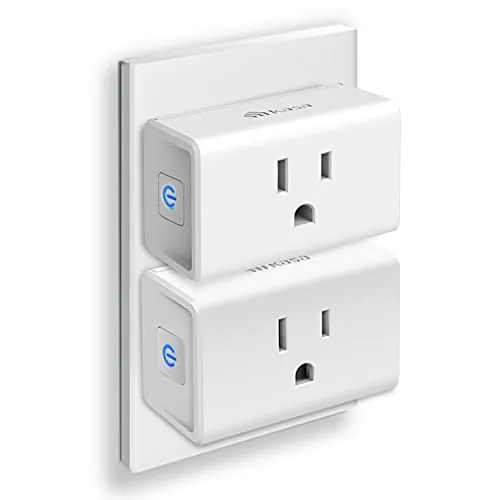
Kasa Smart Plug Ultra Mini 15A (EP10P2) 2-Pack
- Ultra-compact plug design that’s intended not to block the second outlet on a wall socket.
Comparison
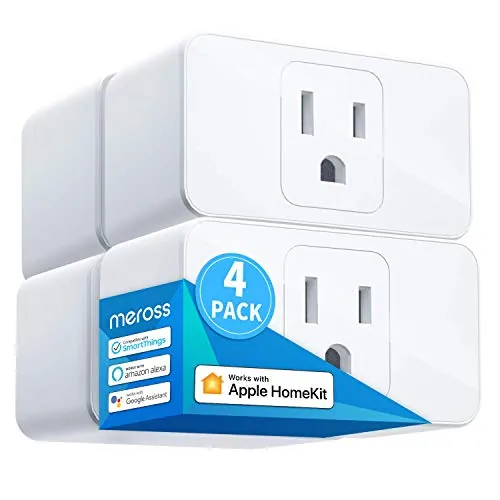
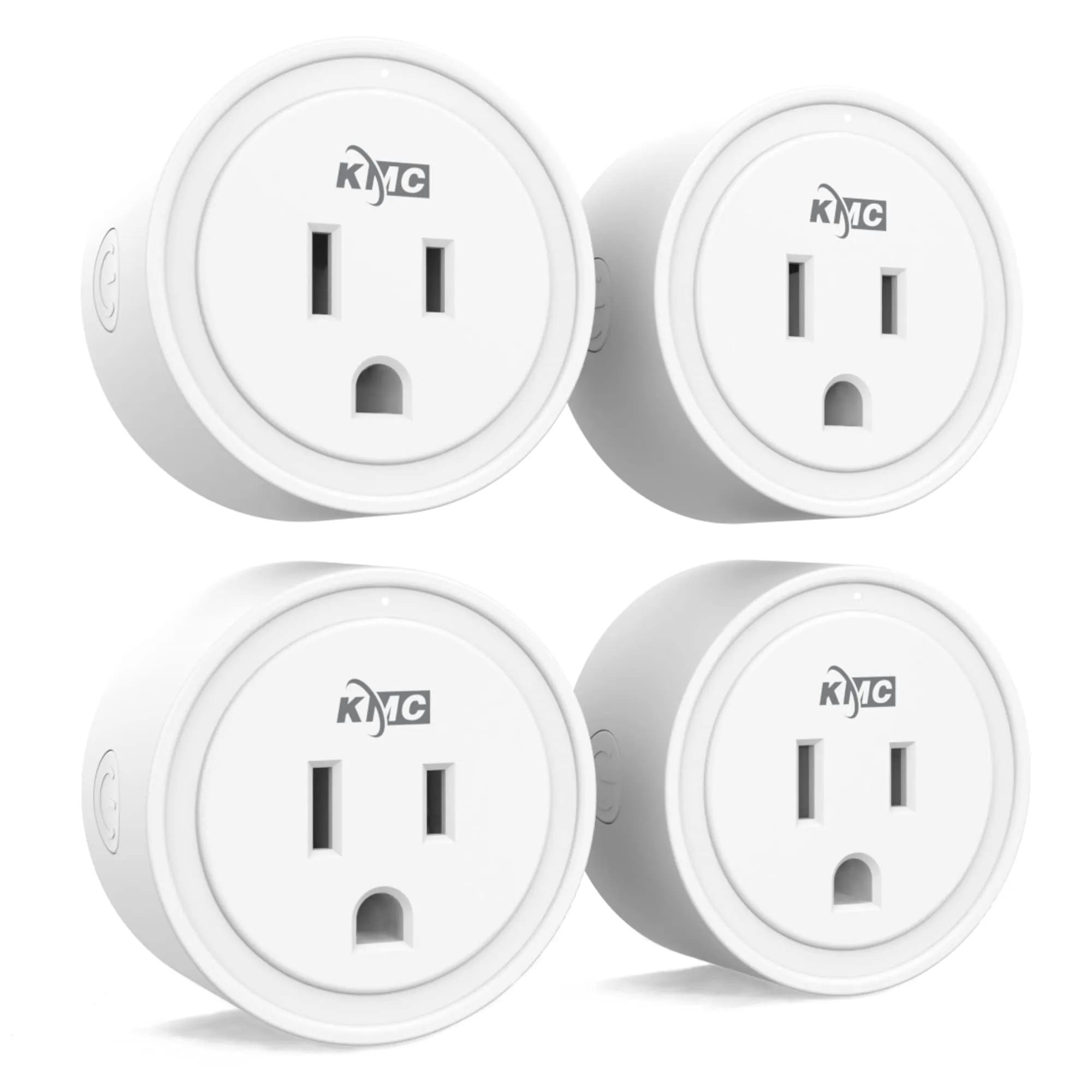
The Kasa Smart Plug Ultra Mini EP10P2 and the KMC Smart Plug Mini 4-Pack are Wi‑Fi smart outlets designed to add app and voice control to everyday devices like lamps, fans, and small appliances. Kasa focuses on an ultra-compact plug body and is widely praised for easy setup and a polished app, while KMC competes with a larger multi-pack and automation options that include conditions like sunrise/sunset. Both require 2.4 GHz Wi‑Fi and can be used with Alexa or Google Assistant.
#1 Overall Winner
Contender
Choose the Kasa EP10P2 if you want a compact smart plug with very strong ease-of-use feedback and dependable schedules for everyday lighting and device control. Choose the KMC 4-pack if you want more plugs per purchase and like the idea of broader app automation triggers—while accepting that some owners report more app/connectivity hiccups and a bulkier fit.
Overall winner
Depends on your needs
| Feature | Kasa Smart Plug Ultra Mini 15A (EP10P2) 2-Pack | KMC Smart Plug Mini 4-Pack (30153) | Winner |
|---|---|---|---|
| Type | Wi‑Fi smart plug (2-pack) | Wi‑Fi smart plug (4-pack) | Depends |
| Pack size | 2 plugs | 4 plugs | KMC Smart Plug Mini 4-Pack (30153) |
| Price (as listed) | $8.54 | $19.52 | Depends |
| Average rating (as listed) | 4.5/5 | 4.4/5 | Kasa Smart Plug Ultra Mini 15A (EP10P2) 2-Pack |
| Review volume (as listed) | 39,988 reviews | 11,694 reviews | Kasa Smart Plug Ultra Mini 15A (EP10P2) 2-Pack |
| Voice assistants | Alexa, Google Assistant (plus IFTTT listed) | Alexa, Google Assistant | Kasa Smart Plug Ultra Mini 15A (EP10P2) 2-Pack |
| Hub requirement | No hub required | No hub required | Tie |
| Wi‑Fi requirement | 2.4 GHz Wi‑Fi only | 2.4 GHz Wi‑Fi required | Tie |
| Physical fit / outlet blocking | Ultra-mini design intended not to block adjacent outlet | Some reviewers report it’s a bit large in tight spaces | Kasa Smart Plug Ultra Mini 15A (EP10P2) 2-Pack |
| Rated electrical load (stated) | 15A, 120V, 1800W | 15A, 125V, 1875W | Depends |
| Scheduling/automation | Schedules, timers, Away Mode | Scheduling + conditions like sunrise/sunset (per listing) | Depends |
| Connectivity feedback | Mixed (some router/integration issues reported) | More mixed (offline/pairing issues mentioned) | Kasa Smart Plug Ultra Mini 15A (EP10P2) 2-Pack |
| App experience | Often praised as intuitive/robust | Easy for many, but more reports of glitches/offline status | Kasa Smart Plug Ultra Mini 15A (EP10P2) 2-Pack |
| Warranty (as listed) | 2-year warranty stated | Lifetime warranty stated | KMC Smart Plug Mini 4-Pack (30153) |
| Certifications (as listed) | UL (also RoHS/FCC/IC mentioned) | ETL (UL/ETL stated) | Depends |
For everyday home routines (lamps, fans, holiday lights, and “did I leave that on?” peace of mind), both plugs cover the basics: remote on/off, schedules, and voice control. Kasa’s compact body is more forgiving behind furniture and on two-outlet wall plates, making it easier to use throughout a home without sacrificing the second socket. KMC’s advantage is scale—four plugs in one box can quickly automate multiple rooms—but you’ll want to be more mindful of physical clearance and be prepared for occasional app/pairing troubleshooting noted by some owners.
Both smart plugs can be useful in kitchen routines for simple on/off control (for example, lamps, some small appliances, or switching a device off after a set time) as long as the appliance is appropriate for plug-level control and stays within the stated electrical ratings. Kasa’s smaller footprint tends to be easier on crowded backsplash outlets. KMC can be a cost-effective way to add multiple controlled outlets at once, but its larger body may be awkward next to other plugs or on power strips.
For comfort-related devices like fans, humidifiers, or other plug-in home comfort gear that only needs basic on/off scheduling, either plug can work well. Kasa stands out for straightforward scheduling and a compact design that’s easier to place near bedsides or behind furniture. KMC’s app describes more automation triggers (like sunrise/sunset), which can be useful for matching household routines, but some users report offline/app quirks that can be frustrating if you rely on routines daily.
As simple on/off smart outlets, both appear to perform well when Wi‑Fi connectivity is stable: reviewers for each describe responsive control and helpful scheduling for lights and small devices. Kasa has more consistently positive feedback around “set it and forget it” operation, and users report it’s effective for automating power cycles for certain electronics. KMC also gets praise for quick response, but a subset of reviews mention pairing friction, devices showing offline, or units stopping working, which can undermine performance if you depend on daily routines.
Both products receive generally positive reliability feedback, but the “problem patterns” differ in frequency and impact. Kasa reviews and the aggregated summary note some connectivity/Alexa compatibility issues for certain setups, especially when changing routers, but many users report stable operation once configured. KMC reviews include stronger warnings from a subset of owners about plugs going offline, failing to connect, or losing device listings in the app, which can be disruptive when you depend on remote access. For reliability-sensitive uses (travel, rentals, critical routines), Kasa appears to be the safer bet.
Neither plug is a security sensor, but both can contribute to basic “occupied home” patterns by controlling lights on schedules. Kasa explicitly includes an Away Mode feature for this use, which makes the security-style use case more straightforward. With KMC you can still create lighting routines, but some reviewers mention app/offline issues—worth considering if you plan to rely on it while traveling.
Both listings include safety certification claims and similar current ratings, which is a good baseline for everyday household use when used within their limits. Kasa states UL certification and flame-retardant materials, along with a 15A/1800W rating. KMC states ETL certification and a 15A/1875W rating. Regardless of brand, smart plugs should be used only with appropriate loads and in suitable environments; for example, avoid forcing bulky plugs into crowded strips where heat buildup and strain on outlets can become concerns.
Comfort improvements mainly come from convenience: not having to reach behind furniture, remembering to turn things off, or manually rebooting finicky electronics. Kasa gets strong feedback for removing daily annoyances through reliable scheduling (including power-cycling use cases), which can make it feel more effortless over time. KMC can deliver the same convenience—especially when you use several plugs at once—but occasional app/pairing problems described by some owners can reduce that “it just works” comfort factor.
Kasa is widely described as quick to set up with clear steps inside the app, and many owners highlight how painless it is to add and control multiple plugs. KMC is also often described as simple, but reviews more frequently mention slower pairing, retries, or the app briefly showing devices offline. For households that don’t want troubleshooting—especially when adding several plugs—Kasa tends to be the easier day-to-day experience.
Kasa’s standout design advantage is its ultra-mini housing, meant to keep the second outlet usable—important on standard wall sockets and behind furniture. The KMC plugs are more likely to create fit issues on crowded power strips or tight outlet layouts, based on reviews. If placement flexibility and keeping adjacent outlets open matters, Kasa is the more practical design choice; if you have roomy outlets and want more plugs in one purchase, KMC’s design may be “good enough.”
Kasa is the more space-efficient option for most homes thanks to its ultra-mini housing that’s intended to preserve access to the second outlet. That matters in kitchens, bedrooms, and anywhere outlets are limited or tucked behind furniture. KMC’s 4-pack can be space-efficient from a “coverage” standpoint (more outlets automated at once), but the plug body is more likely to create clearance problems in tight layouts, based on review feedback.
Both are true plug-and-play devices with no wiring: plug into an outlet, pair via a phone app, and add voice control if desired. Kasa reviews suggest a smoother, quicker onboarding flow for most users, while KMC reviews more often mention pairing taking longer or needing retries. For either plug, plan to set up near your router first if you have weak 2.4 GHz coverage in the final location.
Neither product’s listing provides deep construction detail beyond basic materials and certifications, so the best clues are buyer patterns. Kasa is generally described as dependable and well-finished for a compact plug, with a long track record of satisfied users. KMC also gets “quality” praise, but mixed reliability feedback suggests more variation between homes or batches. If you want the safer bet on consistency, Kasa has the advantage in the provided data.
Long-term durability is hard to confirm from listings alone, but review patterns help. Kasa has a very large review base and many reports of ongoing daily use across multiple plugs, suggesting consistent real-world longevity for many households. KMC also has many satisfied users, but the presence of more reliability complaints (offline behavior, needing resets) can translate into more “maintenance events” over time. If you want fewer re-pairing cycles and less troubleshooting, Kasa looks stronger overall.
Maintenance for smart plugs is mostly digital: keeping them connected, occasionally re-pairing after network changes, and organizing schedules in the app. Kasa owners often describe setup and re-setup as fast once you follow the right remove/reset steps, and day-to-day control is simple. KMC can be easy too, but more reviews mention having to restart the app, retry pairing, or recover from “offline” states, which increases the ongoing maintenance burden if you deploy many plugs.
Both are easy to move from room to room, but real portability is affected by bulk and how well they fit in tight spaces. Kasa’s compact design makes it easier to relocate to different outlets without blocking adjacent sockets. KMC remains portable in the sense that it’s plug-in, but its larger size can limit where it can be comfortably used—especially on power strips, behind furniture, or in outlet clusters.
Kasa’s feature set centers on the essentials done well: app control, timers/schedules, and an Away Mode, with voice control and IFTTT listed for broader smart home workflows. KMC offers the core features too (remote control, schedules, voice control) and its listing emphasizes automation based on conditions such as sunrise/sunset. KMC also calls out easy sharing with family/friends. If you want simple, reliable scheduling, Kasa is the cleaner fit; if you want more automation triggers in-app, KMC is appealing.
Kasa’s app experience is frequently described as intuitive and robust, with scheduling and grouping features that are easy to use. KMC’s app is considered straightforward by many owners and includes automation options plus sharing, but multiple reviews mention occasional glitches (devices disappearing, showing offline, or requiring re-pairing). If you plan to manage a lot of plugs and depend on predictable app behavior, Kasa has the clearer advantage.
Both products target smart home beginners: no hub, phone control, and voice control with Alexa and Google Assistant. Kasa adds IFTTT support in its listing and gets stronger feedback for a polished, easy-to-navigate app. KMC highlights automation conditions (including sunrise/sunset) and sharing control, which can help in multi-person households. If you want the simplest path to reliable daily control, Kasa has the edge; if you want more plugs and are comfortable troubleshooting, KMC can make sense.
For smart home routines, both support app control and voice assistants, making them easy additions to Alexa or Google Home households. Kasa’s listing also includes IFTTT, which can open up additional cross-brand routines if you already use that platform. KMC’s listing leans into automation conditions like sunrise/sunset and sharing access with others. In practice, Kasa’s app stability feedback is stronger, while KMC’s added automation value may depend on how well it behaves on your specific Wi‑Fi network.
Kasa focuses on practical automations like schedules, timers, and an Away Mode for lighting patterns, which fits most households. KMC’s listing suggests more conditional automation options (including sunrise/sunset), which can be useful for seasonal routines or hands-off lighting changes. The trade-off is that KMC’s reliability/app feedback is more mixed, so advanced automations may require more checking to ensure they keep running as intended.
Both devices rely on 2.4 GHz Wi‑Fi, and both have mixed connectivity feedback—meaning your router, signal strength, and any recent network changes can make a big difference. Kasa reviews suggest that when issues occur (often after router changes), a proper remove/reset/re-add sequence typically fixes things. KMC reviews include more mentions of pairing being slow or devices showing offline unexpectedly. If you want the lower-risk connectivity experience, Kasa looks steadier overall in the provided data.
Neither listing provides detailed standby power draw or energy monitoring features, so efficiency is mostly about practical use: scheduling devices off when not needed can reduce wasted runtime. Kasa reviews specifically mention schedules continuing even when Wi‑Fi drops (once configured), which can help keep routines efficient and consistent. KMC can also automate schedules, but reports of offline/app glitches can lead to manual intervention—reducing the real-world “hands-off” efficiency for some households.
Both products depend on an app and Wi‑Fi connectivity for remote control, which means you’ll be using an account-based smart home ecosystem. The provided data doesn’t specify local-only control, encryption details, or data retention policies. If privacy is a priority, use strong Wi‑Fi and account passwords, keep your phone secured, and consider how comfortable you are granting an app control over power to devices while away from home.
KMC’s 4-pack can be a strong value if you need several controlled outlets immediately, and it also claims a lifetime warranty, which may matter for long-term ownership. Kasa’s 2-pack costs less upfront and tends to win on space efficiency and ease-of-use feedback, which can be “value” in the form of less time troubleshooting—especially if you plan to deploy plugs behind furniture or in tight outlets. If you want the lowest hassle per plug, Kasa is compelling; if you want maximum coverage per purchase and can tolerate some app variability, KMC can be the better deal.
Kasa (TP-Link) has strong trust signals in the provided listing, including a large user base claim and long-running popularity reflected in review volume, plus a clearly stated 2-year warranty. KMC emphasizes a lifetime warranty and US-based support, but review feedback includes complaints about slow, email-only support in at least one case. If brand predictability and a widely used app ecosystem matter most, Kasa feels more established in this dataset; KMC’s trust proposition leans more on warranty terms.
Both products are well-rated overall with substantial review counts, and both are frequently described as convenient and easy to use once set up. Kasa shows particularly strong satisfaction signals: many reviews call out fast setup, a robust app, and a compact design that fits better on real outlets. KMC also receives a lot of “works as advertised” praise and is liked for value, but it has more recurring complaints about pairing, devices showing offline, and occasional loss of device listings—issues that can negatively affect satisfaction for multi-plug deployments.
Kasa’s listing states a 2-year warranty. KMC’s listing states a lifetime warranty and US-based customer support, but one review mentions support being slow and primarily via email. Warranty length is only one part of support quality, so if you expect to rely on help for troubleshooting, consider the review feedback on responsiveness alongside the warranty terms.
Verdict: The Kasa EP10P2 is the clearer overall winner for most households because it combines a space-saving design with consistently strong ease-of-use feedback and a generally well-regarded app experience. Its main limitation is that connectivity can still be finicky in certain network situations, and it doesn’t add Apple HomeKit support in the provided data.
The KMC Smart Plug Mini 4-Pack is a solid alternative when you want more plugs per purchase and like the promise of broader in-app automation triggers and sharing. Its biggest drawback is more mixed reliability/app feedback (offline and pairing complaints) and a bulkier fit in tight outlet layouts. If you want the lowest-hassle smart plug, go Kasa; if you want bulk coverage and can troubleshoot, KMC can fit well.
Overall winner
Depends on your needs
Based on the provided scores and review themes, the Kasa EP10P2 comes across as the safer all-round pick for most homes, mainly due to its compact design and consistently strong ease-of-use feedback. The KMC 4-pack is appealing if you want more plugs per purchase and like the idea of app automation triggers, but buyer reports include more pairing/offline quirks.
The Kasa EP10P2 is specifically described as ultra-compact and designed not to block the second outlet on a standard wall socket. KMC reviewers more often mention the plugs being large or difficult to fit on crowded power strips or tight outlet layouts, so placement can take a bit more planning.
Yes. Both listings state compatibility with Alexa and Google Assistant for voice control. Reviews for both mention successful voice control, but each also has some mixed feedback on connectivity depending on the home network setup. If voice control is a must, plan on a stable 2.4 GHz Wi‑Fi signal where the plug will be used.
Kasa’s app experience is described by many owners as intuitive and robust, and setup is often reported as quick. KMC’s app is also described as easy by many buyers, but there are more mentions of pairing taking longer, devices showing “offline,” and occasional scheduling/app quirks. Your Wi‑Fi environment can heavily influence either experience.
Both support scheduling. Kasa is frequently praised for timers, countdowns, and dependable recurring schedules. KMC’s listing emphasizes broader automation conditions (including sunrise/sunset and other triggers), which may appeal if you want more types of routines. However, some KMC reviewers report schedule or app glitches, so it may require more troubleshooting.
Both are specified as requiring a secured 2.4 GHz Wi‑Fi network, with no hub required. If your router separates 2.4 GHz and 5 GHz bands, you’ll typically need to connect your phone to the 2.4 GHz band during setup. Mixed connectivity reviews for both suggest router changes can sometimes require re-adding devices.
Value depends on how many outlets you want to automate and how important a compact body is in your home. KMC provides more plugs per box, which can be cost-effective for expanding quickly. Kasa costs more per plug in this listing but often wins on compact placement and ease-of-use feedback, which can reduce setup friction over time.
Kasa reviews include real-world examples of using schedules to automatically reboot devices (like a treadmill console) and to avoid manual unplugging. KMC is also used for lights and small devices with quick on/off response. In both cases, stay within the stated electrical ratings and use on/off control for appropriate devices.
Confirm you have reliable 2.4 GHz Wi‑Fi coverage at the outlet location, and consider physical fit—especially if you’re using a crowded wall plate or power strip. Also check your intended device’s power needs against the plug’s stated 15A rating, and decide whether you prefer Kasa’s compact design and app reputation or KMC’s larger multi-pack and automation options.
Check our rankings and expert guides to find the best home lifestyle products for your goals.