#1 Overall Winner
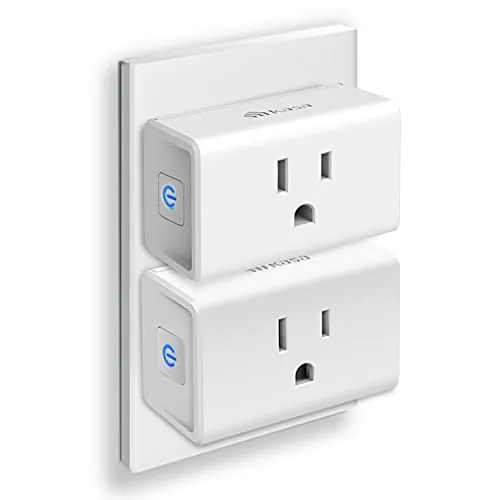
Kasa Smart Plug Ultra Mini 15A (EP10P2) 2-Pack
- Very compact plug-in design that’s intended not to block the second outlet on many wall sockets.
Comparison
Kasa EP10P2 and meross MSS110HK are compact 2.4GHz Wi‑Fi smart plugs designed for simple on/off control, timers, and schedules for lights and small appliances. Kasa focuses on very easy setup and broad Alexa/Google support, while meross adds Apple HomeKit and Siri compatibility. The biggest trade-off is that meross has more mixed feedback on Wi‑Fi/HomeKit stability and long-term reliability.
#1 Overall Winner
Contender
Choose Kasa EP10P2 if you want a compact, beginner-friendly smart plug for Alexa/Google control and dependable scheduling. Choose meross MSS110HK if Apple HomeKit and Siri support are your priority and you’re comfortable troubleshooting 2.4GHz/HomeKit setup if your network is picky.
Overall winner
Depends on your needs
| Feature | Kasa Smart Plug Ultra Mini 15A (EP10P2) 2-Pack | meross Smart Plug Mini 15A (MSS110HK) 4-Pack | Winner |
|---|---|---|---|
| Type | Wi‑Fi smart plug (on/off) | Wi‑Fi smart plug (on/off) | Tie |
| Pack size | 2-pack | 4-pack | meross Smart Plug Mini 15A (MSS110HK) 4-Pack |
| Upfront price (listed) | Lower | Higher | Kasa Smart Plug Ultra Mini 15A (EP10P2) 2-Pack |
| Rated load (listing) | 15A / 1800W stated | 15A stated | Tie |
| Wi‑Fi band support | 2.4GHz only | 2.4GHz only | Tie |
| Voice assistant support | Alexa, Google Assistant (plus IFTTT) | Siri (HomeKit), Alexa, Google Assistant | Depends |
| Apple HomeKit | Not listed / no HomeKit support mentioned | HomeKit supported | meross Smart Plug Mini 15A (MSS110HK) 4-Pack |
| Remote control requirements | Phone app over Wi‑Fi (no hub stated) | HomeKit remote needs Apple Home hub kept online | Depends |
| Scheduling features | Schedules, timers, countdown, Away Mode | Schedules, timers, sunrise/sunset | Depends |
| App experience (buyer sentiment) | Generally praised as intuitive | Mixed; some like it, others dislike needing proprietary app | Kasa Smart Plug Ultra Mini 15A (EP10P2) 2-Pack |
| Connectivity stability (buyer sentiment) | Mixed but often stable | More frequent disconnection complaints | Kasa Smart Plug Ultra Mini 15A (EP10P2) 2-Pack |
| Reliability over time (buyer sentiment) | Generally positive | Mixed; some units reported to fail | Kasa Smart Plug Ultra Mini 15A (EP10P2) 2-Pack |
| Certifications (listing) | UL listed/certified (plus FCC/IC/RoHS stated) | ETL and FCC stated | Depends |
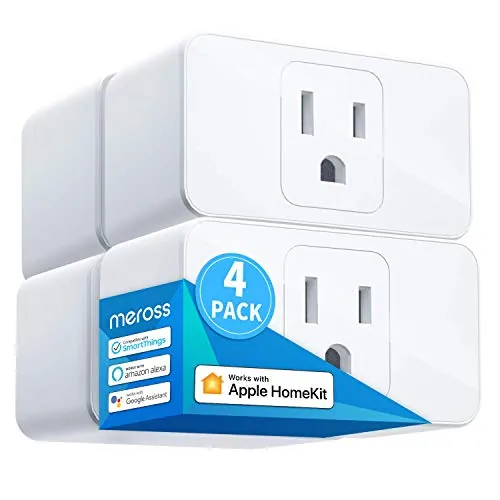
| Size / outlet blocking | Ultra-compact; designed not to block second outlet | Compact; can stack two in one outlet (stated) | Tie |
| Customer scale and ratings | Higher review volume; higher average rating | Lower review volume; slightly lower average rating | Kasa Smart Plug Ultra Mini 15A (EP10P2) 2-Pack |
For everyday home routines—turning lamps on at sunset, setting a fan to shut off at night, or remotely checking whether something is off—both plugs cover the basics. Kasa tends to feel more “appliance-like” in day-to-day use thanks to the consistently praised setup flow and app experience. meross fits best when your home already runs through Apple Home and you want the plug to behave like a native HomeKit accessory, but the overall experience depends more on Wi‑Fi and HomeKit pairing stability.
Both plugs can support comfort routines indirectly by automating fans, humidifiers, or lamps (simple on/off devices). Kasa has stronger feedback for hands-off scheduling and remote control, including use cases like routine power cycling. meross can be very convenient for Siri-based routines (e.g., “Good night” scenes) if HomeKit setup is stable in your home. Neither plug provides dimming or variable speed control—only power on/off.
In core performance—turning power on/off on command and following schedules—Kasa EP10P2 looks stronger overall, with buyers repeatedly describing stable operation and dependable scheduling. meross MSS110HK can perform very well once configured, especially inside Apple HomeKit where users report fast response, but more reviews point to Wi‑Fi drops, HomeKit timeouts, and plugs that stop responding over time. For households that just want consistent switching without babysitting the network, Kasa is the safer bet.
Kasa EP10P2 shows stronger reliability signals overall, with many buyers describing stable operation and dependable schedules, and issues often tied to router changes or setup sequence rather than recurring hardware failure. meross MSS110HK reliability is more polarizing: plenty of users report months or years of stable use, but there are also repeated reports of disconnections, HomeKit timeouts, and some units failing after several months and not reconnecting. If you want fewer ongoing “fix it” moments, Kasa is the safer choice.
Neither product is a security system, but both can contribute to basic security routines by automating lights. Kasa’s Away Mode is specifically positioned for occupancy simulation, which can help make a home look lived-in. With meross, similar results depend on setting up schedules or HomeKit automations. In both cases, reliability matters most—if a plug disconnects, an “away lighting” routine may not run as expected.
For simple home-monitoring style routines (like lights turning on when you’re away), Kasa’s Away Mode is the most direct feature callout between the two. With meross, you can build similar effects using HomeKit schedules or automations, but HomeKit remote access depends on an Apple home hub being online. In either case, the biggest risk is connectivity: disconnections can undermine routines that are meant to run automatically.
Both plugs are intended for indoor household use and are rated to handle up to 15A when used within limits. Kasa states UL certification and flame-retardant materials, and meross states ETL and FCC certification plus flame-retardant PC material. Safety in real use comes down to respecting load limits and avoiding devices that shouldn’t be hard-switched (or that exceed rating). Reviews for meross include discussion around misuse with high-draw appliances; regardless of brand, sticking to appropriate loads like lamps and small electronics is the safer approach.
Comfort here is mostly about convenience: not having to reach behind furniture, and having devices behave automatically. Kasa’s strengths are “set-and-forget” scheduling and an app experience that buyers find intuitive, which reduces daily friction. meross can be very comfortable in Apple households because Siri and Home app scenes can make control feel natural, but only if your Wi‑Fi and HomeKit setup stays stable.
Kasa EP10P2 is consistently described as quick to set up, with clear in-app steps and easy scheduling. meross can also be easy, but multiple reviews mention that HomeKit pairing can take extra steps, may require staying very close to the plug during setup, and can fail on some mesh/dual-band configurations. For beginners who want minimal troubleshooting, Kasa is easier in practice.
Both are mini plugs designed to be practical on crowded outlets. Kasa specifically emphasizes an ultra-compact body that aims not to block the adjacent socket, which is ideal for tight wall plates. meross also highlights a compact shape that can be stacked two-high in a standard outlet, though some users mention the plug body thickness can create clearance issues behind furniture. If placement is tight, Kasa’s smaller footprint is an advantage.
Both are rated for up to 15A on 120V outlets, which covers common loads like lamps, fans, and many small appliances when used within rating. Kasa also lists an 1800W maximum. Neither product includes energy monitoring in the provided data, so “capacity” here is mainly about safe electrical load rather than tracking usage.
Kasa EP10P2 is the better fit for tight spaces because it emphasizes an ultra-mini footprint that aims to preserve access to the second socket. meross is also compact and may allow two plugs in one outlet, but some users mention needing extra clearance behind furniture due to plug thickness. For crowded wall plates, power strips, or behind-couch outlets, Kasa is typically the more space-friendly choice.
Neither requires wiring; installation is plug-in setup. Kasa is widely described as fast and beginner-friendly through the Kasa app. meross setup can be quick, but HomeKit onboarding may require specific conditions (being close to the plug, correct 2.4GHz network behavior, and sometimes using the meross app first). If you anticipate changing routers or using a mesh system, plan extra setup time for meross.
Both plugs use polycarbonate housings and are positioned as flame-retardant. Kasa’s listing emphasizes UL certification, while meross cites ETL and FCC approvals. Buyer feedback for meross includes some reports of units failing after months, which may affect perceived quality even if many users have good experiences. Based on the provided sentiment, Kasa appears more consistent for day-to-day dependability.
Long-term durability is difficult to confirm from listings alone, but review patterns help. Kasa feedback is generally steady and suggests fewer plug failures over time. meross has multiple reports of plugs that stop working after months, balanced by users who have many units running successfully. If you’re outfitting many outlets and want fewer replacements, Kasa appears less risky based on the provided sentiment.
Both plugs are low-maintenance: there are no filters or consumables, and day-to-day care is mostly keeping them in suitable indoor conditions and ensuring a stable 2.4GHz network. Kasa’s maintenance burden is mainly occasional re-pairing if you change routers or Wi‑Fi credentials. meross maintenance can include extra time for HomeKit pairing steps and firmware updates through the meross app, plus potential troubleshooting if a plug disconnects or drops out of HomeKit.
Both are easy to move between outlets and homes because they are compact plug-in accessories. Kasa’s smaller body and “doesn’t block the second outlet” focus makes it particularly convenient for temporary setups, rentals, or moving devices seasonally (like holiday lights). meross is also portable, but if you rely on HomeKit remote access you’ll want to ensure your HomeKit hub device remains set up and online after moving.
Both offer the essentials: app control, voice control, and schedules/timers. Kasa adds IFTTT support and highlights an Away Mode for occupancy-style routines, which can be useful for travel. meross differentiates with Apple HomeKit and Siri support and also calls out sunrise/sunset scheduling, which is handy for lighting. If your priority is ecosystem integration (especially HomeKit), meross wins; if you want broad automation options without HomeKit, Kasa’s mix of features is more straightforward.
Kasa’s app experience is more consistently praised for being intuitive and quick to schedule devices. meross app sentiment is mixed: some find it user-friendly, while others dislike needing a proprietary app and account. meross also commonly requires app involvement for firmware updates and may require extra steps to have both HomeKit control and meross-app control working smoothly.
Smart-home fit is the main reason to choose between these. Kasa EP10P2 supports Alexa and Google Assistant and also lists IFTTT, which can be helpful for cross-platform automations. meross MSS110HK supports Apple HomeKit and Siri (plus Alexa/Google), which is a big advantage for iPhone-first homes. The practical difference is that meross HomeKit remote access needs an Apple home hub device kept online, and HomeKit pairing appears more sensitive to network setup in buyer feedback.
Kasa EP10P2 fits well for Alexa/Google homes and adds IFTTT for users who like cross-service triggers. meross MSS110HK is a better match for Apple HomeKit setups, where users often report fast response in automations and Siri control. The trade-off is complexity: meross HomeKit remote control requires a HomeKit hub device kept online, and reviews show more sensitivity to network configuration during pairing and ongoing use.
Both support useful hands-off automation via schedules and timers. Kasa adds a dedicated Away Mode and is frequently used for reliable daily schedules (including routine reboots of finicky devices). meross stands out for sunrise/sunset scheduling and strong HomeKit automation support when paired successfully. If you want automation inside Apple Home scenes, meross is compelling; for simpler app-based routines, Kasa is more predictable.
Both plugs are 2.4GHz-only Wi‑Fi devices, which can be a pain point in modern dual-band/mesh networks. Kasa has mixed but generally manageable connectivity feedback, with some users needing to re-add devices after router changes. meross has more prominent complaints about constant disconnections and difficulty connecting—especially for HomeKit pairing on certain single-SSID mesh systems—though many users report it’s stable once the network is configured well.
Neither listing provides detailed power consumption figures for the plug itself or standby draw. Both can improve practical efficiency by reducing wasted runtime—using timers to prevent leaving lights on, or scheduling devices to run only when needed. Kasa’s scheduling and Away Mode are frequently praised, while meross adds sunrise/sunset triggers. Real-world efficiency gains will depend on how consistently the plug stays connected and runs schedules.
Both products rely on app-based control and Wi‑Fi connectivity, which generally implies account use and cloud-style remote control. The provided data does not include detailed statements about encryption, local-only control, or data retention policies for either. meross explicitly notes HomeKit remote control dependency on an Apple home hub being online, while Kasa emphasizes phone app control. If privacy is a priority, review app permissions and account requirements before committing.
Kasa EP10P2 is excellent value if you only need two plugs and want a high chance of smooth setup and stable schedules. meross MSS110HK can be strong value per outlet because it’s a 4-pack and adds HomeKit, which can eliminate the need for workarounds in Apple households. The catch is that value drops quickly if you run into repeated disconnects or plug failures, which appear more often in meross feedback. For Apple HomeKit homes that connect cleanly, meross can be a cost-effective way to scale.
Kasa (TP-Link) benefits from a very large user base in the provided data and a strong track record of positive setup and app sentiment, which can increase confidence when buying multiple units. meross has plenty of satisfied buyers and at least one detailed report of fast replacement support, but overall sentiment is more mixed on reliability and connectivity. If you prioritize predictability, Kasa comes across as the more trusted option here.
Kasa EP10P2 shows higher overall satisfaction signals, including a stronger average star rating and a substantially larger number of reviews. Written feedback repeatedly praises ease of setup, compact sizing, and dependable scheduling, with some mixed notes about connectivity in certain setups. meross MSS110HK also gets lots of praise—especially for HomeKit integration and quick response—but the aggregated feedback includes more frequent complaints about disconnections, Wi‑Fi trouble, and some units failing after a period of use.
Kasa EP10P2 explicitly lists a 2-year warranty. For meross, a specific warranty term is not provided in the data, but at least one buyer reports quick replacement support after plug failures. If warranty clarity matters, Kasa is easier to evaluate from the listing alone, while meross support may vary by region and seller.
For most households, Kasa EP10P2 is the better overall choice: it’s compact, easy to set up, and buyer feedback is more consistently positive for reliability and everyday scheduling. Its main limitation is the lack of Apple HomeKit support, which can be a deal-breaker in Siri-first homes.
meross MSS110HK is the more compelling option if HomeKit is your priority, and many users report fast, seamless Home app automations once everything is paired. The trade-offs are more frequent reports of Wi‑Fi/HomeKit connection issues and some plugs failing over time. If you want the least hassle, choose Kasa; if you want HomeKit integration and accept some setup risk, meross can still be a good fit.
Overall winner
Depends on your needs
If you don’t need Apple HomeKit, the Kasa EP10P2 is the safer pick for most homes because buyer feedback is more consistently positive on setup and day-to-day reliability. The meross MSS110HK is most attractive if you specifically want HomeKit and Siri control, but it has more mixed reports around Wi‑Fi/HomeKit setup and longer-term reliability.
The meross MSS110HK is the clear choice for Apple HomeKit and Siri because it is explicitly designed for HomeKit. Keep in mind that HomeKit remote control typically requires a HomePod, Apple TV, or iPad acting as a home hub and staying online. Kasa EP10P2 does not list HomeKit support.
For basic control, neither product requires a dedicated smart home hub; both connect over 2.4GHz Wi‑Fi. However, meross notes that for remote control through Apple HomeKit you’ll need an Apple device acting as a HomeKit bridge (such as a HomePod or Apple TV) and it must remain online.
Kasa EP10P2 is generally easier for first-time users based on repeated buyer comments about a quick setup flow and an intuitive app. meross can also be straightforward, especially for HomeKit users, but the reviews and overview include more mentions of setup friction and Wi‑Fi/HomeKit timeouts in certain network environments.
Both can work well on stable 2.4GHz networks, but buyer sentiment is more consistently positive for the Kasa EP10P2. The meross MSS110HK has a larger share of complaints about frequent disconnections and some units failing over time, even though many users also report solid performance once configured.
Both products emphasize compact mini designs. Kasa specifically highlights an ultra-compact shape meant to avoid blocking a second outlet on a standard socket. meross also states a compact form factor that can allow stacking two plugs in one outlet, though placement and surrounding clearance (like furniture behind the plug) can still matter.
Yes, for simple on/off power cycling, both can work via schedules or timers. Kasa reviews specifically mention using it as an “interface” to reboot devices and scheduling automatic power cycles. As with any smart plug, make sure the connected device stays within the stated 15A rating and is suitable for being switched off and on.
No. Both are listed as 2.4GHz Wi‑Fi only. If your router uses band steering or a single network name for 2.4GHz and 5GHz, setup can be more sensitive—especially for HomeKit pairing on the meross model, where some users report HomeKit timing out in certain mesh configurations.
Value depends on how many outlets you need and whether HomeKit matters. Kasa costs less upfront and is widely praised for smooth setup and reliable scheduling. meross can offer a lower cost per plug in a 4-pack and adds HomeKit/Siri support, but you may be trading some consistency in connectivity and long-term reliability based on buyer feedback.
Check our rankings and expert guides to find the best home lifestyle products for your goals.