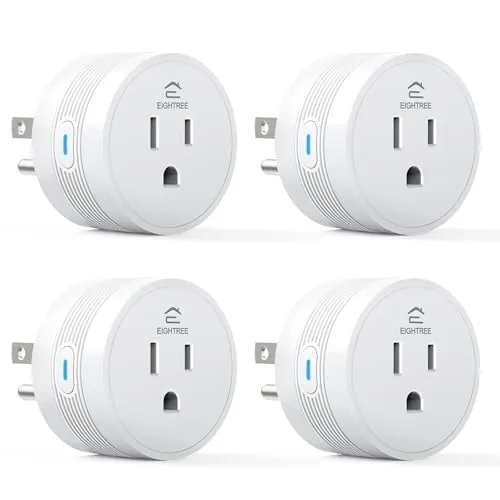
#1 Overall Winner
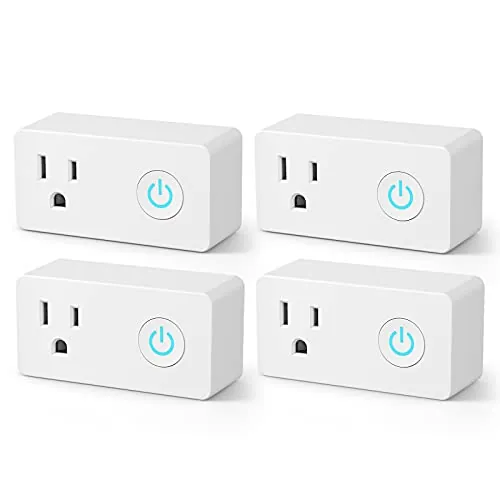
BN-LINK WiFi Heavy Duty Smart Plug Outlet, No Hub Required with Timer Function, White, Compatible with Alexa and Google Assistant, 2.4 Ghz Network Only (4 Pack)
- Excellent value for a 4-pack for multi-room setups
Comparison
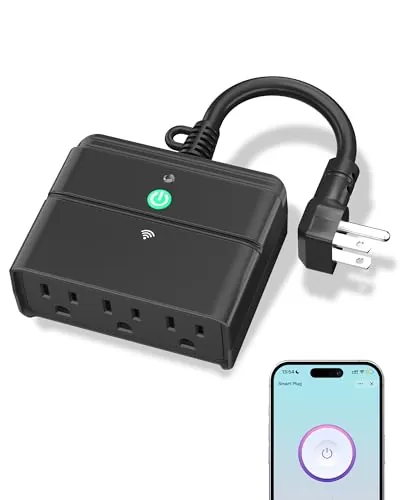
The BN-LINK WiFi Heavy Duty Smart Plug (4 Pack) is an indoor-focused option for adding schedules and voice control to multiple devices around the home. The BN-LINK Smart WiFi Outdoor Outlet is built for outdoor lights and décor with weatherproofing and a three-outlet design that switches together. Both support Alexa/Google Assistant and 2.4 GHz Wi‑Fi, but reviews mention setup and reliability can be inconsistent.
#1 Overall Winner
Contender
Choose the BN-LINK WiFi Heavy Duty Smart Plug 4-pack if you want affordable, room-by-room indoor control with schedules and voice commands. Choose the BN-LINK outdoor smart outlet if you need weatherproof smart control for outdoor lights and decorations and you’re okay with all outlets switching together. In both cases, expect 2.4 GHz Wi‑Fi setup quirks and mixed reliability experiences across buyers.
Overall winner
Depends on your needs
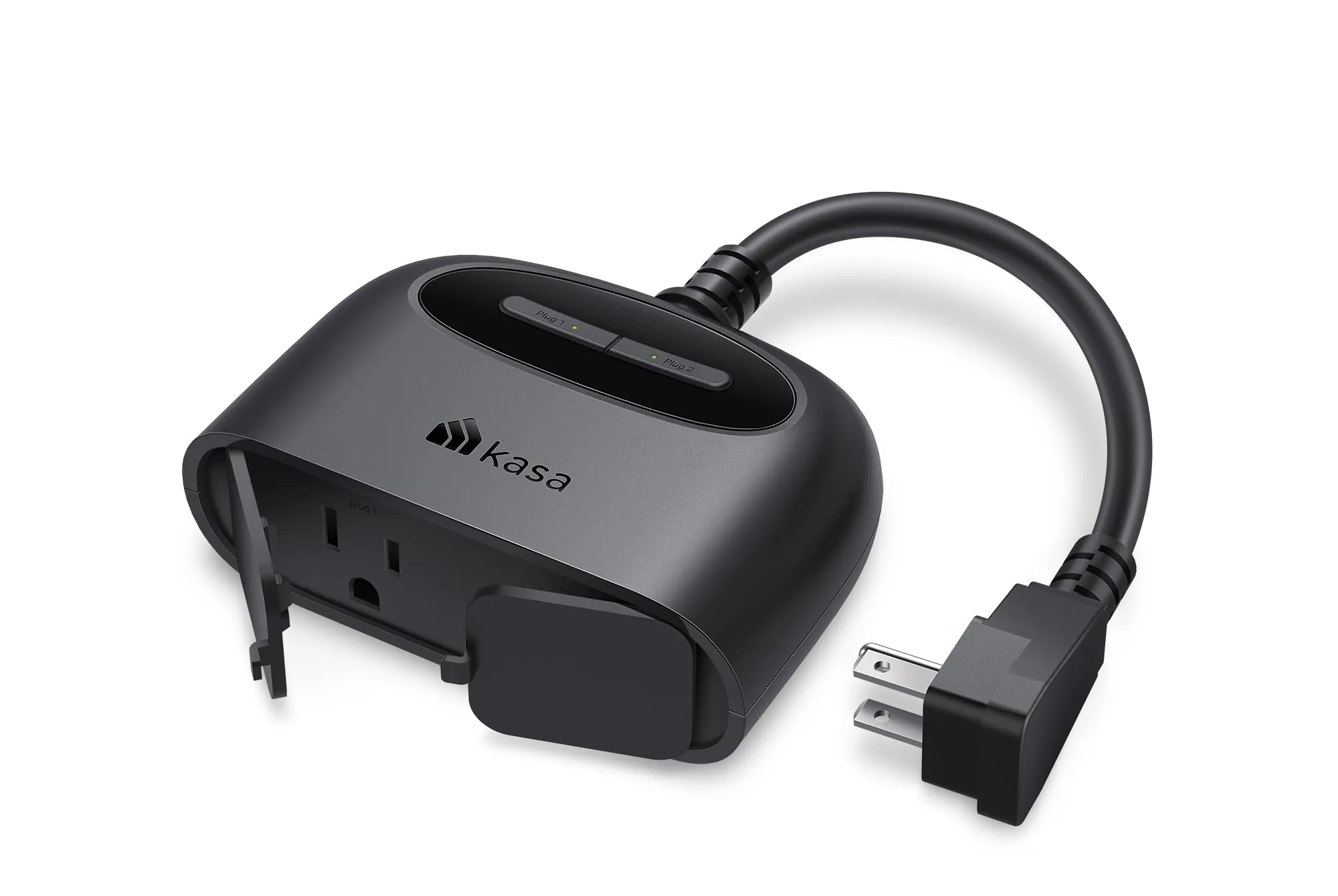
| Feature | BN-LINK WiFi Heavy Duty Smart Plug Outlet, No Hub Required with Timer Function, White, Compatible with Alexa and Google Assistant, 2.4 Ghz Network Only (4 Pack) | BN-LINK Smart WiFi Heavy Duty Outdoor Outlet, Timer and Countdown Function, No Hub Required for Outdoor Lights, Compatible with Alexa and Google Assistant (Outdoor) 2.4 GHz Network only | Winner |
|---|---|---|---|
| Primary use | Indoor smart plug set (4-pack) | Outdoor smart outlet (single unit) | Depends |
| Pack size | 4 plugs | 1 outdoor unit | BN-LINK WiFi Heavy Duty Smart Plug Outlet, No Hub Required with Timer Function, White, Compatible with Alexa and Google Assistant, 2.4 Ghz Network Only (4 Pack) |
| Outdoor weather resistance | No outdoor rating provided | IP44 weatherproof | BN-LINK Smart WiFi Heavy Duty Outdoor Outlet, Timer and Countdown Function, No Hub Required for Outdoor Lights, Compatible with Alexa and Google Assistant (Outdoor) 2.4 GHz Network only |
| Outlet control style | Each plug controls one outlet/device | Up to 3 outlets, controlled together (not individually) | Depends |
| Voice assistant support | Alexa, Google Assistant | Alexa, Google Assistant | Tie |
| Network requirement | 2.4 GHz Wi‑Fi only | 2.4 GHz Wi‑Fi only | Tie |
| Scheduling/timer tools | Timer and scheduling | Timer plus countdown | BN-LINK Smart WiFi Heavy Duty Outdoor Outlet, Timer and Countdown Function, No Hub Required for Outdoor Lights, Compatible with Alexa and Google Assistant (Outdoor) 2.4 GHz Network only |
| App ecosystem | BN-LINK Smart app; works with Smart Life | BN-LINK Smart, Smart Life, Tuya Smart listed | BN-LINK Smart WiFi Heavy Duty Outdoor Outlet, Timer and Countdown Function, No Hub Required for Outdoor Lights, Compatible with Alexa and Google Assistant (Outdoor) 2.4 GHz Network only |
| Electrical rating (as listed) | 15A, 125V, 1875W; ETL | 15A, 120V, 1875W; ETL | Tie |
| Setup experience (buyer feedback) | Often easy; some pairing/instruction issues | More frequent setup frustration reports | BN-LINK WiFi Heavy Duty Smart Plug Outlet, No Hub Required with Timer Function, White, Compatible with Alexa and Google Assistant, 2.4 Ghz Network Only (4 Pack) |
| Reliability over time (buyer feedback) | Mixed; some call it unreliable | Mixed; reports of units stopping working | Depends |
| Space/placement efficiency | Can block neighboring sockets on some power strips | Larger unit, but designed for outdoor placement | BN-LINK Smart WiFi Heavy Duty Outdoor Outlet, Timer and Countdown Function, No Hub Required for Outdoor Lights, Compatible with Alexa and Google Assistant (Outdoor) 2.4 GHz Network only |
| Best fit for holiday lights | Good indoors (trees/windows) | Commonly used outdoors (yard/porch) | BN-LINK Smart WiFi Heavy Duty Outdoor Outlet, Timer and Countdown Function, No Hub Required for Outdoor Lights, Compatible with Alexa and Google Assistant (Outdoor) 2.4 GHz Network only |
| Overall value orientation | Budget-friendly 4-pack value | Single outdoor unit value depends on use | BN-LINK WiFi Heavy Duty Smart Plug Outlet, No Hub Required with Timer Function, White, Compatible with Alexa and Google Assistant, 2.4 Ghz Network Only (4 Pack) |
For everyday home use, the indoor 4-pack is usually the more flexible choice because you can place plugs in different rooms and control each device separately. The outdoor outlet is more specialized: it’s ideal when you want one routine to manage multiple outdoor items at once (for example, porch and yard lighting together). If your “home use” includes exterior outlets and seasonal décor, the outdoor model’s weather protection becomes the deciding factor.
Neither product directly controls climate, but both can automate comfort-related devices like fans, humidifiers, or lights through schedules and voice commands. The indoor 4-pack is a better match for bedroom or living room comfort routines because you can set up multiple devices independently. The outdoor outlet is better suited to exterior lighting that supports comfort and usability around patios or entryways.
In day-to-day switching and scheduling, both products generally deliver the core function once they’re connected: turning devices on/off by app, voice, and timers. The indoor 4-pack stands out for households that want multiple independent controlled points, which often feels like better real-world performance per dollar. The outdoor outlet performs best when used for a single outdoor routine (such as holiday lights), but its “all outlets together” behavior can be a limitation if you need separate schedules for different devices.
Reliability is a key trade-off with both products. The indoor 4-pack has many satisfied owners, but there are repeated mentions of connectivity issues and some reports of plugs being unreliable. The outdoor outlet also earns strong praise when it works, yet multiple buyers report units that won’t connect or that stop working over time, including partial outlet failures. If reliability matters, prioritize strong Wi‑Fi signal, test each unit early, and avoid using them for any mission-critical or safety-critical applications.
Neither device controls temperature directly, but both can automate devices that influence comfort—like fans, humidifiers, or lighting. The indoor 4-pack is more suitable for these routines because you can control several devices individually. The outdoor outlet is better used for exterior lighting schedules (dusk to dawn) rather than indoor climate-adjacent devices.
Both products are listed as ETL certified/listed and rated for heavy-duty plug loads, which is a useful baseline for safety-minded buyers. That said, reviews for both include connectivity and reliability concerns, so it’s wise to avoid using either for anything where unexpected shutoff or failure could create hazards. For outdoor use, the IP44 weatherproofing of the outdoor model is a meaningful safety and durability advantage when exposed to rain or snow. Always ensure a secure fit, avoid strain on cords, and follow device and outlet placement guidance—especially outdoors.
Comfort benefits come mainly from automation convenience. The indoor 4-pack can improve day-to-day comfort more because it supports multiple independent routines (bedroom lamp schedules, fan timers, or evening lighting scenes). The outdoor outlet improves “arrival” comfort and seasonal ambience by automating exterior lights, but its comfort impact is narrower and tied to specific outdoor use cases.
The indoor 4-pack earns a stronger ease-of-use impression overall, with multiple buyers describing quick setup once the pairing button is used—though instructions and dual-band Wi‑Fi confusion come up. The outdoor outlet is also often described as easy once working, but more reviews mention pairing frustrations, missing/unclear guidance, and needing manual setup steps. If you want the smoothest onboarding, the indoor model is generally the safer bet.
The indoor 4-pack is designed for standard indoor receptacles, but its width can interfere with neighboring sockets on some power strips and it may emit an indicator light that some find distracting at night. The outdoor outlet has a larger, purpose-built form factor and includes a short cord for placement flexibility, prioritizing weather resistance and outdoor practicality over compactness.
“Capacity” looks different here. The indoor option gives you four separate smart plugs, which effectively expands how many individual devices you can control across rooms. The outdoor model provides three outlets on a single unit, but because they switch together it functions more like a single control channel with multiple connections. For multi-room control, the indoor 4-pack has the higher practical capacity.
Space efficiency favors the outdoor outlet for its intended context: it consolidates multiple outdoor connections into one weatherproof unit without needing multiple devices outside. Indoors, the 4-pack can be space-efficient across rooms, but each plug’s width can interfere with adjacent sockets on tight power strips. If you mainly use wall outlets, the indoor plugs are easier to accommodate; if you’re managing one outdoor outlet location, the outdoor unit is the cleaner setup.
Noise is effectively a non-issue for both, since they don’t have motors or fans. The indoor plugs may make an audible click when switching (noted positively by at least one reviewer), which can be useful feedback but may be noticeable in quiet bedrooms. The outdoor outlet is typically used outside, where switching sounds are unlikely to matter.
Installation is plug-in for both, but setup is more than just plugging in: you’ll need app pairing on a secured 2.4 GHz Wi‑Fi network and then linking to Alexa/Google Assistant if desired. The indoor 4-pack commonly sets up quickly once you learn the steps, while the outdoor outlet has more reports of pairing frustration and manual-mode workarounds. For the outdoor model, checking Wi‑Fi strength at the exterior outlet location is an important part of installation success.
Both products use plastic housings and are positioned as heavy-duty outlets with ETL listing. The outdoor unit’s practical advantage is environmental protection (IP44), which matters more than material feel when it’s exposed to rain and snow. For the indoor plugs, buyers more frequently mention fit and day-to-day usability issues (like size on power strips) rather than outright physical failure, though long-term reliability is mixed for both.
Long-term durability signals are mixed on both. Some indoor 4-pack owners report stable behavior through outages and reconnections, while others question long-term reliability. Outdoor durability depends heavily on exposure and usage cycles; several reviews describe multiple seasons of success, but there are also reports of failures after extended use or individual outlet issues. Outdoor conditions can accelerate wear, making early and periodic testing especially important.
Maintenance is minimal for both because there are no filters or consumable parts. The main “maintenance” tasks are keeping the apps updated, re-pairing after router changes, and occasionally resetting devices if connectivity glitches occur. The indoor 4-pack may require more routine management simply because you have more devices to name and organize. The outdoor outlet benefits from periodic inspection of placement and connections to ensure it stays protected from direct water exposure and strain.
The indoor 4-pack is easy to move between rooms because each plug is small and independent, making it convenient for renters or anyone frequently changing setups. The outdoor outlet is still portable, but it’s larger and typically “assigned” to a specific exterior outlet location for seasonal use. If you want the ability to redeploy smart control around the home quickly, the indoor set is more flexible.
The indoor 4-pack focuses on core smart plug features: app control, voice control, scheduling/timers, grouping, and sharing control with family members. The outdoor outlet adds an explicitly highlighted countdown timer feature and is designed to run multiple outdoor devices at once, backed by weatherproofing. The biggest feature difference is control granularity: multiple independent indoor plugs versus three outdoor outlets that are controlled together.
App experience is mixed for both. The indoor 4-pack is associated with Smart Life compatibility, but reviews mention confusing instructions and, for some users, annoying app behaviors like promotional notifications. The outdoor outlet also uses BN-LINK/Smart Life-style flows, with multiple reviews describing clunky setup and occasional missing/unclear instructions. Once configured, day-to-day switching and scheduling is usually described as straightforward.
Both products are built for smart home routines, with Alexa and Google Assistant support and app-based scheduling. The indoor 4-pack is typically easier to “scale” in a smart home because each plug becomes its own controllable device, which helps with room-based grouping and individual routines. The outdoor outlet is better when you want one control point outdoors, but its three outlets switching together limits automation granularity.
For smart home workflows, both products support app control and voice assistants and can be used in routines. The indoor 4-pack is more automation-friendly for larger setups because each plug can be named and assigned to rooms, enabling more precise routines (for example, controlling “Bedroom Lamp” separately from “Living Room Lamp”). The outdoor outlet works best when you want one outdoor routine, but the non-independent outlets reduce automation flexibility.
Both products support practical automation through schedules and voice-assistant routines. The indoor 4-pack generally enables richer automation because each plug can be automated independently and grouped as needed. The outdoor outlet supports strong automation for a single outdoor schedule, and the countdown function is useful when you want a guaranteed shutoff after a set time, but all three outlets switching together limits more advanced “per-device” routines.
Both rely on 2.4 GHz Wi‑Fi and don’t require a hub. Reviews for both mention occasional connectivity issues, including difficulties pairing on dual-band routers and intermittent failures to connect. The outdoor outlet can be more sensitive to real-world signal strength because it’s often placed farther from the router and behind exterior walls; several reviews specifically remind buyers to ensure strong outdoor Wi‑Fi coverage.
Neither product provides detailed energy-use data, but both can improve operating efficiency in a practical sense by turning devices off on schedules instead of leaving them running. The indoor 4-pack may deliver more “efficiency wins” across a home because you can automate more endpoints (multiple lamps, chargers, or fans). The outdoor outlet is efficient for seasonal routines—especially when it’s used to ensure lights reliably turn off overnight.
Both products rely on app-based control and voice assistant integration, which typically involves accounts and cloud connectivity. The provided data does not specify local-only control, encryption details, or data handling specifics. If privacy is a priority, review the app permissions during setup, use a strong Wi‑Fi password, and consider limiting app notifications and access. Because both use similar app ecosystems, neither clearly stands out on privacy from the available information.
Value is where the indoor 4-pack tends to shine: for roughly the price of a single outdoor unit, you get four controllable outlets for indoor devices, and many buyers describe it as a budget-friendly alternative to traditional timers. The outdoor outlet’s value depends on whether you need weatherproofing; if you do, paying for an IP-rated outdoor design is justified. However, for both products, mixed reliability feedback can affect long-term value, so it’s smart to test them thoroughly early on.
Both products come from the same brand (BN-LINK) and share a similar feature and app ecosystem approach. Customer sentiment is generally positive on usefulness and price, but mixed reliability and setup experiences suggest consistency can vary by unit and environment. Based on the provided information, there isn’t a strong brand-trust differentiator between the two—your decision should be driven more by indoor vs outdoor fit and the control style you need.
Both products have strong review volume and similar star ratings, indicating broad adoption and generally positive experiences. For the indoor 4-pack, buyers frequently praise ease of setup, timer usefulness, and value, while also calling out connectivity problems, mixed energy monitoring experiences, and occasional unreliability. For the outdoor outlet, customers often like it for Christmas lights and outdoor routines, but complaints focus on Wi‑Fi connection failures and units that stop working over time. Overall satisfaction is good for both, but with clear “your mileage may vary” themes.
There isn’t one universal winner because these smart plugs serve different jobs. For most indoor smart-home builds, the BN-LINK WiFi Heavy Duty Smart Plug (4 Pack) is the stronger choice: it offers better household coverage, useful scheduling, and strong value, with the main downside being mixed reports around connectivity, app experience, and reliability.
If your priority is outdoor automation, the BN-LINK outdoor smart outlet is the better fit thanks to its IP44 weatherproofing and three-outlet design for holiday lights and garden setups. Its biggest limitations are that the outlets aren’t individually controlled and some owners report difficult setup or failures over time. Match the product to the location and control granularity you need.
Overall winner
Depends on your needs
For indoor rooms and multiple devices, the BN-LINK WiFi Heavy Duty Smart Plug (4 Pack) is typically the more practical choice because you get several individually placed plugs for separate lamps and small appliances. For patios, gardens, and seasonal décor, the BN-LINK outdoor outlet is the better fit thanks to its weatherproof design and ability to run multiple outdoor items on one schedule.
No. The outdoor model is described as controlling up to three devices simultaneously, but the three outlets are not individually controlled. That makes it convenient for running a single routine (like holiday lights), but less flexible if you want different schedules for different outdoor devices.
No. Both products are described as “no hub required” and use Wi‑Fi for connectivity. You’ll still need a compatible 2.4 GHz Wi‑Fi network and an app-based setup flow (commonly via BN-LINK Smart and/or Smart Life) before using voice assistants and routines.
Yes. Both products list compatibility with Amazon Alexa and Google Assistant for voice control. Buyer feedback suggests voice control works well for many users once the initial setup is completed, though some customers report connectivity or pairing friction during installation.
The indoor 4-pack is generally reported as straightforward once you know the steps, but several reviews mention confusing instructions and occasional pairing hiccups. The outdoor outlet also gets “easy to use” feedback, but there are repeated reports of Wi‑Fi setup difficulty, missing/unclear instructions, or needing manual pairing modes.
The outdoor outlet is the more purpose-built option because it’s designed for outdoor use and weather exposure and is commonly used for holiday lighting. The indoor 4-pack can work well for indoor trees, window lights, and indoor décor where weather resistance isn’t needed, and where having multiple plugs can simplify room-by-room control.
Both products have mixed reliability signals in reviews. Some users report stable operation and reconnection after outages, while others describe connectivity problems or devices stopping working completely (especially in some outdoor use cases over time). If reliability is critical, plan for strong Wi‑Fi coverage and consider testing each plug early within the return window.
No. Both models specify 2.4 GHz Wi‑Fi only. Several reviews mention that dual-band routers can cause confusion during setup, sometimes requiring users to ensure their phone and the plug are on 2.4 GHz (or temporarily adjust router settings) to complete pairing.
Check our rankings and expert guides to find the best home lifestyle products for your goals.