#1 Overall Winner
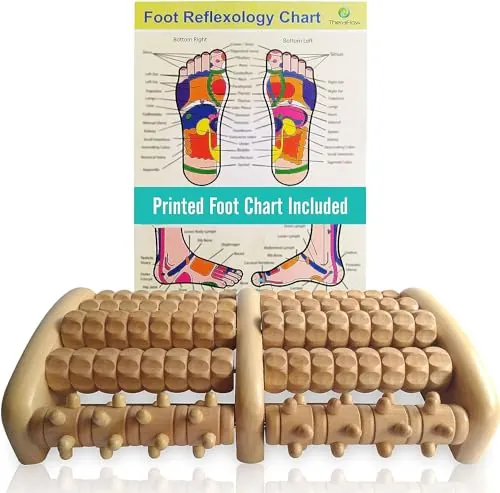
TheraFlow Wooden Foot Massager for Neuropathy, Heel Pain and Targeted Plantar Fasciitis Relief
- Manual roller design gives you full control over pressure and speed.
Comparison
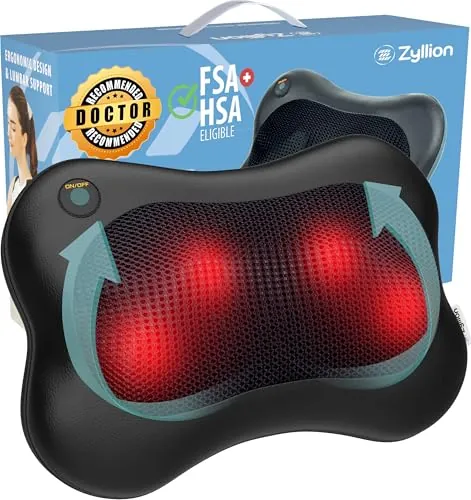
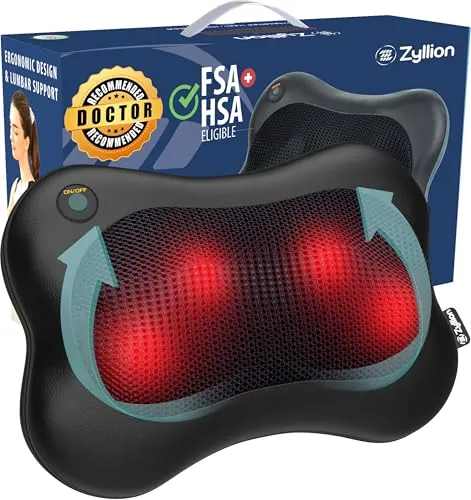
TheraFlow is a manual wooden foot roller focused on plantar fasciitis, heel pain, and everyday foot soreness, while Zyllion is a corded electric shiatsu pillow designed for neck and back relief with heat. If your main goal is under-desk, quiet foot relief with minimal fuss, TheraFlow is the simpler fit. If you want multi-area deep kneading and heat for back/neck tension, Zyllion is the more feature-rich option.
#1 Overall Winner
Contender
Choose TheraFlow if you want a quiet, manual foot roller for plantar fasciitis and daily foot soreness, especially for under-desk use and low maintenance. Choose Zyllion ZMA-13 if you need electric shiatsu kneading for neck/back tension and you’ll use features like heat, chair straps, or the included car adapter—while accepting the cord and more mixed durability feedback.
Overall winner
Depends on your needs
| Feature | TheraFlow Wooden Foot Massager for Neuropathy, Heel Pain and Targeted Plantar Fasciitis Relief | Zyllion Shiatsu Back and Neck Massager with Heat (ZMA-13) | Winner |
|---|---|---|---|
| Type | Manual wooden foot roller | Corded electric shiatsu massage pillow | Depends |
| Primary target areas | Feet (soles/heels) | Neck, shoulders, back; also legs/feet | Zyllion Shiatsu Back and Neck Massager with Heat (ZMA-13) |
| Heat function | No heat mentioned | Heat mode included | Zyllion Shiatsu Back and Neck Massager with Heat (ZMA-13) |
| Pressure control | User-controlled by body weight/speed | Kneading intensity depends on positioning/pressure against pillow | Depends |
| Cordless use | Yes (manual) | No (plug-in required) | TheraFlow Wooden Foot Massager for Neuropathy, Heel Pain and Targeted Plantar Fasciitis Relief |
| Under-desk suitability | Designed for floor/under-desk use; non-slip base | Possible, but needs an outlet and positioning | TheraFlow Wooden Foot Massager for Neuropathy, Heel Pain and Targeted Plantar Fasciitis Relief |
| Travel / car use | Portable, but no car-specific accessories | Car adapter included | Zyllion Shiatsu Back and Neck Massager with Heat (ZMA-13) |
| Ease of setup | Place on floor and roll feet | Plug in, position, optionally strap to chair | TheraFlow Wooden Foot Massager for Neuropathy, Heel Pain and Targeted Plantar Fasciitis Relief |
| Noise | Very quiet (manual) | Described as quiet, but motorized | TheraFlow Wooden Foot Massager for Neuropathy, Heel Pain and Targeted Plantar Fasciitis Relief |
| Maintenance | Low; no electronics or covers mentioned | Cover wear mentioned by buyers; more components (adapters/strap) | TheraFlow Wooden Foot Massager for Neuropathy, Heel Pain and Targeted Plantar Fasciitis Relief |
| Reliability signals from feedback | Consistently positive durability/build comments | Mixed durability reports, including early breakage for some | TheraFlow Wooden Foot Massager for Neuropathy, Heel Pain and Targeted Plantar Fasciitis Relief |
| Safety features | Non-slip base mentioned | Auto shutoff and overheat protection stated | Zyllion Shiatsu Back and Neck Massager with Heat (ZMA-13) |
| Value proposition | Lower price; targeted foot relief | Higher price; more features and broader use | Depends |
| Customer feedback volume | 6,911 reviews; high average rating | 50,991 reviews; high average rating | Zyllion Shiatsu Back and Neck Massager with Heat (ZMA-13) |
For quick, frequent sessions at home, TheraFlow works well as a “leave it out and use it” tool—especially near a desk, sofa, or TV area—because it’s quiet and doesn’t need power. Zyllion fits better into scheduled relaxation sessions where you can plug in and position the pillow against a chair, sofa, or bed. If your household has multiple people with different sore spots (neck/back/legs), Zyllion’s versatility can be more practical, while TheraFlow is the simpler shared option for foot relief.
Both products are comfort-focused, but they deliver it differently. TheraFlow is best for foot comfort and decompression after standing, walking, or workouts, with the advantage that you can control intensity moment by moment. Zyllion is geared toward muscle recovery in the neck/back/shoulders with a kneading motion and optional heat, which many buyers find relaxing before bed or after work. If you’re sensitive to firm pressure, both can feel intense, but Zyllion’s nodes are specifically called out by some buyers as too hard.
TheraFlow’s performance is strongest when the goal is targeted foot relief. Reviews repeatedly describe meaningful improvements for plantar fasciitis and sore heels, and the manual design lets you work specific spots by shifting pressure and rolling speed. Zyllion performs well for deep muscle kneading on the back and neck, with many buyers comparing the sensation to a strong hands-on massage. However, performance can vary if you find the nodes too firm or if you struggle to position it comfortably, and heavy use may be limited by heat-related pauses reported in some feedback.
TheraFlow’s manual design generally supports better reliability expectations: there’s no motor, heat element, or electronics to fail, and buyer feedback trends strongly positive about sturdiness. Zyllion has many satisfied long-term owners, but reliability is more variable because it relies on moving parts and a heat function. Reviews include reports of breaking within a short time for some users and recurring mention of cover wear. If you want a low-risk tool you can use daily with minimal failure points, TheraFlow is typically the safer choice.
TheraFlow is a manual device, so key safety concerns are practical: use controlled pressure to avoid making soreness worse, and keep it on a stable surface. The non-slip strips help reduce unwanted movement while rolling. Zyllion adds electrical and heat considerations, but it also includes safety features such as auto shutoff and overheat protection. Some buyer feedback mentions overheating pauses in heat mode under repeated cycles, so it’s worth following timed sessions and allowing rest periods as needed. Neither product is water resistant, so avoid using them in wet areas.
Comfort depends heavily on pressure tolerance. TheraFlow can feel soothing or intense depending on how much weight you put into it, and multiple buyers appreciate that control—though some note it can hurt at first or be tricky with certain foot shapes. Zyllion’s kneading plus heat can feel very relaxing for back and neck tension, but a few buyers report the nodes feeling too hard and causing more pain. If you want the most controllable comfort, TheraFlow’s manual approach is easier to dial in.
TheraFlow is easy to start using: place it on the floor and roll your feet, with or without socks, adjusting pressure as needed. It also works well as an under-desk option because it stays put and doesn’t require any setup. Zyllion’s controls are described as simple, but ease of use depends more on positioning and access to power. The straps help for chair use, yet you still need to manage the cord and find a comfortable angle for the body area you’re treating.
TheraFlow’s design is purpose-built for feet: a stable base and a roller layout that allows one or both feet to glide across the nubs. Its main design drawback is that fit can be user-dependent, with at least one buyer wishing it were wider. Zyllion’s pillow form factor is designed to contour to multiple body areas and can be secured to a chair headrest with straps. The trade-off is that it’s bulkier than a foot roller and placement can take trial and error for smaller areas like the neck or for foot use.
Neither product has “capacity” in the way a tank or bin would, but fit and coverage still matter. TheraFlow’s usable area is limited to the roller width, and some buyers mention that width can be a comfort constraint depending on body size and foot positioning. Zyllion covers a wider set of use cases by design—neck, back, legs, and feet—though effective coverage depends on how well you can brace the pillow against your body or a chair.
TheraFlow takes up little floor space and can live under a desk as a footrest-style tool when not actively massaging. Zyllion is still compact for an electric massager, but its pillow shape is bulkier to store in a drawer and you may need nearby outlet access during use. For small flats, home offices, or minimalist setups, TheraFlow is easier to keep within reach without creating cord clutter.
TheraFlow is generally the quieter choice because it doesn’t have a motor—noise is limited to the rollers contacting your feet, which many users find unobtrusive. Zyllion is described as quiet, but it is still a motorized kneading device, so it’s more likely to be noticeable in a shared room or during calls. If you need near-silent use at a desk, TheraFlow is the safer pick.
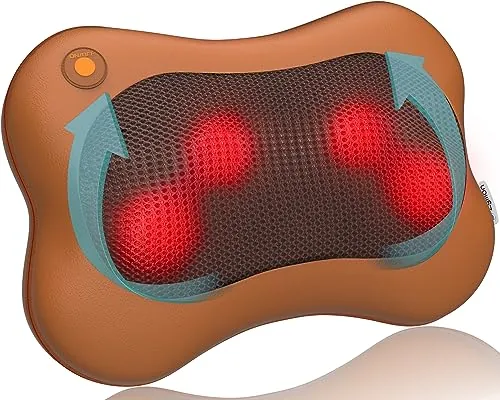
TheraFlow’s wooden construction and non-slip base are frequently praised in buyer feedback, and the product’s simplicity leaves fewer components that can wear out. Zyllion feels more like a small appliance: it has a motor, rotating nodes, and a fabric/mesh cover. Reviews suggest it can hold up well for years for some owners, but others report durability problems and cover wear, which is a common stress point on kneading pillow massagers due to repeated friction.
TheraFlow’s wood build and simple construction are good signs for durability, and customers frequently describe it as well made. Zyllion’s durability feedback is mixed: some users report it lasting for years, while others mention early breakage and wear on the cover/mesh from ongoing friction. If you expect heavy daily use, TheraFlow is more likely to hold up without needing parts, while Zyllion’s longevity may depend on usage intensity and how the cover and connectors hold up over time.
TheraFlow is low maintenance: it doesn’t require charging, replacement parts, or firmware updates, and basic wipe-down care is typically enough. Zyllion comes with accessories (sleeve/cover and adapters) and may require more attention over time due to cover wear mentioned in reviews. It also has more “care points” typical of small electric devices—keeping cords, connectors, and the outer cover in good condition—especially if you frequently move it between rooms or use it in the car.
TheraFlow is easy to move around the home because it’s compact and cordless; it works anywhere you have floor space. Zyllion is also portable in the sense that it can travel (car adapter included), but it’s heavier and always needs a power source. If you mainly want to shift between desk, sofa, and bedside without thinking about cords, TheraFlow is simpler. If you want a travel-friendly electric massager, Zyllion is better equipped.
Zyllion is the more feature-heavy product: it adds electric kneading, a heat mode, timed auto shutoff, overheat protection, and accessories including chair straps and a car adapter. TheraFlow keeps features simple but practical for feet—multiple rows of rollers/nubs, a non-slip base, and a reflexology chart with instructions. If you want minimal “extras” and fewer things to manage, TheraFlow is straightforward. If you want heat and a more automated massage motion, Zyllion offers more built-in functionality.
TheraFlow is efficient in day-to-day use because it’s manual: there’s no power draw, no charging, and you can do short sessions any time without setup. Zyllion trades that simplicity for convenience of motorized kneading and heat, but it requires mains power (or the car adapter) and can be less “grab and go.” If you want frequent micro-sessions throughout the day, TheraFlow fits naturally; if you prefer a more hands-off massage motion for set sessions, Zyllion can feel more efficient for the time you spend.
TheraFlow offers strong value if your priority is foot relief: it’s affordable, quiet, and has no ongoing power requirements, and customer feedback frequently highlights it as a cost-effective plantar fasciitis tool. Zyllion costs more, but it bundles electric kneading, heat, chair straps, and a car adapter, plus a clearly stated warranty structure with an extension via registration. If you’ll use it across multiple body areas, Zyllion’s higher price can make sense; if you mainly need feet-only relief, TheraFlow is usually the more economical fit.
TheraFlow’s trust signals in the provided data come mainly from consistent customer satisfaction around build quality and effectiveness. Zyllion strengthens trust with explicit warranty terms and multiple reviews describing responsive customer service (including replacement parts such as covers). However, mixed durability feedback also matters for trust in long-term ownership. If warranty clarity and documented support interactions matter most, Zyllion has more direct evidence; if you prefer a simpler product with fewer failure points, TheraFlow inspires confidence through simplicity.
Both products have strong average ratings, but the sentiment differs by use case. TheraFlow reviews frequently mention plantar fasciitis relief, post-work comfort, and that it’s easy to use with controllable intensity; a small number of users note fit/width concerns or sensitivity to pressure. Zyllion has an extremely large review base with many owners praising deep kneading and heat for back pain, but it also attracts more split feedback around durability (breakage and cover wear) and comfort for people who find the nodes too firm. Overall, both are well liked, with fewer “deal-breaker” complaints around TheraFlow.
Zyllion provides clearly stated warranty coverage (with an extension available via registration) and reviews describe responsive support, including replacement covers. For TheraFlow, warranty details are not provided in the supplied data, so it’s harder to compare support policies directly. If warranty length and documented replacement support are priorities, Zyllion has more transparent information.
TheraFlow is the better overall pick for many shoppers because it delivers targeted foot relief with minimal hassle: it’s manual, quiet, easy to use under a desk, and buyer feedback strongly supports its effectiveness and sturdy build. Its main limitation is that it only addresses the feet, and comfort can be somewhat dependent on foot shape and pressure tolerance.
Zyllion ZMA-13 is the better choice if your priority is deep kneading for the neck and back, especially if you want heat and like the idea of using it on a chair or in the car. Its biggest drawbacks are being corded and having more mixed durability feedback, including reports of cover wear and occasional early failures. Neither is universally “better”—the right choice depends on where you hurt most.
Overall winner
Depends on your needs
It depends on where you need relief. TheraFlow is purpose-built for foot and heel discomfort with a manual roller you control, and buyers frequently mention plantar fasciitis relief. Zyllion is a more versatile electric option aimed at neck, shoulders, and back, with heat and straps for chair use, but it’s corded and durability feedback is more mixed.
TheraFlow is the more targeted pick for plantar fasciitis because it’s designed specifically as a foot roller with multiple rows of nubs and is commonly used under a desk or on the floor. Zyllion can be used on feet as well, but its main design is a shiatsu pillow for the back and neck, so foot use may take more positioning effort.
Zyllion is the clearer choice for back and neck pain. It’s designed as an electric kneading pillow massager with optional heat, and it can be strapped to a chair or used in a car with the included adapter. TheraFlow is a feet-only wooden roller, so it won’t meaningfully address neck or back muscle tension.
TheraFlow is very straightforward for daily use: place it on the floor and roll your feet, with no power cord, no settings, and minimal setup. Zyllion is also simple to operate, but you’ll need to plug it in, position it correctly for the target area, and manage the cord—especially if you switch between chair, sofa, or car use.
TheraFlow is typically the quieter option because it’s fully manual—any sound is mainly from contact between your feet and the wooden rollers. Zyllion is described as quiet, but it still uses a motorized kneading mechanism, so some operational noise is expected compared with a purely manual foot roller.
Both can be moved around the home, but in different ways. TheraFlow is lighter and doesn’t require power, making it easy to shift between rooms or keep under a desk. Zyllion is portable for travel thanks to its compact pillow shape and included car adapter, but you’ll still need access to power because it’s not cordless.
TheraFlow is low maintenance because it has no electronics or removable parts mentioned—basic wipe-down care is typically all that’s involved. Zyllion may require more upkeep over time because buyer feedback mentions cover/mesh wear from friction, and heavy use can put more stress on the outer materials.
The biggest differences are power, target areas, and features. TheraFlow is a manual, feet-only wooden roller that focuses on controllable pressure for soles and heels. Zyllion is a corded electric shiatsu pillow intended for neck/back relief, adding features like heat, auto shutoff, auto-rotation, chair straps, and a car adapter.
TheraFlow tends to be the better value if your main need is foot relief, because it’s simple, quiet, and requires no power or accessories. Zyllion costs more but offers a broader feature set (electric kneading, heat, straps, car adapter) and a stated longer warranty, so it can make more sense if you need multi-area relief.
Check our rankings and expert guides to find the best home lifestyle products for your goals.