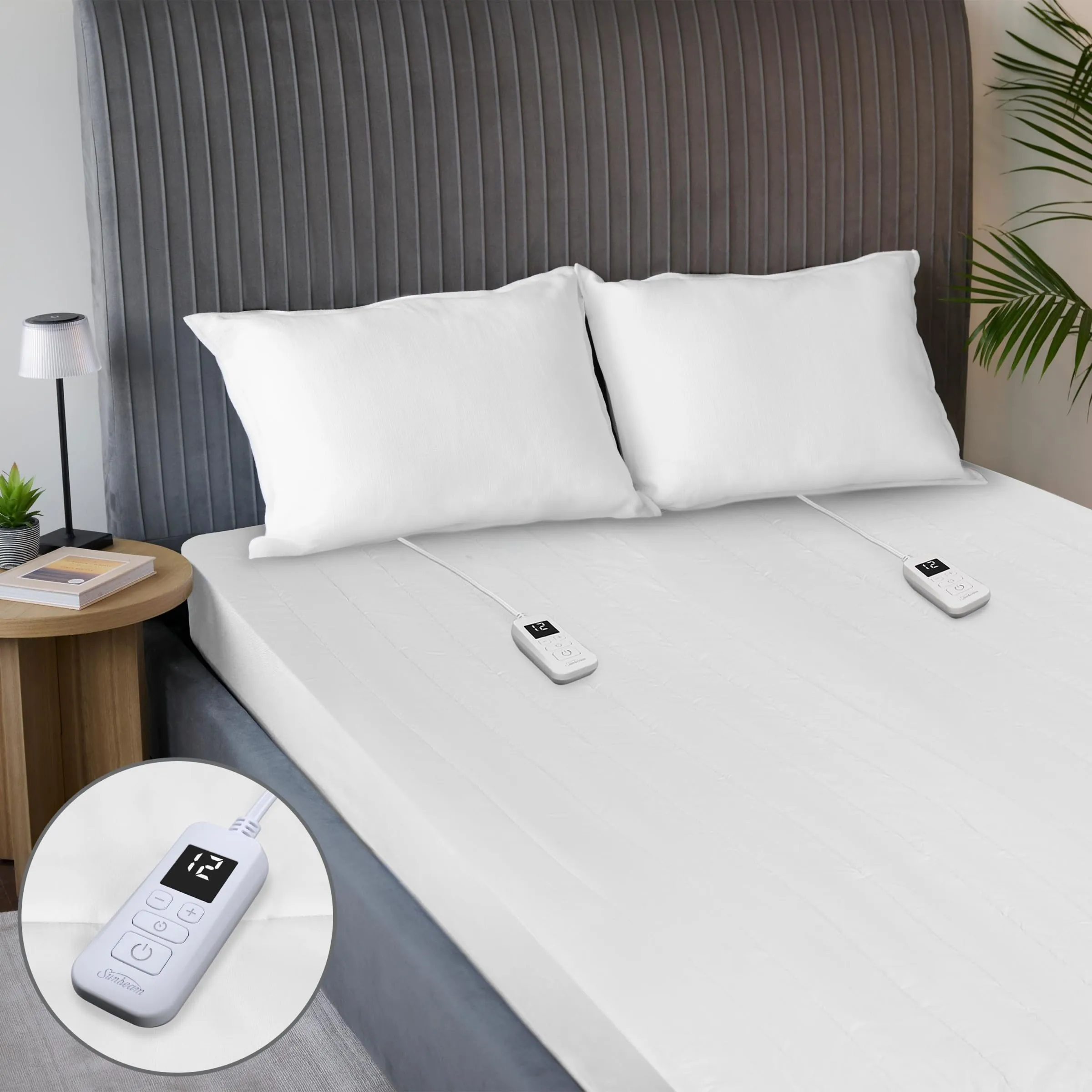
#1 Overall Winner
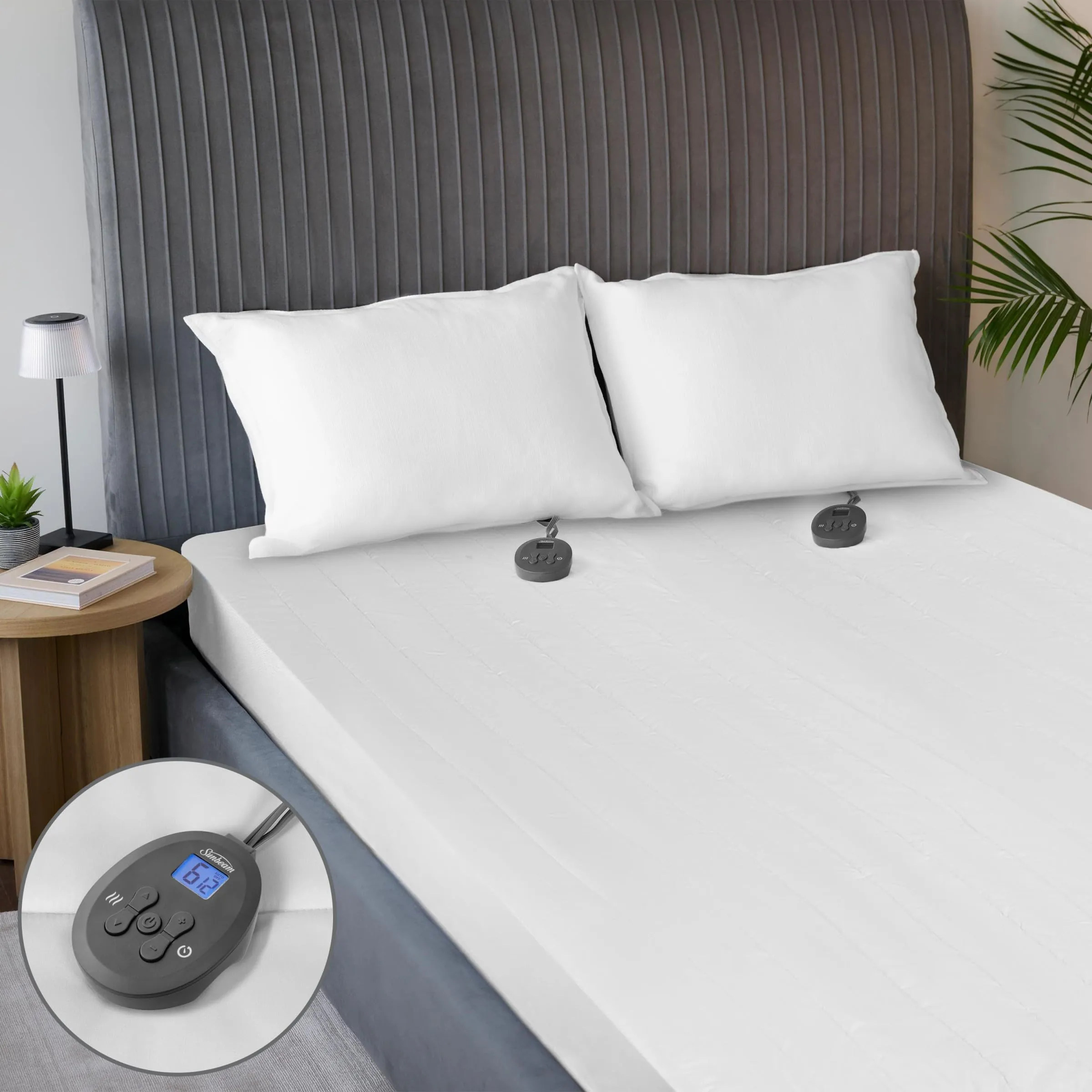
Sunbeam Electric Restful Quilted Heated Mattress Pad (Queen, 12 Heat Settings, 12-Hour Auto Shut-Off)
- Designed for all-night bed warming with a quilted mattress-pad format
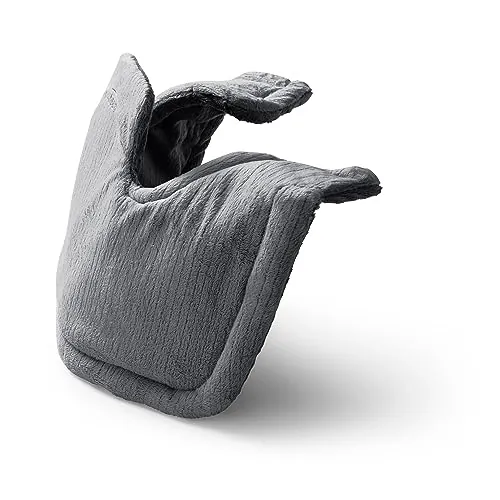
Comparison
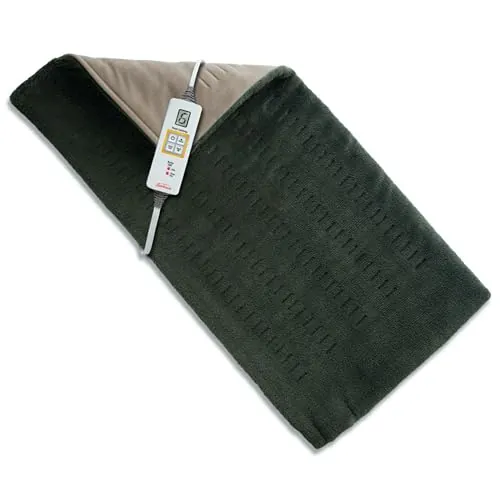
The Sunbeam Restful Quilted Heated Mattress Pad is built to warm a Queen bed for sleep, while the Sunbeam Renue neck and shoulder heat wrap targets upper-body tension with a wearable design. The mattress pad offers more heat settings and a longer shut-off window for overnight comfort. The wrap adds hands-free fit features and a moist-heat option, but reviews are more mixed on comfort and heat intensity for some users.
#1 Overall Winner
Contender
Choose the Sunbeam heated mattress pad if you want consistent, adjustable bed warmth for sleeping and prefer a set-it-and-sleep timer. Choose the Sunbeam neck-and-shoulder wrap if you want hands-free, targeted heat while sitting or recovering, and you like the idea of a moist-heat option. If you’re sensitive to pressure or structure, pay close attention to wrap comfort feedback.
Overall winner
Depends on your needs
| Feature | Sunbeam Electric Restful Quilted Heated Mattress Pad (Queen, 12 Heat Settings, 12-Hour Auto Shut-Off) | Sunbeam Renue Heating Pad Wrap for Neck & Shoulders (22 x 14, 4 Heat Settings, 2-Hour Auto Shut-Off, Moist Heat Option) | Winner |
|---|---|---|---|
| Primary purpose | Whole-bed warmth for sleeping | Targeted neck/shoulder heat therapy | Depends |
| Heat settings | 12 settings | 4 settings | Sunbeam Electric Restful Quilted Heated Mattress Pad (Queen, 12 Heat Settings, 12-Hour Auto Shut-Off) |
| Auto shut-off | Up to 12 hours (selectable) | 2 hours | Depends |
| Fit/securement | Deep-pocket skirt fits up to 18-inch mattresses | Weighted edges + magnetic closure | Depends |
| Washability | Machine washable; dryer-safe (controller detachable) | Machine washable; dryer-safe (controller detachable) | Tie |
| Moist heat option | Not listed | Yes (spray fabric with water) | Sunbeam Renue Heating Pad Wrap for Neck & Shoulders (22 x 14, 4 Heat Settings, 2-Hour Auto Shut-Off, Moist Heat Option) |
| Cord length | Not specified | 9-foot cord | Sunbeam Renue Heating Pad Wrap for Neck & Shoulders (22 x 14, 4 Heat Settings, 2-Hour Auto Shut-Off, Moist Heat Option) |
| Noise | Silent operation | Silent operation | Tie |
| Comfort focus | Quilted, plush bed feel; all-night warmth | Micromink wrap; weighted feel on shoulders | Depends |
| Reliability (buyer feedback) | Mostly positive with some reports of one-side issues | Mostly positive with some reports of units stopping working | Tie |
| Space efficiency | Lives on the bed; minimal added clutter | Stores in a drawer; can be used anywhere with an outlet | Depends |
| Best typical use time | Overnight sleep comfort | Short sessions for tension relief | Depends |
For everyday home use, these products fit different routines. The heated mattress pad becomes part of your sleep setup—turn it on before bed, climb into warm sheets, and let the auto shut-off handle the rest. The neck-and-shoulder wrap is more of a “grab and use” item for the sofa, desk, or bedside when you want localized heat without warming the whole bed.
Both products improve cold-weather comfort, but in different ways. The mattress pad affects how the entire bed feels, which can be a big deal for people who struggle to fall asleep in chilly sheets. The neck-and-shoulder wrap is better for comfort during the day or evening when you want soothing warmth across tense areas, and the weighted design can help it stay in contact while you move lightly around the house.
In terms of delivering their intended heat, the mattress pad generally performs well for warming the sleep surface, with many buyers praising preheating and all-night coziness. However, feedback includes some cases of uneven heating or one side not working, so performance can vary by unit and setup. The neck-and-shoulder wrap is widely reported to help with tension and soreness, but heat output is more divisive—some users find it very warm even on low, while others say it doesn’t get hot enough or doesn’t heat evenly to the edges.
Reliability is a consideration for both. With the heated mattress pad, aggregated feedback includes reports that it sometimes only works on one side or has inconsistent heating, even though many users report strong performance across winters. With the neck-and-shoulder wrap, customers also report occasional units that stop working, and there are mixed experiences with heat consistency. If reliability is critical, buy from a retailer with an easy return window and test thoroughly early on (all settings, full coverage area, and shut-off behavior).
As “climate comfort” products, the mattress pad offers broader coverage and more heat steps for fine-tuning how warm the bed feels in colder months. The wrap offers localized warmth and can be used without changing the bedroom environment, which is useful if only one person wants heat. Both include auto shut-off, but the mattress pad’s longer window aligns better with overnight climate comfort, while the wrap’s shorter shut-off aligns better with controlled heat sessions.
Both products include auto shut-off, which reduces the chance of accidentally leaving heat on for too long. The mattress pad adds built-in overheat protection and is designed for extended overnight use, but you should still follow instructions carefully and stop using it if heating becomes inconsistent. The neck-and-shoulder wrap is intended for shorter sessions and includes a 2-hour shut-off; some reviews mention worries about heating pads generally, so it’s sensible to avoid using either product with damaged cords or while the device is bunched or tightly folded.
The mattress pad tends to score higher for overall comfort because it improves the whole sleep surface and many buyers describe getting into bed as noticeably cozier. A small subset of users mention feeling wires or dealing with a connector location, which can reduce comfort if you’re sensitive. The neck-and-shoulder wrap comfort is more polarizing: some love the soft Micromink feel and the weighted “hug” sensation, while others find it too heavy or too structured to relax in for long periods.
Both are straightforward with wired controllers and no app setup. The mattress pad takes a bit more initial effort because you need to fit it onto the mattress and route cords in a way that won’t bother you at night. The neck-and-shoulder wrap is quicker to start using—put it on, connect it, and select a heat level—though comfort depends on how you feel about the structure and weight while seated.
The mattress pad design is practical for bedrooms: a fitted, deep-pocket skirt for thicker mattresses and a controller with a dimming display for nighttime. The wrap’s design is more “wearable,” using a contoured shape, weighted edges, and a magnetic front closure to keep it positioned on the shoulders. If you dislike dealing with a connector on the bed or are sensitive to wire feel, that may affect how you view the mattress pad’s design; if you dislike rigidity or weight on your shoulders, that may affect how you view the wrap.
The heated mattress pad is sized for a Queen bed (80 x 60 inches) and is designed to fit mattresses up to 18 inches deep, which is the meaningful “capacity” metric for coverage and fit. The neck-and-shoulder wrap provides a 22 x 14-inch coverage area focused on the upper back/neck zone. For full-body sleep warmth, the mattress pad covers far more area; for targeted therapy, the wrap’s smaller footprint is more appropriate.
The mattress pad is very space-efficient in a bedroom because it replaces (or sits under) regular bedding layers without taking extra floor or storage space. The neck-and-shoulder wrap doesn’t take much storage room and can live in a drawer, but it does add an extra item to keep track of and plug in. For very small bedrooms, the mattress pad keeps things tidy; for multi-room use in a small flat, the wrap may feel more flexible.
Both are effectively silent in operation since they provide electric heat without fans or compressors. That makes either option suitable for bedrooms, reading, or desk use without adding background noise.
The heated mattress pad requires basic “installation” on the bed: fitting the skirt around the mattress (up to 18-inch depth) and positioning the connector/controller cords so they don’t get in the way. The neck-and-shoulder wrap requires no assembly beyond plugging in and wearing it correctly; the main setup decision is where you’ll sit so the cord reaches comfortably.
Buyer feedback suggests both are generally well made, with positive mentions of soft materials and solid construction. The mattress pad’s quilted polyester top and fitted skirt are praised for staying in place, though complaints about one side not working point to potential quality variability in heating zones. The wrap is often described as plush and durable-feeling, but some reviews mention units failing and some dislike the more structured feel, which can influence perceived build comfort.
Long-term durability appears mixed but generally positive in individual reviews for both products, with some users reporting years of use. At the same time, each product has recurring complaints that suggest unit-to-unit variability—heating zones and wiring performance for the mattress pad, and potential failures or uneven heating for the wrap. Proper care matters: avoid stressing cords/connectors, follow washing instructions, and store without tight folds that could strain internal wiring.
Maintenance is similar: disconnect the controller and machine wash as needed. The mattress pad may be slightly more work to launder simply due to its size and the effort of removing/refitting it on the mattress. The wrap is smaller and easier to wash and dry, but some users may still prefer spot-cleaning between washes. In both cases, cord care (no tight bends, no pinching under furniture) is a practical part of maintenance.
The neck-and-shoulder wrap is easier to move from room to room because it’s compact and designed for seated use. The mattress pad is technically removable, but it’s less convenient to transport because it’s fitted to the bed and larger to fold and store. If you want heat in multiple places (office chair, sofa, bedside), the wrap is the more portable option.
The heated mattress pad is more feature-rich for sleep customization: more heat levels, a controller with a dimming display, last-setting memory, and a long auto shut-off designed for overnight use, plus overheat protection. The neck-and-shoulder wrap focuses on therapy-friendly features: hands-free magnetic closure, lightly weighted edges, a moist-heat option, and a long cord. If you want maximum adjustability and bedtime convenience, the mattress pad leads; if you want wearable design touches, the wrap stands out.
Neither listing provides detailed energy consumption, so efficiency is mostly about practical use. The mattress pad can help some households avoid heating a whole room all night by warming the bed directly, and users mention using low settings after preheating. The neck-and-shoulder wrap is typically used in shorter sessions with a 2-hour shut-off, which can limit run time. Actual cost to run will still depend on your usage habits and selected heat level.
Value depends on what you’re trying to solve. The heated mattress pad delivers whole-bed comfort at a price that many reviewers describe as a strong alternative to pricier heated bedding, especially given the washability, deep-pocket fit, and broad heat range. The neck-and-shoulder wrap is similarly priced and can be worthwhile if you’ll use it frequently for targeted warmth, hands-free fit, and moist heat. If you only need occasional heat, the wrap may be enough; if you want daily winter comfort in bed, the mattress pad usually returns more “comfort per use.”
Both products are from Sunbeam, and reviews for each reference familiarity with the brand and past positive experiences. Brand trust is therefore similar here, with the practical differentiator being product type and unit-to-unit variability seen in buyer feedback. If brand support or warranty details are important to you, check the retailer listing carefully, since specific warranty terms are not provided in the data here.
Both products have high review counts and strong average ratings, indicating broad satisfaction overall. The heated mattress pad’s feedback strongly emphasizes cozy sleep warmth, fit, and convenience, with recurring negatives centered on occasional side failures and mixed heating consistency. The neck-and-shoulder wrap is widely praised for targeted relief and soft feel, but has more frequent mixed comments about whether it gets hot enough, whether it feels comfortable on the shoulders, and whether it holds up long term.
These Sunbeam products aren’t direct substitutes, but if you’re choosing one, the heated mattress pad is the stronger all-around comfort upgrade for most homes because it warms the entire bed, offers more heat settings, and earns very strong buyer satisfaction. Its main limitation is that some owners report inconsistent heating or one side failing, so early testing matters.
The neck-and-shoulder wrap is the better pick for targeted relief and hands-free use, with a convenient closure and a moist-heat option. Its main limitation is mixed comfort and heat feedback—some find it perfectly warm and soothing, while others find it uncomfortable, not hot enough, or less reliable. The right choice depends on whether you want sleep warmth or focused therapy.
Overall winner
Depends on your needs
They serve different jobs. The heated mattress pad is built for warming your bed for sleep, with many heat levels and a long auto shut-off option. The neck-and-shoulder wrap is meant for targeted heat therapy while resting or sitting, with a wearable design, a shorter auto shut-off, and an optional moist-heat approach.
The heated mattress pad is the better match for overnight warmth because it’s designed to heat the bed surface and has a long auto shut-off window. The neck-and-shoulder wrap is more of a session-based product with a shorter shut-off time and a shape intended for upper-body coverage rather than full-body sleep warmth.
The neck-and-shoulder wrap is generally easier to carry from room to room because it’s smaller and designed to be worn while seated. The heated mattress pad is portable in the sense that it can be removed, but it’s primarily a bed-based product that you’ll typically leave installed during colder months.
Yes. For the heated mattress pad, some buyers report strong, fast heating, while others mention inconsistent heating or one side not working. For the neck-and-shoulder wrap, feedback is also mixed: many find it warming and helpful, but some say it doesn’t get hot enough or heats unevenly.
Both are designed for straightforward maintenance: you disconnect the controller and then machine wash. The mattress pad may take more effort simply because it’s larger and fitted to a bed, while the neck-and-shoulder wrap is smaller and quicker to handle day to day.
The heated mattress pad is typically the more relevant option for couples because it’s meant for the bed and customer feedback highlights dual controls on some versions for separate sides. The neck-and-shoulder wrap is an individual, targeted product, so it’s better when only one person wants heat at a time.
It depends on your goal. If you want a warmer sleeping setup without heating the whole room, the mattress pad can be a space-efficient comfort upgrade for a bed. If you need a compact item for quick heat while studying or sitting, the neck-and-shoulder wrap is easier to store and use in different spots.
Yes. Some mattress-pad owners mention they can feel the internal wires, especially if they’re sensitive, while others say they don’t notice them. For the neck-and-shoulder wrap, comfort is mixed: some love the weighted, hug-like feel, while others find the structure too rigid or the weight too heavy.
Check our rankings and expert guides to find the best home lifestyle products for your goals.