
#1 Overall Winner
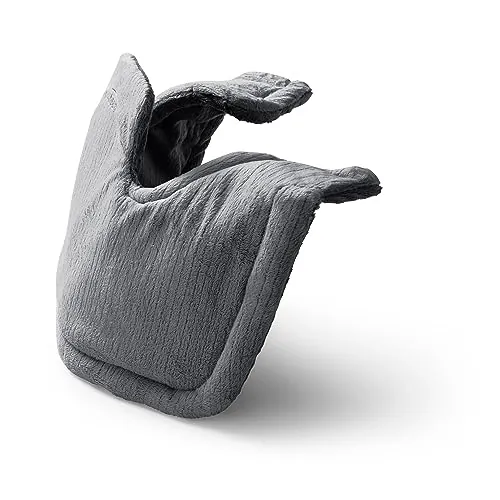
Sunbeam Heating Pad for Neck and Shoulder Pain Relief with Auto Shut Off and Moist Heating Option 22 x 14 Grey
- Wrap-style shape targets neck and shoulders and stays put with lightly weighted edges and a magnetic closure.
Comparison
The Sunbeam neck-and-shoulder heat wrap and the Sunbeam XL heating pad both provide at-home heat therapy with auto shutoff, washable fabric, and a moist-heat option. The biggest difference is fit and coverage: the wrap is shaped to stay on your shoulders hands-free, while the XL pad is better for larger areas like the lower back and legs. Buyer feedback for both is generally positive, with recurring notes about mixed heat intensity and occasional units stopping working.
#1 Overall Winner
Contender
Pick the Sunbeam neck-and-shoulder wrap if you want hands-free, targeted heat that stays put during seated use. Choose the Sunbeam XL heating pad if you want one pad to cover larger areas like the lower back and legs, prefer more heat levels, and value having a stated limited warranty. Heat output and long-term reliability are mixed for both, so buying with a solid return policy helps.
Overall winner
Depends on your needs
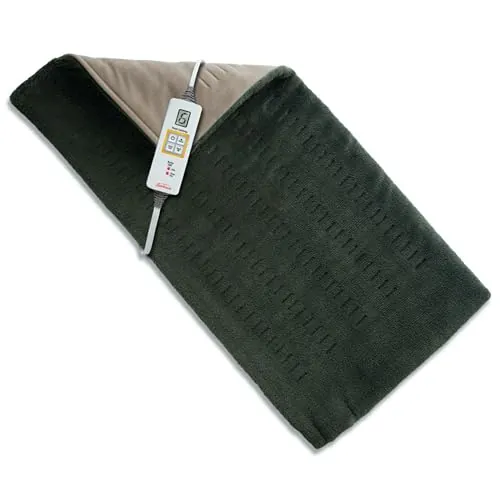
| Feature | Sunbeam Heating Pad for Neck and Shoulder Pain Relief with Auto Shut Off and Moist Heating Option 22 x 14 Grey | Sunbeam XL Heating Pad for Back Neck and Shoulder Pain Relief Auto Shut Off 6 Heat Settings Extra Large 12 x 24 Green Ideal for Muscle Aches and Arthritis Pain | Winner |
|---|---|---|---|
| Type / form factor | Neck & shoulder wrap (magnetic closure, weighted edges) | XL flat heating pad (drape/lay over areas) | Depends |
| Primary coverage | Targeted neck and shoulders (22 x 14) | Large areas like back/legs/abdomen (12 x 24) | Sunbeam XL Heating Pad for Back Neck and Shoulder Pain Relief Auto Shut Off 6 Heat Settings Extra Large 12 x 24 Green Ideal for Muscle Aches and Arthritis Pain |
| Heat settings | 4 settings | 6 settings | Sunbeam XL Heating Pad for Back Neck and Shoulder Pain Relief Auto Shut Off 6 Heat Settings Extra Large 12 x 24 Green Ideal for Muscle Aches and Arthritis Pain |
| Auto shutoff | 2-hour auto shutoff | Auto shutoff (select-hour options mentioned) | Depends |
| Moist heat option | Yes (spray fabric with water) | Yes (spray fabric with water) | Tie |
| Ease of staying in place | Magnetic closure + weighted edges for hands-free use | Typically draped/placed on area | Sunbeam Heating Pad for Neck and Shoulder Pain Relief with Auto Shut Off and Moist Heating Option 22 x 14 Grey |
| Controls visibility | Push-button controller with LED indicator lights | Digital LED controller | Tie |
| Cord length | 9-foot cord | 9-foot cord | Tie |
| Washability | Machine washable and dryer-safe (controller removed) | Machine washable (controller removed) | Tie |
| Comfort (buyer sentiment) | Soft Micromink; comfort feedback mixed for some | Microplush; frequently praised for softness | Sunbeam XL Heating Pad for Back Neck and Shoulder Pain Relief Auto Shut Off 6 Heat Settings Extra Large 12 x 24 Green Ideal for Muscle Aches and Arthritis Pain |
| Reliability (buyer sentiment) | Some reports of units stopping working | Mixed; some reports of stopping working or early failure | Depends |
| Warranty | Not stated in provided data | 5-year limited warranty (listed) | Sunbeam XL Heating Pad for Back Neck and Shoulder Pain Relief Auto Shut Off 6 Heat Settings Extra Large 12 x 24 Green Ideal for Muscle Aches and Arthritis Pain |
For everyday home use, these two pads fit different habits. The neck-and-shoulder wrap is easier to use while sitting upright because it’s meant to stay on your body without holding it in place—useful during desk breaks, reading, or watching TV. The XL pad is more of a general-purpose “drape and relax” option: it works well on the bed or sofa for larger areas, and it can also be used for warming feet. If you tend to move around while using heat, the wrap’s closure can be the more practical choice.
Both products are comfort-focused heating pads intended to provide soothing warmth, and both include automatic shutoff and multiple heat levels for adjusting your session. The XL pad is better suited to full-body comfort routines (like warming cold feet or covering the lower back), thanks to its larger footprint and extra heat settings. The neck-and-shoulder wrap focuses on targeted upper-body comfort and staying in place, which can feel more relaxing if you’re trying to release tension without constantly repositioning a flat pad.
In practice, both pads appear effective for home heat therapy, with many buyers describing meaningful relief for muscle tension and aches. The neck-and-shoulder wrap’s performance benefit comes from placement: it’s built to sit on the shoulders and warm the neck hands-free, which can improve consistency of contact during use. The XL pad’s performance advantage is coverage, making it easier to heat a broader area like the lower back, hips, or legs in one go. For both products, reviews repeatedly mention that heat strength can be hit-or-miss—some units warm quickly and feel very warm, while others are reported as not hot enough.
Reliability is the main shared caveat. Both products have many satisfied owners, but both also have repeated reports of units stopping working over time. Heat consistency is another theme: some buyers get quick, strong warmth, while others say the pad doesn’t get hot enough. The XL pad has especially mixed durability notes, including mentions of early breakage for some users, while other long-term reviewers report years of heavy use. If you’re a daily user, it’s sensible to test the full range of settings early and avoid practices that can stress internal wiring (like sharp folding or crushing the pad).
Both pads provide adjustable warmth rather than precise temperature control, and both are intended for comfort and therapeutic heat rather than room heating. The XL pad offers more heat steps, which can help you find a “just right” level for longer sessions or sensitive areas. The neck-and-shoulder wrap’s benefit is consistent placement and contact, which can make the heat feel more effective in the upper body even with fewer settings. For both models, heat strength is a repeated mixed point in reviews, so expectations should be realistic.
Both products include automatic shutoff features, which can reduce the chance of excessive heating during longer sessions. Buyers also mention auto shutoff as reassuring for everyday use. That said, reviews for both models include mentions of units stopping working, which is not automatically a safety problem but is a good reminder to inspect cords and the pad surface regularly and discontinue use if you notice fraying, exposed wiring, controller overheating, or unusual hot spots. If you plan to use a pad for extended periods, choosing appropriate timing settings and avoiding sharp folding or crushing can help reduce stress on internal components.
Comfort leans toward the XL pad based on consistent review praise for its very soft microplush feel and its ability to drape and mold over different areas. The neck-and-shoulder wrap is also often described as soft and comforting, and its hands-free fit can improve relaxation because you don’t have to keep adjusting it. However, comfort feedback is more mixed for the wrap, with some users describing it as uncomfortable or too structured/weighted. If shoulder pressure bothers you, the XL pad’s flatter drape may feel gentler.
Both are straightforward: plug in, choose a heat level, and let the pad do the work, with auto shutoff as a built-in safeguard. The neck-and-shoulder wrap can be easier for upright use because the closure helps it stay positioned without your hands. The XL pad is easy to drape over many areas and has a clear digital LED controller, but you may need to reposition it more often depending on how you sit or lie down. Both remove the controller for washing.
Design is the clearest separator. The neck-and-shoulder model is shaped to contour around the upper body, with weighted edges and a front magnetic closure so it can stay on while you move lightly or sit at a desk. The XL pad is a classic rectangle meant to cover bigger zones; it’s less fussy to place but not as wearable. For visibility, both controllers use LEDs, which helps confirm settings in darker rooms. If your main frustration is pads sliding off your shoulders, the wrap design is likely the better match.
Coverage is where the XL pad leads: its extra-large surface area is designed to span larger regions like the lower back and legs. The neck-and-shoulder wrap has a smaller footprint but is shaped for targeted placement and contact where many people carry tension. If you want “one pad for the whole household” and multiple body areas, the XL pad’s size is typically more flexible. If you mainly need upper-trap and neck coverage, the wrap’s shape can feel more efficient even though it’s smaller.
Space use depends on where you’ll store and use it. The neck-and-shoulder wrap generally takes up less drawer or basket space and is shaped for one main job, so it can be easier to keep near your usual seating spot. The XL pad’s larger footprint can take more storage space but may replace the need for multiple smaller pads because it covers more body area. For small flats or tight bedside storage, the wrap is usually easier to tuck away, while the XL pad is better if you want one multi-purpose pad despite the larger size.
Noise is not a meaningful factor for either product. These are electric heating pads with no fan or compressor, and buyer feedback does not highlight operating noise as an issue. That makes both suitable for quiet spaces like bedrooms and home offices where you want warmth without adding sound.
Buyer feedback suggests both feel well-made out of the box, with frequent praise for the softness of the materials. That said, long-term build quality is a recurring concern for both models: reviews include reports of units stopping working, and the XL pad specifically has mixed durability comments including some early failures. The neck-and-shoulder wrap also has mixed feedback on comfort and structure, which can affect how “sturdy” it feels in daily use. If you rely on a heating pad frequently, the XL pad’s stated limited warranty may be a practical differentiator.
Durability feedback is mixed for both. The neck-and-shoulder wrap has comments ranging from long-lasting use to occasional units failing, and some users dislike the structured feel, which may affect how carefully it’s handled. The XL pad also has a split pattern: some reviewers describe years of frequent use and repeated washing, while others report it breaking after a few months. The XL pad’s stated 5-year limited warranty may reduce the risk for buyers who want longer-term coverage, but real-world longevity can still vary by unit and usage habits.
Maintenance is similar: both pads are designed to be machine washable once the controller is disconnected, and both are simple to keep clean for regular use. The neck-and-shoulder wrap is described as fully machine washable and dryer-safe, which is convenient for frequent users. The XL pad is also machine washable, but because the cover is integrated, washing means laundering the whole pad rather than removing a separate sleeve—fine for many households, but it can be slower to dry and less convenient than a removable cover system. Both may benefit from gentle handling and careful storage to avoid stressing the heating element.
Both pads are easy to move around the house and share the benefit of a long cord, but they travel differently. The neck-and-shoulder wrap is purpose-built to “wear,” making it handy for moving from desk to sofa without holding a pad in place. The XL pad is still portable, but its larger rectangle can feel bulkier to fold and pack. If you want something that’s quick to throw on while seated, the wrap is typically more convenient; if you mainly use heat in bed, the XL pad is easy to reposition.
Both Sunbeam pads offer core features most people want: multiple heat levels, automatic shutoff, a long cord, a moist-heat option, and machine-washable fabric (controller removed). The key feature difference is control range and format. The XL pad adds more heat settings and uses a digital LED controller, while the neck-and-shoulder wrap uses a push-button controller with LED setting lights and adds a magnetic closure plus lightly weighted edges for hands-free wear. If you want a pad you can “wear,” the wrap is more specialized; if you want more adjustment and broader coverage, the XL pad is more versatile.
Neither listing provides detailed energy-use comparisons beyond basic electrical specs for the XL pad, so efficiency is best judged by practical use. Both have automatic shutoff options that can limit wasted runtime, and both use plug-in power with long cords. The XL pad is often described as warming quickly, which can reduce the time you spend waiting for comfort, but real-world running cost will still depend on heat setting and session length. If you routinely heat a large area, an XL pad may be more efficient than repositioning a smaller wrap repeatedly.
Value comes down to whether you want targeted convenience or broader versatility. The neck-and-shoulder wrap is less expensive and offers a specialized, hands-free fit that can be hard to replicate with a flat pad—useful if neck/shoulder tension is your primary issue. The XL pad costs more, but you get a larger heating surface, more heat settings, frequent praise for softness, and a clearly stated 5-year limited warranty. Since both have mixed reliability and “not hot enough” comments from some buyers, the most practical value tip is to buy from a seller with easy returns and test performance early.
Both products come from the same brand, and review excerpts include positive comments about prior Sunbeam pads lasting for years. At the same time, both listings show mixed reliability feedback, so brand trust here looks more like “generally well-known, but unit-to-unit experience can vary.” The XL pad stands out for providing a stated 5-year limited warranty in the product information, which can increase confidence for frequent users who want clearer coverage if something fails.
Customer satisfaction is strong for both based on high review volume and generally positive sentiment about pain relief and comfort. The neck-and-shoulder wrap is often praised for staying in place, soft fabric, and usefulness for upper-body tension, with recurring mixed notes on heat strength and some complaints about comfort or stiffness. The XL pad is widely appreciated for size, softness, and fast warm-up, but it also attracts repeated mixed comments about durability and occasional failures, plus some users who still want higher heat. Overall, both are well-liked, with the XL pad showing slightly more mixed longevity feedback.
Only the XL heating pad includes warranty information in the provided product data, stating a 5-year limited warranty. No warranty details are provided for the neck-and-shoulder wrap listing here. If warranty coverage matters for peace of mind—especially for frequent use—confirm the current terms and claim process at purchase time for the exact model number you’re buying.
Neither product is a universal winner because they’re designed for different jobs, and both show a similar trade-off: lots of satisfied buyers, but recurring mixed comments about heat intensity and occasional reliability issues. The Sunbeam neck-and-shoulder wrap is the better pick when fit matters most—its contoured shape, weighted edges, and magnetic closure are built to keep heat on the neck and shoulders without slipping, though some users find it stiff or not hot enough.
The Sunbeam XL heating pad is the more versatile choice for most households, with larger coverage, more heat settings, and strong comfort feedback on its microplush feel; the downside is mixed durability reports and a higher price. Pick based on where you need heat most and how you prefer to use it day to day.
Overall winner
Depends on your needs
If your main issue is neck-and-shoulder tension, the neck-and-shoulder wrap is usually the better fit because it’s shaped to stay in place with weighted edges and a front closure. If you want one pad to cover larger areas (like lower back, legs, or across the shoulders), the XL pad’s larger size and extra heat levels tend to be more versatile.
The neck-and-shoulder wrap is purpose-built for that area, with a contoured shape designed to sit on the shoulders and stay put hands-free. The XL pad can be folded or draped over the neck and shoulders, but it’s primarily a flat pad for broader coverage rather than a wearable wrap.
The XL 12 x 24 pad is designed to cover larger zones like the lower back and spine, and buyers frequently mention the size as a key benefit. The neck-and-shoulder wrap is smaller and shaped for targeted placement, so it can help with upper back/shoulder area, but it won’t cover as much surface area at once.
Yes. Both listings describe a moist-heat option where you spray the fabric with water to change the style of heat. If you use moist heat, it’s worth being careful about following the brand’s instructions, keeping the controller disconnected during washing, and making sure the pad is in good condition before use.
Both are machine washable once you disconnect the controller. The neck-and-shoulder wrap is described as fully machine washable and dryer-safe. The XL pad is also machine washable, but several reviewers note it has an integrated cover, meaning you wash the entire pad rather than removing a separate cover.
Comfort feedback is positive for both, but the XL pad is frequently praised for its soft microplush feel. The neck-and-shoulder wrap is also described as soft, though some buyers find the wrap’s structure or weight less comfortable. If you’re sensitive to pressure on the shoulders, the feel of the wrap can be a deciding factor.
Heat output is mixed for both products. Many buyers report quick warming and effective heat, but there are also repeated comments that some units don’t get hot enough. If you prefer very high heat, consider buying from a retailer with a straightforward return process and test the pad early within the return window.
Both have mixed reliability feedback, with reports of units that stop working. Some reviewers also report long life with frequent use, especially for the XL pad, while others mention failures after a few months. The XL pad listing includes a 5-year limited warranty, which may matter if you use a heating pad often.
Value depends on how you’ll use it. The neck-and-shoulder wrap costs less and is specialized for hands-free upper-body use. The XL pad costs more but offers a larger surface area, more heat settings, and an explicitly stated limited warranty. If you’ll use one pad across multiple body areas, the XL pad can justify the higher price.
Check our rankings and expert guides to find the best home lifestyle products for your goals.