#1 Overall Winner
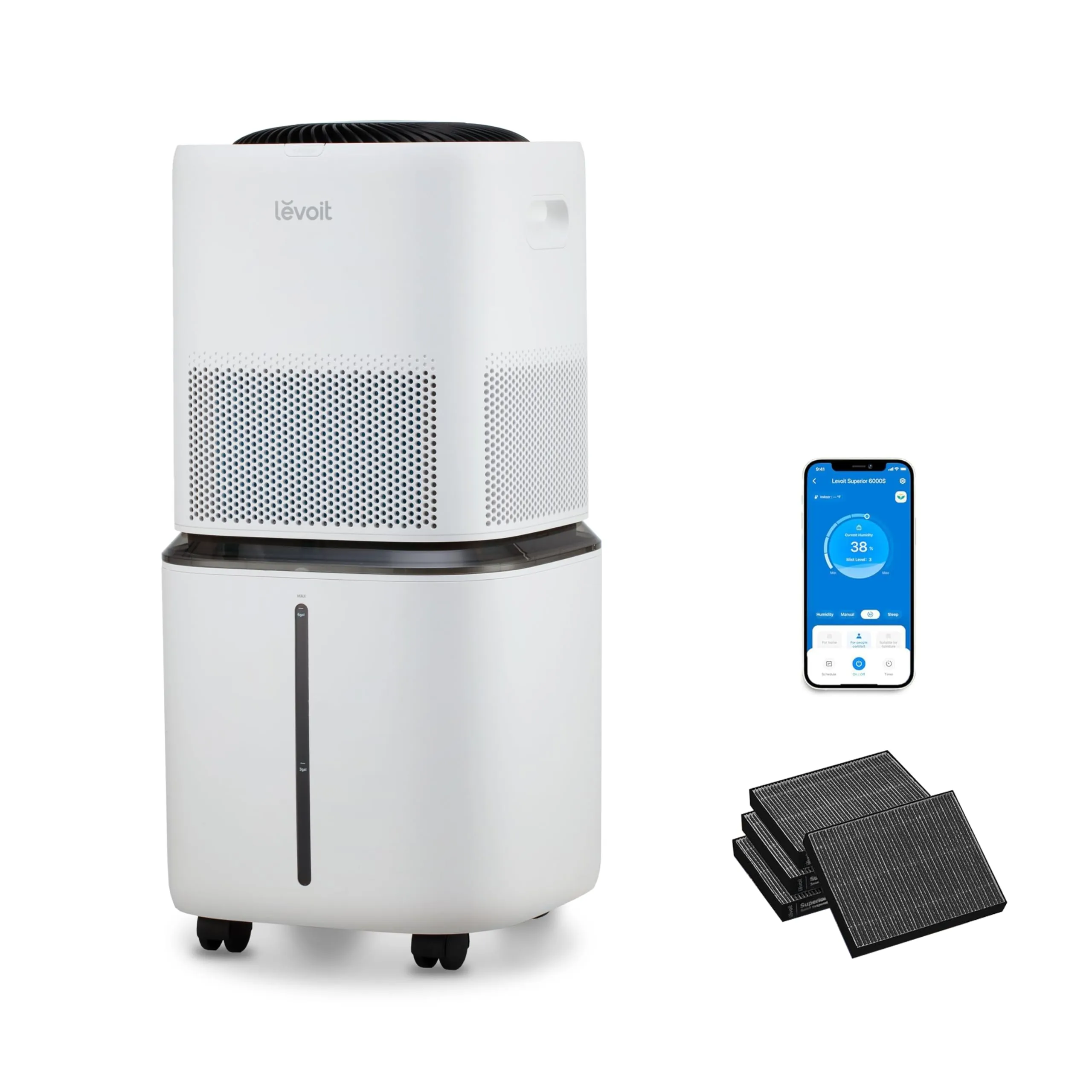
LEVOIT Superior 6000S Smart Evaporative Humidifier
- Very large 23L (6-gallon) tank supports long runtimes with fewer refills.
Comparison
The LEVOIT Superior 6000S and Schlage Encode are both smart-home products, but they target different needs: whole-home humidity comfort versus keyless front-door entry and remote access. LEVOIT focuses on large capacity, long runtime, and evaporative humidification, while Schlage focuses on app-controlled locking, access codes, and smart integrations. The better choice depends on whether you’re solving dry-air comfort problems or improving door security and access management.
#1 Overall Winner
Contender
Choose the LEVOIT Superior 6000S if you need a high-capacity humidifier aimed at large spaces and want app/voice control for humidity comfort. Choose the Schlage Encode if you want keyless entry, remote lock control, and access-code management for family or guests. Both get strong ratings, but both also have mixed reliability feedback—so buy with a good return window and plan for regular upkeep.
Overall winner
Depends on your needs
| Feature | LEVOIT Superior 6000S Smart Evaporative Humidifier | Schlage Encode Smart Wi-Fi Deadbolt (BE489WB CEN 622) | Winner |
|---|---|---|---|
| Product type | Evaporative humidifier | Wi‑Fi smart deadbolt lock | Depends |
| Primary use case | Whole-home humidity management | Keyless entry + remote lock control | Depends |
| Coverage / fit for large spaces | Designed for up to 3,000 ft² | Fits a door (no coverage concept) | LEVOIT Superior 6000S Smart Evaporative Humidifier |
| Capacity / consumables | 23L (6-gallon) tank + wick filter | 4x AA batteries | Depends |
| Smart control | VeSync app control | Schlage Home app control | Tie |
| Voice assistant support | Voice control via VeSync (assistant not specified) | Alexa + Google Home support | Schlage Encode Smart Wi-Fi Deadbolt (BE489WB CEN 622) |
| Automation / set-and-forget | Auto modes + sleep mode + scheduling | Auto-lock delays + notifications + code schedules | Tie |
| Ease of installation | Freestanding; setup involves filling and placement | Door installation with screwdriver; designed for quick install | Schlage Encode Smart Wi-Fi Deadbolt (BE489WB CEN 622) |
| Ongoing maintenance | Regular cleaning; filter replacement every few months | Battery changes; occasional connectivity troubleshooting | Depends |
| Noise impact | Continuous fan sound; often reported as quiet | Mostly silent except brief motor actuation | Schlage Encode Smart Wi-Fi Deadbolt (BE489WB CEN 622) |
| Reliability (buyer feedback trend) | Mixed; some reports of stopping after days | Mixed; some reports of failures and disconnects | Tie |
| Space efficiency | Floor-standing footprint | Replaces an existing deadbolt | Schlage Encode Smart Wi-Fi Deadbolt (BE489WB CEN 622) |
| Best household impact | Comfort: dryness, sleep, humidity balance | Security/convenience: entry control, access codes | Depends |
| Upfront price | $249.99 | $171.99 | Schlage Encode Smart Wi-Fi Deadbolt (BE489WB CEN 622) |
In everyday home use, these products improve different routines. The LEVOIT Superior 6000S changes how your home feels by keeping humidity more comfortable with fewer refills, which can matter in winter or in homes with drying heat. The Schlage Encode changes how your home works by reducing key handoffs, enabling remote checks, and simplifying guest access. If you’re choosing only one, prioritize the device that solves a daily pain point: comfort and sleep vs entry convenience and door control.
The LEVOIT Superior 6000S is the clear fit for climate and comfort because its entire purpose is humidity control, with large-capacity operation and smart modes aimed at maintaining a target humidity range. The Schlage Encode doesn’t affect climate comfort directly; its “comfort” benefit is more about convenience (no keys, quick locking) rather than changing the air in a room. If dry air is your problem, the humidifier is the relevant choice.
Performance is hard to compare directly because they have different jobs. For humidification, the LEVOIT Superior 6000S is built around high-output evaporative operation and a very large tank, and buyer feedback frequently highlights effective humidity improvement and quiet running. For door access, the Schlage Encode performs well when Wi‑Fi and door alignment are solid, with many owners describing responsive app control and easy code management. The biggest performance risks are reliability: LEVOIT has some reports of stopping unexpectedly, while Schlage has mixed reports on disconnects and inconsistent battery behavior.
Both products show mixed reliability patterns in buyer feedback. For the LEVOIT Superior 6000S, many owners report consistent humidifying and quiet operation, but there are also reports that some units stop working after a short time, and sensor accuracy can vary versus external hygrometers. For the Schlage Encode, many owners have stable day-to-day use, but repeated themes include occasional disconnections, inconsistent battery drain, and some reports of units breaking within months. If reliability is critical, prioritize strong retailer returns and keep firmware/app updates current.
Only the LEVOIT Superior 6000S applies to climate control. It’s built for humidistat-driven operation with auto modes and a large tank to maintain humidity in larger spaces, with guidance that placement and open layouts affect results. The Schlage Encode doesn’t control climate, but it does offer environment-adjacent reliability considerations (batteries, connectivity) that can affect daily convenience. For any humidity-focused home comfort goal, LEVOIT is the relevant product.
Only the Schlage Encode is a security device, adding keyless entry, app control, and a built-in alarm intended to alert to door movement or forced entry attempts. The LEVOIT Superior 6000S is not a security product and doesn’t offer monitoring or alerts focused on safety or intrusion. If your goal is front-door security and access tracking, Schlage is the relevant choice.
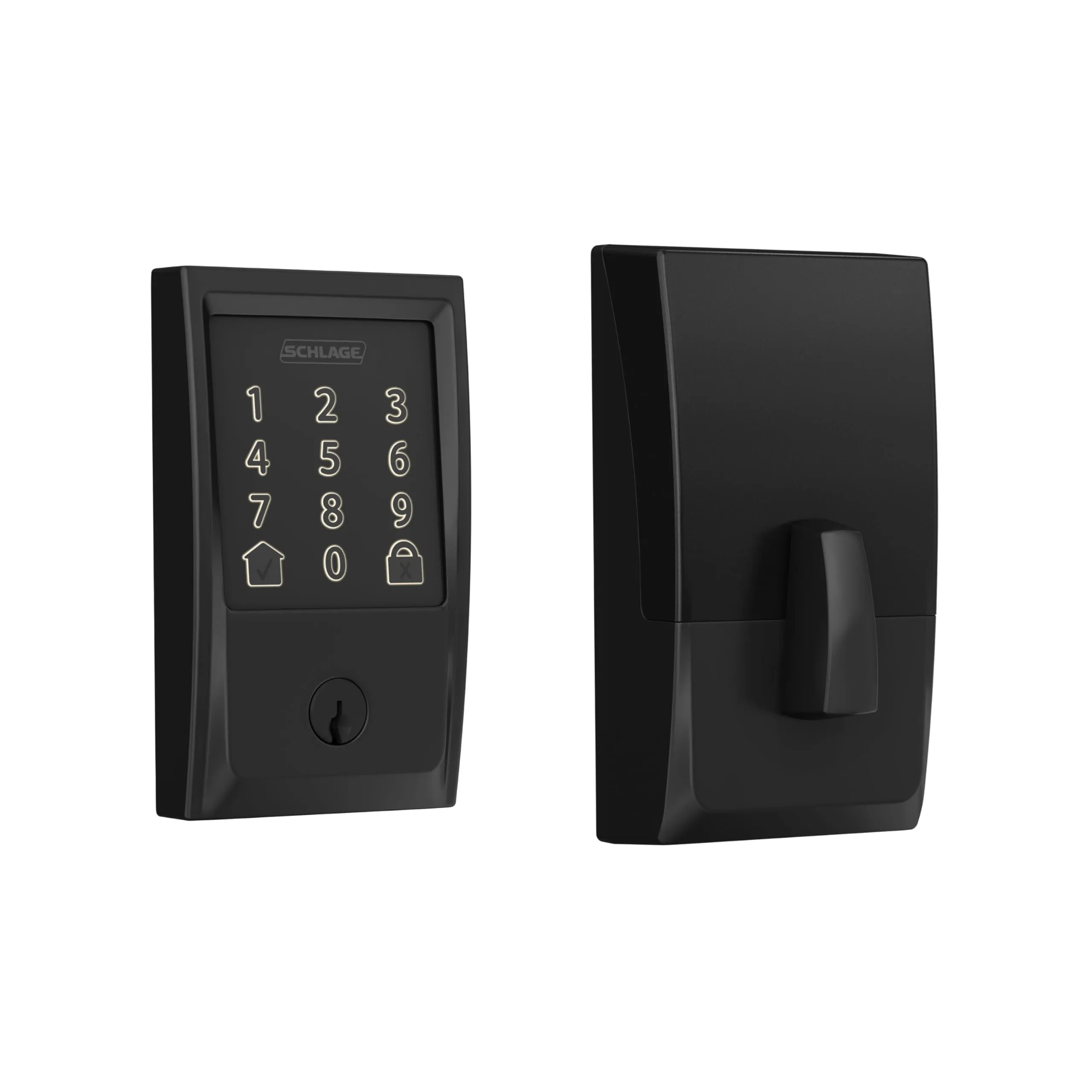
The Schlage Encode is the security-focused device here, offering remote lock/unlock, lock history, notifications, and a built-in alarm for door movement or forced entry attempts. Many users also like it for managing guest codes (including short-term rentals). The main caution is that security features are only as dependable as the lock’s connectivity and battery condition; reviews include reports of disconnections, fast battery drain, and some early failures. LEVOIT does not provide security monitoring features.
Safety considerations differ by category. For LEVOIT, safe use is mainly about water hygiene and proper maintenance: regular cleaning and correct filter installation can help reduce odors and buildup, and users should follow guidance to keep the pump protected and running smoothly. For Schlage, safety is about reliable entry and secure operation: ensure correct installation and door alignment so the bolt doesn’t bind, and stay ahead of low-battery alerts to avoid lockouts. Both involve electronics; follow manufacturer instructions for power/batteries and keep devices in good working order.
LEVOIT directly impacts comfort by reducing dry-air symptoms and keeping indoor humidity steadier, and reviews commonly mention better sleep and improved room feel. Schlage’s comfort benefit is indirect: it reduces key friction, supports auto-lock, and can provide reassurance when you want to check door status remotely. If “comfort” means physical comfort in the air, LEVOIT is the stronger choice; if “comfort” means convenience and peace of mind around entry, Schlage has the edge.
The Schlage Encode is often described as easy to install and straightforward to program once it’s on the door, especially for users replacing an existing deadbolt. The LEVOIT Superior 6000S is also generally easy to set up, but daily use includes refilling a large tank and periodic cleaning, which can feel more involved. Both benefit from app control, but ease-of-use for either can drop if you run into sensor accuracy (LEVOIT) or disconnection/battery issues (Schlage).
LEVOIT’s design priorities are practical placement and servicing: a tall, floor-standing unit with wheels and a water fill hose aimed at easier refills, plus a layout intended for cleaning access. Schlage’s design priorities are front-door usability: a touchscreen keypad, one-touch locking, and a clean deadbolt form factor in matte black. If you want minimal visual and spatial impact, Schlage blends into the door; if you need large humidifying capacity, LEVOIT’s bigger footprint is part of the deal.
Capacity is a key differentiator for the LEVOIT Superior 6000S: its 23L tank is built to reduce refill frequency and support longer continuous operation. The Schlage Encode doesn’t have a comparable “capacity” metric; instead, its practical limit is battery life and how many access codes you want to manage. If your decision is driven by “how often will I need to refill,” LEVOIT is the only relevant product in this pairing.
Schlage Encode is the more space-efficient option because it replaces a door deadbolt and doesn’t consume floor or countertop space. The LEVOIT Superior 6000S has a meaningful footprint and height, and it needs placement that supports airflow and effective humidity distribution, which can be challenging in tight rooms. For flats, small entryways, or minimal clutter goals, Schlage fits more naturally; for large open areas, LEVOIT’s size is tied to its large tank and coverage intent.
The Schlage Encode is typically quiet because it only makes sound briefly during locking and unlocking. The LEVOIT Superior 6000S runs a fan continuously when humidifying; many customers call it quiet, including for overnight use, but it can’t be as silent as a lock that’s idle most of the day. If you’re sensitive to background noise in bedrooms, LEVOIT’s sleep mode and placement will matter more than Schlage’s day-to-day sound.
Installation is strongly in Schlage Encode’s favor: it’s designed to fit standard doors and is commonly reported as quick to install with only a screwdriver, helped by features like a hands-free holding design during assembly. LEVOIT doesn’t require mounting, but setup includes positioning for airflow, filling a large tank, and learning basic cleaning routines. If you’re comfortable doing a deadbolt swap and your door is standard, Schlage is the more “installation dependent” but often faster one-time setup.
Schlage Encode uses a metal (zinc) body and is frequently described as solid, with a fingerprint-resistant touchscreen as part of the design. LEVOIT Superior 6000S is generally described as well made, with a detachable pump designed to make deep cleaning easier, but it also has more water-handling parts (tank, filter, pump) that can affect long-term consistency. For purely “hardware feel,” Schlage tends to come across as more robust; for functional build around water systems, LEVOIT’s complexity can be a trade-off.
Durability concerns exist for both, though in different forms. LEVOIT’s long-term durability depends on water-handling components (pump, seals, filter system) and keeping mineral buildup under control through cleaning and filter management. Schlage’s durability depends on the mechanical/electronic lock body and the touchscreen/keypad, and some buyers report failures within months even though many others have no issues. For either, proper setup (placement and cleaning for LEVOIT; door alignment for Schlage) can influence longevity.
The LEVOIT Superior 6000S requires routine cleaning and periodic wick-filter replacement (with lifespan varying by water quality and environment). It includes a cleaning brush and uses a detachable pump to make deeper cleaning more manageable, but it still involves more hands-on upkeep than most non-water devices. The Schlage Encode’s maintenance is simpler day to day—primarily changing AA batteries and ensuring the bolt doesn’t bind—though some users may need to troubleshoot Wi‑Fi pairing or disconnects. If you want the lowest-effort upkeep, Schlage is usually easier.
The LEVOIT Superior 6000S is portable around the home in the sense that it’s freestanding, includes wheels, and can be relocated between rooms if needed (though it’s still a sizeable, water-filled unit). The Schlage Encode is not portable in normal use because it’s installed into a door. If you expect to move the product from room to room or between homes, LEVOIT is the only plausible option—Schlage is a fixed installation.
LEVOIT’s features revolve around comfort: adjustable humidity control, auto modes, sleep mode, a humidistat sensor, app/voice control, and a wick-filter evaporative system designed to avoid white dust and damp surfaces. Schlage’s features revolve around access: touchscreen keypad entry, remote lock/unlock, up to many user codes, lock history and notifications, auto-lock timing, and a built-in alarm. If you want air comfort features, LEVOIT is better aligned; if you want security and entry management features, Schlage is clearly more feature-rich for that purpose.
LEVOIT uses the VeSync app for remote settings and monitoring, and reviews suggest it can be convenient for scheduling and daily control, though overall app experience is not universally highlighted. Schlage uses the Schlage Home app for lock status, history, notifications, and code management; many users find it user-friendly and responsive, but mixed connectivity feedback can affect the experience. If you want app-driven guest access management, Schlage’s app role is more central.
Both products add smart-home functionality, but they serve different automations. LEVOIT’s VeSync control is centered on humidity targets, modes, and scheduling for comfort management. Schlage’s smart features focus on remote locking/unlocking, user access codes, notifications, and voice control with Alexa and Google Home. If your smart-home goals involve routines around entry (guests, deliveries, checking lock status), Schlage fits better; if your routines are about nighttime comfort and indoor air moisture, LEVOIT fits better.
LEVOIT’s smart experience is about humidity automation: setting targets, using auto modes, and scheduling through the VeSync app to avoid constant manual adjustment. Schlage’s smart experience is about access workflows: creating and managing codes, auto-lock timing, remote status checks, and voice control through Alexa/Google Home. If you want automations tied to comfort and sleep routines, LEVOIT fits naturally; if you want automations tied to arrivals, guests, and door security, Schlage is better aligned.
LEVOIT automation centers on maintaining humidity automatically via auto modes and scheduled routines, reducing the need to adjust settings day to day. Schlage automation centers on auto-lock time delays, code scheduling for guests, and notifications when the lock changes state. Both can reduce “mental load,” but for different routines: LEVOIT for nightly comfort and dry-air control, Schlage for entry security and guest management.
Both rely on Wi‑Fi/app ecosystems for their “smart” benefits, but connectivity matters more to Schlage for core functionality like remote access and alerts. Schlage Encode has built-in Wi‑Fi and many users report smooth operation, while others report frequent disconnections. LEVOIT’s smart control is also app-based, but the humidifier can still run locally once set, so connectivity is less critical for basic humidifying. If your Wi‑Fi is spotty at the door, Schlage may require more troubleshooting.
Efficiency looks different for each category. LEVOIT’s efficiency is mainly about balancing output and runtime; it uses a low-watt power draw for a large-capacity humidifier, but real-world efficiency will depend on your target humidity, room openness, and how hard the fan runs. Schlage’s efficiency is battery-related; typical use can be reasonable, but reviews show mixed battery outcomes, sometimes linked to door alignment or Wi‑Fi usage. If minimizing consumables matters, consider filter costs (LEVOIT) versus batteries (Schlage).
Privacy and data security matter more for the Schlage Encode because it’s a connected security device that can provide remote control, activity history, and notifications through an app. LEVOIT’s smart features involve monitoring and controlling humidity, which is typically less sensitive but still app-connected. Both list an encrypted connection claim for Schlage and app-based control for both, but without deeper detail provided, the safest approach is to use strong account passwords, enable available security settings, and consider who has access to shared accounts and lock permissions.
Value depends on which problem you’re solving. LEVOIT’s higher price is easier to justify if you truly need large-area humidification, long runtime, and fewer refills; however, you should budget for wick filters and plan for regular cleaning. Schlage Encode costs less upfront and can replace the need for spare keys and simplify guest access, but batteries are a recurring cost and mixed reliability/connectivity feedback can affect perceived value over time. If you’ll use the smart features daily (humidity scheduling or code management), both can feel worth it; if not, they may be overkill.
Both brands have strong presence in their categories based on buyer familiarity and high review volume. Schlage emphasizes long experience in door hardware and is frequently perceived as a traditional lock brand moving into smart locks, which can add confidence for some shoppers. LEVOIT is well represented in home air and comfort products, and reviews include positive comments about support interactions. In both cases, mixed reliability reports mean brand trust should be paired with practical considerations like return policies and parts availability (filters for LEVOIT, batteries and hardware fit for Schlage).
Both products have similarly strong star ratings with very large review counts, suggesting broad satisfaction overall. LEVOIT owners commonly praise effective humidifying, quiet operation, and the convenience of a large tank, with some disagreement on how easy deep cleaning is and mixed reliability reports (including units stopping early). Schlage Encode buyers often praise easy installation, strong app features, and convenience for families and rentals, but mention recurring issues like Wi‑Fi disconnections, variable battery life, and some early breakages. If you’re risk-averse, pay attention to those repeated complaint themes.
Support experiences mentioned in reviews are more explicit for LEVOIT, with multiple buyers describing helpful troubleshooting and quick replacement under warranty. For Schlage, some buyers also mention good customer service, but the provided feedback focuses more on installation and day-to-day lock performance than on warranty outcomes. If support responsiveness is a deciding factor, buyer anecdotes here lean slightly more positive and detailed for LEVOIT.
Neither product is a universal winner because the LEVOIT Superior 6000S and Schlage Encode address different parts of home life: comfort versus security and access. LEVOIT’s main strength is its large tank and whole-home humidifying intent, with many owners reporting quiet, effective humidity improvement; its main limitation is ongoing filter/cleaning needs and some mixed reliability and sensor-accuracy feedback. Schlage’s main strength is convenient keyless entry with built-in Wi‑Fi, app controls, and guest-code features; its main limitation is mixed reports around connectivity, battery behavior, and long-term durability.
Choose based on the problem you’re solving most often: dry-air comfort (LEVOIT) or front-door control and monitoring (Schlage).
Overall winner
Depends on your needs
They solve different problems: the LEVOIT Superior 6000S is for raising and managing indoor humidity, while the Schlage Encode is for keyless entry and remote door control. If your priority is comfort (dry air, bedrooms, winter humidity), the LEVOIT makes more sense. If your priority is access control and monitoring your front door, the Schlage is the practical pick.
Day-to-day, both aim to be “set and forget,” but in different ways. The LEVOIT involves filling a large tank and periodic cleaning, then using auto/sleep modes and app controls. The Schlage Encode is typically straightforward once installed, but daily use depends on stable Wi‑Fi and keeping batteries healthy for consistent remote access and keypad use.
For small spaces, the Schlage Encode is naturally space-efficient because it replaces a deadbolt without taking floor or counter space. The LEVOIT Superior 6000S is designed for large-area humidifying and has a larger physical footprint and tank, so it can be more than some apartments need. If humidity is only needed in one room, a smaller humidifier may fit better.
Yes. The LEVOIT humidifier needs routine cleaning and a wick filter that typically requires replacement over time, especially with mineral-heavy water. The Schlage Encode mainly needs battery changes and occasional app/Wi‑Fi troubleshooting. For both, staying on top of maintenance helps reduce common complaints: odors/scale for humidifiers and battery/connectivity issues for smart locks.
The Schlage Encode is usually quiet in normal use because it only runs a motor briefly when locking or unlocking, while the LEVOIT runs a fan for ongoing humidification. That said, the LEVOIT is frequently described as quiet for a humidifier, including in sleep settings, but it still produces continuous operating noise compared with a lock’s intermittent sound.
Both include app control and voice assistant support, but they focus on different outcomes. The LEVOIT uses the VeSync app to adjust humidity targets, modes, and schedules for comfort. The Schlage Encode uses the Schlage Home app to manage codes, monitor lock status, and control the door remotely, plus it supports Alexa and Google Home for voice control.
There are mixed reliability reports for both. Some LEVOIT owners report the humidifier stopping after a short time, even though many others find it effective and well made. Schlage Encode reviews also mention units that work well for months, but others report early failures or issues such as disconnects and inconsistent battery performance. If reliability is critical, consider return policies and support options.
Value depends on what you need. The LEVOIT’s value comes from large capacity, long runtime, and broad coverage, but it also brings ongoing filter costs and a higher upfront price. The Schlage Encode’s value comes from built-in Wi‑Fi (no extra hub) and access-code features, but battery replacement and mixed durability reports can affect long-term value for some households.
Check our rankings and expert guides to find the best home lifestyle products for your goals.