#1 Overall Winner
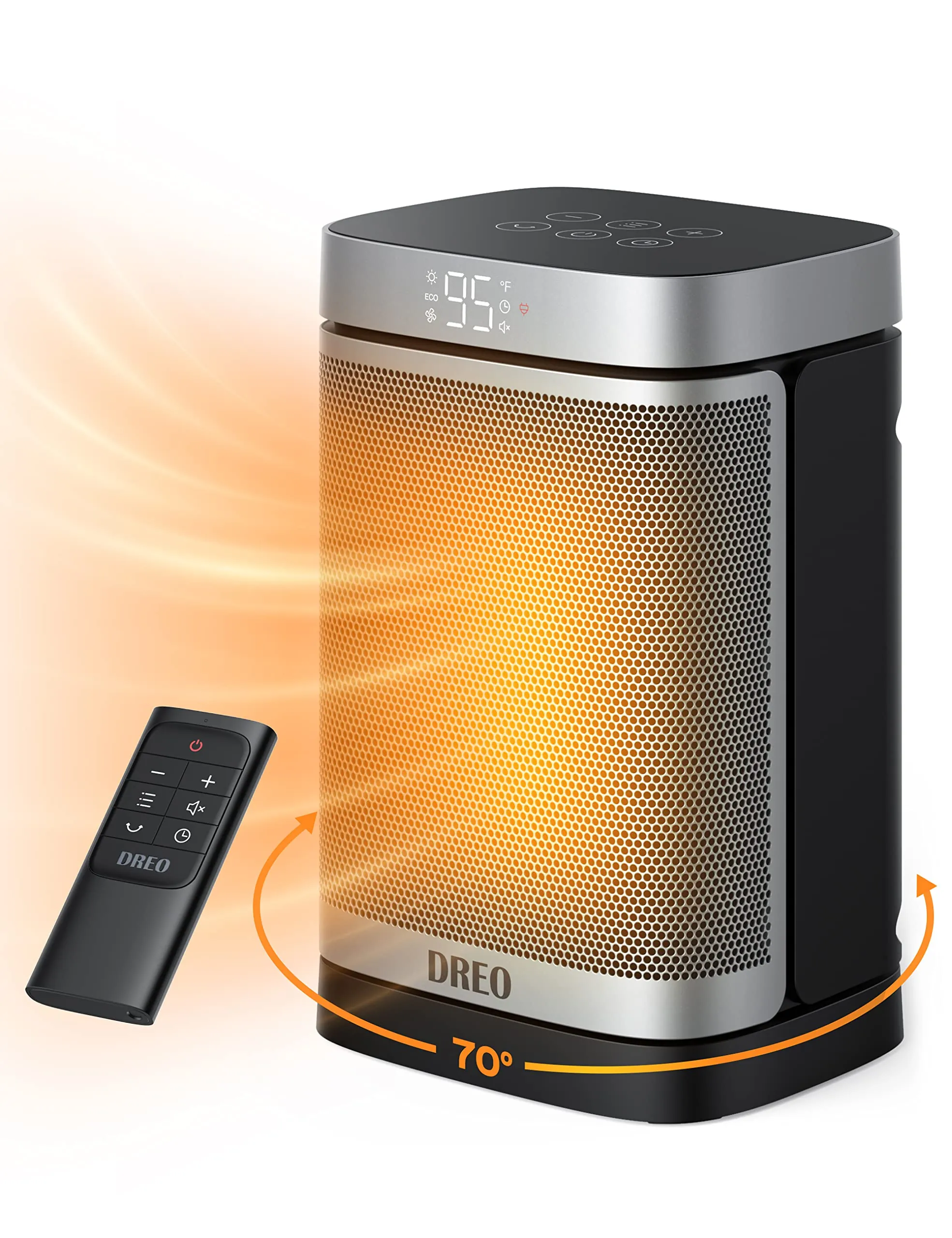
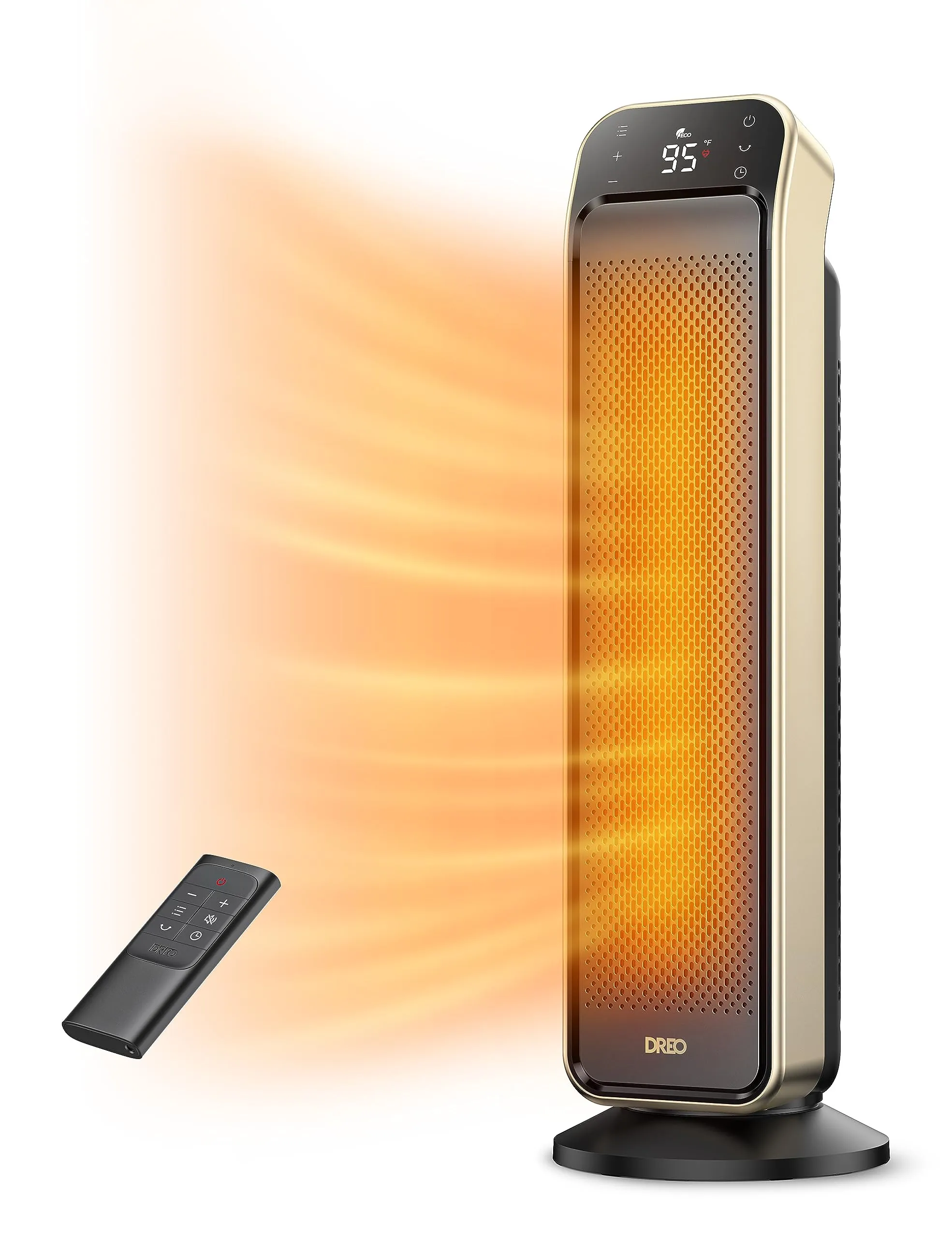
DREO Space Heater Indoor 25" (DR-HSH013)
- Very quiet operation reported by many buyers, including for bedroom use
Comparison
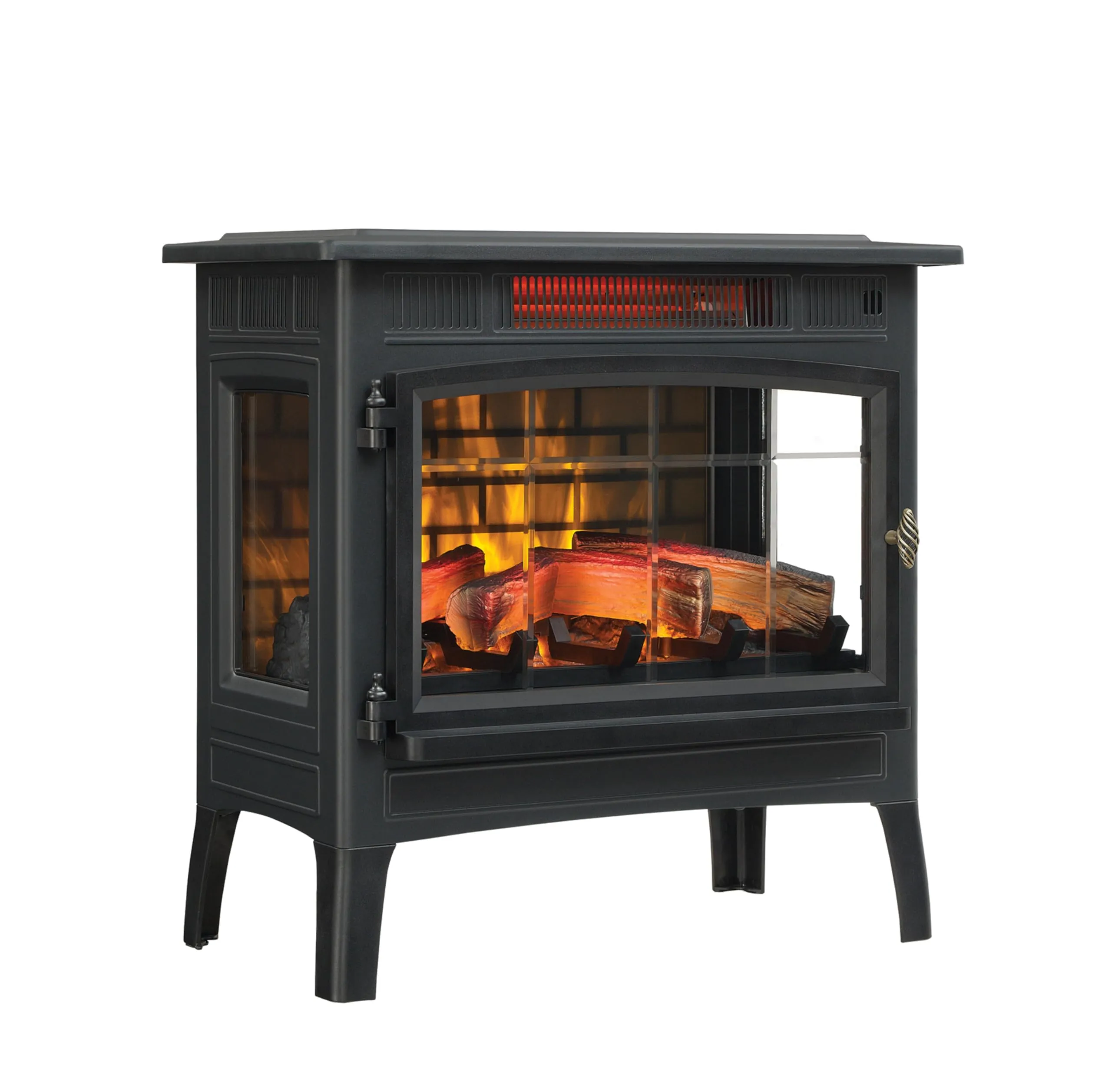
The DREO DR-HSH013 is a slim, quiet tower space heater aimed at bedrooms and small-to-medium rooms, with oscillation, a digital thermostat, and a remote. The duraflame DFI-5010-01 is a freestanding electric fireplace stove that combines supplemental heat with a realistic 3D flame effect and décor-first design. The clearest trade-off is quiet, compact practicality (DREO) versus ambience and larger stated coverage (duraflame).
#1 Overall Winner
Contender
Pick the DREO DR-HSH013 if you want a compact, very quiet tower heater with oscillation and a fine-adjust digital thermostat for a bedroom or office. Choose the duraflame DFI-5010-01 if you want a decorative fireplace-style heater with a realistic flame effect, stronger larger-room intent, and more convincing long-term reliability feedback—accepting that fan noise and controls can be more hit-or-miss.
Overall winner
Depends on your needs
| Feature | DREO Space Heater Indoor 25" (DR-HSH013) | duraflame Freestanding Electric Fireplace Stove Heater (DFI-5010-01) | Winner |
|---|---|---|---|
| Type / style | Tower ceramic space heater | Freestanding electric fireplace stove heater | Depends |
| Heating method (listed) | PTC ceramic forced air & convection | Infrared quartz (listed) with fan venting | Depends |
| Power consumption | 1500W | 1500W | Tie |
| Stated coverage | 100–270 sq ft | Up to 1,000 sq ft | duraflame Freestanding Electric Fireplace Stove Heater (DFI-5010-01) |
| Noise (buyer sentiment + scores) | Often described as very quiet; low-noise design | Mixed: some quiet, some loud fan complaints | DREO Space Heater Indoor 25" (DR-HSH013) |
| Temperature control | Digital thermostat with fine adjustments; ECO mode | Adjustable thermostat; some call it finicky | DREO Space Heater Indoor 25" (DR-HSH013) |
| Heat distribution | 70° oscillation; fast airflow | Front top vent heat output | Depends |
| Ambience / lighting | None (functional heater) | 3D flame effect + glowing logs; independent flame control | duraflame Freestanding Electric Fireplace Stove Heater (DFI-5010-01) |
| Ease of use in low light | Digital controls + remote | Buttons behind door and not illuminated (reviews) | DREO Space Heater Indoor 25" (DR-HSH013) |
| Portability (weight/handling) | 7.26 lb; slim footprint | 28.6 lb; bulkier stove body | DREO Space Heater Indoor 25" (DR-HSH013) |
| Safety features (listed) | Tip-over + overheat protection; child lock; ETL mentioned | Timed shut-off; safety claims in description (no certification listed) | DREO Space Heater Indoor 25" (DR-HSH013) |
| Reliability sentiment | Mixed; reports of shutting off unexpectedly | Stronger long-term reliability reports from owners | duraflame Freestanding Electric Fireplace Stove Heater (DFI-5010-01) |
| Remote control feedback | Often appreciated; works across the room (overview) | Mixed; some say handy, others say useless/limited | DREO Space Heater Indoor 25" (DR-HSH013) |
| Value perception | Mixed versus cheaper heaters | Generally positive value feedback in overview | duraflame Freestanding Electric Fireplace Stove Heater (DFI-5010-01) |
For everyday home use, the DREO is the “move-it-where-you-need-it” option: it’s light, slim, and built around quick comfort in a bedroom or office without drawing attention. The duraflame is better treated like a room fixture—heavier, more decorative, and designed to sit in a living room or common area where the flame effect adds atmosphere even when you’re not actively heating.
Both heaters can improve winter comfort, but they do it in different ways. The DREO leans into quiet airflow, oscillation, and precise temperature setting for steady comfort close to where you sleep or work. The duraflame adds a strong “cozy room feel” through its flame visuals and independent flame/heat controls, which can make a space feel warmer even when the heat setting is low or off. If you’re noise-sensitive, DREO has the more consistently quiet feedback.
On pure heating performance, the duraflame looks stronger overall, with a higher stated coverage area and reviews that repeatedly describe it as warming rooms quickly. The DREO also gets plenty of praise for fast heat and strong airflow that reaches across a room, though some buyers report it isn’t “super warm” in their setup.
In practice, performance may come down to room size and layout: the DREO is clearly aimed at small-to-medium spaces (with oscillation to spread heat), while the duraflame is built more like a living-room supplemental heater. For very quiet heat delivery, the DREO has the advantage based on buyer sentiment.
Reliability is a key separator. The DREO has mixed reliability feedback, including reports of units turning off unexpectedly, which may be frustrating if you rely on it nightly or in a work-from-home room. The duraflame has stronger reliability sentiment in the provided reviews, including owners reporting multi-year use with continued heating performance and “still works” comments across seasons.
That said, both are 1,500W plug-in heaters and should be treated as attended, properly plugged-in appliances. If your priority is long-term dependability based on buyer stories, duraflame is the safer bet here.
The DREO offers tighter, more granular control with its adjustable digital thermostat range and fine increments, and buyers often describe it as a “set and forget” approach in ECO mode. The duraflame includes an adjustable thermostat and can maintain a target temperature, but multiple reviews describe the thermostat as finicky, requiring more hands-on adjustment. For precise control and predictable adjustments—especially at night—the DREO generally has the advantage.
Both should be used thoughtfully as high-wattage electric heaters, but the DREO lists more explicit built-in protections: tip-over shutoff, overheat protection, and a child lock, plus flame-retardant materials and an ETL mention in the listing. Reviews also mention paying attention to cord warmth, reinforcing the importance of using a proper wall outlet and sensible settings.
The duraflame includes an automatic timed shut-off and multiple reviews discuss safe-use habits (plugging directly into a wall outlet and monitoring cords). Some buyers note the stove body doesn’t get very hot while heated air exits the vent, which matters for kids and pets near the unit. For feature-defined safety controls, DREO has the clearer advantage.
Comfort isn’t just temperature—it’s how a room feels. The DREO improves comfort through steady, quiet heat delivery and oscillation that reduces cold spots. The duraflame adds a different kind of comfort: the flame visuals and glowing logs create a cozy atmosphere that many buyers enjoy, and the flame can run even when heat is off. If you want “warmth plus ambience,” duraflame stands out; if you want “warmth without distraction,” DREO fits better.
The DREO is generally easier for quick, frequent adjustments: the digital thermostat supports fine changes and the remote is widely described as convenient. The duraflame is simple once placed, but day-to-day control can be less friendly in dim rooms because the buttons sit behind the door and are not illuminated, and some owners find the thermostat behavior finicky. If you often tweak settings from bed or a sofa, DREO is usually the easier experience.
Design is the clearest difference. The DREO is a tall, slim tower (small footprint) intended to disappear into a corner and push warm air across the room, with a modern control panel and remote-friendly use. The duraflame is intentionally decorative, with a traditional stove look, side windows, and a flame/log display meant to be seen. If you want a heater that also acts as décor (and even a nightlight-like glow), duraflame wins; if you want minimal countertop/floor visual clutter, DREO fits better.
Capacity here is mostly about coverage. The DREO lists 100–270 sq ft, which aligns with bedroom and office spot heating. The duraflame lists coverage up to 1,000 sq ft, positioning it for larger rooms or more open layouts. Real coverage still depends on insulation and drafts, but if you’re shopping for a larger space on paper, the duraflame targets that need more directly.
The DREO is more space-efficient: its tower footprint is small and it fits into tight corners in bedrooms or offices. The duraflame has a wider, deeper footprint because it’s designed to look like a stove, so it occupies more floor space and needs a placement that lets you enjoy the flame effect. In flats or small rooms where every inch matters, the DREO is usually easier to accommodate.
If low noise is a priority, the DREO is the more dependable choice based on the provided data: many buyers highlight near-silent running, especially for sleep. The duraflame’s noise experience varies more—some owners find it quiet, while others mention a loud fan. For bedrooms, nurseries, or quiet home offices, DREO is typically the safer pick.
Neither heater requires permanent installation, but setup is slightly different. The DREO is essentially plug-and-use with placement on the floor. The duraflame is freestanding but requires attaching the legs, which adds a small assembly step. For the simplest “out of box to heating” experience, the DREO is quicker; for a more furniture-like placement, duraflame takes a bit more setup.
The duraflame feels more furniture-like by design, using metal and glass with a door and side viewing windows, and buyers often describe it as well constructed. The DREO is lighter and more utilitarian, and while many owners are happy with it, some comments raise concerns about stability and handling (including a less grippy handle and a base that can feel easier to bump). For perceived sturdiness and “room fixture” presence, duraflame has the edge.
Durability cues favor the duraflame in the provided data: multiple reviews describe units still working well after several years, and the heavier, stove-style construction is frequently described as well built. The DREO is easier to move and store, but its durability outlook is less certain due to mixed reliability sentiment in the aggregated feedback. If you want something that feels like a long-term seasonal fixture, duraflame has the stronger evidence from reviews.
Maintenance for both is relatively simple compared with filters or consumables: keep vents clear, wipe dust, and store carefully off-season if needed. The DREO’s slim tower form can be easier to wipe down and fit into a cupboard or closet, while the duraflame is bulkier and may need more space for storage. Duraflame owners also mention practical storage habits (covering it, removing remote batteries) to keep it working smoothly year to year.
Both are portable, but portability is not equal. The DREO is much lighter and slimmer, making it easier to carry between rooms and tuck away when not in use. The duraflame can be moved room to room, but at nearly 30 pounds it’s better treated as occasionally movable rather than something you’ll carry daily. If you want one heater to rotate between bedroom, office, and living room, the DREO is the easier option.
The DREO focuses on functional features: multiple heat levels plus ECO thermostat mode, 70° oscillation, a fan-only option, smart memory, and a remote. It also adds a child lock alongside tip-over and overheat protection.
The duraflame’s standout feature is ambience: a realistic 3D flame effect with glowing logs and adjustable brightness, plus independent flame and heat controls so you can run the visuals year-round. It also includes an adjustable thermostat and an automatic timed shut-off. If you want features that change the room’s look and mood, duraflame leads; for airflow, oscillation, and temperature granularity, DREO is stronger.
Both run at the common 1,500W level when heating, so “efficiency” is largely about how you use them as supplemental heat. The DREO’s ECO mode is designed to adjust output to maintain a set temperature, which can help avoid running at full power continuously. Duraflame’s messaging emphasizes supplemental zone heating (warming the room you’re in rather than the whole home). In both cases, using a thermostat setting and heating only occupied rooms is the practical path to better running costs.
Value depends on what you’re paying for. The DREO is far less expensive and offers practical comfort features (quiet running, oscillation, precise digital thermostat control), but its value perception is mixed, with some buyers feeling it’s not worth it compared with cheaper heaters and others calling it a great deal.
The duraflame costs substantially more, but aggregated feedback is more positive about value, and the product adds a strong décor/ambience component plus multiple long-term reliability reports that can justify the price for some homes. If you want “heat only,” DREO is easier to justify; if you also want a fireplace look and multi-season visual use, duraflame can make more sense.
Based on the provided data, duraflame benefits from stronger owner confidence over time, with several reviews referencing multiple purchases and multi-year performance, which tends to build trust. DREO has very strong satisfaction in areas like quiet operation and convenience, but mixed reliability feedback makes brand confidence more conditional for shoppers who prioritize long-term dependability. If brand trust is mainly about proven longevity in reviews, duraflame has the clearer edge here.
Both products have high review volumes and similar star ratings, but the tone of feedback differs. DREO buyers strongly praise fast heat, very low noise, and a handy remote, while repeatedly noting mixed experiences on warmth, value, and reliability (including unexpected shutoffs). Duraflame buyers frequently praise the realistic flames, overall quality, and heating effectiveness, and many mention being happy with the purchase long term.
Complaints for duraflame cluster around noise variability and control/remote frustration, especially in low light. Overall sentiment appears more consistently positive for duraflame, while DREO has more “great when it works for your room” variability.
Warranty and support details aren’t clearly provided for either product in the data shown, so it’s difficult to compare coverage terms. If support matters to you, check the included documentation and retailer return window before buying, and pay attention to buyer comments about replacements or service for the specific listing you’re purchasing from.
The better choice depends on whether you’re shopping for pure, quiet utility or for heat plus ambience. The DREO DR-HSH013’s biggest strengths are quiet operation, a compact tower design, oscillation, and precise digital thermostat control that suits bedrooms and home offices. Its main limitations are mixed reliability feedback (including unexpected shutoffs) and mixed opinions on value versus cheaper heaters.
The duraflame DFI-5010-01 is the stronger overall option for a living room or larger space where you’ll appreciate the 3D flame effect and the décor-forward stove design. It also has stronger long-term reliability sentiment in the provided reviews. The main drawbacks are mixed fan noise and controls that can be inconvenient in low light. If you want a heater you’ll enjoy looking at every day, duraflame is the clearer winner.
Overall winner
Depends on your needs
If you want a quieter, compact heater for a bedroom or office, the DREO tower is the more practical pick thanks to its low-noise focus, oscillation, and fine-grain digital thermostat settings. If you want stronger supplemental heat for a larger living space plus a realistic flame effect for ambience, the duraflame stove is the better fit, with stronger long-term reliability sentiment in reviews.
The DREO is typically the better bedroom choice if noise is a priority, since buyers often describe it as very quiet and it includes a remote plus ECO thermostat control. The duraflame can work in a bedroom, but noise feedback is mixed and controls can be less convenient because buttons are behind the door and not illuminated, according to reviews.
Based on stated coverage, the duraflame is designed for larger areas (listed up to 1,000 sq ft), while the DREO lists 100–270 sq ft. Real-world results still depend on insulation, layout, and where the heater is placed, but the duraflame is positioned as the larger-space supplemental heater of the two.
The DREO is the safer bet for low-noise use: it’s marketed for quiet operation and buyer feedback frequently mentions near-silent performance. The duraflame has mixed noise feedback—some owners find it quiet, while others report a loud fan. If you’re sensitive to sound, the DREO is generally the lower-risk choice.
The DREO’s digital thermostat with small step adjustments and simple remote tends to be more straightforward for frequent temperature changes. With the duraflame, multiple reviews mention the thermostat can feel finicky, and the controls are located behind the door and are not illuminated, which can make adjustments harder in dim rooms.
The DREO lists tip-over and overheat protection and adds a child-lock setting, which directly targets household safety concerns. The duraflame is described by buyers as usable around children and pets, and reviews note the stove body doesn’t get very hot while heated air exits from the vent; as with any heater, placement and supervised use still matter.
Value depends on what you want. The DREO costs less and focuses on functional comfort—quiet operation, oscillation, and precise thermostat control—though value feedback is mixed versus cheaper heaters. The duraflame costs more but adds décor/ambience and has stronger value sentiment in aggregated feedback, plus more positive long-term reliability reports.
The DREO is a slim, lightweight tower heater designed for targeted room heating with oscillation and a digital thermostat. The duraflame is a heavier freestanding stove-style heater with a 3D flame/log effect and independent flame/heat operation, making it as much a décor feature as a heater. Noise and control convenience also differ based on buyer feedback.
Check our rankings and expert guides to find the best home lifestyle products for your goals.