#1 Overall Winner
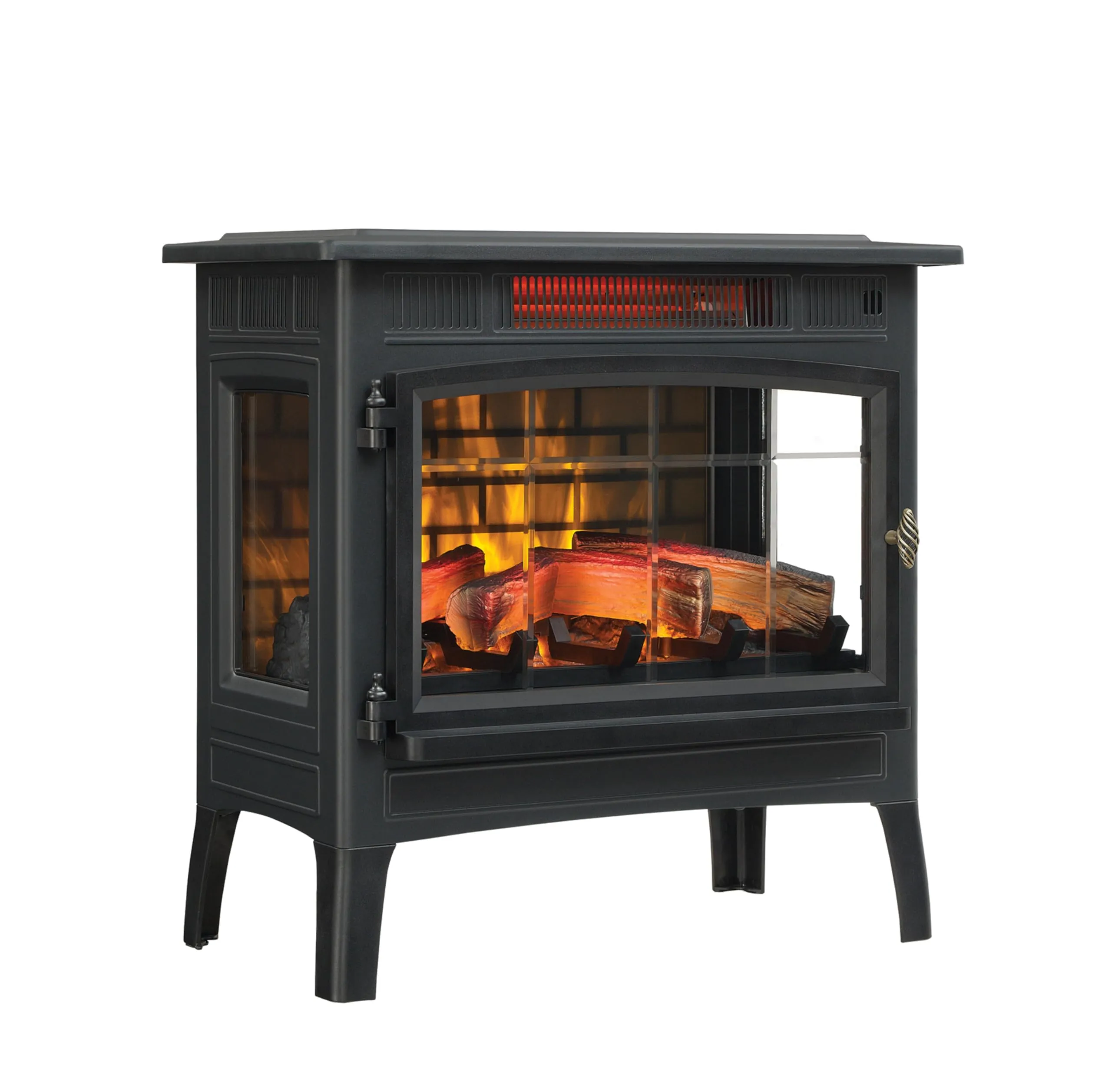
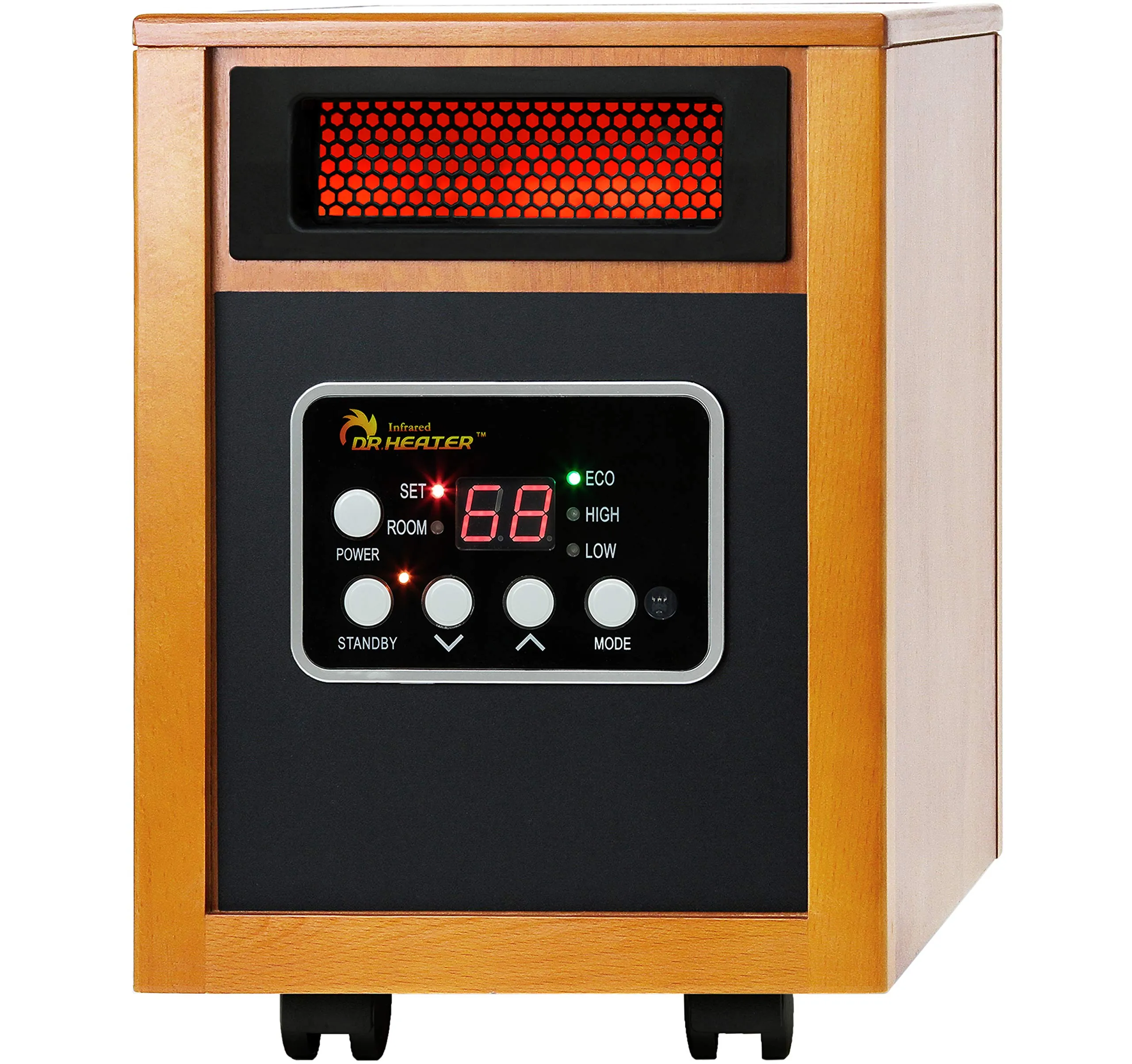
Dr Infrared Heater DR-968 Portable Space Heater, 1500-Watt, Cherry
- Strong real-world heating output with fast warm-up for bedrooms and insulated medium rooms
Comparison
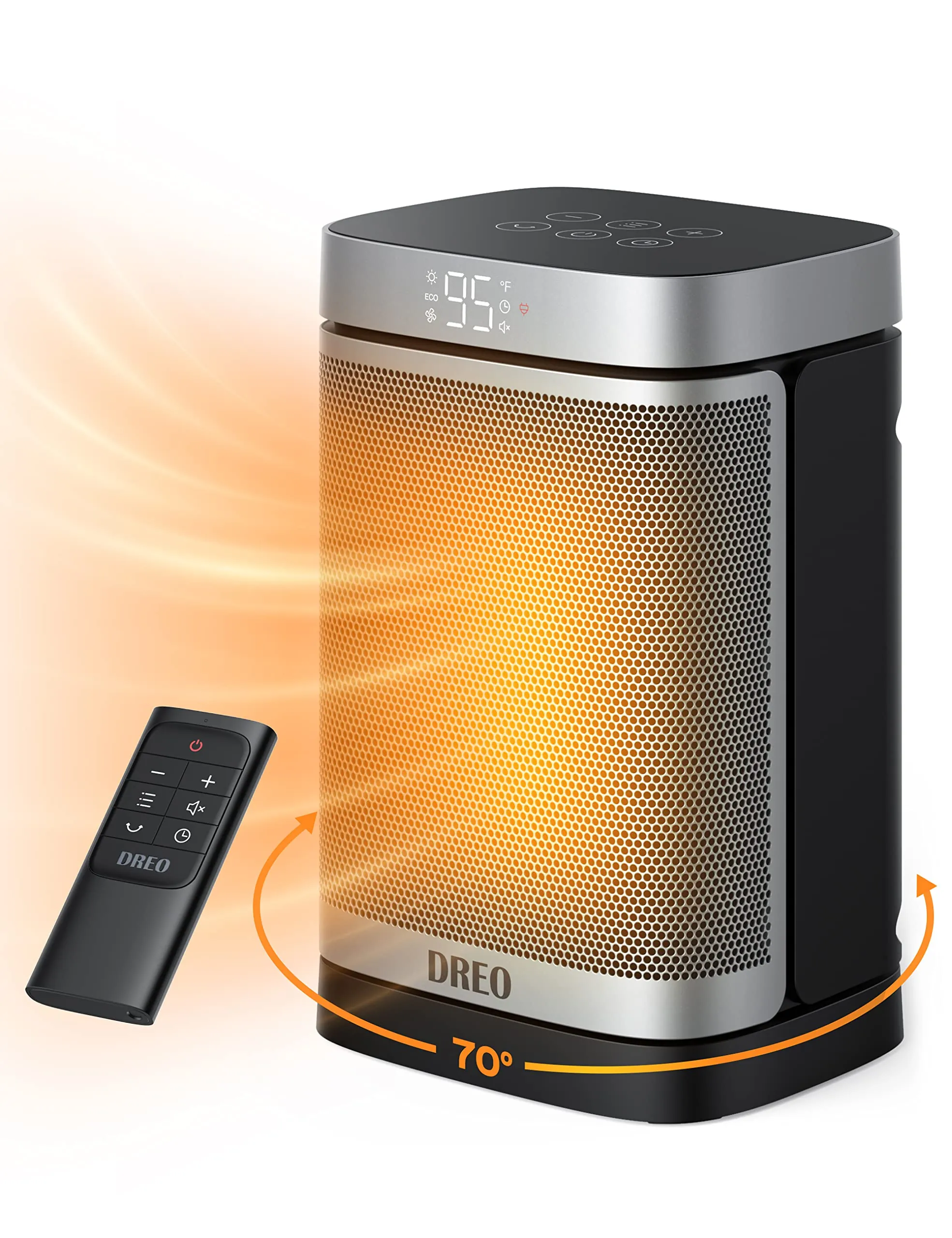
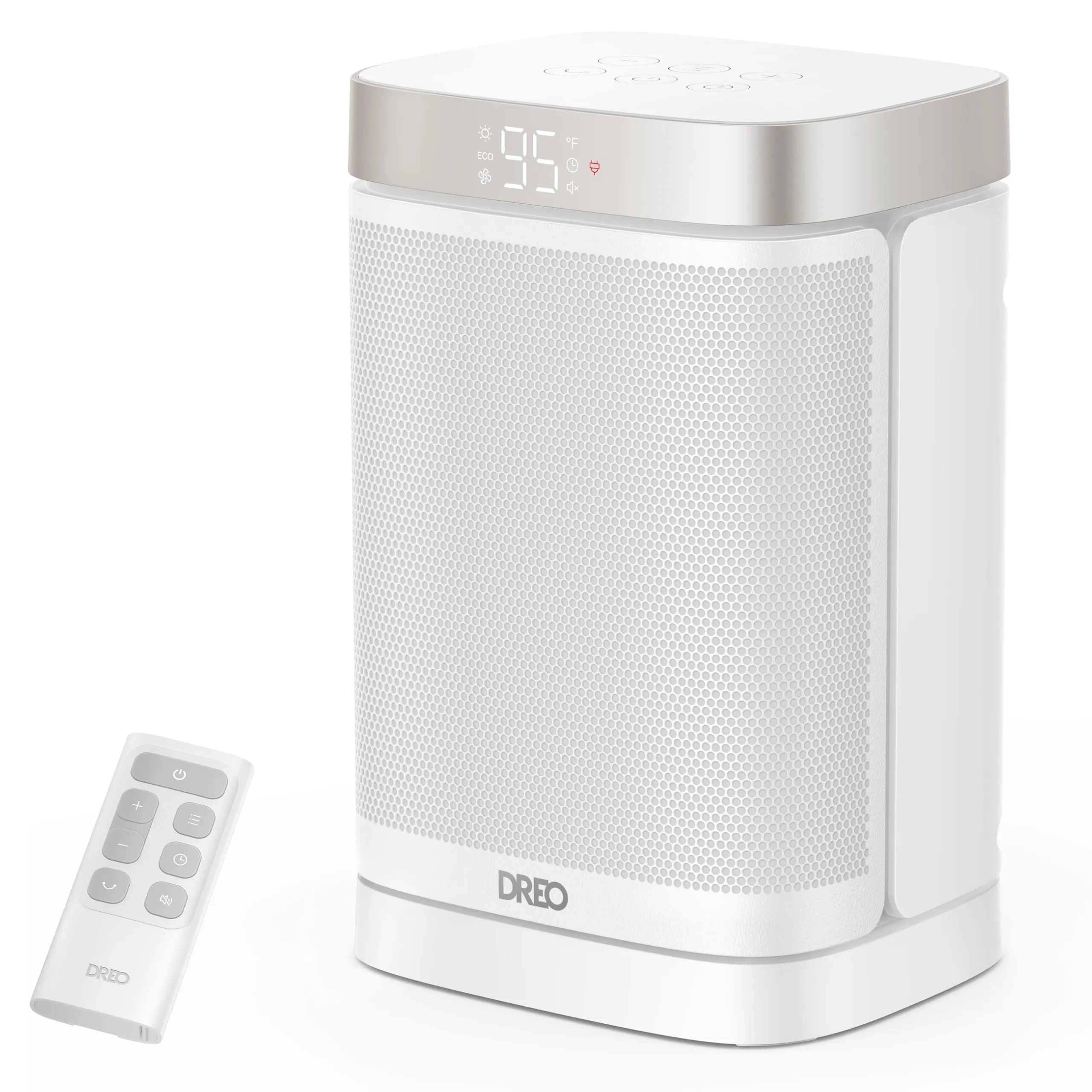
The Dr Infrared Heater DR-968 and the DREO tower space heater are both portable 1500W-class options aimed at bedrooms and everyday room heating. The DR-968 leans toward steadier, consistently well-reviewed warmth and very quiet operation, while the DREO focuses on a slim tower design with oscillation and more precise temperature settings. The best choice depends on your room size, portability needs, and tolerance for mixed reliability feedback.
#1 Overall Winner
Contender
Choose the Dr Infrared Heater DR-968 if you want consistently quiet, strong room heating and a sturdier, wheelable cabinet you can rely on night after night. Choose the DREO tower heater if you prefer a slim heater with oscillation, a wider thermostat range, and easier lift-and-carry portability—while accepting more mixed reliability and value feedback.
Overall winner
Depends on your needs
| Feature | Dr Infrared Heater DR-968 Portable Space Heater, 1500-Watt, Cherry | DREO Space Heater Indoor, 25" 11.5ft/s Fast Portable Room Heater with Remote and Thermostat, 3 Modes, Overheating & Tip-Over Protection, Electric Heaters for Indoor Use Large Room, Bedroom, Gold | Winner |
|---|---|---|---|
| Type / form factor | Cabinet-style, freestanding with wheels | Tower-style, floor mount | Depends |
| Heating method (as listed) | Dual system: quartz infrared + PTC | PTC ceramic, forced air & convection | Depends |
| Max power / class | 1500W (High), 1000W (Low), Auto mode | 1500W class with multiple heat modes + ECO | Tie |
| Stated heating coverage | Up to 576 sq ft (listed) | 100–270 sq ft (listed) | Dr Infrared Heater DR-968 Portable Space Heater, 1500-Watt, Cherry |
| Noise (spec / sentiment) | 39 dB listed; widely praised as ultra-quiet | Low-noise claims; widely praised as quiet (some cycling noted) | Dr Infrared Heater DR-968 Portable Space Heater, 1500-Watt, Cherry |
| Thermostat range (listed) | 50–85°F | 41–95°F (fine steps listed) | DREO Space Heater Indoor, 25" 11.5ft/s Fast Portable Room Heater with Remote and Thermostat, 3 Modes, Overheating & Tip-Over Protection, Electric Heaters for Indoor Use Large Room, Bedroom, Gold |
| Oscillation | Not listed | 70° oscillation listed | DREO Space Heater Indoor, 25" 11.5ft/s Fast Portable Room Heater with Remote and Thermostat, 3 Modes, Overheating & Tip-Over Protection, Electric Heaters for Indoor Use Large Room, Bedroom, Gold |
| Safety protections (listed) | Tip-over + overheat; UL certified (USA/Canada) | Tip-over + overheat; child lock; ETL listed | Depends |
| Timer / shutoff | 12-hour timer and 12-hour automatic shut-off listed | Timer mentioned in reviews/overview; not fully detailed in provided specs | Dr Infrared Heater DR-968 Portable Space Heater, 1500-Watt, Cherry |
| Portability (weight) | 19 lb; wheels | 7.26 lb; carry design | DREO Space Heater Indoor, 25" 11.5ft/s Fast Portable Room Heater with Remote and Thermostat, 3 Modes, Overheating & Tip-Over Protection, Electric Heaters for Indoor Use Large Room, Bedroom, Gold |
| Footprint / space efficiency | 13"D x 12.5"W x 17"H | 7.87"D x 7.87"W x 25"H | DREO Space Heater Indoor, 25" 11.5ft/s Fast Portable Room Heater with Remote and Thermostat, 3 Modes, Overheating & Tip-Over Protection, Electric Heaters for Indoor Use Large Room, Bedroom, Gold |
| Reliability sentiment | Mostly reliable feedback; one detailed remote/board issue | Mixed reliability; reports of turning off unexpectedly | Dr Infrared Heater DR-968 Portable Space Heater, 1500-Watt, Cherry |
| Value sentiment | Often described as good value and bill-saving supplement | Value opinions divided | Dr Infrared Heater DR-968 Portable Space Heater, 1500-Watt, Cherry |
| Smart home compatibility | Not smart-home compatible (listed) | Not stated | Tie |
For everyday home use, both heaters fit the common routine of warming a bedroom or office quickly, then using thermostat control to hold a comfortable temperature. The DR-968 is better suited to people who want a sturdy, furniture-like heater they can roll between rooms and leave running quietly through the night. The DREO is easier to tuck into a corner thanks to its tower footprint and can feel more “whole-room” oriented because it oscillates, but feedback suggests performance and reliability can vary more by home and setup.
Both products are clearly aimed at improving winter comfort in bedrooms and work spaces, and both are frequently described as quiet enough for sleep. The DR-968 is often praised for removing chill without being disruptive and for maintaining a stable feel once the thermostat is set. The DREO adds oscillation and a wider temperature-setting range, which can help distribute warm airflow around the room. If your comfort goal is “quiet, steady background heat,” DR-968 fits well; if you want adjustable, room-sweeping airflow, DREO has the advantage.
In heating performance, the DR-968 shows more consistently strong results in the provided data: owners commonly report quick warm-up and the ability to maintain comfortable temperatures in bedrooms and insulated medium rooms. It’s also frequently used as a supplement for larger/open areas, though not typically as the only heat source for very large spaces.
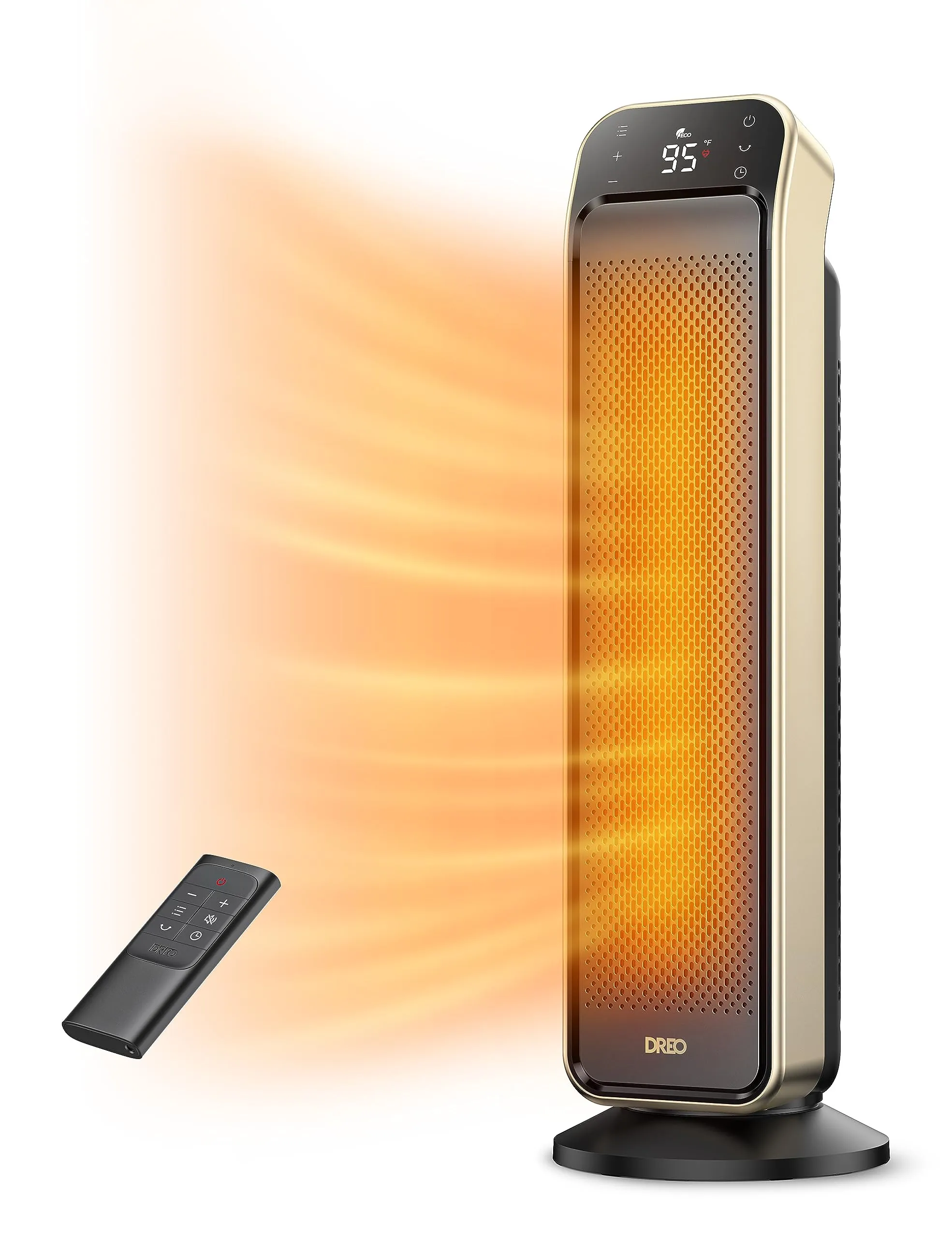
The DREO is often praised for fast heat and impressive throw for a tower heater, helped by its airflow and oscillation. However, the overall feedback is more mixed on how warm it feels in some rooms, suggesting results may depend more on insulation, drafts, and placement.
Reliability feedback favors the DR-968. The overall sentiment is that it works consistently over seasons, with multiple buyers purchasing additional units after good experiences. There is, however, at least one detailed report of a remote/control-board issue that required replacement and took time to resolve with support.
The DREO has more mixed reliability feedback in the provided overview, including reports of units turning off unexpectedly. If you plan to use the heater daily through winter or overnight, that inconsistency is a meaningful consideration.
Both heaters provide basic climate control through thermostats and automatic cycling. The DR-968 offers a straightforward thermostat range geared to typical indoor comfort and an Auto mode that switches between high and low to hold the set temperature. The DREO offers a wider temperature range and fine-step control, which is useful if you like precise setpoints. In real use, the DR-968 appears more consistent at maintaining comfortable warmth in bedrooms, while DREO’s effectiveness can depend more on room conditions and placement.
Both heaters include key safety protections: tip-over and overheat shutdown are listed for each model. The DR-968 is UL certified for the USA and Canada, and owners note it shuts off quickly when tipped, though the grille area can still get quite warm during operation (so placement away from curious kids/pets is still important). The DREO is ETL listed and adds a child lock, which can reduce accidental setting changes. Regardless of model, both draw high power, so using a dedicated wall outlet and avoiding high-load sharing on the same circuit is a practical safety step.
Comfort is strong across both models, mainly due to quiet operation and thermostat control that helps prevent overheating the room. The DR-968 gets consistent feedback for taking the chill out quickly and maintaining an even, cozy feel in bedrooms and living areas. The DREO adds oscillation, which can help avoid “one warm spot” near the heater by spreading airflow around the room. If your room has drafts or cold corners, DREO’s airflow approach may help; if you want steady, unobtrusive heat, DR-968 is more consistently praised.
Both heaters are straightforward for daily use: plug in, set a temperature/mode, and adjust with the remote. The DR-968 is often described as ready to use out of the box and easy to roll between rooms, but the timer being remote-dependent can be inconvenient if the remote is misplaced or fails. The DREO’s touch controls and remote are generally praised, though some users dislike not having a clear temperature readout (as described in at least one review).
Design comes down to placement. The DR-968 is a compact cabinet that sits low and rolls on casters; it can look more like a small piece of furniture but takes more floor area. The DREO tower is tall and narrow, making it easier to place beside a desk or bed and better for tight footprints. One practical design note from DR-968 owners is that the display can be very bright for a child’s room, while DREO owners mention handle and base/stability concerns.
Coverage and room fit differ notably. The DR-968 lists a larger stated coverage area and is frequently reported to heat and maintain medium bedrooms effectively, sometimes supplementing larger open layouts. The DREO lists coverage in the small-to-medium room range and is commonly praised for quick heating in those spaces, though some users still find it not as warm as expected. In practice, both are best thought of as room heaters rather than whole-home solutions.
In tight spaces, the DREO tower is more space-efficient thanks to its small footprint and vertical design, making it easier to place near a bed or desk without taking up much floor area. The DR-968 is shorter and wider, with more of a furniture-like footprint. If you’re in a flat, small bedroom, or a crowded home office, the DREO is typically easier to fit without rearranging the room.
Noise is a strength for both, especially for bedroom use. The DR-968 is repeatedly described as ultra-quiet, with some owners calling it “white noise” that doesn’t disturb sleep. The DREO is also commonly described as almost silent, but at least one reviewer notes that ECO mode can change power levels often in colder weather, which can be more noticeable at night. If the most consistent quiet is the priority, the DR-968 has the advantage.
The DR-968 stands out for build feel in reviews, with a wood cabinet over internal metal housing and relatively little plastic, which many buyers interpret as sturdier than typical portable heaters. The DREO is lighter and more minimalist, which helps portability and footprint, but its build-quality sentiment is less strong overall, with some concerns raised about stability and parts/feel over time. If you prioritize a more substantial physical build, the DR-968 has the edge in the provided data.
Durability indicators are stronger for the DR-968 based on build construction details and longer-term owner comments suggesting it continues to perform well over multiple years. Its heavier cabinet-style construction and wheels also suggest it’s meant to be moved without feeling fragile. The DREO’s lighter tower design is convenient, but durability sentiment is less confident in the provided data, and reliability concerns can also affect perceived long-term lifespan.
Maintenance is manageable for both. The DR-968 includes a filter that owners mention is easy to remove and clean, which can help keep airflow consistent. The DREO doesn’t list a comparable filter feature in the provided data, so maintenance is likely more about keeping the intake/exhaust clear of dust and ensuring safe placement. For either heater, keeping vents unobstructed and periodically checking cord/outlet condition is part of practical upkeep.
The DREO is the easier heater to pick up and carry at just over 7 lb, and its narrow shape makes it simple to move between rooms. The DR-968 is much heavier at 19 lb, but it compensates with caster wheels that users like for rolling across floors and even carpet. If your “portability” means lifting (stairs, storage shelves), DREO wins; if it means rolling from room to room on one level, DR-968 remains convenient.
The DR-968 focuses on core comfort features: dual heating system, Auto mode that cycles between high/low to maintain temperature, a remote, and a 12-hour timer/auto shutoff. It also includes wheels and a washable filter mentioned in reviews and specs.
The DREO emphasizes convenience and control: multiple heat modes including ECO, wide-angle oscillation, a wider thermostat range with fine adjustment steps, and a child lock. If you want oscillation and more precise temperature setting, DREO offers more; if you want a simpler, proven set-and-hold approach, DR-968 is stronger.
Both heaters rely on thermostat-based control (Auto/ECO-style operation) to cycle heat and avoid running at full power continuously. The DR-968 is often purchased to reduce reliance on central/baseboard heat, and multiple reviewers report lower heating bills or reduced use of other heaters, though results depend on the home. The DREO’s ECO mode is designed to adjust output automatically, but value opinions are more divided, and one review notes the plug/cord can get warm, reinforcing the importance of correct outlet use and avoiding overloaded circuits.
Value depends on what you need the heater to do. The DR-968 is priced lower in the provided data and earns strong value sentiment, with many buyers describing it as a worthwhile purchase for quiet, consistent heat and reduced reliance on other heating sources. The DREO costs more here and value feedback is split: many users like the fast heating, oscillation, and precise controls, while others feel cheaper heaters can perform similarly in small rooms. If you’ll benefit from the tower footprint and oscillation, DREO can still make sense; otherwise DR-968 is the safer value bet.
Brand trust signals are stronger for DR. INFRARED HEATER within the provided data, helped by extensive buyer history, consistent sentiment, and clear safety listing information. DREO has plenty of positive reviews and appears popular, but some reviewers explicitly note they’re unsure about long-term dependability, and the reliability feedback is more mixed. If you prioritize a track record of consistent user experiences, DR. INFRARED HEATER looks more established in this comparison set.
Both heaters are well rated overall with large review counts, but the DR-968 shows more consistently positive themes: effective heating, very quiet operation, attractive cabinet look, and “good value” sentiment. Buyers also commonly report purchasing multiple units for different rooms. The DREO receives frequent praise for fast heating and low noise, plus remote convenience, but its overview includes more mixed feedback on warmth, reliability (unexpected shutoffs), and value for money. If you want the option with fewer recurring complaints, DR-968 is the safer pick.
Support/warranty sentiment is clearer for the DR-968 in the provided reviews: one owner describes support as ultimately helpful but sometimes slow, including a parts-based fix. For the DREO, the provided data doesn’t include detailed warranty terms or support experiences beyond reliability complaints. If support responsiveness matters, it’s worth checking current warranty coverage and return options before buying either heater.
The Dr Infrared Heater DR-968 is the clearer overall winner in this matchup for most households. Its main strengths are consistently strong heating results, ultra-quiet operation, and a sturdier cabinet-style build that owners often trust for nightly use. Its main limitations are weight and the fact that some functions (like the timer) depend on the remote, plus it can trip breakers if you overload a circuit.
The DREO tower heater’s strengths are its space-saving tower design, oscillation, and more precise thermostat range, which can be useful for fine-tuning comfort in small-to-medium rooms. Its main drawbacks are more mixed reliability feedback (including reports of unexpected shutoffs) and value opinions that vary more widely.
Overall winner
Depends on your needs
The Dr Infrared Heater DR-968 is the stronger all-around pick in the data provided, with consistently strong heating feedback, very quiet operation, and solid safety features. The DREO tower heater adds useful extras like oscillation and very precise temperature control, but buyer feedback is more mixed on reliability and value. Choose based on your room size and how much you prioritize portability and oscillation.
Both are positioned for bedroom use and are widely described as quiet. The DR-968 is frequently praised for steady, low-noise heating that works well while sleeping. The DREO is also often described as almost silent, but some users note that ECO mode can change power levels more noticeably in colder conditions. If you’re sensitive to cycling sounds, that’s worth considering.
On paper, the DR-968 lists a larger heating coverage, while the DREO lists coverage aimed at smaller-to-medium rooms. In reviews, the DR-968 is commonly used successfully in bedrooms and medium rooms and as a supplement in larger open spaces. The DREO tends to be described as strong for small-to-medium rooms, with some mixed comments about how warm it feels.
The DREO tower heater is much lighter to lift and has a slim shape that’s easy to carry between rooms. The DR-968 is substantially heavier, but it includes caster wheels that make rolling it from one room to another simple on flat surfaces (including carpet, per reviews). If you expect to carry a heater up and down stairs, the DREO is the easier option.
Both are rated and reviewed as quiet compared with typical fan heaters. The DR-968 is repeatedly described as ultra-quiet and suitable for sleepers. The DREO is also often described as very quiet, but there are notes that its ECO mode can make changes that are more noticeable at night in colder weather. For the most consistent “set it and forget it” quiet, the DR-968 has the edge in the provided feedback.
No. The DR-968 is explicitly listed as not smart-home compatible, and the DREO listing does not include smart home or app control. Both rely on onboard controls and an included remote for adjustments, which can be a plus if you want a straightforward heater without accounts, Wi-Fi setup, or app maintenance.
The DR-968 review set is broadly positive on reliability, but there is at least one detailed report involving remote failure that required a control-board replacement and slow back-and-forth with support. The DREO has more mixed reliability sentiment overall, including reports of units turning off unexpectedly. If long-term dependability is a priority, the DR-968 looks more reassuring in the provided data.
The DR-968 has stronger value sentiment in the provided data, with many buyers describing it as worth it for the heating performance, quiet operation, and sturdier build. The DREO has split value opinions: some find it well worth the cost for fast heating and comfort controls, while others feel cheaper heaters can perform similarly. Your best value choice depends on whether you’ll use oscillation and precise temperature steps.
Check our rankings and expert guides to find the best home lifestyle products for your goals.