#1 Overall Winner
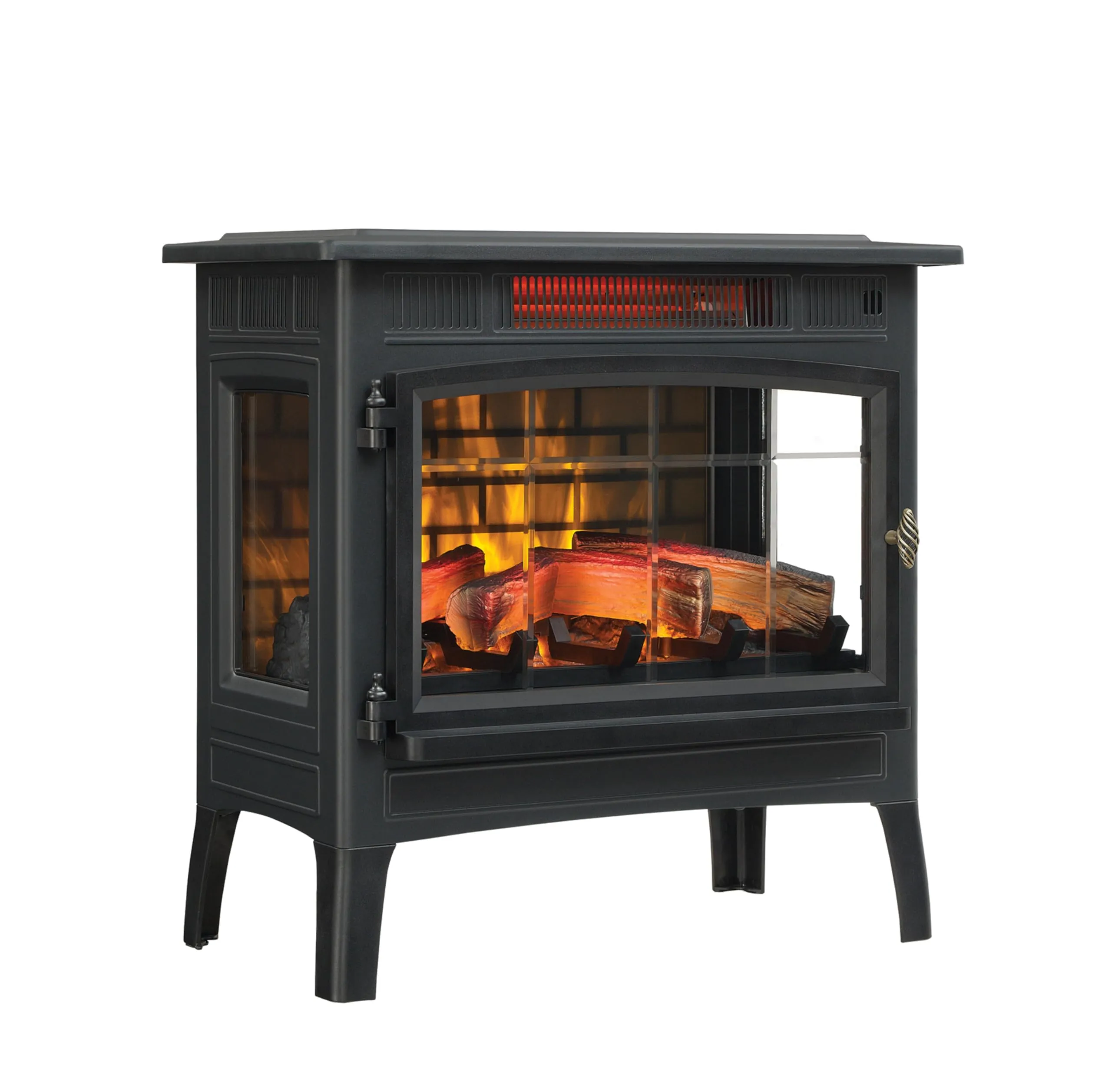
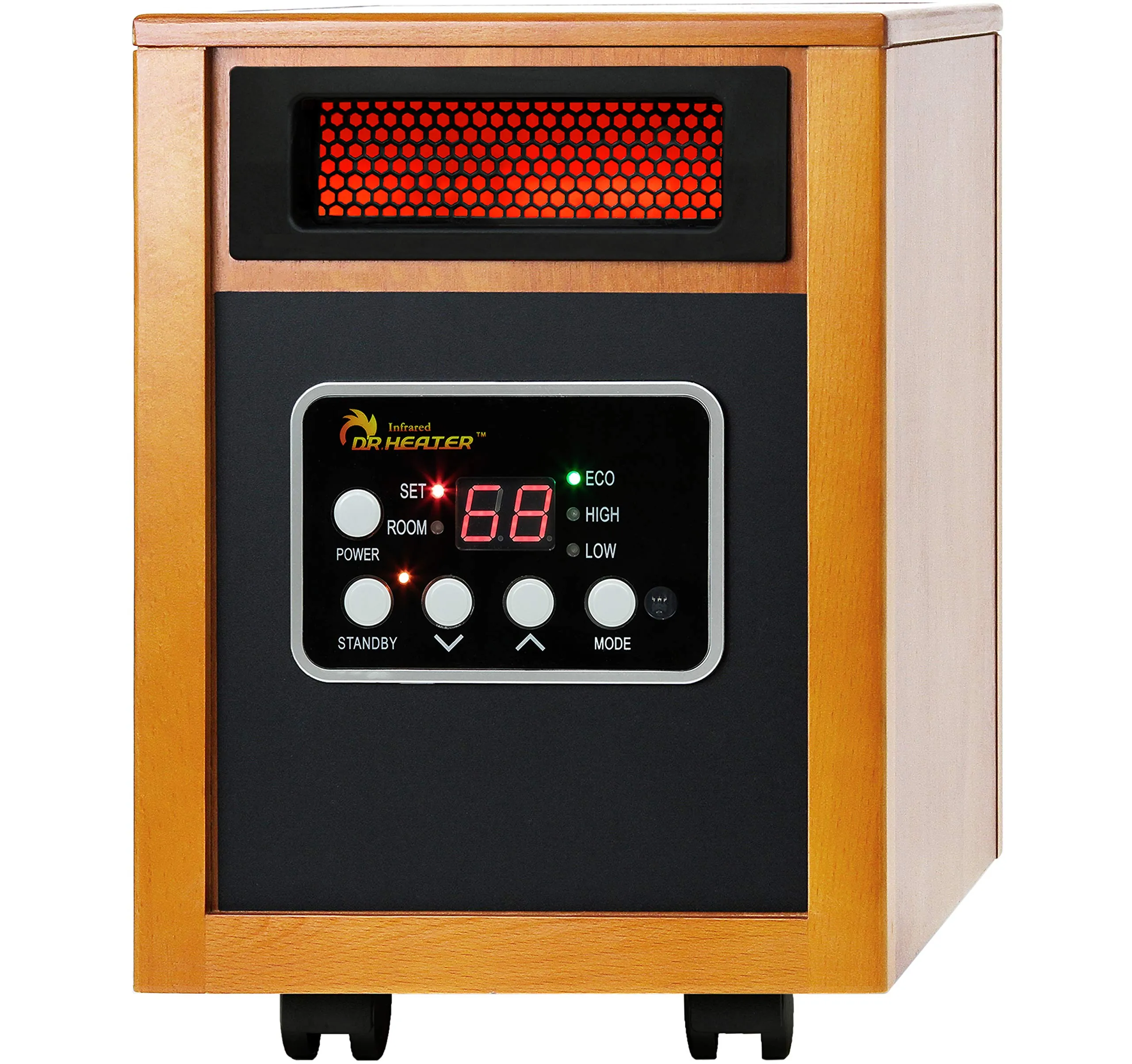
Dr Infrared Heater DR-968 Portable Space Heater, 1500-Watt, Cherry
- Strong real-world heating for bedrooms and insulated medium rooms, with quick warm-up in user reports.
Comparison
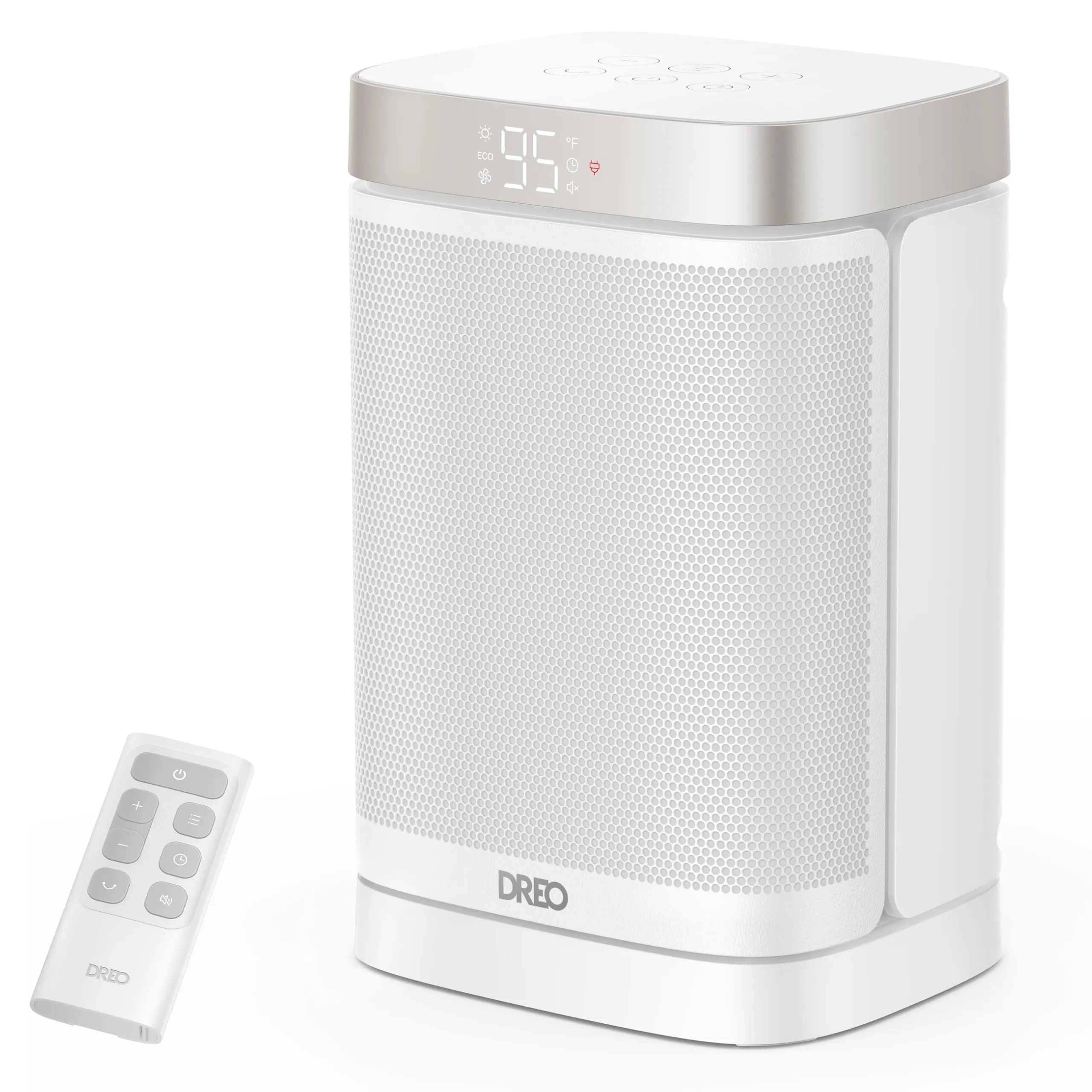
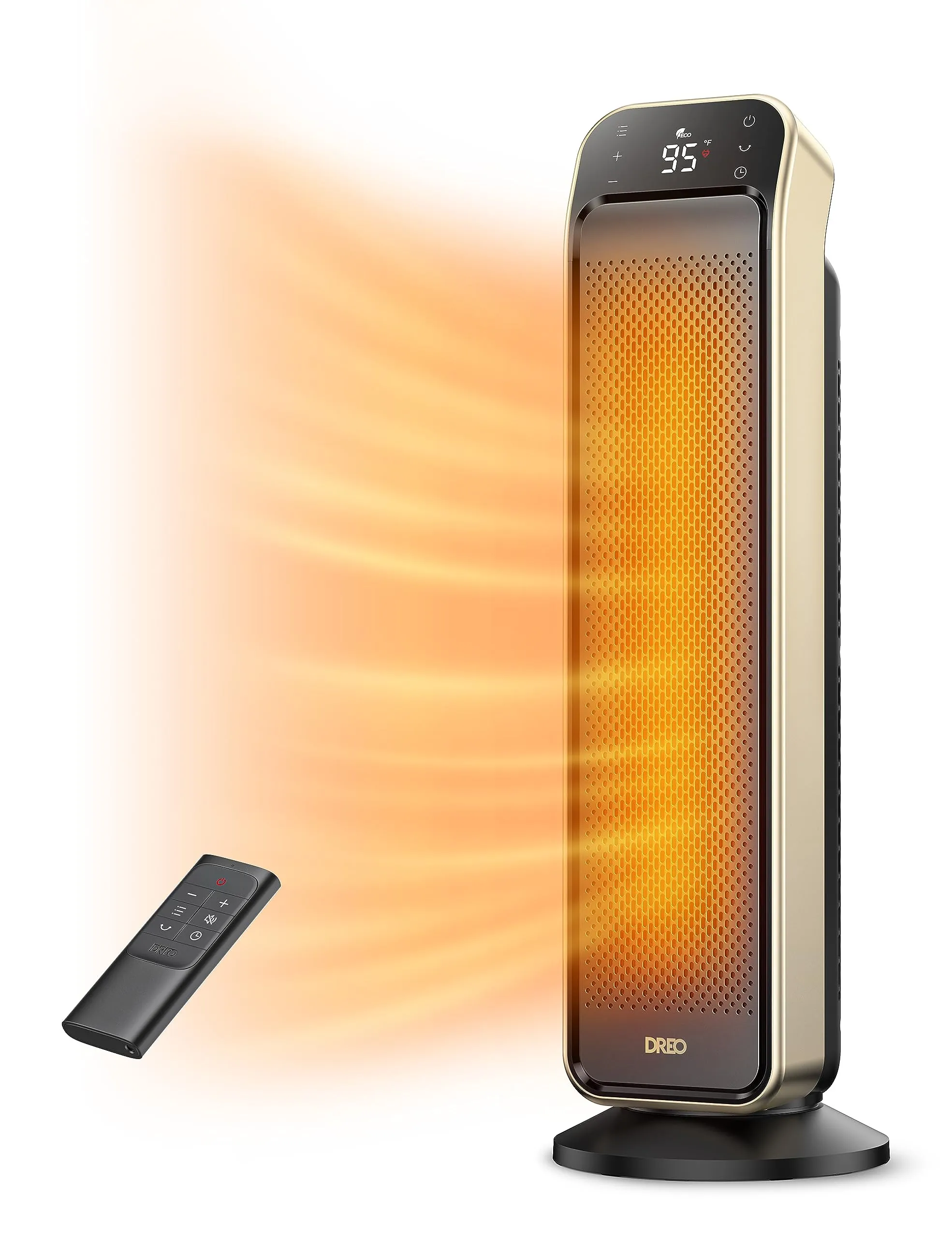
The Dr Infrared Heater DR-968 and the DREO 1500W space heater are both popular portable heaters designed to warm bedrooms, offices, and other indoor rooms quickly and quietly. The DR-968 focuses on a cabinet-style dual heating system with a larger stated coverage area, while the DREO prioritizes a compact tower design with oscillation and a wider thermostat range. The best pick usually comes down to room size, space constraints, and how much you prioritize long-term reliability.
#1 Overall Winner
Contender
Choose the Dr Infrared Heater DR-968 if you want a heavier, sturdier cabinet heater for a medium room and prefer a proven, quiet supplemental heat source. Choose the DREO 1500W heater if you need compact, budget-friendly warmth for a bedroom or office and want oscillation plus a wider thermostat range—while accepting more mixed long-term reliability feedback.
Overall winner
Depends on your needs
| Feature | Dr Infrared Heater DR-968 Portable Space Heater, 1500-Watt, Cherry | DREO Space Heater, 1500W Portable Electric Heaters for Indoor Use, PTC Ceramic Heater for Office with Remote, Thermostat, 70°Oscillation, 12H Timer, 5 Modes, Safe Quiet Room Heater for Bedroom | Winner |
|---|---|---|---|
| Type / heating method | Radiant (dual system: infrared quartz + PTC) | Forced air PTC ceramic | Depends |
| Max power | 1500W (also 1000W low) | 1500W | Tie |
| Heating coverage (stated) | Up to 576 sq ft | Up to 200 sq ft | Dr Infrared Heater DR-968 Portable Space Heater, 1500-Watt, Cherry |
| Thermostat range (stated) | 50–85°F | 41–95°F | DREO Space Heater, 1500W Portable Electric Heaters for Indoor Use, PTC Ceramic Heater for Office with Remote, Thermostat, 70°Oscillation, 12H Timer, 5 Modes, Safe Quiet Room Heater for Bedroom |
| Oscillation | Not stated | 70° oscillation | DREO Space Heater, 1500W Portable Electric Heaters for Indoor Use, PTC Ceramic Heater for Office with Remote, Thermostat, 70°Oscillation, 12H Timer, 5 Modes, Safe Quiet Room Heater for Bedroom |
| Timer | Up to 12 hours (remote required for timer per review) | 1–12 hour timer | DREO Space Heater, 1500W Portable Electric Heaters for Indoor Use, PTC Ceramic Heater for Office with Remote, Thermostat, 70°Oscillation, 12H Timer, 5 Modes, Safe Quiet Room Heater for Bedroom |
| Noise (stated) | 39 dB | As low as 37.5 dB | DREO Space Heater, 1500W Portable Electric Heaters for Indoor Use, PTC Ceramic Heater for Office with Remote, Thermostat, 70°Oscillation, 12H Timer, 5 Modes, Safe Quiet Room Heater for Bedroom |
| Weight / portability | 19 lb, caster wheels | 1.75 kg, compact tower | DREO Space Heater, 1500W Portable Electric Heaters for Indoor Use, PTC Ceramic Heater for Office with Remote, Thermostat, 70°Oscillation, 12H Timer, 5 Modes, Safe Quiet Room Heater for Bedroom |
| Footprint / space efficiency | 13"D x 12.5"W x 17"H cabinet | 6.69"D x 5.51"W x 10.31"H tower | DREO Space Heater, 1500W Portable Electric Heaters for Indoor Use, PTC Ceramic Heater for Office with Remote, Thermostat, 70°Oscillation, 12H Timer, 5 Modes, Safe Quiet Room Heater for Bedroom |
| Controls | Thermostat, auto/high/low, remote (heater must be set to standby first) | Digital thermostat, 5 modes, remote + onboard panel | DREO Space Heater, 1500W Portable Electric Heaters for Indoor Use, PTC Ceramic Heater for Office with Remote, Thermostat, 70°Oscillation, 12H Timer, 5 Modes, Safe Quiet Room Heater for Bedroom |
| Safety features (stated) | Tip-over + overheat protection; UL certified stated | Tip-over + overheat protection; ETL listed; flame-retardant material claim | Tie |
| Reliability signals from reviews | Generally reliable; isolated remote/board issue described | Some reports of failures after about a year | Dr Infrared Heater DR-968 Portable Space Heater, 1500-Watt, Cherry |
| Value (price vs features) | Higher price; sturdier cabinet build and larger coverage rating | Much lower price; strong feature set for small rooms | Depends |
| Smart home / app | Not smart home compatible | No smart home features stated | Tie |
For everyday home use, both heaters work well as targeted “zone heating” to keep one room comfortable without relying entirely on whole-house heat. The DR-968 behaves more like a piece of small furniture you roll into place and leave running to maintain a steady temperature, which suits bedrooms and medium rooms. The DREO model is more “grab-and-go” for quick heat at a desk, bedside, or small living area, and oscillation helps share warmth when you’re moving around the room.
Both products are comfort-focused heaters intended to warm indoor rooms quickly, with thermostat control to reduce overheating. The DR-968 is positioned around a dual heating approach and is often described as comfortable for sleeping thanks to low noise and steady cycling. The DREO leans into compact forced-air comfort with oscillation for broader coverage in smaller spaces and a wider thermostat range. For very open layouts, user feedback suggests either heater may work best as supplemental comfort rather than a sole heat source.
In heating performance, both models are consistently described as fast to warm up and effective at taking the chill off a room. The DR-968 has a larger stated coverage rating and multiple reviews describe it successfully heating and maintaining comfort in mid-sized, insulated rooms, though it may not fully carry very large open areas on its own in extreme cold. The DREO performs strongly for its size, with substantial airflow and quick warm-up reports, but it’s rated for smaller coverage and is best treated as a small-room heater.
Reliability is the clearest point of separation. DR-968 feedback and the product interpretation lean positive on consistent operation over time, with an example of a remote/control-board issue that was ultimately fixable but involved slow support communication and hands-on repair. DREO’s day-to-day performance reviews are very positive, but the aggregated feedback includes reports of units stopping working after about a year, which is a meaningful concern if you plan to rely on it every winter.
Both heaters offer thermostat-based climate control aimed at maintaining a target temperature rather than continuously blasting heat. The DR-968’s thermostat range is narrower but well-suited to typical bedroom setpoints and its auto mode is built around cycling between power levels. The DREO provides a wider thermostat range (41–95°F) and multiple modes, with oscillation helping distribute warm air. If you want more precise setpoint flexibility, DREO is the more adjustable option.
Both heaters include key protections for everyday use: tip-over shutoff and overheat protection. The DR-968 is stated as UL certified, and the listing emphasizes no exposed heating elements; however, users still note that hot air and warm grilles require normal child/pet caution. The DREO is ETL-listed and highlights an enhanced safety plug and flame-retardant material claim, with users also stressing standard safe practice—plugging directly into a wall outlet, keeping clearance from furniture, and not leaving it running unattended.
Comfort is excellent on both models, with thermostat control helping avoid the on/off extremes that make some heaters feel drafty or overly hot. DR-968 owners often highlight steady warmth and a cozy “near-heater” feel that makes cold rooms more livable. DREO adds oscillation, which can make comfort feel more evenly spread across a small room rather than concentrated in one direction. For larger rooms, DR-968 is more likely to feel comfortable across a wider area.
DREO is typically easier for quick daily adjustments thanks to its compact controls, remote, and wide thermostat range with small increments. The DR-968 is also straightforward and arrives ready to use, but the workflow (powering the unit to standby before remote use) and the fact that the timer requires the remote can be frustrating for some households. If you want simple bedside control, DREO has the edge.
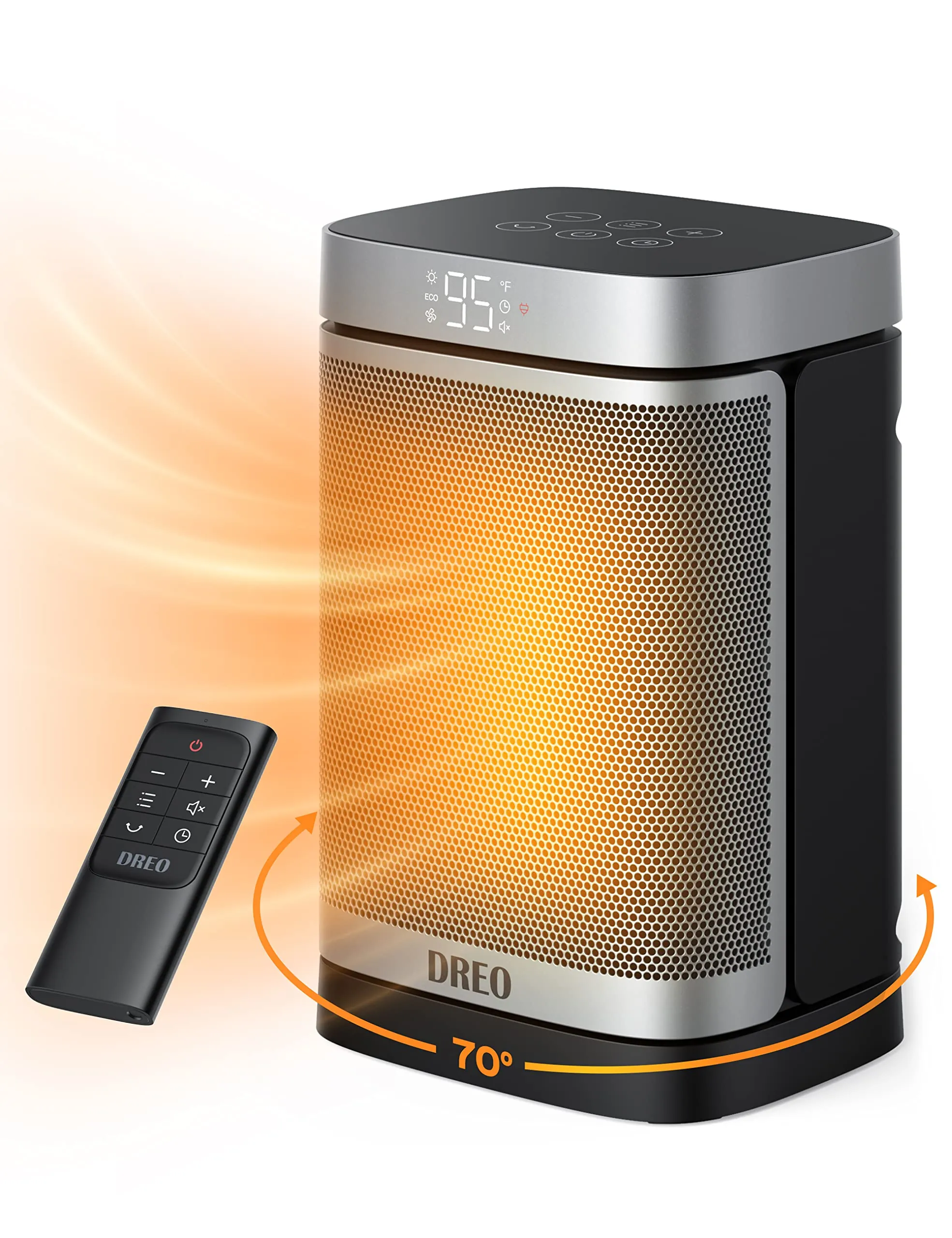
Design is a major separator. The DR-968 has a cabinet look (cherry finish) with a larger footprint and wheels, which some people like as “furniture-style” and others may find dated. The DREO is a modern, small tower that fits almost anywhere and is easier to tuck beside a bed or desk. For bedroom darkness, note that DR-968’s display brightness is a known annoyance for some users.
Capacity here mainly means coverage. The DR-968 is rated for a larger area (576 sq ft) and is more plausible for medium rooms when insulation is decent. The DREO is rated for about 200 sq ft, aligning better with bedrooms, offices, and small living areas. If you’re heating an open-plan space, either heater may need help from your main heating system.
The DREO heater is dramatically more space-efficient: it has a small footprint that fits beside beds, under desks, or in corners without feeling bulky. The DR-968 takes more floor space and has a cabinet shape that’s less flexible for tight layouts, though it can blend into a room like small furniture. If you live in a flat, dorm, or compact bedroom, DREO is easier to accommodate.
Noise is a strength for both. DR-968 is frequently described as extremely quiet and sleep-friendly, and its published noise level is low for a blower-style heater. DREO is also widely praised for quiet running (with a low published dB claim) and is commonly used in bedrooms and offices without being distracting. If your priority is the quietest possible small-room unit, DREO has a slight spec advantage, but both are strong.
The DR-968 is repeatedly praised for its solid cabinet construction with minimal plastic and a metal inner housing, which can feel more robust than many small heaters. The DREO tower is described as nicely finished, but it is a lighter, compact design that may not feel as substantial. If you prioritize a heavier, sturdier unit meant to live in one room for years, the DR-968 has the clearer build-quality advantage.
The DR-968’s heavier cabinet build and repeated buyer comments about solid construction suggest better long-term durability, especially for a heater that stays in one spot or gets rolled around the house. The DREO heater is lightweight and compact, which is great for handling and storage, but long-term durability signals are weaker due to reported one-year failures. For multi-season ownership confidence, DR-968 is the safer bet based on provided data.
Maintenance is manageable on both. DR-968 includes a filter described as “lifetime” in specs and owners mention it being easy to remove and clean; general care is mostly keeping airflow paths clear and using the thermostat modes appropriately. DREO includes a detachable filter and owners note that keeping it clean is important for safe, consistent operation. If you prefer less “fiddling,” DR-968’s rolling cabinet format is simple, while DREO’s small intakes may need more frequent attention in dusty rooms.
Portability depends on how you move a heater. The DR-968 is heavier, but its caster wheels make it easy to roll between rooms without lifting. The DREO is far lighter and compact, so it’s easier to carry upstairs, place on a shelf or near a desk, and store in a cupboard. For multi-floor homes or frequent carrying, DREO is more convenient; for same-floor moves, DR-968 rolls well.
The DR-968 focuses on practical heater features: a thermostat with auto cycling, high/low settings, a 12-hour timer, and caster wheels, plus a “lifetime” filter noted in specs. The DREO model is more feature-dense for its size, offering 70° oscillation, 5 modes, a detachable filter, and a wider digital thermostat range. Both include remote controls, but DR-968’s timer reliance on the remote is a recurring usability complaint.
Both heaters are standard 1500W class devices, so savings mostly come from using them to heat the room you’re in rather than the whole home. The DR-968’s auto mode cycles between heat levels to maintain temperature, and buyers often mention using it to reduce reliance on baseboard or central heat. The DREO’s ECO mode is designed to adjust output automatically to reach a set temperature. Real operating cost will still depend on runtime and room conditions.
Value looks different for these two. The DREO heater’s very low upfront price combined with oscillation, a wide thermostat range, and strong day-to-day satisfaction makes it an easy recommendation for small rooms—provided you’re comfortable with some reported long-term failures. The DR-968 costs more, but buyers often justify it with sturdier construction, wheels, and a larger stated coverage rating that can better support medium rooms. If you want the lowest buy-in cost, DREO wins; if you want a more “buy once, keep for years” feel, DR-968 can make sense.
Based on the provided data, both products have large review volumes and strong average ratings, which indicates broad market acceptance. The DR-968 also highlights UL certification and has user feedback describing responsive (but sometimes slow) support and available repair guidance. DREO provides clear manufacturer contact hours in the listing and is frequently described as well-finished, but brand trust is tempered by more reported long-term failures. With the information given, DR-968 earns slightly more confidence for longevity.
Customer sentiment is very positive for both, with high star ratings and extremely large review counts. DR-968 buyers frequently praise quiet operation, quick heat, solid build, and perceived savings from heating targeted rooms; complaints cluster around remote/timer design, bright LEDs, and occasional support delays. DREO buyers praise fast heat, compact size, ease of use, and quiet running, with the most repeated negative theme being reliability over longer ownership (some units stopping after about a year).
Support information is limited, but there are differences in what’s provided. DR-968 has buyer feedback describing support that ultimately helped resolve an issue, though responses could be slow and repair required hands-on work. DREO lists a manufacturer phone number and support hours, but the review summary still flags reliability concerns that may drive more support needs. If responsive support is critical, confirm warranty terms and return windows before buying.
Neither heater is a universal winner because they’re optimized for different rooms. The Dr Infrared Heater DR-968 is the better choice when you want a sturdier, cabinet-style heater with wheels and a larger stated coverage rating; its main drawbacks are bulk, power-planning needs, and a timer/remote design that can frustrate some users. The DREO 1500W heater is the better small-space option, with oscillation, a wide thermostat range, and excellent ease of use in a compact tower; its main limitation is long-term reliability concerns reported by some owners.
If your priority is a compact, low-cost heater for a bedroom or desk area, pick DREO. If you want a more substantial heater for steadier medium-room comfort, pick the DR-968.
Overall winner
Depends on your needs
Both are strong picks for supplemental indoor heating, but they suit different homes. The DR-968 stands out for sturdier cabinet-style construction, strong bedroom comfort, and consistently positive reliability feedback. The DREO model stands out for compact size, oscillation, and very user-friendly controls, but some buyers report units failing after about a year.
The DREO heater is usually the better fit for small bedrooms and offices because it has a smaller footprint, a wide thermostat range, and oscillation to distribute warmth. The DR-968 can still work well in a bedroom, especially if you want a heavier, furniture-style heater, but it takes up more space.
Both are rated as very quiet and buyers frequently describe them as unobtrusive. The DR-968 is often described as a soft “white noise” with a strong blower design, while the DREO is also praised for quiet operation even when placed several feet from the bed. If you’re very light-sensitive, note that the DR-968 display is reported as bright by some users.
The DREO model has an advantage for simple daily use because it offers a clear digital thermostat and controls on both the unit and the remote, plus multiple modes and oscillation. The DR-968 is also straightforward, but one practical drawback is that the timer depends on the remote, which can be inconvenient if the remote is misplaced.
The DR-968 is rated for larger coverage and user feedback suggests it can handle medium-to-larger insulated rooms well, especially for maintaining comfort. The DREO is rated for smaller areas and is best treated as a small-room heater. For very open layouts, either model may work best as supplemental heat rather than the only heat source.
Both heaters include tip-over and overheat protection. The DR-968 is stated as UL certified and is designed with no exposed heating elements, though hot airflow and warm grilles still call for basic child/pet caution. For the DREO, buyers emphasize standard space-heater best practices, including plugging directly into a wall outlet and keeping it clear of flammables.
The DREO heater is easier to lift and store thanks to its compact tower design and lighter weight. The DR-968 is heavier, but it’s designed to roll smoothly on caster wheels, which can be more convenient for moving between rooms on the same floor.
Based on the provided buyer overview, the DR-968 trends more positive for reliability and longevity, though it may require occasional support if a component fails (one review describes a board replacement). The DREO heater performs very well day to day, but there are repeated mentions of units stopping working after about a year.
Check our rankings and expert guides to find the best home lifestyle products for your goals.