#1 Overall Winner
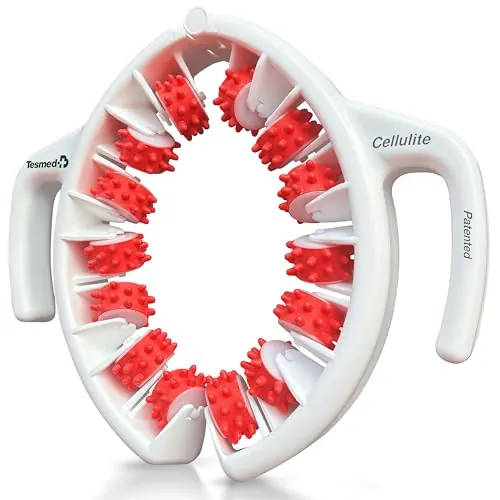
TESMED Cellulite Manual Massager
- Manual intensity control (no batteries or motor), so pressure is entirely user-controlled
Comparison
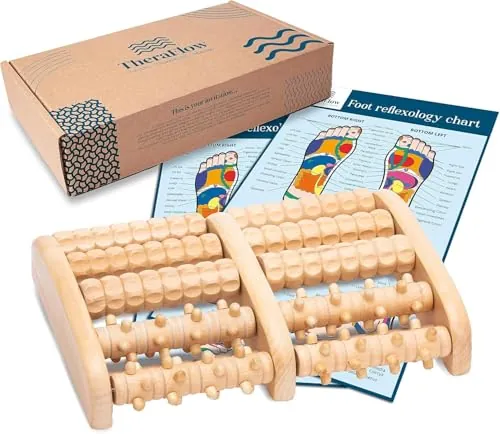
TESMED Cellulite Manual Massager and the TheraFlow Foot Roller are both manual, non-electric massage rollers, but they target very different needs. TESMED is designed for thighs, glutes, and legs with an intense rolling action that many users find effective but sometimes painful. TheraFlow focuses on foot comfort and plantar fasciitis-style relief, with especially strong feedback for easy daily use at home or under a desk.
#1 Overall Winner
Contender
Choose the TheraFlow Foot Roller if you want an easy, low-fuss way to reduce everyday foot soreness and support arch/heel comfort at home or under a desk. Choose the TESMED Cellulite Manual Massager if your priority is thighs/glutes and you want a firm, hands-on roller that many users say improves the look and feel of skin—so long as you can tolerate a more intense massage.
Overall winner
Depends on your needs
| Feature | TESMED Cellulite Manual Massager | TheraFlow Foot Roller | Winner |
|---|---|---|---|
| Category / main use | Manual anti-cellulite body roller (legs/glutes) | Manual foot roller (arches/heels/sole) | Depends |
| Price | Higher priced | Lower priced | TheraFlow Foot Roller |
| Manual control | Yes (pressure controlled by user) | Yes (pressure controlled by user) | Tie |
| Target areas | Thighs, glutes, legs; some use on abdomen | Foot, heel, arch, ball of foot, ankle | Depends |
| Perceived performance (intended use) | Often described as effective for smoother-looking skin; can be very intense | Often described as effective for foot soreness and plantar fasciitis-style relief | TheraFlow Foot Roller |
| Ease of use | Generally easy, but technique/pressure matters; can pinch for some | Very straightforward rolling motion; easy while sitting | TheraFlow Foot Roller |
| Comfort during use | Can be painful; bruising/redness reported | Usually comfortable; adjustable pressure; occasional soreness expected | TheraFlow Foot Roller |
| Noise during use | Silent in normal use | Some reports of squeaking | TESMED Cellulite Manual Massager |
| Build quality feel | Often described as sturdy and well made | Wood construction widely praised as solid/sturdy | Tie |
| Portability | Portable, cordless tool | Portable; commonly used at home/work; lightweight | TheraFlow Foot Roller |
| Maintenance | Simple to keep clean; no parts to replace mentioned | Simple wipe-down; no parts to replace mentioned | Tie |
| Safety / sensitivity considerations | Warnings for bruising; not suitable for varicose veins/fragile capillaries/nodules | General manual pressure control; fewer explicit risk notes | TheraFlow Foot Roller |
In everyday home use, both products are simple “grab-and-go” tools that don’t need charging or setup. TESMED fits best into a body-care routine focused on legs and glutes, often used for short sessions per area and sometimes paired with oil or lotion to reduce friction. TheraFlow is easier to integrate into daily life because it can live under a desk or near a sofa and be used passively while you sit, making it a more convenient choice for frequent, short sessions throughout the day.
These are comfort-focused products rather than climate devices, but they contribute differently to “feel better at home” routines. TESMED aims at firm, deep rolling for thighs and glutes and may feel more like a strong mechanical treatment than a relaxing massage, especially at first. TheraFlow is more directly tied to day-to-day comfort for people with tired feet, and reviews often describe immediate relief and relaxation after standing or walking.
For intended performance, TheraFlow Foot Roller has clearer, more consistent feedback for its primary job: reducing foot soreness and supporting arch/heel comfort. Many reviews describe noticeable relief after use and good results with a simple daily routine. TESMED also gets a lot of positive reports for improving the look and feel of skin and supporting circulation, but outcomes appear more variable because comfort tolerance and technique matter; several users note bruising or painful pinching when pressure is too aggressive. If performance means “reliable relief with minimal downsides,” TheraFlow has the advantage.
TheraFlow’s reliability profile looks strong: it’s a simple manual wooden roller with very high buyer satisfaction, and the most common “issue” is squeaking rather than failures. TESMED is also a simple manual device, but reliability in practice is more tied to user experience—some people find it consistently effective, while others report repeated pinching that makes it hard to use regularly. Neither product has electronics to fail, so long-term reliability largely comes down to mechanical wear and whether the design remains comfortable enough to keep using.
TESMED includes clear safety guidance: deep mechanical massage can cause redness or bruising, and it’s not recommended in cases of varicose veins, fragile capillaries, or nodules. Reviews reinforce that bruising can happen if you press too hard, so starting gently and increasing gradually is important. TheraFlow is generally lower risk because you can modulate pressure with your feet and stop immediately if it’s too intense; the main caution is not to overdo pressure on already inflamed or very sensitive feet. Neither product is water resistant, so care is needed around wet floors or shower use.
TheraFlow is the more comfort-forward tool: you can start with light pressure and gradually increase, and many users describe it as relaxing and relieving after long days on their feet. TESMED is more of an “intense treatment” feel. While plenty of users like the firm massage, comfort feedback is mixed, and bruising or soreness is a recurring theme when pressure is too strong or skin is sensitive. For comfort-first households, TheraFlow is usually the safer bet.
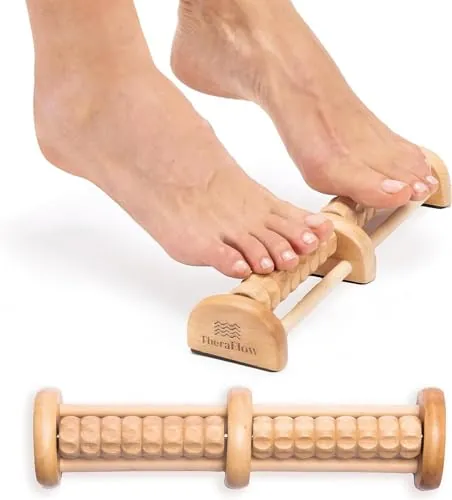
TheraFlow is easier for most people day to day: place it on the floor and roll your feet, adjusting pressure naturally. It’s also commonly used while watching TV or working, which lowers the barrier to consistency. TESMED can be quick to use, but it requires more attention to positioning and pressure to avoid pinching or bruising, and some users find it uncomfortable until they build tolerance or use it with lotion/oil.
TESMED’s design is wrap-around and adjustable, letting you treat larger zones like thighs and glutes with long strokes; that shape is useful for areas that are awkward to reach by hand. TheraFlow’s design is more stationary: a compact floor roller you use while seated, which suits desks and living rooms and makes it easier to keep using daily. The main design complaint for TheraFlow is occasional squeaking, while TESMED’s design can be polarizing because the gripping action can feel too intense for sensitive skin.
In “coverage” terms, TESMED is built to span larger body areas, with an adjustable width up to 15 inches that helps cover more of the thigh/glute region quickly. TheraFlow’s effective area is the size of the roller platform, intended to work across the sole from heel to toe, and reviews suggest it accommodates larger feet as well. If you need broad coverage on legs, TESMED fits better; if you want targeted coverage for arches and heels, TheraFlow is the more appropriate format.
TheraFlow is more space-efficient for most homes because it can live under a desk or beside a sofa without taking up usable surface area. TESMED is still easy to store, but it’s larger in shape and more likely to be kept in a drawer, bathroom shelf, or gym bag. If you want something that’s always within reach in a small flat or home office, TheraFlow fits more naturally.
TESMED is effectively silent during normal use since it’s a hand-powered roller with no moving parts that contact a floor surface. TheraFlow is still quiet overall, but multiple reviewers mention squeaking during use, especially when pushing hard. If you’re using a massager late at night near other people, TESMED has the advantage for noise-sensitive homes.
Both products are generally viewed as well built. TESMED is often described as sturdy and not flimsy, with rollers that feel solid during use. TheraFlow’s wooden construction is repeatedly praised for feeling durable and substantial, and users commonly describe it as stable on the floor. Material preference is personal: wood can feel more “grounded,” while TESMED’s wrap-style plastic/roller assembly is designed for larger body areas and adjustability.
Both tools are built for repeated manual use without batteries or motors. TheraFlow’s solid wood construction is frequently described as sturdy and suitable for daily routines. TESMED also receives strong “well made” feedback, but because it’s used with higher pressure and a gripping action, durability perception may depend on how aggressively it’s used over time. Based on user sentiment, neither appears fragile, but TheraFlow’s simpler structure may give it a slight edge for long-term daily use.
Maintenance is low for both. TESMED users often mention it’s easy to clean and store, and many prefer using it with oil or lotion (which may mean wiping it down after sessions). TheraFlow typically just needs a wipe to keep it clean, and many people use it barefoot, so it’s best treated as a personal item for hygiene. Neither product involves replaceable parts, charging, or regular servicing based on the provided information.
Both are portable, cordless, and easy to move around the home. TheraFlow is particularly convenient to carry to work or keep under a desk because it’s a compact floor tool you can use while seated. TESMED is also travel-friendly and stores easily, but it’s more likely to be used in a dedicated body-care moment (for legs/glutes) rather than casually during desk time.
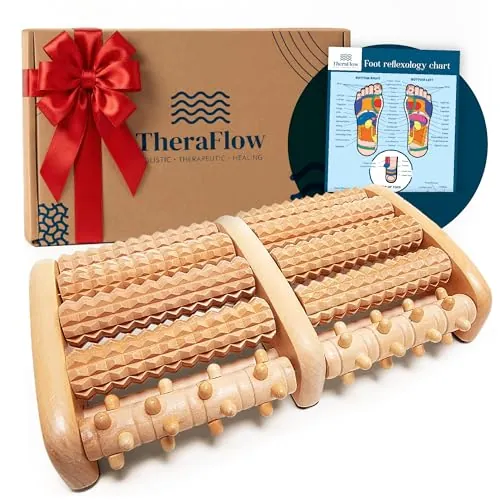
TESMED’s standout feature is its patented roller mechanism (converging then diverging rollers) and its adjustable width, which helps it fit and cover larger areas like the full thigh. TheraFlow keeps features simple but practical: multiple textured rows (ridged rows plus reflexology nubs) designed to vary pressure across the sole, and a stable base for controlled use. Neither product includes powered features (heat, vibration, programs), so the main “features” are the roller textures, format, and how easily you can control intensity.
TheraFlow is the more efficient option for many households because it’s easy to use while doing something else (watching TV, working at a desk), which makes frequent short sessions realistic. TESMED is also time-efficient in that it’s designed for quick passes over large areas, but it can require more deliberate technique and a gradual ramp-up to avoid bruising, which may reduce how consistently some users stick with it. Neither product has ongoing power costs.
TheraFlow is the stronger value choice for most shoppers: it’s lower priced, has extremely high review volume and satisfaction, and is repeatedly compared favorably to paid foot massages or expensive electric devices. TESMED can still be good value if cellulite appearance and firm leg/glute massage are your main goals, and many users do report visible improvements with consistent use. However, its value depends more on your comfort tolerance, because bruising or pinching complaints can limit how much use you get from it.
Based on provided data, both brands have substantial buyer feedback behind these specific products. TheraFlow shows especially consistent satisfaction across a very large review base, which supports confidence in what you’re likely to experience. TESMED also has strong overall sentiment and many reports of effectiveness, but there’s a clearer split between users who like intense pressure and those who find it too painful. Neither listing provides detailed support policies beyond basic product information.
TheraFlow Foot Roller shows exceptionally strong customer satisfaction, with a very large number of reviews and frequent comments about immediate relief, everyday usefulness, and strong value. Complaints are relatively minor and repeat mostly around squeaking. TESMED also has high satisfaction overall, with many reports of smoother-looking skin, better circulation, and solid build quality. The main negative theme for TESMED is discomfort: bruising is commonly mentioned, and a smaller set of users describe painful pinching that affects usability.
Only TheraFlow includes a warranty/support score signal in the provided data, but no specific warranty terms are listed. If warranty coverage matters, check the retailer’s return window and the manufacturer’s warranty details before buying. For both products, consider how easy it is to get a replacement if you receive a defective unit or if noise/comfort issues make it unsuitable.
TheraFlow Foot Roller is the clearer overall winner for most households because it delivers consistent, easy-to-access relief for tired feet with very strong buyer satisfaction, excellent ease of use, and a low-effort routine that fits into everyday life. Its main limitations are that it’s a basic manual tool (no heat/vibration) and some users report squeaking.
TESMED Cellulite Manual Massager is the better choice if you specifically want a cellulite-focused body roller for thighs and glutes and you’re willing to use it consistently and carefully. Its strengths are the adjustable wrap design and strong reports of smoother-looking skin, while its biggest drawback is comfort—bruising, soreness, or pinching can be an issue if pressure is too aggressive or skin is sensitive.

Overall winner
Depends on your needs
They’re designed for different problems. TESMED is aimed at thighs/glutes/legs for an anti-cellulite, deep mechanical rolling approach, but it can be uncomfortable and may bruise if you overdo pressure. TheraFlow is focused on foot comfort (arches/heels) and gets stronger feedback for simple, daily pain-relief routines, with fewer comfort complaints overall.
TheraFlow is the more relevant choice because it’s specifically designed for the heel, arch, and full sole, and reviews frequently mention plantar fasciitis-style relief and reduced soreness after standing. TESMED targets legs and glutes and isn’t positioned as a foot-focused plantar fasciitis tool.
TheraFlow tends to be the more comfortable option for most households because you can gently roll and increase pressure as needed, and overall feedback emphasizes relief and relaxation. TESMED is commonly described as intense; multiple reviewers mention pain or bruising, and one reviewer reports pinching that made it unusable for them.
No. Both are manual tools with no batteries, no motor, and no charging. That keeps daily use simple, reduces setup hassle, and makes them easy to keep by a sofa, desk, or bathroom area—just note neither is rated as water resistant, so wet-use is at your own risk.
TheraFlow is typically easier for quick, low-effort use because you can roll your feet while sitting at a desk or watching TV, and many reviewers describe it as straightforward. TESMED can be quick too (it’s designed for short sessions), but it may require more technique and pressure management to avoid discomfort.
TheraFlow is better suited to small spaces and office routines because it works well under a desk as a foot roller/foot rest-style tool and stores easily. TESMED is also portable, but it’s more of a wrap-around roller for legs and is less naturally suited to under-desk use.
TESMED explicitly warns that deep mechanical massage can cause redness or bruising and advises against use with varicose veins, fragile capillaries, or nodules; starting gently is important. TheraFlow is generally used with controlled pressure underfoot; reviews mention soreness relief, with the main annoyance being occasional squeaking rather than skin sensitivity issues.
TheraFlow is priced lower and is frequently described as a strong-value alternative to more expensive foot-massage options, with very high overall satisfaction. TESMED costs more, but it targets a different outcome (cellulite appearance/skin feel) and covers larger body areas; value depends on whether that’s your priority.
Check our rankings and expert guides to find the best home lifestyle products for your goals.