#1 Overall Winner
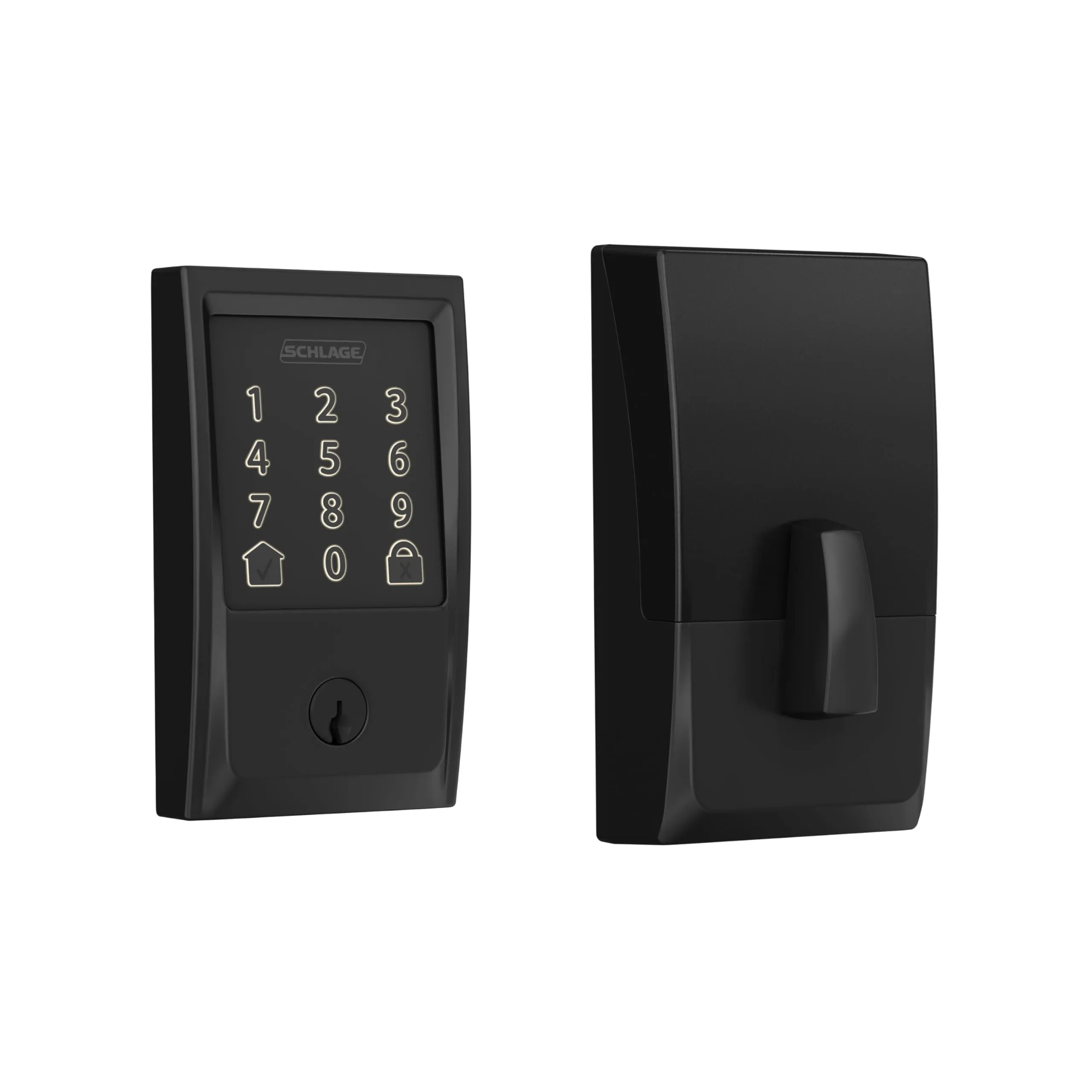
Schlage Encode Smart Wi-Fi Deadbolt Lock with Touchscreen Keypad (BE489WB CEN 622)
- Built-in Wi‑Fi for remote control without a separate hub.
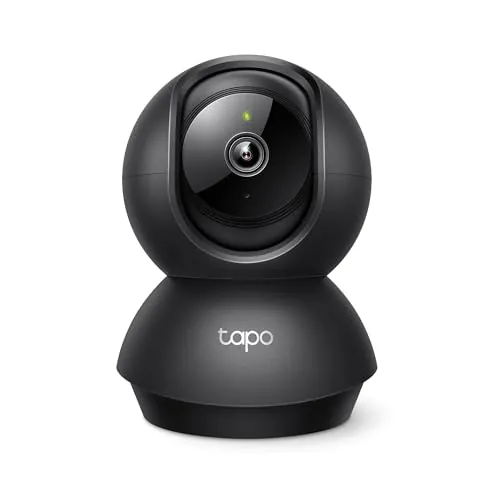
Comparison
Schlage Encode and Tapo C201 are both Wi‑Fi smart home security devices, but they handle very different jobs: one controls door entry, the other provides indoor video monitoring. Choose the Schlage smart lock if you need keyless access codes and remote locking, and pick the Tapo camera if you want low-cost pan/tilt coverage, alerts, and local recording options.
#1 Overall Winner
Contender
Pick Schlage Encode if you want keyless entry, remote lock/unlock, and access code management for a primary door or rental. Pick Tapo C201 if you want low-cost indoor monitoring with pan/tilt, alerts, and local recording. If you can only buy one, decide whether your bigger risk is uncontrolled entry (lock) or lack of visibility indoors (camera).
Overall winner
Depends on your needs
| Feature | Schlage Encode Smart Wi-Fi Deadbolt Lock with Touchscreen Keypad (BE489WB CEN 622) | Tapo 1080P Indoor Pan/Tilt Wired Security Camera (C201) | Winner |
|---|---|---|---|
| Product type | Wi‑Fi smart deadbolt with touchscreen keypad | Indoor Wi‑Fi pan/tilt security camera | Depends |
| Typical use | Front/side door entry management | Indoor monitoring (baby/pet/security) | Depends |
| Power source | 4×AA batteries | Corded electric | Depends |
| Remote access | Lock/unlock, codes, history via app | Live view, alerts, audio via app | Tie |
| Voice assistant support | Alexa, Google Assistant (listed) | Alexa, Google Assistant (listed) | Tie |
| Installation approach | Door hardware replacement; screwdriver install (listed) | Plug-in; optional wall mount with included hardware (listed) | Depends |
| Access sharing | Up to 100 access codes (listed) | Not an access-control device | Schlage Encode Smart Wi-Fi Deadbolt Lock with Touchscreen Keypad (BE489WB CEN 622) |
| Monitoring coverage | Door status/activity; no video | Pan/tilt room coverage; 1080p video (listed) | Tapo 1080P Indoor Pan/Tilt Wired Security Camera (C201) |
| Local storage | Lock history in app (no video storage listed) | microSD local recording up to 512 GB (listed) | Tapo 1080P Indoor Pan/Tilt Wired Security Camera (C201) |
| Notifications/detection | Customizable notifications; alarm for movement/forced entry (listed) | Motion/person/baby-cry detection alerts (listed) | Depends |
| Connectivity feedback | Mixed; some disconnections reported | Mixed; some disconnections reported | Tie |
| Two-way communication | Not applicable | 2-way audio (lag reported by some) | Tapo 1080P Indoor Pan/Tilt Wired Security Camera (C201) |
| Portability | Installed on a door; not portable | Small indoor camera that can be moved between rooms/outlets | Tapo 1080P Indoor Pan/Tilt Wired Security Camera (C201) |
| Upfront value | Higher price smart lock | Very low-cost indoor camera | Tapo 1080P Indoor Pan/Tilt Wired Security Camera (C201) |
In everyday home use, Schlage Encode changes how you enter and leave the house: you can use codes instead of keys, check lock status remotely, and let visitors in without being home. Tapo C201 changes how you observe your home: you can check in on a room, get motion-based alerts, and use 2-way audio to communicate. For many homes, the best setup is using the lock for entry control and the camera for indoor awareness—just be mindful that both can be affected by Wi‑Fi weak spots.
For their main purposes, both products perform strongly on paper and in many buyer experiences. Schlage Encode’s performance is about consistent locking/unlocking, responsive app control, and dependable keypad entry; many owners report smooth day-to-day use, though there are recurring mentions of connectivity drops and some units failing early, which can undermine performance if it happens to you. Tapo C201’s performance centers on clear 1080p video, effective pan/tilt coverage, and useful alerts; reviews frequently praise image quality and monitoring, with the main performance knocks being occasional disconnects and some lag in two-way audio.
Reliability is mixed for both, but the impact differs. For Schlage Encode, reliability issues can be higher-stakes because it’s a primary entry device; buyer summaries mention some units that stop working within a couple of months and mixed reports on auto-lock and battery drain. For Tapo C201, reliability complaints tend to focus on disconnects or the camera stopping working for some users, which is frustrating but usually doesn’t block physical access to the home. If you rely on either for remote management, plan for occasional troubleshooting and ensure strong Wi‑Fi coverage.
Schlage Encode is focused on preventing and detecting door-related events through lock status, activity history, and its built-in alarm features (as listed). Tapo C201 is focused on seeing and recording what happens inside a room, with motion/person/baby-cry alerts and night vision. Neither replaces a whole-home security system on its own, but each covers a different layer: Schlage for access control, Tapo for indoor evidence and real-time visibility.
For security monitoring, Schlage Encode focuses on the doorway: you can monitor lock status, view history, and rely on features like its built-in alarm for movement/forced entry attempts (as listed). Tapo C201 focuses on what happens indoors: motion/person/baby-cry alerts, night vision, and the ability to record to microSD or cloud. If you want evidence and a visual check-in, the camera has the advantage; if you want to reduce unauthorized entry risk and manage codes for guests, the lock is more directly protective.
With Schlage Encode, safety is closely tied to reliable door operation. Features like its built-in alarm and encrypted connection are intended to improve security (as listed), but it’s important to account for real-world reports of fast battery drain or units failing early—both can create stressful situations if they occur. Keeping fresh batteries available and ensuring the deadbolt alignment isn’t binding can reduce issues. With Tapo C201, safety concerns are more about appropriate indoor placement and responsible monitoring; it’s corded, so cable placement should avoid trip hazards, especially around kids and pets.
Schlage Encode can improve day-to-day comfort by removing the need to carry keys, enabling auto-locking, and letting you confirm lock status from bed or while away. Tapo C201 improves peace of mind in a different way: checking on pets, kids, or a room when you’re not there, and getting alerts when motion is detected. If “comfort” means smoother arrivals and departures, the lock helps more; if it means reassurance through visibility, the camera provides more benefit.
Both are generally described as easy to use, but in different ways. Schlage Encode is often praised for simple installation and user-friendly programming, especially when replacing an existing deadbolt, though door fit and alignment can make it harder for some. Tapo C201 is typically plug-in, app-pair, and place (with optional mounting), and buyers often describe the app as straightforward. For non-technical users, Schlage’s keypad entry is intuitive once installed; Tapo’s daily use is mostly checking live view and responding to alerts.
Schlage Encode is designed to blend into a front door setup with a clean touchscreen keypad and standard deadbolt form factor, which can look cohesive with matching door hardware. Tapo C201 has a compact indoor camera shape intended for shelf placement or wall mounting; its pan/tilt design is practical for room coverage but may need thoughtful placement to avoid being bumped or moved. Design preference largely depends on where it will live: on a prominent exterior/interior door vs inside a living space.
Both are space-friendly, but in different ways. Schlage Encode uses no floor or counter space because it lives on the door, which is ideal for small homes where you don’t want extra devices sitting out. Tapo C201 has a small footprint and can be shelf-placed or wall-mounted, and its pan/tilt can reduce the need for multiple cameras in a single room. For the smallest living spaces, a door-mounted solution is naturally unobtrusive, while a compact camera is easy to tuck into a corner.
Noise is generally a minor factor for a smart lock, and Schlage Encode is unlikely to be disruptive in most homes beyond normal lock actuation sounds. Tapo C201 can be more noticeable because it may be used for 2-way audio, siren, and pan/tilt movement; several buyers mention audio lag rather than loudness, but it’s still an active indoor device. For bedrooms and nurseries, consider whether camera motion, alerts, or two-way audio use could be distracting.
Schlage Encode is designed for a screwdriver-only installation with no hardwiring, and many users report it’s quick when replacing an existing deadbolt. However, a few reviews indicate door thickness/alignment and retrofit fit can create real friction and may require minor modifications. Tapo C201 is generally simpler: plug in, pair to the app, and place it, with optional wall mounting using included hardware. If your door is standard and existing holes line up, Schlage can be very approachable; if you want the least mechanical work, Tapo is the easier install.
Schlage Encode uses a metal (zinc) construction and is positioned as a robust door hardware product, and many owners describe it as high quality. That said, buyer feedback also includes durability concerns with some units breaking or failing within months, which is important given it’s a primary entry device. Tapo C201 is a lighter indoor camera; reviews often say the hardware feels good for the price, but it’s not intended to take the physical wear a door lock does. If physical toughness at an entry point is the priority, Schlage is the more purpose-built product type.
Schlage Encode is built as door hardware and uses metal construction, but durability feedback is not uniformly positive—some owners report breakage or failure within months, so long-term experience can vary. Tapo C201 is lightweight indoor equipment; users often feel it’s well made for the price, and durability concerns appear less central than connectivity or feature quirks like audio lag. If the device will be touched daily and exposed to more physical use, the lock’s mixed durability reports are worth weighing carefully.
Schlage Encode maintenance is mostly battery management plus occasional cleaning of the touchscreen and ensuring the bolt alignment is smooth (binding can worsen battery life, as one reviewer notes). Tapo C201 maintenance is mainly keeping the lens area clean, ensuring stable Wi‑Fi, managing firmware updates, and handling storage—either buying/maintaining a microSD card or choosing an optional cloud plan. If you want minimal ongoing tasks, Tapo avoids battery swaps; if you want minimal storage decisions, Schlage is simpler.
Schlage Encode is essentially not portable once installed; moving it means uninstalling door hardware and reinstalling elsewhere. Tapo C201 is much more portable in practice because it can be moved room to room wherever there’s power and Wi‑Fi, and some users even mention packing it for travel use. If you want a device you can reposition as needs change (nursery today, pet area tomorrow), the camera is the clear choice.
Schlage Encode’s features are access-focused: keypad entry, managing many user codes, lock history, customizable notifications, and auto-lock options, plus a built-in alarm feature (as listed). Tapo C201’s features are monitoring-focused: pan/tilt viewing, motion/person/baby-cry detection alerts, night vision, 2-way audio, a siren, and storage choices (microSD or optional cloud). If you need control over who can enter and when, Schlage’s feature set is more relevant; if you need visibility and recordings, Tapo’s feature set is.
Both apps are generally described as user-friendly. Schlage Home is centered on access control—codes, lock history, and notifications—and many users find it responsive, though some frustration appears when connectivity or battery issues interrupt normal use. The Tapo app is commonly described as easy to navigate and practical for viewing, alerts, and recordings; however, buyers do mention two-way talk delay at times, and cloud features are optional. If you want fewer ongoing decisions, Schlage is mostly “manage codes and lock events,” while Tapo involves choices around storage (microSD vs cloud).
Both products support Alexa and Google Assistant (as listed), but their smart-home roles differ. Schlage Encode fits into routines around arrivals, departures, and guest access, with app-based code management and lock history. Tapo C201 fits into monitoring routines—checking a live view on a smart display, receiving notifications, and using audio/siren features when needed. If you want the “smart home” to manage entry, the lock matters more; if you want smart alerts and indoor visibility, the camera does.
Schlage Encode’s smart-home value is strongest for entry routines—creating codes for visitors, managing multiple locks, and using voice assistants for convenience (where supported in your setup). Tapo C201’s smart-home value is strongest for monitoring workflows—getting notifications, viewing a live stream on a screen via Alexa/Google, and using audio/siren features as needed. Both can be part of a simple security stack, but their automations revolve around different triggers: door access vs motion and indoor activity.
Schlage Encode’s most practical automation is auto-lock with configurable delay options, helping households avoid accidentally leaving the door unlocked. Tapo C201’s automation is more about detection-driven behavior: alerts for motion/person/baby crying and features tied to monitoring. If you want hands-off “secure the door behind you,” Schlage is the clearer automation tool; if you want hands-off “tell me when something is happening,” Tapo is the better fit.
Both devices depend on 2.4GHz Wi‑Fi and both receive mixed connectivity feedback. Schlage Encode can be convenient because it connects directly to Wi‑Fi without a separate hub, but some users report frequent disconnections that can affect remote control and notifications. Tapo C201 is also reported as easy to set up by many, yet some users still experience dropouts. In either case, reliable coverage near the door/camera location is critical, and weak signal areas can create most of the “it went offline” complaints.
Efficiency looks different here. Schlage Encode’s “running cost” is mainly battery consumption; reviews are mixed, with some users reporting months of life and others replacing batteries very frequently. Tapo C201 is corded, so there’s no battery maintenance, but it does require constant power and (optionally) ongoing cloud subscription costs if you choose that route. If you want to avoid battery swaps, the camera’s corded design is simpler; if you want a lock that still works through brief power outages, batteries can be an advantage.
Both products involve apps and Wi‑Fi connectivity, so account access and notifications are privacy-relevant. Schlage Encode emphasizes an encrypted connection (as listed) and stores lock activity in the app, which can be sensitive information in a rental or shared household. Tapo C201 is a camera, so privacy stakes are higher: it offers local storage via microSD or optional cloud storage, and your choice affects who can access footage and how it’s retained. For either device, use strong passwords and keep firmware/apps updated.
Value depends on what you’re trying to accomplish. Tapo C201 is extremely strong value for indoor monitoring: clear 1080p video, pan/tilt, night vision, and local recording support at a very low purchase price, with optional cloud if you want longer history. Schlage Encode is far more expensive, but it delivers a different kind of value—keyless entry, code management (including many codes), and remote door control that can replace locksmith visits or key handoffs for some households. If you only need visibility, the camera is better value; if you need secure, managed entry, the lock’s higher cost can be justified.
Schlage is positioned as an established lock brand with long category experience (as stated in the listing), which can matter when you’re trusting a device on a primary entry. However, brand trust also depends on unit consistency, and buyer feedback includes some reliability and durability complaints. Tapo (TP-Link) is widely used in budget-friendly smart home gear, and customer satisfaction is very high here, though mixed connectivity feedback suggests experiences can vary by Wi‑Fi environment. For both, long-term trust is helped by stable firmware/app support and clear troubleshooting resources.
Both products are well-reviewed with large review counts, but the overall tone differs. Schlage Encode gets a lot of praise for easy installation, strong features, and useful access-code management, with repeated complaints centering on disconnects, battery drain, and occasional early failures. Tapo C201 is frequently praised for image quality, coverage, easy setup, and value, with recurring negatives around disconnections for some users and 2-way audio delay. If you want the most consistently “happy for the price” sentiment, Tapo stands out; Schlage satisfaction is strong but more polarized by reliability/battery experiences.
Tapo C201 is the stronger overall purchase for many shoppers because it delivers clear indoor monitoring, pan/tilt coverage, and flexible storage at a very low price, backed by very high customer satisfaction. Its main limitations are occasional Wi‑Fi disconnects and some two-way audio lag.
Schlage Encode is the better choice when you specifically need door access control: keypad entry, app-based code management, remote lock/unlock, and security-oriented features like its built-in alarm (as listed). The key drawbacks are mixed reports on connectivity, battery drain, and some early failures. Neither replaces the other—pick the device that matches the security layer you need most.
Overall winner
Depends on your needs
They solve different problems: Schlage Encode is about controlling and tracking door access, while Tapo C201 is about indoor video monitoring and alerts. If you need keyless entry and remote locking for a front door or rental, Schlage is the more direct fit. If you want inexpensive indoor visibility with pan/tilt and local recording options, Tapo is the better match.
The Schlage Encode is designed to connect directly to your home Wi‑Fi without an extra hub for remote control through the Schlage Home app. The Tapo C201 also connects via Wi‑Fi and uses the Tapo app. Both depend on a stable 2.4GHz Wi‑Fi network for the most consistent remote access and alerts.
Schlage Encode is usually the more relevant choice for rentals because it supports keyless entry with multiple access codes and app-based management for guests. Tapo C201 can help monitor an indoor area, but you’ll want to consider placement and privacy expectations for guests. For most hosts, access control at the door is the core requirement.
Buyer feedback commonly describes both as easy to set up, but the type of setup differs. Schlage Encode installs on a door like a deadbolt replacement and is often described as straightforward with clear guidance, though fit can vary by door. Tapo C201 is generally plug-in and app-pairing, with wall mounting optional.
Both products get mixed connectivity feedback, with some owners reporting disconnections. Schlage Encode users also mention reliability variation over time, including some units that stop working after a few months. With either device, strong 2.4GHz coverage at the door/camera location is important, and reducing Wi‑Fi dead zones can help.
Schlage Encode runs on AA batteries, and owners report mixed battery life experiences, so there can be ongoing battery replacement costs. Tapo C201 is corded, but if you want cloud video history you may need an optional subscription; otherwise, local recording requires buying a microSD card separately. Your preferred storage approach will shape long-term cost.
Tapo C201 supports local recording to a microSD card (up to 512 GB listed), which can reduce reliance on a cloud plan. Schlage Encode doesn’t use video storage; instead it focuses on lock history and notifications through its app. If recording footage is a priority, the camera is the more suitable device type.
Both can work well in small homes, but for different reasons. Tapo C201 is compact and can cover a room with pan/tilt, which suits flats and small apartments. Schlage Encode doesn’t take up room space beyond the door, so it’s also space-friendly, but it’s a higher-cost purchase focused specifically on entry control.
Check our rankings and expert guides to find the best home lifestyle products for your goals.