#1 Overall Winner
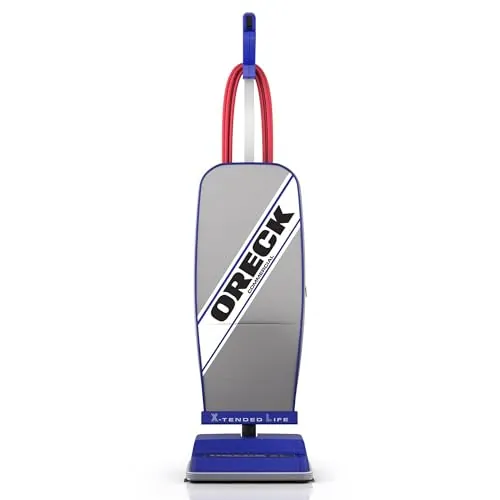
Oreck Commercial XL Vacuum Cleaner (XL2100RHS)
- Very lightweight upright design that’s easy to carry between rooms and up stairs
Comparison
The Oreck Commercial XL and Stanley SL18116P target different cleaning needs: the Oreck is a lightweight bagged upright built for routine floor cleaning, while the Stanley is a compact wet/dry shop vac designed for mixed messes and utility jobs. Choose the Oreck if you mainly want strong carpet pickup with simple bag changes. Choose the Stanley if you want wet pickup, attachments for cars and corners, and a blower function at a much lower price.
#1 Overall Winner
Contender
Pick the Oreck Commercial XL for lightweight, everyday carpet-focused cleaning with simple bag changes—especially in multi-floor homes. Pick the Stanley SL18116P if you want one vacuum for garage, car, renovation dust, and wet spills, plus a set of attachments and a blower function at a much lower price. Both are commonly described as loud.
Overall winner
Depends on your needs
| Feature | Oreck Commercial XL Vacuum Cleaner (XL2100RHS) | Stanley SL18116P Wet/Dry Vacuum (6 Gallon, 4 Peak HP) | Winner |
|---|---|---|---|
| Type / form factor | Bagged upright vacuum | Wet/dry canister shop vac | Depends |
| Primary strength | Carpet agitation + pet hair pickup | Wet/dry versatility + strong suction | Depends |
| Wet pickup | Not stated | Yes (wet/dry) | Stanley SL18116P Wet/Dry Vacuum (6 Gallon, 4 Peak HP) |
| Attachments included | None noted | Wands, crevice tool, floor nozzle, filters, dust bag | Stanley SL18116P Wet/Dry Vacuum (6 Gallon, 4 Peak HP) |
| Weight / carry | 9 lb (lightweight) | 13.4 lb (wheeled canister) | Oreck Commercial XL Vacuum Cleaner (XL2100RHS) |
| Capacity | 9 quarts (bag) | 6 gallons (tank) | Depends |
| Noise (real-world) | Frequently described as very loud | Often described as loud (shop-vac typical) | Stanley SL18116P Wet/Dry Vacuum (6 Gallon, 4 Peak HP) |
| Maneuverability | Light, low-profile upright; edge brushes | Four swivel casters; hose-based reach | Depends |
| Cord / reach | Long cord (35 ft listed) | 10 ft cord + 6 ft hose + wands | Oreck Commercial XL Vacuum Cleaner (XL2100RHS) |
| Hard-floor suitability | Listed for hard floor + carpet (auto height adjust) | Listed for hard floor; floor nozzle included | Depends |
| Durability feedback | Mixed; some long-lasting, some early failures; cord wear mentioned | Mostly positive, but hose break/rip complaints appear | Tie |
| Maintenance style | Bag changes; HEPA filter listed | Filters + optional dust bag; tank emptying for wet use | Depends |
| Value orientation | Higher price; specialized upright cleaning | Low price; versatile wet/dry + tools | Stanley SL18116P Wet/Dry Vacuum (6 Gallon, 4 Peak HP) |
| Best typical location | Carpeted rooms, stairs, whole-home floors | Garage, car, workshop, basement, renovation | Depends |
For everyday indoor floors, the Oreck’s upright format favors quick passes across carpet and easy transitions between rooms, helped by its low weight and automatic height adjustment. The Stanley is more of a utility cleaner: it shines for entryway grit, basement mess, and “odd jobs” where you want a crevice tool, a hose, or the option to pick up damp debris. If you want one vacuum that lives in a closet for routine house vacuuming, the Oreck is the simpler fit; if you want one that lives in the garage and handles anything, the Stanley is the more flexible tool.
Both are cleaning appliances, but they target different mess types. The Oreck is optimized for dry floor cleaning—especially carpet—using a brush roll and bagged filtration, and it’s often praised for pet hair pickup. The Stanley is better suited to mixed debris (dust, chunks, renovation grit) and is explicitly built for wet/dry cleanup, which can matter for accidental spills. If your “cleaning” includes cars, garage corners, or remodel dust, the Stanley’s attachments and tank design tend to be more practical.
Both products are widely described as strong performers for suction, but in different contexts. The Oreck Commercial XL gets especially consistent praise for deep carpet pickup and pet hair removal, helped by its high-speed brush roll and edge brushes. The Stanley SL18116P earns strong feedback for pulling up heavier debris (mud, dust, leaves) and for handling liquid pickup, which an upright like the Oreck isn’t designed around.
If your main goal is carpet results in living spaces, the Oreck’s floor-focused design can feel more purpose-built. For mixed mess and utility cleanup around the home and garage, the Stanley tends to perform better overall.
Reliability is a “watch area” for both, but the patterns differ. For the Oreck, buyer sentiment is split: many owners say it lasts for years, while others report breakage within months, especially under heavy use. Cord/plug wear is also specifically mentioned, which can affect long-term dependability.
For the Stanley, the overall feedback is very positive, but there’s a repeated complaint about hose durability (ripping/breaking early). If you choose it, treating the hose gently and avoiding sharp bends may help reduce the most commonly reported issue.
For carpet-focused cleaning, the Oreck stands out: reviewers frequently mention strong pickup of embedded dirt and pet hair, and the high-speed brush roll plus edge brushes are designed for that style of floor cleaning. The Stanley scores well for raw suction and is praised for handling mud, dust, leaves, and water—jobs where a wet/dry vac typically excels.
In short: Oreck is stronger for everyday carpet routines; Stanley is stronger for mixed debris and wet cleanup, especially in garages, basements, and cars.
Both are corded, high-suction machines, so basic safety is about mindful handling rather than special connected safeguards. With the Stanley, wet pickup adds an extra consideration: using the correct filter/setup for wet vs dry and emptying/rinsing the tank appropriately helps reduce mess and misuse. One review also notes very strong suction, so keeping small objects (hardware, toys) away from the nozzle matters.
With the Oreck, buyers mention cord wear and cable strain over time; avoiding sharp bends, not yanking the cord, and checking the plug end periodically is sensible. Both are loud, which can affect situational awareness in busy households.
Comfort here is mainly about how the vacuum feels to use. The Oreck’s biggest comfort advantage is physical ease: it’s very light, easy to carry one-handed, and less tiring on stairs and multi-floor routines. The Stanley is comfortable for garage/car work because it rolls, has a large on/off switch, and uses tools that reduce awkward reaching into tight areas.
However, both can reduce “comfort” in the home due to noise. If quiet matters more than carrying weight, neither is an ideal match based on buyer feedback.
The Oreck is easier for fast, repetitive floor cleaning: it’s very light to carry, runs with simple controls, and bag changes are straightforward. Reviewers often describe it as easy to handle and maneuver.
The Stanley is easy in a different way: it rolls on casters and includes tools that make specific tasks (like car interiors and crevices) simpler. However, swapping attachments and managing a hose can be less “grab-and-go” than using an upright on carpets.
The Oreck’s slim, low-profile upright design is built for floor coverage and storage in tight closets, and its light weight helps on stairs. Its simplicity (single-speed, minimal extras) is part of the design appeal for people who want function over add-ons.
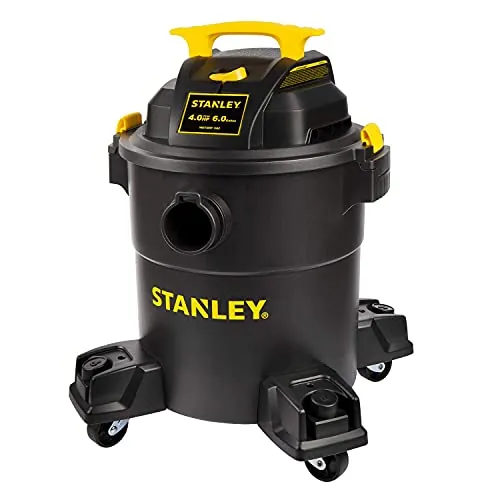
The Stanley uses a compact canister layout with a top handle, casters, and onboard tool storage. It’s easy to tuck into a garage corner and pull out for spot jobs, but it’s less streamlined than an upright for whole-house carpet vacuuming.
The two vacuums measure “capacity” differently. The Oreck uses a bag system listed at 9 quarts, which many owners like because you remove and replace the bag without dumping a dusty bin. The Stanley uses a 6-gallon tank, which is practical for bulk debris and wet pickup, though you’ll need to empty and rinse it after liquid cleanups.
If you want cleaner disposal for indoor dust, the Oreck’s bag approach is appealing. For renovation debris or wet mess, the Stanley’s tank design makes more sense.
Both are space-friendly compared with bulkier full-size machines. The Oreck’s slim upright footprint and low profile make it easy to park in a closet and slide under some furniture while cleaning. The Stanley is compact for a shop vac and is frequently praised for fitting into corners, with the added benefit of onboard accessory storage to keep tools together.
For very tight indoor storage, the Oreck’s upright shape is often easier to tuck away. For garage storage where tools matter, the Stanley’s all-in-one layout is convenient.
Noise is a weakness for both. The Oreck is repeatedly described by owners as very loud, which aligns with its commercial-upright positioning. The Stanley is also considered loud in the way many shop vacs are, though reviews often treat it as expected rather than surprising.
If you clean while others sleep, work from home nearby, or have noise sensitivity, either vacuum may be disruptive—especially in smaller spaces.
Neither vacuum requires permanent installation, but initial setup differs. The Oreck is a traditional upright with straightforward day-one use: plug in, switch on, and maintain via bag changes. The Stanley typically involves quick assembly steps (such as fitting wheels/casters and selecting the right filter for wet vs dry pickup). It also takes a bit more “setup time” in daily use because you’ll choose and attach the right nozzle or wands for each task.
Both have some mixed build-quality signals in buyer feedback. Oreck owners often describe the vacuum as a sturdy, traditional workhorse, but durability comments are split and cord/plug wear is specifically mentioned under heavy use. Stanley feedback is generally positive for the unit, yet hose quality is a recurring weak point with some reports of early tearing/ripping.
If you’re hard on equipment, either choice benefits from careful handling of the cord/hose and periodic checks of wear parts.
Long-term durability signals are mixed. The Oreck has multiple comments suggesting it can last many years, but it also has credible reports of early failures and wear at the cord/plug end under frequent use. The Stanley’s body is often described as sturdy, yet the hose appears to be the main durability weak point, with some users experiencing damage quickly.
If you want a vacuum to survive heavy-duty routines, budgeting for common wear parts (bags/filters and possibly hose/belt items) is a realistic approach with either option.
The Oreck’s maintenance is centered on bag changes, which many owners prefer because it avoids dumping a dusty canister and digging out hair. Buyers also mention the practicality of replacing wear parts like belts/brush rolls when needed.
The Stanley’s maintenance depends on the job: dry cleanup requires keeping the filter clean for strong suction, and wet pickup may require emptying and rinsing the tank. It can be used with a dust bag to keep the tank cleaner, but you’ll still manage filters and occasional tool cleanup.
The Oreck is easier to carry thanks to its low weight, which matters for stairs, multi-floor homes, and transporting it between rooms. The Stanley is heavier, but its canister design and swivel casters make it easy to roll around a garage, basement, or workshop without lifting.
If your home has lots of stairs or you store the vacuum in a closet upstairs, the Oreck is typically the more portable option. If you clean mostly on one level and want rolling convenience, the Stanley can feel easier.
The Stanley SL18116P clearly offers the broader feature set: wet/dry operation, a blower port, multiple nozzles, extension wands, and onboard accessory storage. That makes it adaptable for cars, corners, and garage jobs.
The Oreck Commercial XL is intentionally simple: a bagged upright with automatic height adjustment, a high-speed brush roll, and protective details like bumpers and a cord guard. The trade-off is fewer ways to clean above-floor areas or tight spaces since attachments aren’t included in the provided data.
With the provided data, efficiency is mostly about practical workflow rather than verified energy savings. The Oreck’s long cord and lightweight upright format can make routine vacuuming faster with fewer interruptions, and bag changes are quick. The Stanley’s efficiency advantage is versatility: one machine can switch between dry debris, wet pickup, and blowing, which can reduce the need for multiple tools during projects.
Both are corded, so they avoid battery runtime limits; the better “efficiency” depends on whether your cleaning is routine floors or project-style cleanup.
The Stanley SL18116P is hard to ignore on value: it’s priced very low while offering wet/dry capability, multiple attachments, and a blower port—features that can replace multiple cleanup tools for garages, cars, and DIY projects. That makes it a strong “utility vacuum” purchase, even with the caveat that hose durability complaints appear in reviews.
The Oreck costs more and delivers less versatility on paper, but it targets a specific value: lightweight, carpet-forward cleaning with bagged disposal that many owners find cleaner and easier. If you’ll use it often on carpets and stairs, that focus can justify the spend.
Based on the provided information, Oreck leans into a long-running vacuum heritage and a simple commercial-style design that many buyers recognize and repurchase. Stanley’s wet/dry vacuum earns very strong customer sentiment and repeat “would buy again” feedback, with a clear emphasis on practical performance for home/garage use.
Neither listing provides detailed support policies beyond basic warranty mentions, so “trust” here is best judged by consistent buyer satisfaction and how well each brand’s product matches your intended use.
Both products have large review counts and generally positive ratings, but the Stanley shows especially strong overall sentiment in the feedback provided. Buyers frequently praise its suction, versatility for garage/car/remodel tasks, and the included accessories, often calling it a strong buy for the price.
Oreck satisfaction is also high, with many comments emphasizing excellent suction on carpets and pet hair and the convenience of bags. The most repeated negatives are loud operation and mixed durability experiences (some lasting years, some failing early). Stanley’s most repeated complaint is hose durability.
Warranty details are limited in the provided data. The Stanley listing explicitly mentions a 12-month warranty. For the Oreck, a warranty/support score is present but specific terms and processes are not described in the product data shared. If warranty coverage is important, it’s worth confirming the current warranty length, what parts are covered (hose/cord/belt), and how claims are handled before buying.
The Stanley SL18116P is the clearer all-purpose winner for many households because it pairs strong suction with wet/dry versatility, useful attachments, and strong customer satisfaction at a very low price. Its main limitation is hose durability complaints, plus typical shop-vac noise.
The Oreck Commercial XL remains a strong specialist: it’s extremely lightweight, simple to use, and repeatedly praised for carpet and pet hair pickup with clean bagged maintenance. Its main drawbacks are very loud operation and mixed durability feedback (including reports of cord wear and early failures under heavy use).
If you primarily want a quick, lightweight carpet vacuum, choose Oreck. If you want a versatile cleanup tool for home + garage + car + wet spills, choose Stanley.

Overall winner
Depends on your needs
If you mainly vacuum carpets and want a lightweight upright with simple bagged disposal, the Oreck Commercial XL is typically the better fit. If you need wet/dry pickup for spills, garage debris, or renovation dust—and want attachments plus a blower port—the Stanley SL18116P is the more versatile choice. Both are corded and both are commonly described as loud.
The Oreck Commercial XL is the more carpet-focused option, using a high-speed brush roll and getting frequent praise for pulling embedded dirt and pet hair from carpet. The Stanley can pick up pet hair too, but as a wet/dry canister it’s more commonly chosen for mixed jobs like cars, garages, and debris rather than whole-home carpet vacuuming.
The Stanley SL18116P is designed for wet/dry use, so it can vacuum small liquid spills as well as dry debris. The Oreck Commercial XL is presented as a traditional upright floor vacuum with bagged filtration and a brush roll, and it is not positioned in the provided data as a wet-pickup machine.
For routine floor cleaning in living spaces, the Oreck’s lightweight upright design and automatic height adjustment can feel faster and simpler—especially on stairs and between rooms. For varied tasks (car interiors, corners, workshop mess), the Stanley’s included attachments and rolling canister design can be easier, even if you’ll spend more time swapping tools.
Neither is a quiet vacuum in typical use. The Oreck is frequently described as very noisy by buyers, which fits its commercial-upright style. The Stanley is also commonly described as loud “as normal” for a shop vac. If noise is a priority for bedrooms or late-night cleaning, either could be disruptive.
The Oreck’s bagged setup is widely appreciated because you can remove and replace the bag without dumping a dusty canister, which many owners find cleaner and simpler. The Stanley can be used with filters and (optionally) a dust bag; it’s often described as straightforward, but you’ll want to keep filters clean for performance, especially after dusty renovation work.
The Stanley SL18116P stands out for value because it’s very low priced while including attachments, wet/dry capability, and a blower function. The Oreck costs more but targets a different need: lightweight upright carpet cleaning with bagged disposal and a simple, workhorse design. Value depends on whether you need wet pickup and tools or mostly carpet performance.
Yes. Oreck buyers are split: many report long life, but others mention failures within months and cord/plug wear under heavy use. Stanley feedback is mostly positive, but several reviews mention the hose ripping or breaking quickly. If you’ll use either vacuum hard (jobsite/cleaning business), these recurring complaints are worth factoring in.
Check our rankings and expert guides to find the best home lifestyle products for your goals.