HouseholdRanker
Menu
Lasko CT16450 vs PELONIS PHF15RSAPH23

Comparison

Lasko CT16450 vs PELONIS PHF15RSAPH23

The Lasko CT16450 and PELONIS PHF15RSAPH23 are compact ceramic tower space heaters designed to warm small to medium indoor rooms quickly. Lasko focuses on simple manual controls and easy portability, while PELONIS adds a remote, timer, ECO mode, and tip-over protection for more hands-off daily comfort.

Expert tested Data driven Unbiased reviews Updated 10 June 2026
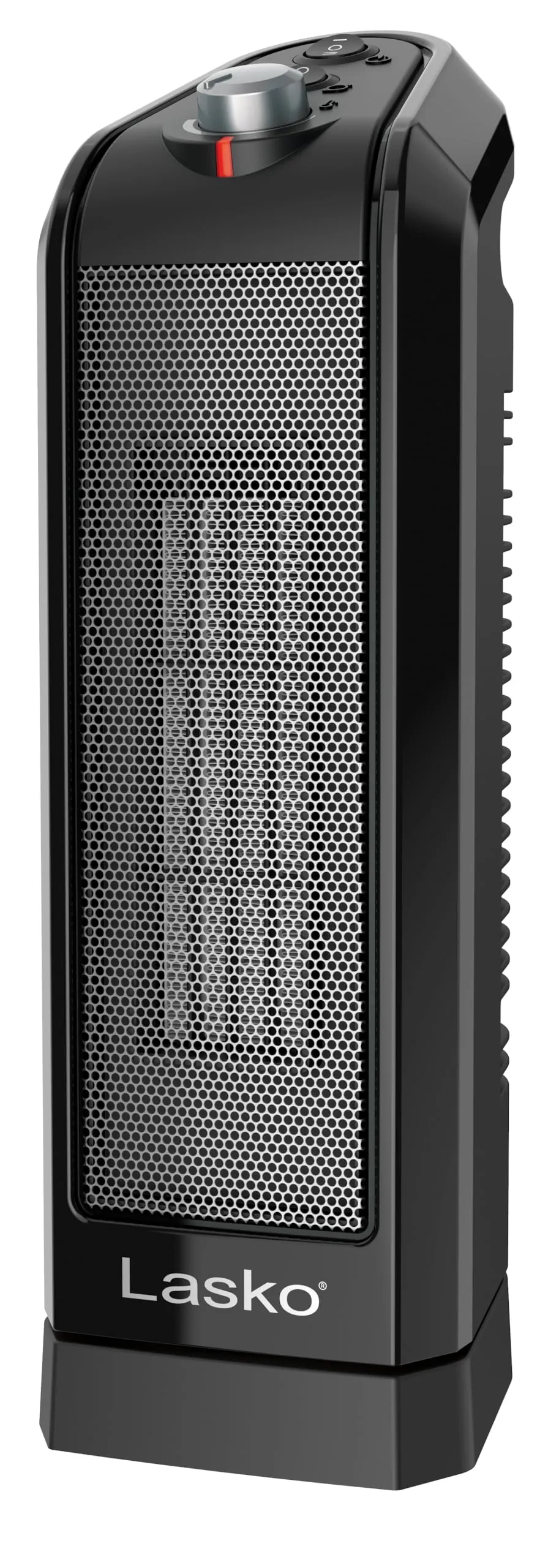
Lasko Oscillating Ceramic Tower Space Heater for Home (CT16450)

#1 Overall Winner

Lasko Oscillating Ceramic Tower Space Heater for Home (CT16450)

78/100
  • Fast, fan-forced ceramic heat that users say warms small rooms quickly
View review
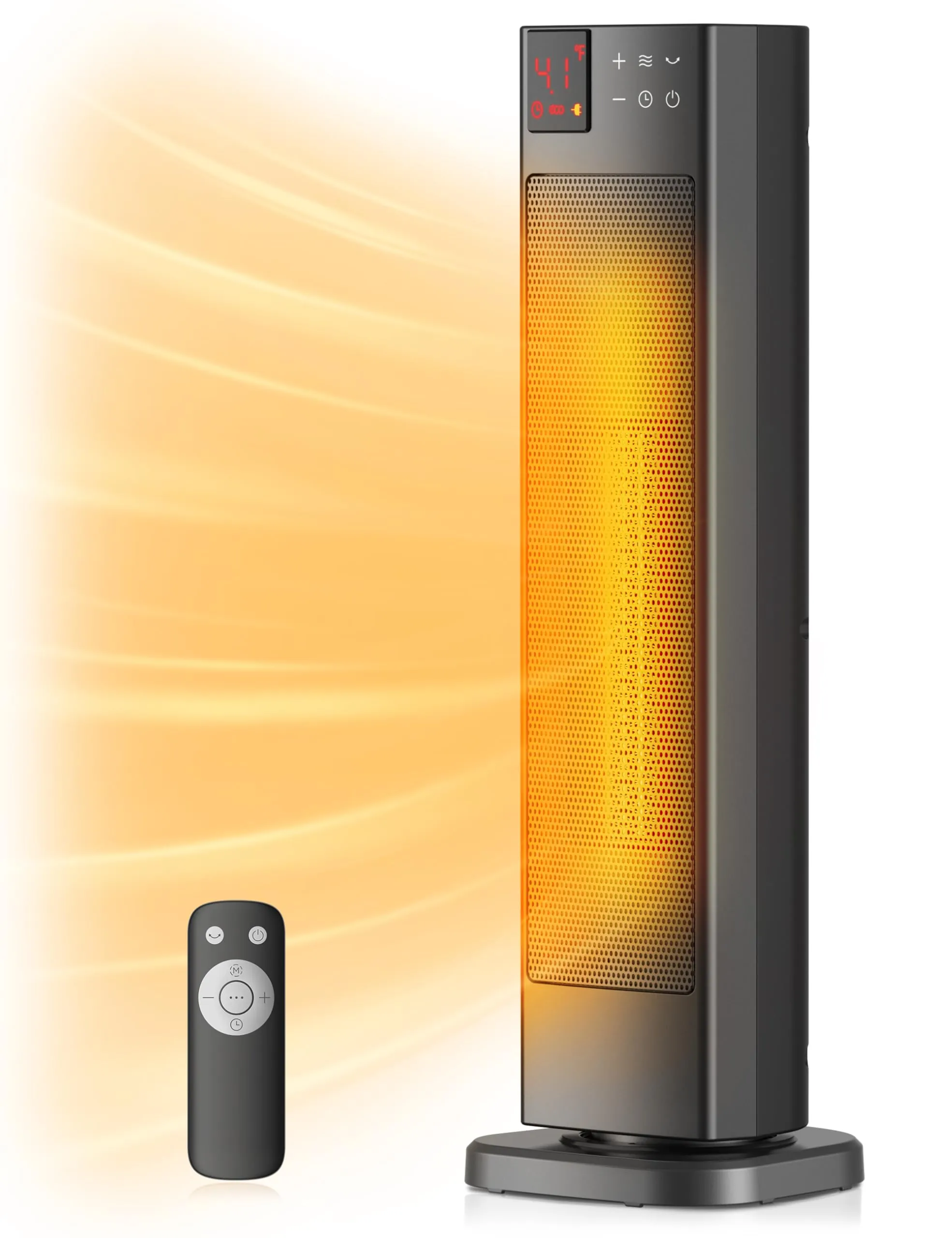
PELONIS Oscillating Ceramic Tower Indoor Space Heater (PHF15RSAPH23)

Contender

PELONIS Oscillating Ceramic Tower Indoor Space Heater (PHF15RSAPH23)

84/100
  • Strong heating performance for small to medium rooms, with wide oscillation
View review

Quick verdict

Pick the PELONIS PHF15RSAPH23 if you want a quieter, more controllable heater with a remote, timer, ECO mode, and tip-over protection for everyday use in small to medium rooms. Choose the Lasko CT16450 if you prefer simple manual controls and a compact, highly portable heater for smaller spaces—while keeping in mind the mixed durability feedback and tip-over shutoff concerns in reviews.

Overall winner

Depends on your needs

At-a-glance comparison

Feature Lasko Oscillating Ceramic Tower Space Heater for Home (CT16450) PELONIS Oscillating Ceramic Tower Indoor Space Heater (PHF15RSAPH23) Winner
Type / form factor Ceramic tower heater (15.7 in) Ceramic tower heater (23 in) Depends
Heat output 1500W max (High/Low: 1500/900W) 1500W max (multiple modes) Tie
Coverage (stated) Up to 150 sq ft Up to 220 sq ft PELONIS Oscillating Ceramic Tower Indoor Space Heater (PHF15RSAPH23)
Oscillation Widespread oscillation (listed) 75° oscillation (listed) Depends
Thermostat / temp control Manual adjustable thermostat Programmable thermostat with fine temp steps PELONIS Oscillating Ceramic Tower Indoor Space Heater (PHF15RSAPH23)
Timer Not listed 12-hour timer PELONIS Oscillating Ceramic Tower Indoor Space Heater (PHF15RSAPH23)
Remote control Not included Included PELONIS Oscillating Ceramic Tower Indoor Space Heater (PHF15RSAPH23)
Safety features (from data) Overheat protection; cool-touch housing; ETL listed Overheat + tip-over protection (listed) PELONIS Oscillating Ceramic Tower Indoor Space Heater (PHF15RSAPH23)
Noise (buyer sentiment + scores) Often described as quiet for a fan heater Frequently described as very quiet PELONIS Oscillating Ceramic Tower Indoor Space Heater (PHF15RSAPH23)
Portability Very compact; carry handle; ~4 lb Heavier/taller tower; portable but less compact Lasko Oscillating Ceramic Tower Space Heater for Home (CT16450)
Ease of setup Fully assembled; plug-in Plug-in; remote included Tie
Reliability signals from reviews Mixed; some sudden failures within months Mostly positive; some unexpected shutoff reports PELONIS Oscillating Ceramic Tower Indoor Space Heater (PHF15RSAPH23)
Operating efficiency (from data) Higher running-cost concern at 900–1500W use ECO mode aimed at maintaining set temp PELONIS Oscillating Ceramic Tower Indoor Space Heater (PHF15RSAPH23)
Value sentiment Mixed value-for-money feedback Commonly considered good value PELONIS Oscillating Ceramic Tower Indoor Space Heater (PHF15RSAPH23)

Detailed comparison

Home Use

Both heaters are designed for targeted, room-by-room warmth—useful when you want comfort in a bedroom, office, or living area without raising the whole-house thermostat. The Lasko CT16450 is especially convenient for moving around and placing on a desk or small floor area due to its compact size and carry handle. The PELONIS PHF15RSAPH23 is better suited to set-and-forget use, thanks to its programmable thermostat, ECO mode, and timer, which can make daily heating routines feel more hands-off.

Climate Comfort

As comfort products, both deliver quick, fan-assisted heat and include oscillation to help reduce uneven cold patches. Lasko’s manual thermostat and two heat levels are simple and effective for basic comfort needs in smaller rooms. PELONIS goes further with more temperature precision, extra modes (including fan-only), and a timer—features that can improve comfort overnight or during workdays when you want steadier room temperature without constant manual adjustments.

Performance

Both models are 1500W ceramic heaters, so they’re built for fast warm-up and directed airflow rather than slow, whole-home heating. The Lasko CT16450 is commonly reported to heat small rooms quickly and benefits from oscillation to spread warmth. The PELONIS PHF15RSAPH23 shows stronger overall heating performance signals, with users describing it as effective in small to medium rooms and even helping in more open living areas when doors are closed.

Real-world performance for either heater still depends heavily on drafts, ceiling height, and how open your space is. If you’re trying to heat beyond a single room, expectations should be modest.

Reliability

Lasko CT16450 reliability feedback is notably mixed: while many owners report effective performance, there are repeated mentions of units suddenly stopping working or breaking within around six months. There are also repeated comments about tip-over shutoff not being present or not working, which can be seen as a safety-reliability concern in real-life mishaps.

PELONIS PHF15RSAPH23 has stronger overall reliability signals and multiple long-term positive experiences, but it is not complaint-free—some buyers report the heater turning off unexpectedly. If you want the steadier reliability trend, PELONIS has the edge based on the provided reviews and scoring.

Climate Control

For basic climate control, both heaters provide fast warm-up and oscillation to distribute heated air. Lasko’s manual thermostat is simple and can shut the unit down when the set point is reached (as noted in reviews), but adjustments are less precise. PELONIS offers a programmable thermostat with finer temperature steps plus ECO mode, which can help maintain a more consistent room temperature with fewer manual changes.

If you’re trying to keep a room close to a specific temperature for comfort throughout the day, PELONIS is the stronger option. For quick bursts of warmth, both can work well.

Lasko Oscillating Ceramic Tower Space Heater for Home (CT16450)

Pros

  • Fast, fan-forced ceramic heat that users say warms small rooms quickly
  • Very easy to use with simple manual controls and adjustable thermostat
  • Compact and light with a carry handle; easy to move between rooms
  • Oscillation helps spread heat rather than concentrating it in one spot
  • Quieter than many fan heaters according to buyer feedback
  • Overheat protection and cool-touch housing are included for safer everyday use

Cons

  • Tip-over shutoff is repeatedly noted as missing or not working as expected in reviews
  • Mixed reliability/durability reports, including some units failing within months
  • Limited settings (two heat levels) and no timer or remote
  • Efficiency/operating cost can be a concern at higher wattage use
  • Some buyers find the heater smaller than expected for their space
  • A few usability quirks mentioned (for example, an always-on indicator light)
Lasko Oscillating Ceramic Tower Space Heater for Home (CT16450)

PELONIS Oscillating Ceramic Tower Indoor Space Heater (PHF15RSAPH23)

Pros

  • Strong heating performance for small to medium rooms, with wide oscillation
  • More control options: digital panel, programmable thermostat, timer, and remote
  • ECO mode and multiple modes (including fan-only) for more flexible use
  • Quieter operation is a common positive in reviews
  • Includes tip-over protection (in addition to overheat protection)
  • Good overall value sentiment from a large number of buyers

Cons

  • Some reviews report the unit turning off unexpectedly (auto shutoff behavior)
  • Not smart home compatible
  • Remote convenience varies; a few mention range/ergonomics issues or missing remote
  • Coverage claims can feel inconsistent depending on room layout and drafts
  • Temperature display behavior may be annoying for some (display going blank after a time)
PELONIS Oscillating Ceramic Tower Indoor Space Heater (PHF15RSAPH23)

Final verdict

The PELONIS PHF15RSAPH23 is the stronger overall choice for most households because it combines robust heating with practical features that improve daily comfort: programmable thermostat, ECO mode, timer, remote control, and tip-over protection. Its main limitation is that some owners report unexpected shutoffs and minor control/display annoyances.

The Lasko CT16450 is a solid pick when you want simple, quick warmth in a smaller space and value a compact, easy-to-carry design with straightforward manual controls. Its main drawbacks are more mixed reliability/durability feedback and repeated review concerns about tip-over shutoff not being present or not functioning. If safety features and set-and-forget convenience matter most, PELONIS is the safer bet; if small size and simplicity matter most, Lasko can fit better.

Overall winner

Depends on your needs

Frequently asked questions

Which is better, Lasko CT16450 or PELONIS PHF15RSAPH23?

For most households, the PELONIS PHF15RSAPH23 is the more well-rounded pick because it combines strong heating with a remote, timer, ECO mode, and tip-over protection. The Lasko CT16450 is a good alternative if you want a smaller, simpler heater with manual controls and easy portability, but buyer feedback is more mixed on long-term reliability and tip-over shutoff.

Which heater is better for a bedroom?

Both can work in a bedroom, but PELONIS is easier to live with thanks to its timer, quieter reputation in reviews, and remote control so you can adjust settings without getting up. Lasko’s compact size suits bedside or small-room use, but note multiple reviews mention it may not shut off if tipped over, which can be an important bedroom safety consideration.

Which one heats a larger room more effectively?

Based on listed coverage and buyer feedback, the PELONIS tower heater is the better fit for small to medium rooms and more open areas, helped by its wider oscillation and more adjustable temperature control. The Lasko is commonly described as effective in smaller rooms and personal-area heating, but some users find it too small for larger spaces.

Which heater is quieter?

Both are described as relatively quiet for fan heaters, but PELONIS has stronger, more consistent feedback around low noise and bedroom suitability. Lasko is also praised for being quieter than some other ceramic heaters, though it is still a fan-forced design, so you should expect some airflow sound during operation.

Which is safer if you have kids or pets?

PELONIS has an advantage on safety features because it includes both overheat and tip-over protection. Lasko includes overheat protection and a cool-touch housing, but reviews repeatedly call out that tip-over shutoff appears missing or not functioning as expected. For either heater, placement away from traffic areas and soft furnishings is important.

Which heater is easier to use day to day?

Lasko is the simplest: plug in, choose high/low, and set the manual thermostat—useful if you dislike digital menus. PELONIS is also straightforward but has more options (modes, temperature steps, timer), which adds convenience once set up. If you like adjusting heat from across the room, PELONIS’s remote is a real benefit.

Do either of these heaters support smart home control?

No. The PELONIS listing explicitly states it is not smart home compatible, and the Lasko model provided does not mention Wi-Fi/app or voice assistant control. If smart control is important, you’d need a different heater designed for smart home integration, or consider a separate smart plug (only if the heater supports safe manual restart behavior).

Which is better value for money?

PELONIS tends to look like better overall value because it adds a remote, timer, ECO mode, and tip-over protection while also receiving strong customer satisfaction across many reviews. Lasko can still be a good buy if you specifically want a smaller, highly portable heater with simple controls, but operating cost concerns and mixed durability feedback make value more dependent on your use pattern.

Are either of these difficult to maintain?

Neither appears maintenance-heavy based on the provided information. Day-to-day care mainly involves keeping the air intake and outlet clear of dust and avoiding blocked airflow. Because both are portable fan-forced heaters, occasional exterior wipe-down and safe storage in the off-season matter. If you use them frequently, periodically checking the cord and keeping them upright helps reduce issues.

Related comparisons

Still not sure which one to choose?

Check our rankings and expert guides to find the best home lifestyle products for your goals.

View all rankings