
#1 Overall Winner
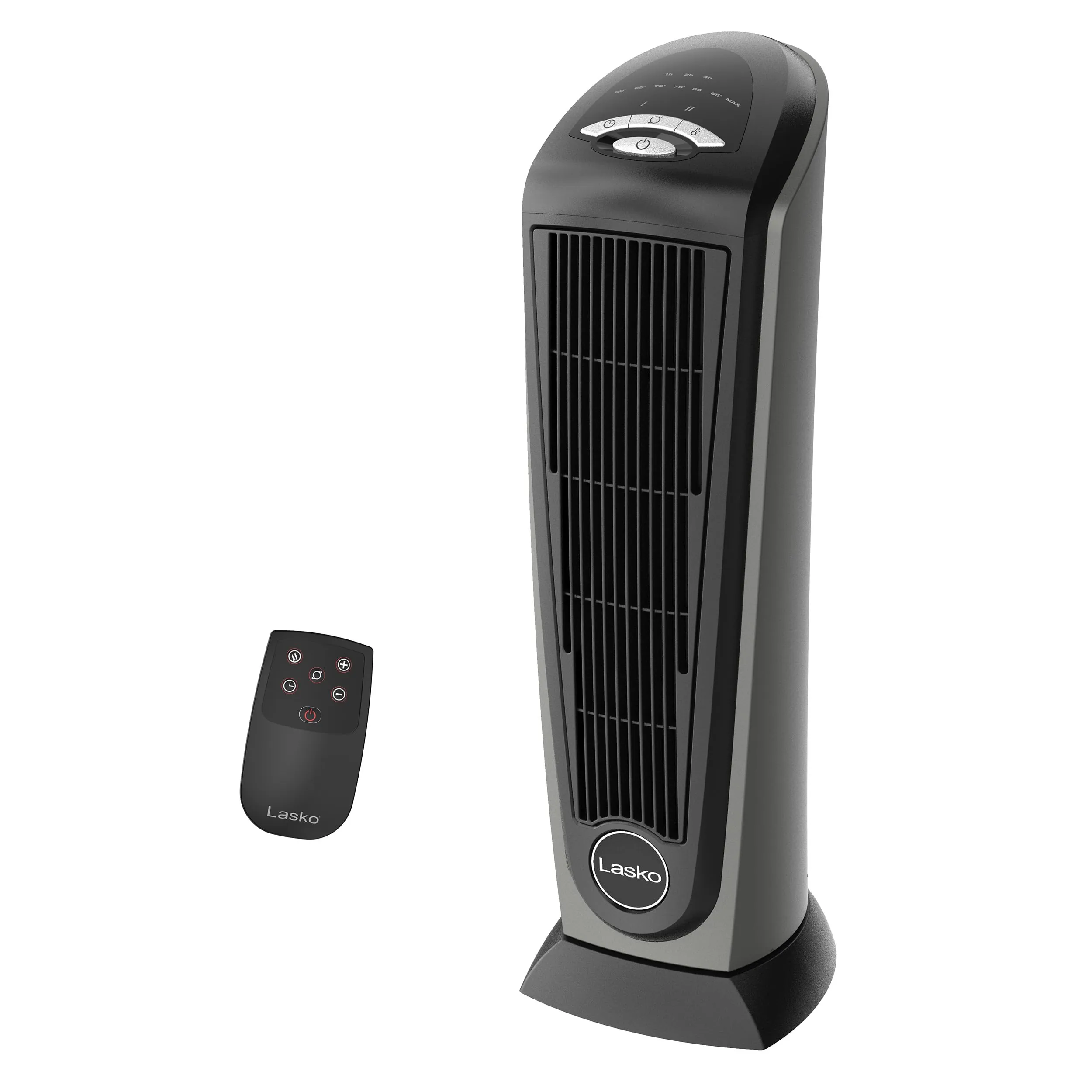
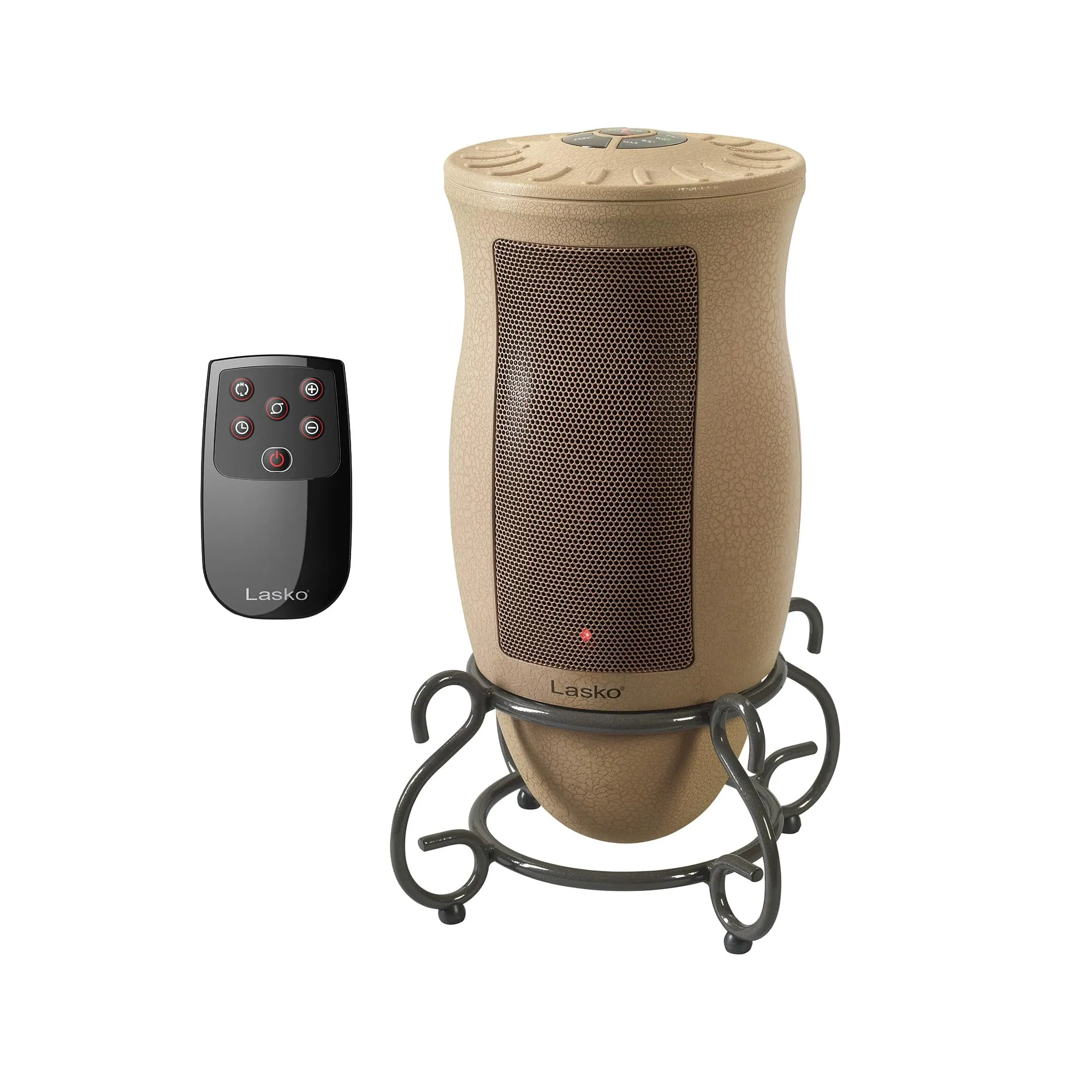
Lasko Oscillating Designer Ceramic Tower Space Heater 6435
- Compact 16-inch tower design that’s easy to place in bedrooms, offices, and small living spaces
Comparison
The Lasko 6435 and PELONIS PHF15RSAPH23 are compact 1500W ceramic tower space heaters with oscillation, thermostats, timers, and remotes for everyday room heating. Lasko focuses on a décor-forward, smaller design with very strong buyer satisfaction, while PELONIS emphasizes longer scheduling, finer temperature control, and added safety features like tip-over protection at a much lower price.
#1 Overall Winner
Contender
Choose the PELONIS PHF15RSAPH23 if you want tip-over protection, a longer timer, finer temperature control, and strong value for small-to-medium rooms. Choose the Lasko 6435 if you prefer a smaller, décor-friendly heater with consistently positive feedback for quiet, quick warmth—especially in bedrooms and offices where placement is stable.
Overall winner
Depends on your needs
| Feature | Lasko Oscillating Designer Ceramic Tower Space Heater 6435 | PELONIS Oscillating Ceramic Tower Space Heater PHF15RSAPH23 | Winner |
|---|---|---|---|
| Type | Ceramic tower space heater | Ceramic tower space heater | Tie |
| Heat output | 1500W (High) | 1500W | Tie |
| Heating coverage (stated) | 150 sq ft | 220 sq ft | PELONIS Oscillating Ceramic Tower Space Heater PHF15RSAPH23 |
| Timer length | Up to 7 hours | Up to 12 hours | PELONIS Oscillating Ceramic Tower Space Heater PHF15RSAPH23 |
| Thermostat adjustment | Adjustable thermostat (larger steps noted) | Fine temperature adjustment (1°F stated) | PELONIS Oscillating Ceramic Tower Space Heater PHF15RSAPH23 |
| Oscillation | Widespread oscillation | 75° oscillation (stated) | Depends |
| Remote control | Included (icons can be hard to see for some) | Included (some range/missing-remote reports) | Depends |
| Safety features | Overheat protection; cool-touch exterior; no tip-over shutoff reported | Overheat + tip-over protection (stated) | PELONIS Oscillating Ceramic Tower Space Heater PHF15RSAPH23 |
| Noise (buyer sentiment) | Often described as quiet | Often described as very quiet | PELONIS Oscillating Ceramic Tower Space Heater PHF15RSAPH23 |
| Size / height | 16.05 in tall | 23 in tall | Depends |
| Weight / carry | 3 lb | 2.74 kg | Lasko Oscillating Designer Ceramic Tower Space Heater 6435 |
| Customer rating & review volume | 4.6/5 from 13,751 reviews | 4.4/5 from 13,709 reviews | Lasko Oscillating Designer Ceramic Tower Space Heater 6435 |
| Reliability signals from reviews | Long-term use reports; generally steady cycling | Mixed feedback on unexpected shutoffs | Lasko Oscillating Designer Ceramic Tower Space Heater 6435 |
| Price | $51.06 | $21.77 | PELONIS Oscillating Ceramic Tower Space Heater PHF15RSAPH23 |
For everyday home use, both heaters work well as “targeted warmth” devices—ideal for adding comfort to the room you’re actually in. The Lasko is easier to tuck beside a desk, nightstand, or corner thanks to its shorter height and light weight. The PELONIS takes up a similar footprint but is taller, offers more scheduling flexibility, and is better suited to households that want added safety reassurance through tip-over protection.
Both products are purpose-built for cold-weather comfort: fast warm-up, thermostatic cycling, and oscillation to reduce cold spots. The Lasko is frequently described as taking the chill out of a room quickly and running quietly, which suits bedrooms and offices. The PELONIS adds finer temperature control (helpful if you’re sensitive to temperature swings) and lists higher coverage, making it the better bet when you want warmth to reach a bit farther across a space.
In pure heating performance, both units are positioned as fast-warming 1500W ceramic tower heaters, and reviews support quick comfort improvements. The Lasko 6435 performs especially well as a small-room supplemental heater, with long-run users describing reliable thermostat cycling and steady warmth. The PELONIS PHF15RSAPH23 is also frequently praised for rapid heat-up and can feel effective across wider areas, helped by its taller design and stated higher coverage.
The main performance caution is that some PELONIS owners report unexpected shutoffs or inconsistent behavior, while Lasko feedback is more consistently “set it and forget it” when placed in a stable spot.
Reliability looks good for both, but the failure patterns differ. Lasko 6435 reviews include multi-season use with steady thermostat cycling and few service issues reported in the provided feedback, suggesting consistent day-to-day operation. PELONIS also has long-use success stories, including near-continuous winter use, but aggregated feedback mentions mixed experiences with the automatic shut-off feature—some find it convenient, others report the unit turning off unexpectedly.
If you want the more predictable “it runs when it should” experience, Lasko appears slightly more consistent based on the review summaries provided. If you choose PELONIS, keep an eye on how its shutoff behavior works in your specific room setup.
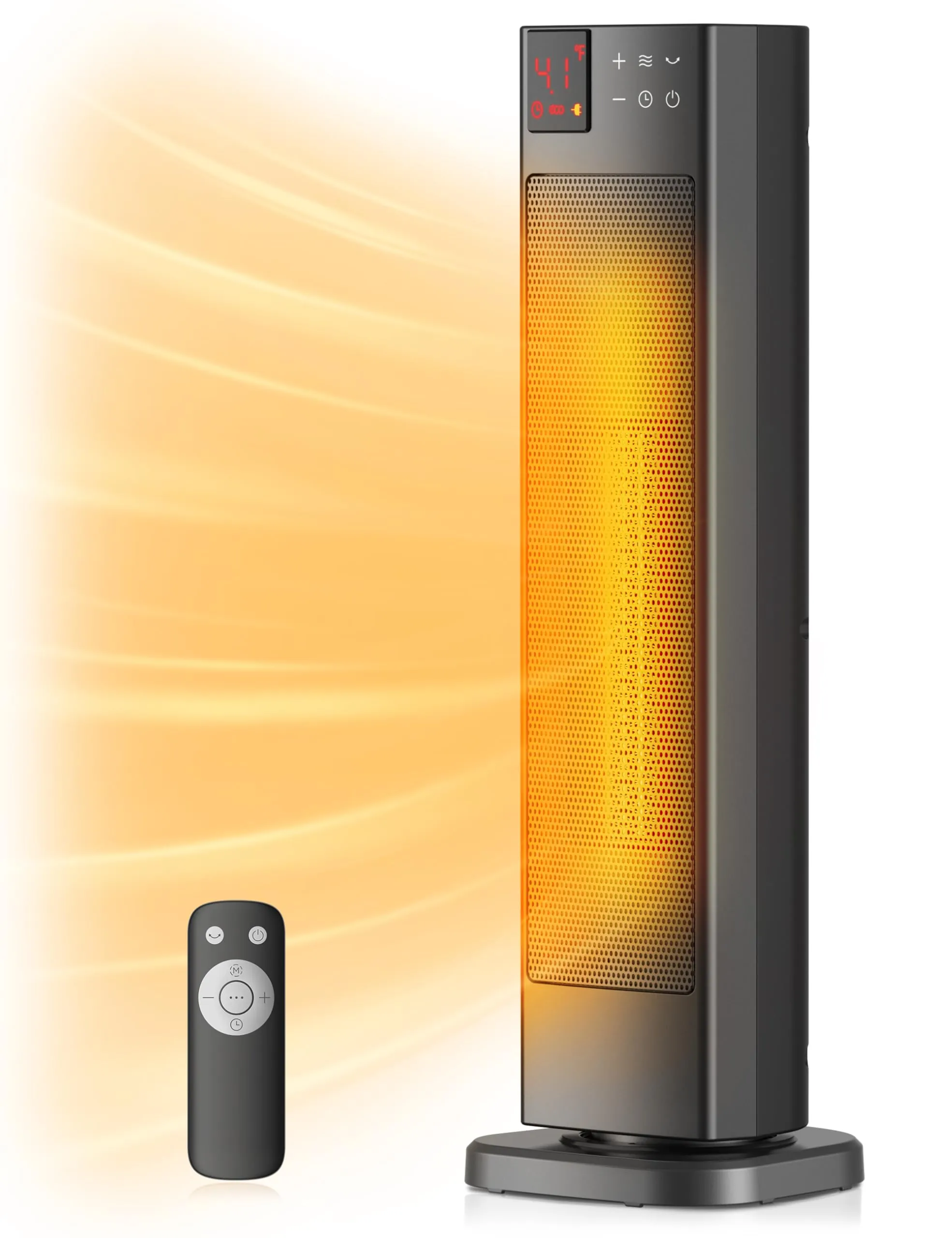
Both heaters offer thermostat-driven climate control for a single room, switching on and off to maintain a target temperature rather than running continuously. The Lasko’s thermostat range (60–85°F) fits most common indoor comfort targets, and reviews describe predictable cycling. The PELONIS offers a wider temperature range (41–95°F) and finer adjustment, which is useful if you want to fine-tune comfort or run lower maintenance temperatures in a space. The main caveat for PELONIS is mixed feedback on auto shutoff behavior for some users.
Safety is the clearest separation in this matchup. The PELONIS PHF15RSAPH23 lists both overheating protection and a tip-over switch, which is especially important if the heater will be used near kids, pets, or in walkways. The Lasko 6435 lists overheat protection and a cool-touch exterior, but reviews explicitly state it does not have a tip-over shutoff, and a reviewer demonstrated it continued running when tipped.
For either heater, safe use still matters: plug directly into a wall outlet (avoid extension cords if the manufacturer cautions against them), keep it away from fabrics, and place it on a stable, flat surface. If tip-over risk is realistic in your home, PELONIS is the safer pick.
For comfort, both deliver the key benefits people want from a space heater: quick warmth, better room feel, and less need to heat the entire home. Lasko’s oscillation and steady thermostat cycling are often mentioned as making a room feel evenly warmed without fuss. PELONIS adds finer temperature control and longer scheduling, which can reduce “too hot / too cool” swings for temperature-sensitive sleepers or office workers. Comfort is strong on both; the best choice depends on whether you want simplicity (Lasko) or more control options (PELONIS).
PELONIS has an advantage for users who want precise temperature control and easy mode switching from a digital panel or remote, plus a longer timer for overnight or workday use. Lasko’s top-mounted controls are straightforward once learned, but some reviews mention an initial learning curve. Remote usability is mixed for both: Lasko’s icons can be hard to see for some, while PELONIS has occasional complaints about remote range or packaging (missing remote in at least one review).
The Lasko 6435 is designed to blend into home décor, and many buyers like that they can leave it out in a bedroom or living room without it looking industrial. It’s also notably short for a tower heater, which helps in tight rooms. The PELONIS has a more standard modern tower look, but the taller 23-inch height can help place warm airflow higher in the room and may feel more appropriate for larger bedrooms or open areas.
Capacity here is mainly about stated heating coverage. Lasko lists coverage around 150 sq ft, which aligns with typical bedroom and office use. PELONIS lists up to 220 sq ft, suggesting a better match for small-to-medium rooms or spaces where you want warmth to reach farther. In practice, coverage still depends on insulation, drafts, and ceiling height, but PELONIS is the more scalable option on paper.
Lasko wins on space efficiency: its 16-inch height and compact footprint make it easier to fit into tight corners, beside a desk, or in a small bedroom without feeling intrusive. The PELONIS footprint is similarly compact, but the 23-inch height makes it more visually present and may be harder to hide behind furniture. If you’re heating a small flat, dorm-style room, or a cramped office nook, the Lasko is the easier “live with it” choice.
Both heaters are frequently described as quiet, making them suitable for bedrooms and home offices. The PELONIS model has especially strong feedback around near-silent operation, while Lasko owners also praise low noise and comfortable background sound. If noise sensitivity is your top priority, PELONIS has a slight edge based on the overall pattern of feedback and comparative scoring.
Based on buyer feedback and positioning, both heaters feel like practical consumer towers rather than heavy-duty shop heaters. Lasko is often described as sturdier than it looks and easy to live with daily, though it is lightweight. PELONIS has positive durability comments from some long-term users, but the mixed reports about unexpected shutoff behavior introduce a small question mark around consistency across units.
If you prioritize “set and run all season” confidence, Lasko’s review pattern appears steadier, while PELONIS still looks solid but with more variability.
Durability signals are positive for both overall, with users reporting year-plus use for the PELONIS and multi-year use for the Lasko. The PELONIS scores better for durability in the provided scoring data, but it also has a bit more mixed reliability feedback around shutoff behavior. Lasko’s long-term owners tend to describe stable performance over time, though the lack of tip-over shutoff can increase risk if it’s used in an area where it may be knocked over.
Maintenance is simple for both: they’re primarily “keep vents clear and dust the exterior” products, without filters or tanks to replace. Lasko owners specifically mention it’s easy to remove dust from, which helps avoid the dusty-heater smell some people dislike. PELONIS maintenance is similarly straightforward, though you’ll want to ensure the intake and outlet aren’t blocked, especially if placed near curtains or furniture. For either heater, periodic dusting and safe placement do most of the maintenance work.
The Lasko 6435 is easier to move around frequently thanks to its very light weight and compact height, making it convenient for “room to room” use. The PELONIS is still portable, but it’s heavier and taller, so it’s slightly less convenient to stash away or carry up and down stairs. If you plan to relocate your heater daily between an office, bedroom, and living room, Lasko is the more carry-friendly option.
Both heaters cover the essentials: oscillation, thermostat control, a timer, and remote operation. The PELONIS goes further with a longer 12-hour timer, ECO mode, a fan-only option, and finer temperature adjustment. The Lasko keeps things simpler with two heat settings plus oscillation and a 7-hour timer, and it’s aimed at straightforward daily operation without many mode decisions.
If you want more knobs to turn and longer scheduling, PELONIS leads. If you prefer a simpler interface and don’t need ECO/fan modes, Lasko is plenty for most bedrooms and offices.
Neither listing provides measured energy-consumption data beyond wattage, but both rely on thermostat cycling to avoid running constantly. Reviews for both suggest they’re commonly used to reduce reliance on central heat by warming occupied rooms. PELONIS includes an ECO mode intended to manage output around a set temperature, while Lasko users report effective on/off cycling at a chosen setpoint. Efficiency in real use will largely come down to room size, set temperature, and how often the heater needs to run.
At the stated prices, the PELONIS is the better value for most shoppers because it costs far less while still providing oscillation, a remote, thermostat control, a longer timer, and added safety features like tip-over protection. The Lasko costs more, but part of what you’re paying for is a décor-forward design and a very strong, consistent buyer satisfaction profile backed by a large number of reviews.
If your budget is tight or you want maximum features per pound spent, PELONIS is hard to ignore. If you’re willing to pay extra for the look and the steadier review pattern—especially for a small bedroom or office—the Lasko can still justify its price.
Both brands have substantial review volume on these models, which helps reduce the risk of “unknown product” surprises. Lasko’s model shows exceptionally strong customer satisfaction and long-term use comments that support a dependable reputation in this specific product. PELONIS also has many repeat-buyer comments and positive durability notes, though the mixed feedback on unexpected shutoffs suggests quality consistency may vary more by unit or environment.
Customer satisfaction is strong for both, with very high review counts and generally positive sentiment around fast heating, quiet operation, and convenient remote/timer use. The Lasko 6435 has a slightly higher star rating and repeated praise for décor-friendly looks, compact size, and reliable thermostat cycling. The PELONIS PHF15RSAPH23 also earns plenty of enthusiastic feedback, especially for quietness, ECO mode, and value, but has more mixed commentary on automatic shutoff behavior and a few usability/packaging complaints (such as a missing remote).
Lasko explicitly includes a 3-year limited warranty, which adds some clarity for long-term ownership. Comparable warranty information is not provided for the PELONIS listing in the data supplied, so it’s harder to judge support expectations. If warranty transparency is important, Lasko has the clear advantage based on the information available.
Neither heater is a runaway winner, but the strongest “most households” pick is the PELONIS PHF15RSAPH23 because it combines strong heating, very quiet operation, a longer timer, finer temperature control, and tip-over protection at a much lower price. Its main limitation is mixed feedback about automatic shutoff behavior and minor display/remote annoyances.
The Lasko 6435 remains an excellent choice for smaller rooms when you want a compact, stylish heater with very high customer satisfaction and reliably quiet, quick warmth. Its main drawback is safety-related: reviews indicate it lacks a tip-over shutoff, so it’s better suited to stable placements away from pets, kids, and heavy foot traffic.
Overall winner
Depends on your needs
Both are strong picks for supplemental indoor heat, but they fit slightly different priorities. The Lasko 6435 stands out for its décor-friendly design, compact footprint, and consistently positive buyer feedback on quiet, steady heating. The PELONIS PHF15RSAPH23 adds a longer timer, finer temperature control, and tip-over protection, but has some mixed feedback around unexpected shutoffs for certain users.
The PELONIS PHF15RSAPH23 is the safer choice on paper because it includes tip-over protection along with overheating protection. Reviews for the Lasko 6435 specifically note that it does not have a tip-over shutoff feature, which can be a concern in active households. Both list overheating protection, but tip-over shutoff is a meaningful extra safeguard.
Both heaters are widely described as quiet, but the PELONIS model has stronger score-based positioning for low noise and many reviewers describe it as close to silent in typical use. The Lasko 6435 is also commonly praised for quiet operation. If you’re very noise-sensitive, the PELONIS has a slight edge based on available data.
The Lasko 6435 is easier to fit into tight spots thanks to its shorter 16-inch height and compact footprint, and customers frequently mention it works well in small rooms. The PELONIS is taller and lists higher coverage, which can be useful, but it takes a bit more vertical space and floor presence. For very tight bedrooms or desk-side use, Lasko is often the simpler fit.
The PELONIS PHF15RSAPH23 lists a higher heating coverage and is positioned for small-to-medium rooms, with some reviewers using it successfully in more open areas. The Lasko 6435 lists lower coverage and is more clearly targeted at smaller rooms and “cold spots.” Real-world results still depend on insulation, ceiling height, drafts, and whether doors are kept closed.
The PELONIS has a longer timer (up to 12 hours) and offers finer temperature adjustment, which can make it easier to dial in comfort. The Lasko includes a 7-hour timer, oscillation, and a straightforward High/Low setup. Both include remotes, though Lasko’s remote visibility is a minor complaint for some, and PELONIS has a few reports of remote/range issues.
ECO mode can be useful if you want the heater to manage output while aiming for a set temperature, but it isn’t essential for everyone. Some reviewers describe ECO as behaving similarly to a lower-output mode. If you mainly run a heater on High/Low and rely on the thermostat cycling, the Lasko’s simpler control approach may be enough.
Both are relatively low-maintenance compared with appliances that need filters or water tanks. Users mention the Lasko is easy to dust off, and both units are essentially “wipe and dust” products if used in a normal home environment. As with any heater, keeping vents clear of dust helps performance and reduces odors from dust buildup.
The PELONIS PHF15RSAPH23 is priced much lower while still including features like a remote, thermostat, oscillation, and a long timer, which makes it strong on value. The Lasko 6435 costs more but brings a more décor-focused design and very high buyer satisfaction. Value depends on whether tip-over protection and fine controls matter more than styling and established buyer track record.
Check our rankings and expert guides to find the best home lifestyle products for your goals.