#1 Overall Winner
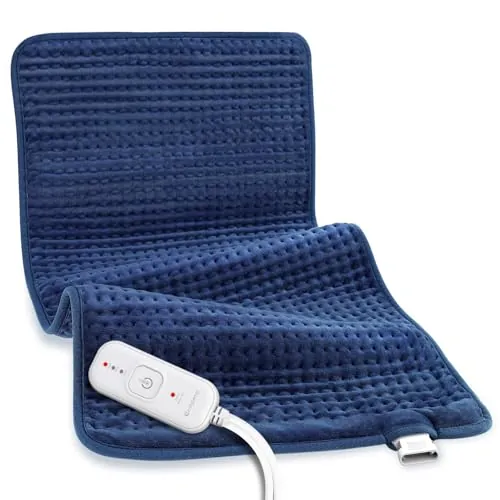
Comfytemp Extra Large Heating Pad for Back & Period (17"x33")
- Very large 17"x33" coverage that can span a full back or wrap around waist/hips
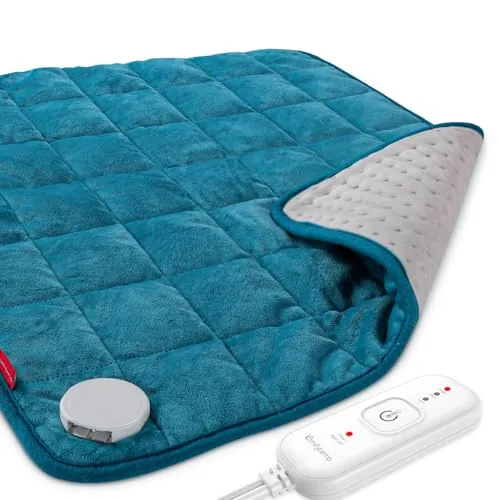
Comparison
The Comfytemp 17"x33" extra-large heating pad and the Comfytemp 20"x24" weighted heating pad both target back and period comfort with 3 heat levels and a 2-hour auto shut-off. The biggest difference is coverage versus fit: the 17"x33" model covers more of the body, while the weighted pad is designed to drape and stay in place. Buyer feedback is positive overall for both, but heat intensity and reliability are mixed.
#1 Overall Winner
Contender
Choose the Comfytemp 17"x33" if you want the biggest possible heated surface for back, hips, or legs and prefer a lighter pad you can drape anywhere. Choose the Comfytemp 20"x24" weighted if you want a more secure, conforming fit that stays in place on the abdomen or lower back. Both are washable and simple to use, but both have mixed reliability feedback.
Overall winner
Depends on your needs
| Feature | Comfytemp Extra Large Heating Pad for Back & Period (17"x33") | Comfytemp Weighted Heating Pad for Back & Period (20"x24", 2.4 lb) | Winner |
|---|---|---|---|
| Type / use case | Extra-large electric heating pad for back/body | Weighted electric heating pad for back/body | Depends |
| Size / coverage | 17" x 33" | 20" x 24" | Comfytemp Extra Large Heating Pad for Back & Period (17"x33") |
| Weighted feel | Not stated as weighted | 2.4 lb weighted | Comfytemp Weighted Heating Pad for Back & Period (20"x24", 2.4 lb) |
| Heat settings | 3 settings | 3 settings | Tie |
| Auto shut-off | 2-hour auto shut-off | 2-hour auto shut-off | Tie |
| Washability | Machine washable (detachable cord/controller) | Washable after detaching controller (no tumble dry note) | Tie |
| Comfort feel (from reviews) | Soft flannel; blanket-like coverage | Soft flannel; weight described as soothing | Comfytemp Weighted Heating Pad for Back & Period (20"x24", 2.4 lb) |
| Stays in place | May slip; not weighted; no straps mentioned | Weight helps it stay in place | Comfytemp Weighted Heating Pad for Back & Period (20"x24", 2.4 lb) |
| Portability / repositioning | Lighter and easier to move around | Heavier (listed shipping weight higher) | Comfytemp Extra Large Heating Pad for Back & Period (17"x33") |
| Reliability (buyer feedback) | Multiple reports of controller flashing/shut-off | Mixed; some early failures reported | Depends |
| Heat intensity consistency (buyer feedback) | Mixed: some very hot, some not hot enough | Mixed: some fast warm-up, some not hot enough | Depends |
| Safety features listed | Overheat protection; 2-hour auto shut-off | Overheat protection; 2-hour auto shut-off | Tie |
| Price | Lower price | Higher price | Comfytemp Extra Large Heating Pad for Back & Period (17"x33") |
| Customer sentiment (ratings/review volume) | Strong volume; slightly lower average rating | Strong volume; slightly higher average rating | Comfytemp Weighted Heating Pad for Back & Period (20"x24", 2.4 lb) |
For everyday home use, both pads fit naturally into sofa and bedtime routines thanks to simple controls and a 2-hour auto shut-off. The difference is how they behave once you’re settled: the weighted pad is more likely to stay aligned on the spot you want (abdomen/lower back), while the 17"x33" pad is easier to spread across a broader area but may need more repositioning because it’s not weighted. If multiple people in the home use one pad, the larger 17"x33" can feel more versatile, while the weighted model tends to feel more “personal-fit.”
Both products are comfort-focused electric heating pads intended for localized warmth rather than whole-room heating. The 17"x33" model can create a more blanket-like warming effect across a large portion of the body, which can be helpful when you want general warmth over hips/legs. The 20"x24" weighted model is better at delivering a more anchored, conforming warmth that many users describe as soothing for cramps and deep aches. Heat intensity feedback is mixed on both, so comfort may come down to whether you prefer coverage or pressure-like weight.
In day-to-day pain relief use, both Comfytemp pads are widely described as helpful for cramps and muscle aches, with many owners reporting fast warm-up and even heat. The performance split is mostly about delivery: the 17"x33" pad performs well when you want heat across a big area, while the weighted model can feel more effective for targeted relief because it sits closer and stays put. Neither is immune to complaints—both have mixed feedback on maximum heat and reports of units stopping or shutting off unexpectedly, which can interrupt performance.
Reliability is the clearest shared weak spot. The 17"x33" pad has multiple reports of the controller flashing and the pad turning off, sometimes requiring unplugging/replugging, and some users connect problems to bending or positioning. The weighted 20"x24" pad also has mixed reliability, with some reports of units failing after only a few uses, although there are also strong long-term accounts. A positive theme for both is that several reviewers describe responsive support with replacements or refunds, which can reduce the risk if you receive a faulty unit.
These are localized heat-therapy products rather than room climate devices, so “climate control” mostly means how consistently they provide warmth where you place them. Both offer three heat levels and are often described as warming quickly, but both also have mixed feedback about maximum heat and consistency. The weighted pad’s conforming fit can help maintain contact in one area (lower back/abdomen), while the 17"x33" pad is better when you want heat across a larger section of the body without needing perfect placement.
Both heating pads list overheat protection and a 2-hour auto shut-off, which are helpful safety basics for at-home heat therapy. The 17"x33" pad includes additional usage cautions in the product details—such as avoiding sitting or lying directly on the pad, not folding/rolling/stacking it, and keeping the controller away from the heated surface—which suggests it may be more sensitive to improper positioning. For either pad, the practical safety approach is to start on a lower setting, avoid pinching or bending the pad sharply, and unplug when not in use.
Comfort is strong for both, but the weighted 20"x24" pad has the edge for many households. Reviews repeatedly describe the weight as calming and helpful for keeping steady contact with the body, which can feel more soothing for cramps and deep aches. The 17"x33" pad delivers comfort through soft flannel and oversized coverage, giving a more blanket-like warmth across a broader area. If you want gentle pressure plus warmth, the weighted model is more likely to match that preference.
The weighted 20"x24" pad is generally easier to use for targeted areas because the weight helps it stay in place, meaning less adjusting once you lie down or sit back. The 17"x33" pad is easy to drape due to its lighter feel, but it comes with more handling “rules” (keep it flat; don’t fold/roll; don’t sit or lie directly on it), and some owners report controller-related interruptions. Both are straightforward with three heat levels and a timed shut-off.
Design-wise, the 17"x33" pad is all about coverage—it’s sized to span a large portion of the body like a small heated throw, which can be practical for backs and legs. The 20"x24" weighted pad is designed around fit, using weight to help it drape naturally on the abdomen, lower back, or shoulders. If you dislike pads slipping, the weighted design is a clear advantage. If you prefer one pad to serve multiple larger areas, the king-size footprint is more flexible.
Both pads are “extra large,” but they suit different coverage needs. The 17"x33" Comfytemp pad offers the larger heating surface for full-back or leg coverage, and reviews frequently mention wrapping it around the body. The 20"x24" weighted pad is still substantial and commonly described as perfect for lower back and abdomen coverage, but it won’t cover as much length at once. For taller users or those wanting shoulder-to-lower-back reach, the 17"x33" size is the safer bet.
For small spaces, the 20"x24" weighted pad is easier to manage on a sofa or bed because it takes up less surface area than the 17"x33" model while still covering key areas like the lower back and abdomen. The 17"x33" pad provides more coverage but can feel oversized on a narrow chair or small bed and may be harder to store flat. If you have limited closet or drawer space, the smaller footprint is typically easier to live with.
Heating pads are typically quiet in operation, and neither product is described as producing motor or fan noise. If noise matters to you at night, the main potential disturbance is the controller interaction. One review for the 17"x33" Comfytemp pad mentions loud button clicks on the controller, which could be noticeable in a quiet bedroom. Otherwise, both should be suitable for low-noise environments.
Based on buyer feedback and the provided scoring, the weighted pad comes across as better built overall, with multiple reviews praising how it keeps its shape and feels high quality. The 17"x33" model has more visible build concerns in reviews, including controller flashing and sensitivity to bending, which some users interpret as a sign of lower robustness. Both are soft flannel pads, but long-term sturdiness is the bigger separator than materials feel.
Durability appears stronger on the weighted pad overall, supported by reviews describing longer ownership and good shape retention through washing. The 17"x33" pad has more frequent complaints that suggest shorter lifespan for some users (controller glitches and early stop-working reports). That said, durability varies widely in the reviews for both products, and careful use matters—especially for the larger pad, which includes explicit guidance to avoid folding, rolling, or placing weight on it.
Maintenance is straightforward for both: detach the controller and wash the pad as directed. The weighted pad includes a specific note not to tumble dry, and some owners mention it keeps its shape well after washing. The 17"x33" pad is also machine washable, but it may require more careful handling in general (kept flat; avoid folding/stacking) to reduce fault issues. Neither pad lists filter or consumable replacement costs, so upkeep is mainly cleaning and careful storage.
The 17"x33" Comfytemp pad is easier to carry, drape, and reposition because it’s lighter and more blanket-like. The 20"x24" weighted model is intentionally heavier, which improves stability during use but makes it less convenient to move around quickly—especially if you’re frequently switching between shoulders, abdomen, and legs. If you travel with a heating pad or store it away daily, the lighter pad is generally the easier companion.
Both heating pads keep the core feature set simple: three heat settings, a 2-hour auto shut-off, and overheat protection. The weighted pad adds a practical “feature” through its 2.4 lb weight, which changes how it fits and can reduce slipping. It also mentions the option to use it as a moist-heat style pad by lightly spraying water on the surface (as described). The 17"x33" pad’s standout feature is its oversized footprint for wider coverage rather than extra modes or advanced controls.
Neither product provides detailed power consumption data, so efficiency is mainly inferred from practical use. Both use a 2-hour auto shut-off, which helps limit unnecessary run time and adds a predictable routine for heat sessions. The weighted pad is positioned as improving heat transfer by conforming more closely to the body, which may help some users feel comfortable at lower settings, but heat satisfaction is still mixed. If you regularly need maximum heat, real-world “efficiency” will depend on your preferred setting and session length.
Value depends on whether you’ll use the added weight. The 17"x33" pad is the lower-cost way to get very large coverage, and many buyers like it for comfort and pain relief. However, repeated reliability complaints can reduce its long-term value if you end up needing a replacement early. The 20"x24" weighted pad costs more, but many users feel the weight improves comfort and reduces repositioning, which can make it feel more “worth it” for frequent use. With both, responsive support experiences help, but mixed reliability remains a consideration.
Both products are from Comfytemp, and reviews for both pads include multiple positive accounts of customer service handling replacements, refunds, or troubleshooting quickly. That support responsiveness helps build trust, especially given the reliability complaints seen across both models. Since these are similar-category products from the same brand, trust differences come down less to brand identity and more to which design (extra-large vs weighted) appears to have fewer recurring issues in buyer feedback.
Both heating pads have very high review volumes and generally positive sentiment around comfort and pain relief. The weighted 20"x24" model has a slightly higher average rating and frequent praise for the soothing weight and softness, with many users describing daily use. The 17"x33" model is strongly liked for its oversized coverage and cozy feel, but it draws more visible complaints about controller flashing, shutting off, or not lasting. In both cases, heat intensity opinions vary, which suggests expectations differ across buyers.
Both product pages emphasize responsive support, and reviews for each pad include examples of quick replacements or refunds after the unit stopped working. The 17"x33" pad has multiple accounts of warranty claims resulting in a replacement within about a week. The weighted pad also has reviews describing troubleshooting steps and then a replacement or refund. Specific warranty length isn’t provided here, so your best pre-buy check is the seller’s written warranty terms and the return window.
The Comfytemp 20"x24" weighted heating pad is the better all-around choice for most users because its weighted design improves fit, stability, and comfort—especially for abdomen and lower-back use—while keeping the same simple controls and washability. Its main limitation is that heat intensity and reliability are still inconsistent for some buyers.
The Comfytemp 17"x33" extra-large heating pad wins on sheer coverage and price, making it appealing for full-back or leg warmth. Its main limitation is a more prominent pattern of reliability complaints (controller flashing/shut-offs) and the need for careful handling to avoid issues. If you prioritize comfort and staying power on one spot, choose the weighted pad; if you prioritize size, choose the 17"x33".
Overall winner
Depends on your needs
The better choice depends on what you want from heat therapy. The 17"x33" pad is the pick for maximum coverage (full back, hips, or legs) and easier repositioning. The 20"x24" weighted pad is better if you want it to stay put and feel more conforming on the abdomen or lower back. Both have mixed reports on heat intensity and long-term reliability.
The 17"x33" Comfytemp pad offers notably more surface area, so it’s better suited to covering a larger portion of the back in one go. Reviews frequently mention being able to cover the entire back or wrap around the body. The weighted 20"x24" model is still large, but it’s more “targeted large” for lower back/abdomen than full-back coverage.
The weighted 20"x24" Comfytemp pad is designed to stay in place more easily because the weight helps it drape and conform to the body. Review feedback also highlights that the weight reduces slipping. The 17"x33" extra-large pad is not weighted and doesn’t include straps, so some users may need to adjust or reposition it more often.
Yes—both listings describe detachable controllers, which allows the pad to be washed. The 17"x33" model is described as machine washable after removing the power cord/controller. The weighted model also states you can wash it after detaching the controller (with a note not to tumble dry). Always follow the included care instructions to reduce the chance of damage.
Both have mixed reliability feedback. The 17"x33" pad has multiple reviews mentioning controller flashing, shut-offs, or the pad stopping working, sometimes tied to bending or positioning. The weighted 20"x24" pad also has reports of early failures after a few uses, though there are also long-term positive experiences. In both cases, reviewers mention responsive support for replacements or refunds.
Heat intensity is mixed on both. Some owners of the 17"x33" pad say it gets very hot (even on low), while others say it isn’t hot enough or turns off unexpectedly. The weighted 20"x24" pad also gets “warm quickly” for many, but some users say it doesn’t reach the heat level they want. If you’re heat-sensitive, start on low either way.
Both are straightforward: 3 heat levels and a 2-hour auto shut-off. The weighted pad tends to feel simpler in day-to-day use because it stays put more easily, which can mean less fiddling to keep it on the right spot. The extra-large 17"x33" pad is lighter and easy to drape, but it may require more careful positioning and handling (kept flat, not folded).
Value depends on whether you’ll benefit from the weighted design. The 17"x33" pad is cheaper and gives you very large coverage for the money, but reliability concerns can affect long-term value for some buyers. The 20"x24" weighted pad costs more, but many users feel the weight improves comfort and usability. In both cases, mixed reliability means support and warranty experience can matter.
Check our rankings and expert guides to find the best home lifestyle products for your goals.