#1 Overall Winner
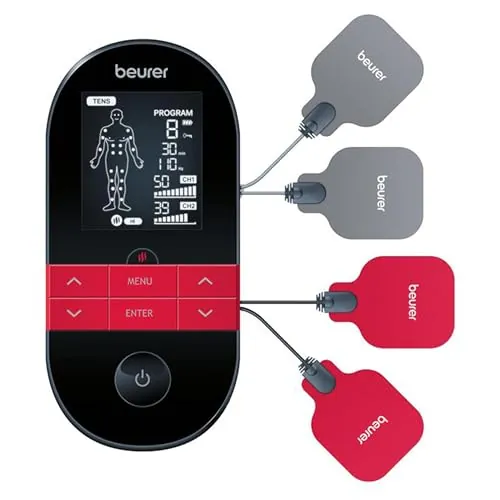
Beurer EM59 Digital 3-in-1 TENS Unit, EMS & Heat Therapy (EM59)
- Combines TENS, EMS, and heat in one compact device for pain relief and muscle stimulation.
Comparison
The Beurer EM59 and Boriwat R7 both target at-home pain relief and muscle relaxation, but they work very differently. The EM59 is a rechargeable TENS/EMS unit with electrode pads and lots of programs, while the R7 is a corded shiatsu kneading massage pillow with heat and a simple remote. Your best choice mainly depends on whether you want electrical stimulation and portability (EM59) or deep kneading pressure and simpler operation (R7).
#1 Overall Winner
Contender
Choose the Beurer EM59 if you want TENS/EMS stimulation, dual channels, and a rechargeable device you can use almost anywhere (but budget for replacement pads). Choose the Boriwat R7 if you want a kneading shiatsu pillow with heat and simple remote controls, and you’re comfortable with mixed durability feedback and the possibility that the pressure may feel too strong for your body type.
Overall winner
Depends on your needs
| Feature | Beurer EM59 Digital 3-in-1 TENS Unit, EMS & Heat Therapy (EM59) | Boriwat Back Massager with Heat 3D Kneading Massage Pillow (R7) | Winner |
|---|---|---|---|
| Type of therapy | TENS/EMS stimulation + heat | Shiatsu-style kneading + heat | Depends |
| Best use case | Targeted pain relief & muscle stimulation | Kneading massage for back/neck/shoulders | Depends |
| Power & mobility | Rechargeable, cordless | Corded (wall + car adapter) | Beurer EM59 Digital 3-in-1 TENS Unit, EMS & Heat Therapy (EM59) |
| Controls | On-device controls + guided display | Remote control | Boriwat Back Massager with Heat 3D Kneading Massage Pillow (R7) |
| Adjustability | Many programs + dual channels | 3 intensities + direction + heat levels | Beurer EM59 Digital 3-in-1 TENS Unit, EMS & Heat Therapy (EM59) |
| Session timing | Adjustable timer (broad range) | Auto shut-off after short session | Beurer EM59 Digital 3-in-1 TENS Unit, EMS & Heat Therapy (EM59) |
| Heat experience (based on reviews) | Mixed; some barely feel heat | Generally liked, but some want hotter | Depends |
| Ease of use (based on feedback) | Mixed; some find it complicated | Often described as easy to use | Boriwat Back Massager with Heat 3D Kneading Massage Pillow (R7) |
| Ongoing consumables | Adhesive pads wear out and need replacing | No electrode pads | Boriwat Back Massager with Heat 3D Kneading Massage Pillow (R7) |
| Comfort & fit | Depends on pad placement and intensity | Can be intense; fit varies by body type | Depends |
| Reliability pattern in reviews | More pad/battery complaints than device failure | Notable reports of stopping working/breaking | Beurer EM59 Digital 3-in-1 TENS Unit, EMS & Heat Therapy (EM59) |
| Portability | Very compact, belt clip | Larger pillow, needs power cord | Beurer EM59 Digital 3-in-1 TENS Unit, EMS & Heat Therapy (EM59) |
| Noise | Very quiet in use | Some motor noise typical of kneading nodes | Beurer EM59 Digital 3-in-1 TENS Unit, EMS & Heat Therapy (EM59) |
| Value (upfront price + ownership) | Higher price; possible pad replacement cost | Lower price; durability risk noted | Depends |
For everyday home use, these products fit different routines. The EM59 works best when you can place pads carefully and run a specific program while you relax, work at a desk, or travel—its cordless design makes it easy to keep in a drawer or bag. The Boriwat R7 suits “sit down and unwind” sessions on a sofa or chair, where you can lean into the kneading nodes and adjust intensity with the remote. If you want quick, simple sessions, the R7 is usually more immediate; if you want targeted, configurable stimulation, the EM59 is the more technical tool.
Both products are comfort-focused rather than climate-control devices, but they can affect day-to-day relaxation. The EM59 offers heat alongside TENS/EMS, though multiple reviews say the warmth can be hard to notice. The Boriwat R7 includes two heating zones and is often praised for adding comfort during a kneading massage, even if some users still wish it were hotter. If warmth is a key part of your comfort routine, neither should be treated as a replacement for a dedicated heating pad, but the R7’s heat implementation is discussed more positively overall.
In terms of their core job—helping with soreness and relaxation—both are reported to work well, but in different ways. The Beurer EM59 is frequently described as effective for pain relief (especially lower back and post-exercise soreness) and strong enough to “feel it working,” with the option to stimulate and relax muscles using different programs. The Boriwat R7 tends to deliver a more immediate “massage” sensation through kneading nodes, and many users call the pressure intense and effective. Performance caveats: EM59 sessions can be undermined if pads don’t adhere well, while R7 results can depend heavily on positioning and tolerance for deep pressure.
Reliability feedback is a key divider. The Boriwat R7 has multiple reports of units breaking or stopping work within weeks or months, which is important if you plan frequent use. The Beurer EM59 has fewer “device died” complaints in the provided feedback, but it does show recurring practical failures around pad adhesiveness—if pads won’t stick, sessions become difficult or impossible without replacements. In other words, EM59 reliability risk is more about accessories and recurring setup friction, while R7 reliability risk is more about the unit’s longevity.
Both devices include auto shut-off features intended to limit overuse: the Beurer EM59 has a safety switch-off and an adjustable timer, while the Boriwat R7 shuts down automatically after a short session. Neither product is water resistant, so keeping them dry matters. Comfort-related safety is also relevant: the R7’s kneading can be intense and may cause soreness for some users if pressure is too high, so starting on low intensity and careful positioning is sensible. For the EM59, safe and comfortable use depends on proper electrode placement and not exceeding personal tolerance, especially since it can feel “powerful” in use.
Comfort is highly personal with both. The Beurer EM59 comfort tends to depend on choosing the right program, keeping intensity appropriate, and placing pads correctly; when it’s dialed in, many users report meaningful relief and relaxation. The Boriwat R7 often delivers a strong, kneading feel that some people love, but others find uncomfortable, bruising, or too intense—especially depending on body type and how much pressure you lean into it. If you’re pressure-sensitive, the EM59 may be easier to keep gentle, but it takes more setup.
The Boriwat R7 is typically easier to use: plug in, position it, and adjust with the remote. Reviews commonly mention it being simple to use across body parts. The Beurer EM59 can take more effort because electrode placement matters and there are many programs to choose from; buyer feedback is mixed, with some calling it easy and others saying it’s too complicated. If you prefer “set and relax,” the R7 is the simpler option.
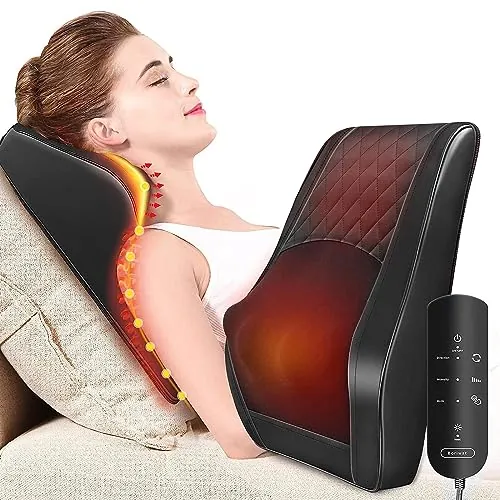
The Beurer EM59 is designed for portability: a compact, lightweight body with a belt clip and a display intended to guide placement and selections. It’s easier to store and carry, but it requires time to place electrodes correctly. The Boriwat R7 is a larger pillow-style form meant to match neck/back curves and be used against a chair, wall, or couch, with an included strap for securing it. Its design can be very convenient, but fit and node spacing may not suit every body shape equally well.
“Capacity” here is about coverage and treatment flexibility rather than volume. The Beurer EM59 supports two channels with four electrodes, so you can target two areas simultaneously or work a broader region with careful placement. The Boriwat R7 has a larger pillow footprint than many massage pillows and uses four kneading nodes, which can feel effective on the back and shoulders but may miss narrower areas (like thinner necks) depending on fit. If you want multi-area targeting at the same time, EM59 has the advantage; for a larger single contact surface, R7 can be easier.
For small homes and storage, the Beurer EM59 takes up very little space and can live in a drawer or bag with its electrodes. The Boriwat R7 has a larger pillow footprint, which can be awkward in small flats or crowded bedrooms unless you have a dedicated spot. If countertop/sofa space is limited or you prefer a discreet device, the EM59 is easier to accommodate.
The Beurer EM59 is effectively quiet during use since it relies on electrical stimulation rather than moving parts. The Boriwat R7 uses motor-driven kneading nodes, so some operating noise is more likely during a session. For bedrooms, shared spaces, or using it while watching TV at low volume, the EM59 has the advantage in keeping disruption minimal.
Build quality signals are mixed for both, but the types of issues differ. With the Beurer EM59, many complaints focus on accessory quality—especially pads losing stickiness—rather than the main device body. With the Boriwat R7, reviews more often raise concerns about the unit itself breaking or stopping working, which can overshadow how solid it feels out of the box. If you’re prioritizing fewer reports of early failure, the EM59 appears less risky, provided you’re comfortable replacing pads.
For long-term durability, the Beurer EM59 is most likely to be limited by consumables: pads can wear out quickly and need replacement, and battery longevity is debated by users who report frequent recharging. The Boriwat R7 avoids consumable pads, but user sentiment includes notable early breakage, which is a bigger durability red flag. If you want a device that’s more likely to keep working as a product, EM59 appears safer; if you want to avoid ongoing pad purchases, R7 is simpler but riskier.
The Boriwat R7 is low-maintenance in daily life: there are no adhesive electrodes to replace, and it’s mostly about storing it safely and keeping surfaces clean and dry. The Beurer EM59 requires more upkeep because electrode pads can lose stickiness and may need periodic replacement, plus you’ll be managing charging and careful handling of connections. If you want minimal ongoing maintenance tasks, the R7 is easier; if you accept routine pad replacement as normal, the EM59 remains manageable.
The Beurer EM59 is notably more portable: it’s compact, lightweight, and cordless, with a belt clip for moving around the house or using it while traveling. The Boriwat R7 is portable in the sense that you can move it room-to-room, and it includes a car adapter, but it’s larger and requires a power connection during use. If you want a device you can easily pack and use anywhere, EM59 is the clearer choice.
The Beurer EM59 is feature-rich: TENS, EMS, and heat, two adjustable channels, multiple electrodes, many preset applications, customizable programs, and a broad timer range. The Boriwat R7 focuses on comfort features for mechanical massage—three intensity levels, bi-direction control, two heat zones with two heat levels, and a remote—plus it includes both wall and car adapters. If you want lots of session variety and targeted control, the EM59 is stronger. If you want fewer choices and simpler operation, the R7’s feature set is more streamlined.
The Beurer EM59 runs on a rechargeable battery, which is efficient for portability but brings variability—some users are happy with runtime, while others report needing to recharge after each session. The Boriwat R7 is corded and designed around a fixed short session with auto shut-off, so you don’t manage charging, but you do need access to power (or the car adapter). If you want consistent readiness without charging, R7 is simpler; if you want cordless flexibility, EM59 trades convenience for battery management.
Value depends on how you plan to use the device over time. The Boriwat R7 is cheaper upfront and frequently described as strong value because it delivers deep kneading plus heat with simple controls, and it doesn’t require replacement electrode pads. However, durability complaints (breaking or stopping work) can erase that value if you need replacements.
The Beurer EM59 costs more and often delivers strong pain-relief results with many programs and excellent portability, but ownership cost can rise due to frequent pad replacement and potential battery frustration for those who recharge often. Pick R7 for low upfront cost and simplicity; pick EM59 for portable, program-based stimulation if you’re comfortable with pad upkeep.
There isn’t enough provided data to make broad claims about either brand’s long-term support record beyond what’s stated and implied in reviews. Beurer appears as a more established branded device listing with detailed specs and many buyers, while Boriwat explicitly states a 1-year warranty and replacement promise. Practically, brand trust here should be evaluated by looking at how often buyers report failures (more frequently noted for the R7) and whether replacement parts (pads for the EM59) are easy and affordable to obtain.
Both products have high review volume and generally positive star ratings, with strong praise for pain relief and relaxation. For the Beurer EM59, customers commonly highlight effectiveness and portability, while repeated negatives focus on pads not sticking well, mixed battery life, and mixed ease-of-use opinions. For the Boriwat R7, many buyers say the kneading feels “professional-quality” and like real hands, and often call it good value; the biggest recurring dissatisfaction themes are comfort/fit (too intense or awkward positioning) and durability (reports of breaking or stopping).
The Boriwat R7 listing states a 1-year warranty with a replacement promise if something happens within the period. No clear, specific warranty terms are provided in the supplied data for the Beurer EM59, so it’s harder to compare support expectations directly. If warranty clarity matters, the R7 provides a more explicit statement in the listing.
The comparison doesn’t produce a single universal winner because the products deliver relief in different ways, but the Beurer EM59 slightly leads overall for shoppers who want a more versatile and portable therapy tool. Its main strength is combining TENS/EMS with many programs and dual channels in a compact rechargeable device; its main limitation is the recurring complaint about pads not sticking well (plus mixed opinions on heat and battery life).
The Boriwat R7 is the better fit if you want a straightforward deep-kneading massage pillow with heat and a simple remote at a lower upfront price. Its main strength is strong kneading performance; its main limitation is meaningful durability/reliability concerns and comfort that can be too intense for some users.
Overall winner
Depends on your needs
Neither is universally better because they use different approaches. The Beurer EM59 focuses on TENS/EMS electrical stimulation with many programs and dual channels, and it’s rechargeable for portable use. The Boriwat R7 focuses on kneading shiatsu-style massage with heat and a simple remote, but reviews raise more durability concerns. Choose based on whether you prefer stimulation or kneading pressure.
The Boriwat R7 is generally simpler for quick sessions: plug it in, position it, and use the remote to adjust intensity, direction, and heat. The Beurer EM59 can take more learning because electrode placement and program selection matter, and buyer feedback is mixed on ease of use. If you want minimal setup, the pillow-style design tends to be more straightforward.
The Beurer EM59 is better suited to travel and work because it’s cordless, compact, and includes a belt clip, so you can use it without staying near an outlet. The Boriwat R7 can be used away from home thanks to the included car adapter, but it’s still a corded device and bulkier, so it’s less flexible for truly on-the-go use.
Both products include heat. For the Beurer EM59, reviews are mixed: some people like having heat available, while others report they barely feel it. The Boriwat R7 has two heating zones and two heat levels, and many users call heat a helpful bonus, though some also wish it got hotter. If heat is your top priority, expectations should be realistic.
The Beurer EM59 uses self-adhesive electrode pads, and multiple reviews mention the pads losing stickiness quickly and needing replacement. That can add ongoing cost and hassle. The Boriwat R7 does not rely on adhesive pads, so it avoids that specific recurring expense, though it may have higher risk of needing a replacement unit if durability issues occur.
If you’re sensitive to deep pressure, the Boriwat R7 may feel intense even on lower settings, and several reviews mention discomfort or soreness depending on body type and positioning. The Beurer EM59 doesn’t use kneading nodes; comfort depends more on intensity settings and pad placement. For pressure-sensitive users, the EM59 may be easier to “dial down,” but it requires correct electrode placement.
Both have mixed feedback, but the nature of the complaints differs. The Boriwat R7 has repeated mentions of units breaking or stopping working within a short time, which raises reliability concerns. The Beurer EM59’s most consistent issue is pad adhesiveness and the cost/inconvenience of replacements, plus mixed battery-life reports, rather than frequent reports of the main unit failing.
The Boriwat R7 is typically perceived as good value because it provides strong kneading and heat at a lower upfront price, and it doesn’t require adhesive pad replacements. The Beurer EM59 can still be good value if you specifically want TENS/EMS with lots of programs and portability, but ongoing pad replacement costs and mixed opinions about heat strength can reduce value for some households.
Check our rankings and expert guides to find the best home lifestyle products for your goals.