#1 Overall Winner
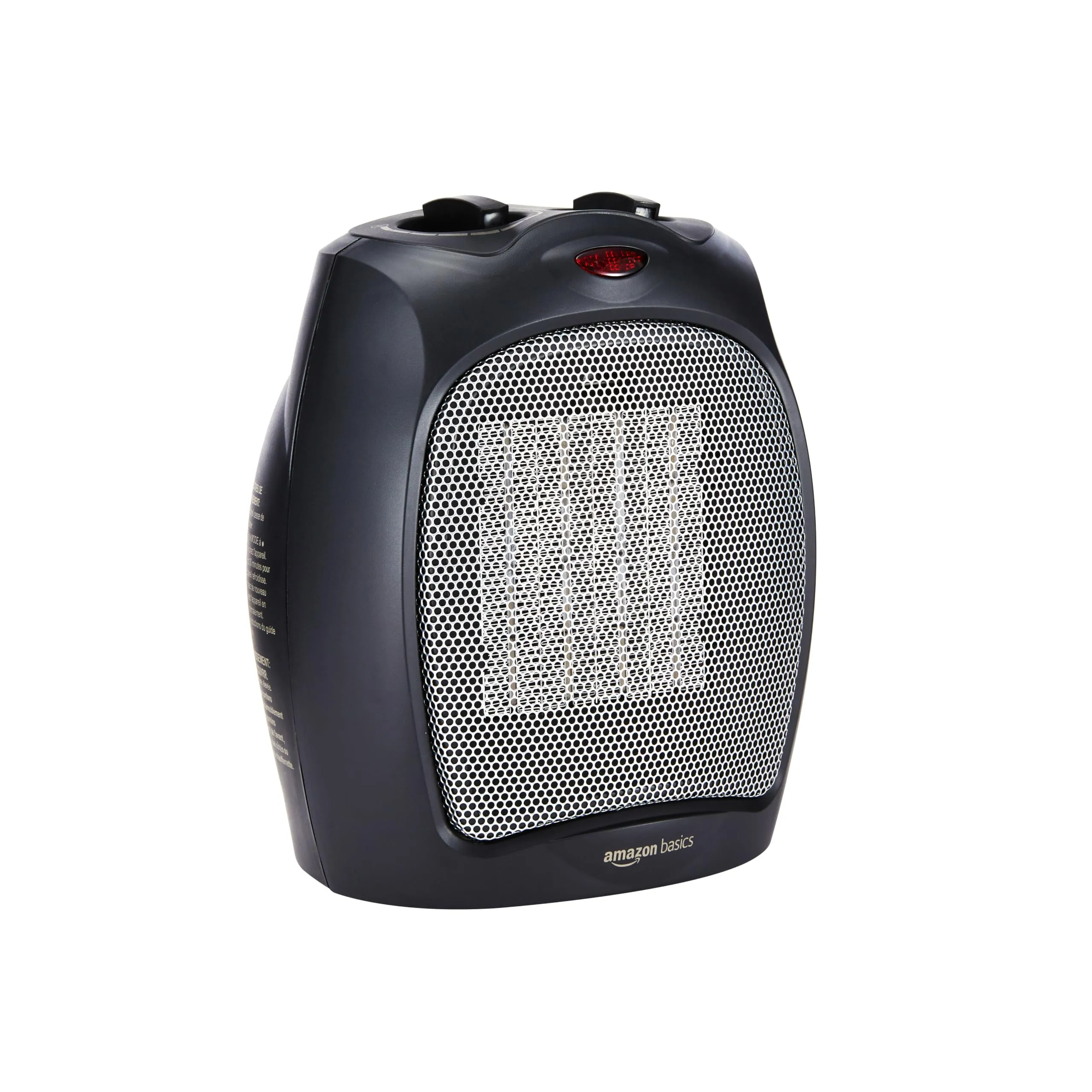
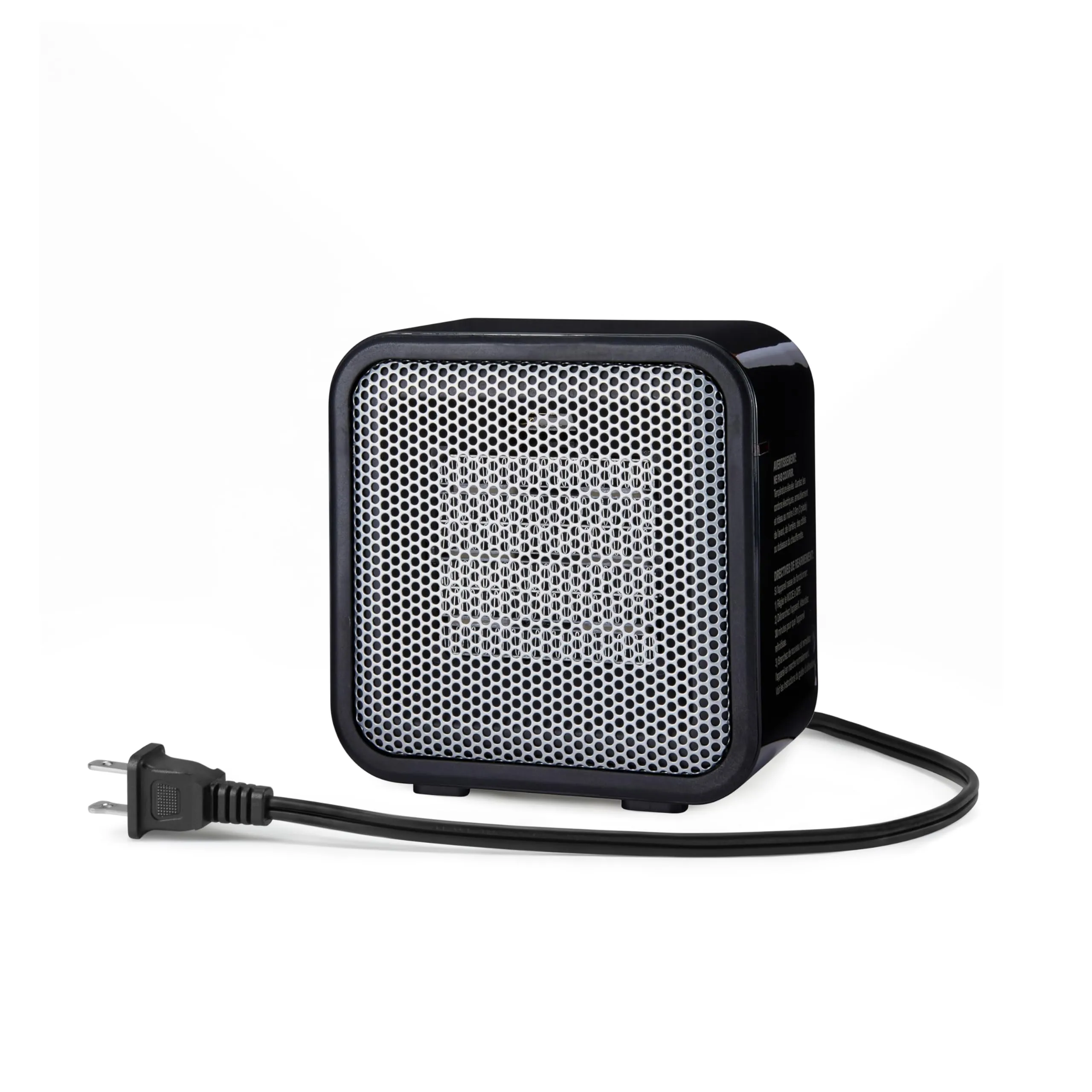
Amazon Basics Ceramic Space Heater (1500W, DQ1927-Y)
- Stronger heat output for small-to-medium rooms, with high and low heat settings plus fan-only mode.
Comparison
The Amazon Basics 1500W ceramic space heater and the Amazon Basics 500W mini heater target different needs: room-level spot heating versus personal desk warmth. The 1500W model adds multiple heat settings and an adjustable thermostat, while the 500W option prioritizes a tiny footprint and easy portability. Both have strong review volume, but each has mixed feedback on heat consistency and long-term reliability.
#1 Overall Winner
Contender
Choose the Amazon Basics 1500W ceramic heater if you want faster, stronger small-room heating plus a thermostat and multiple settings. Choose the Amazon Basics 500W mini heater if you only need a small bubble of warmth at a desk or near your feet and want something lighter and easier to store. Both are simple, budget heaters, but reliability feedback is mixed for each.
Overall winner
Depends on your needs
| Feature | Amazon Basics Ceramic Space Heater (1500W, DQ1927-Y) | Amazon Basics Ceramic Portable Mini Space Heater (500W, DQ1722D) | Winner |
|---|---|---|---|
| Type / category | Ceramic space heater (portable) | Ceramic mini desk heater (portable) | Depends |
| Heat output / power | Up to 1500W (High), 900W (Low) | 500W | Amazon Basics Ceramic Space Heater (1500W, DQ1927-Y) |
| Heat settings | High / Low / Fan-only (3 settings) | Single basic operation (no temperature control noted) | Amazon Basics Ceramic Space Heater (1500W, DQ1927-Y) |
| Thermostat control | Adjustable thermostat (dial) | No temperature controls mentioned | Amazon Basics Ceramic Space Heater (1500W, DQ1927-Y) |
| Safety shutoffs | Tip-over + overheat protection | Tip-over protection | Amazon Basics Ceramic Space Heater (1500W, DQ1927-Y) |
| Room-size fit | Small rooms / under-desk; can handle more than personal range | Personal warmth at desk/feet; small space use | Depends |
| Noise (buyer sentiment) | Mixed: quiet for some, noisy for others | Generally quiet, but fan still audible in quiet rooms | Amazon Basics Ceramic Portable Mini Space Heater (500W, DQ1722D) |
| Portability (weight/handling) | Portable; about 2.14 lb listed | Very portable; about 1.43 lb listed | Amazon Basics Ceramic Portable Mini Space Heater (500W, DQ1722D) |
| Footprint / space efficiency | 7.52"D x 6.34"W x 9.45"H | ~5.8"D x 3.4"W x 6"H | Amazon Basics Ceramic Portable Mini Space Heater (500W, DQ1722D) |
| Ease of use (controls) | Simple dial + mode selection; some “guessing” on dial markings | Very simple (on/off), but switch placement noted as less convenient by some | Depends |
| Reliability (buyer feedback) | Some reports of early breakage | Some reports of stopping after a couple days | Tie |
| Value positioning | Low-cost with strong heating and many reviews | Very low-cost, but fewer features and mixed heat output | Amazon Basics Ceramic Space Heater (1500W, DQ1927-Y) |
For everyday home use, these heaters serve different roles. The 1500W unit works better as a small-room booster (bedroom, home office, drafty corner) where you want noticeable room comfort. The 500W mini heater is more of a personal accessory—ideal for a desk, reading chair, or craft table where the warmth stays close to you. If you want one heater to move between rooms and make a quick difference, the 1500W model is typically more satisfying; for subtle, close-range warmth, the mini is easier to live with.
Both products are meant to improve comfort in cold conditions, but the 1500W heater is the more effective tool for shifting overall room feel because it has higher output and a thermostat that can cycle on/off. The 500W mini heater is better for targeted comfort—warming hands or feet while sitting—rather than changing the entire room temperature quickly. If you’re trying to avoid turning up central heat for the whole home, the 1500W model is the more practical supplement.
In performance terms, the 1500W Amazon Basics heater is built to deliver more noticeable heat, and many reviews describe quick warm-up in bedrooms and small rooms. Its thermostat also helps avoid constant full-power running by cycling to maintain comfort. The 500W mini heater can still feel effective at close range, but feedback is more mixed when people expect it to heat a full room, and it lacks temperature control to fine-tune output. If your priority is true room-level spot heating, the 1500W unit is the stronger performer.
Reliability is a caution point for both products based on the provided review summaries. The 1500W heater has mixed durability feedback, including some reports of units breaking within a month, even though many customers have good experiences. The 500W mini heater also has reliability concerns, with reports of units stopping after just a couple of days and some complaints about the bottom safety toggle not behaving as expected. If reliability is critical, prioritize easy returns and test the heater early.
The 1500W model offers better climate control because it combines higher heat output with an adjustable thermostat that can cycle to maintain a target comfort level. The 500W mini heater can take the edge off quickly nearby, but without temperature controls it’s harder to manage comfort precisely beyond turning it on or off. For a bedroom or office where you want steadier warmth, the 1500W heater is the more controlled option.
Both heaters include tip-over protection, which is important for under-desk use, homes with pets, and tight walkways. The 1500W model also lists overheat protection, giving it an extra safety layer beyond tip-over shutoff. Reviews also mention a bottom safety switch that cuts power when the unit isn’t sitting flat; that’s helpful, but it can be frustrating if the switch mechanism doesn’t engage properly (a complaint seen on the mini heater). For either unit, avoid blocking airflow and place it where the cord won’t be tugged.
For comfort, the 1500W heater is more likely to change how a room feels—useful for drafty bedrooms or home offices where the ambient temperature is the issue. The 500W heater is more about direct comfort while sitting still, creating a small zone of warmth. If your goal is to avoid adjusting central heating for the entire home, the 1500W model’s thermostat and higher output tend to support a more stable, comfortable room setup.
Both heaters are straightforward, plug-in devices, but they feel different day-to-day. The 500W mini heater is extremely simple (often described as on/off), which reduces the learning curve but also limits fine control. The 1500W model is still easy to operate while giving you more flexibility; however, users note the thermostat dial lacks exact temperature markings, so it can take some trial-and-error to find your preferred setting.
Design is mostly about placement and practicality here. The 500W mini heater is smaller and more desk-friendly, making it easier to fit beside a monitor, under a shelf, or near your feet without clutter. The 1500W heater is still compact but taller and better suited to floor or under-desk positioning for broader warmth. Controls also differ: the mini’s switch placement at the back is less convenient for some users, while the 1500W model’s dial-based approach is simpler to reach but less precise.
The main “capacity” difference is how much space each can realistically warm. The 1500W model is better aligned with small-room heating and under-desk comfort, while the 500W model is best treated as a personal heater for very close-range warmth. If you’re hoping to noticeably raise the temperature of a bedroom or office, the mini heater may feel underpowered depending on insulation, drafts, and expectations.
If space is tight, the 500W mini heater is the clear winner: it uses very little desk or floor area and stores easily in a drawer. The 1500W heater is still compact for a room heater, but it takes up more visual and physical space and is better placed on the floor or under a desk than on a crowded tabletop. For small flats, dorm desks, and cluttered workstations, the mini heater is easier to accommodate.
The 500W mini heater is generally the better pick if you’re noise-sensitive, with feedback often describing it as quiet enough for office use. The 1500W model has more mixed reactions: some users call it quiet, while others find it loud, especially in smaller rooms where fan sound is more noticeable. If you take lots of calls or need a very quiet bedroom environment, the mini heater may be easier to tolerate.
Neither product comes with premium build cues in the provided data, and buyer feedback raises some concerns. The 1500W model has mixed durability reports, including units breaking within a month, and one review notes a stiff cord that can shift the heater’s position on smooth surfaces. The 500W model is sometimes described as sturdy for its size, but it also has reliability complaints and mentions of a plastic casing that should not be banged around. Overall, build confidence is limited for both.
Long-term durability looks uncertain for both. The 1500W model has higher reports of early breakage in the aggregated review overview, while the 500W mini heater also has reports of very short lifespans for some units. Physical design also matters: the mini heater’s small plastic body may be less forgiving of bumps in a busy desk area, while the 1500W unit’s cord stiffness and stability feedback suggest being careful about placement to avoid accidental knocks.
Maintenance is simple for both because there are no tanks, filters, or consumables listed. Day-to-day care is mostly about keeping air inlets/outlets clear of dust and not blocking airflow. The 1500W heater may take slightly more attention to positioning due to its higher output and directional (non-oscillating) heat, while the 500W mini heater’s small size makes it easy to store away when not in use. In both cases, basic cord management helps reduce tip-over risk.
Both heaters are easy to reposition, but the 500W mini heater is the more portable option overall due to its smaller dimensions and lighter weight. It’s better suited to being moved between a desk, bedside table, and travel bag. The 1500W model is still portable and commonly used under a desk or in bedrooms, but it’s bulkier and more likely to remain in one spot once you find the best placement.
The 1500W model offers a more complete set of basics: multiple modes (high/low/fan-only), an adjustable thermostat, and both tip-over and overheat protection. The 500W mini heater focuses on simplicity and size, with tip-over protection but limited controls and no temperature adjustment called out in the provided data. If you want the ability to dial in comfort and use a fan-only mode, the 1500W heater clearly has more to work with.
At face value, the 500W mini heater uses less power than a 1500W heater, which can matter for personal warmth sessions at a desk. The 1500W model, however, adds a thermostat and multiple heat levels, which can help you avoid running full output continuously when you only need maintenance heat. Efficiency will depend on whether you’re heating a whole small room (where 1500W may finish the job faster) or just keeping your feet warm (where 500W may be sufficient).
Value depends on what you’re trying to achieve. The 500W mini heater is extremely low-cost and can be a good buy for personal warmth at a desk, especially if you don’t need temperature control. The 1500W heater costs more but brings more practical value for room comfort with higher heat output, multiple modes, and a thermostat—features that matter when you’re using it daily in a bedroom or office. With both products showing some reliability concerns, the best value also includes buying with strong return options.
Both products are from Amazon Basics and sit firmly in the budget, no-frills end of the market. The very large review counts suggest wide adoption, but buyer feedback includes durability/reliability complaints that can affect trust in long-term consistency. Since warranty and support specifics aren’t provided here, brand trust comes down to how much you value a basic design at a low price versus paying more elsewhere for potentially higher long-term confidence.
Customer satisfaction is broadly positive for both, with similar average star ratings and very high review volumes. For the 1500W model, repeated praise includes quick heat, compact size, and good value, while recurring negatives include mixed noise perceptions and durability issues. For the 500W mini heater, customers frequently like the compact desk-friendly design and quick warmth, but often criticize the lack of temperature controls, mixed heat strength, and reliability problems such as units failing early.
The Amazon Basics 1500W ceramic space heater is the better all-around choice if you want a compact heater that can meaningfully warm a small room and maintain comfort using an adjustable thermostat. Its main limitation is mixed durability and noise feedback, so placement and return options matter.
The Amazon Basics 500W mini heater is the better pick for tight desks and personal warmth, with excellent space efficiency and easy portability. Its main drawbacks are minimal controls and more prominent reliability concerns, plus mixed heat-output expectations when used beyond close range. For most households seeking supplemental room heat, the 1500W model wins; for desk-only comfort, the mini is the better fit.
Overall winner
Depends on your needs
If you want to warm a small room more quickly and have basic temperature control, the Amazon Basics 1500W model is the stronger fit thanks to multiple heat settings and an adjustable thermostat. If you mainly want personal warmth at a desk or by your feet, the 500W mini heater is smaller and easier to place, but it offers fewer controls and more limited heating reach.
The 500W Amazon Basics mini heater is designed around desk and personal-space use, with a very small footprint and low weight. The 1500W model can also work under a desk, but it’s larger and intended to deliver more heat into the room. If you want a small “warm bubble” near your feet, the 500W unit is typically the more natural match.
The 1500W Amazon Basics ceramic heater includes an adjustable thermostat and users mention it cycling on and off to help maintain a steady temperature. The 500W mini heater is commonly described as having very limited controls and lacking temperature controls, so it’s more of an on/off personal heater than a temperature-managed room heater.
Based on the provided noise information and buyer feedback, the 500W mini heater tends to be the quieter option overall, though you can still hear its fan in quiet rooms. The 1500W model is more mixed: some reviewers call it quiet, while others find it loud, especially in smaller spaces. Your sensitivity to fan noise will affect which feels “quiet enough.”
The 1500W Amazon Basics ceramic heater is the better candidate for small-room heating because it has substantially higher heat output and multiple modes. The 500W mini heater is widely described as a desk/personal heater; it can take the chill off close to you, but many buyers note it is not meant to heat larger areas quickly.
Yes. The 1500W model has mixed durability feedback, with some users reporting units breaking within a month. The 500W mini heater also has reliability concerns, including reports of units stopping after only a couple of days. With either product, it’s worth checking return options and testing the heater promptly during the first weeks of ownership.
Both models include tip-over protection, which is helpful in homes with pets or in tight areas. The 1500W model also lists overheat protection, adding an extra layer of shutoff protection. That said, placement still matters: keep cords positioned to reduce accidental tugs, don’t block airflow, and follow the 1500W model’s guidance to avoid humid environments.
The 500W mini heater is easier to store and travel with because it’s significantly smaller and lighter, and reviewers mention taking it to hotels or moving it around easily. The 1500W model is still portable, but it’s larger and more suited to staying in a bedroom or office rather than being packed frequently.
Check our rankings and expert guides to find the best home lifestyle products for your goals.